Gastrointestinal Infection Explained: Causes & Treatment
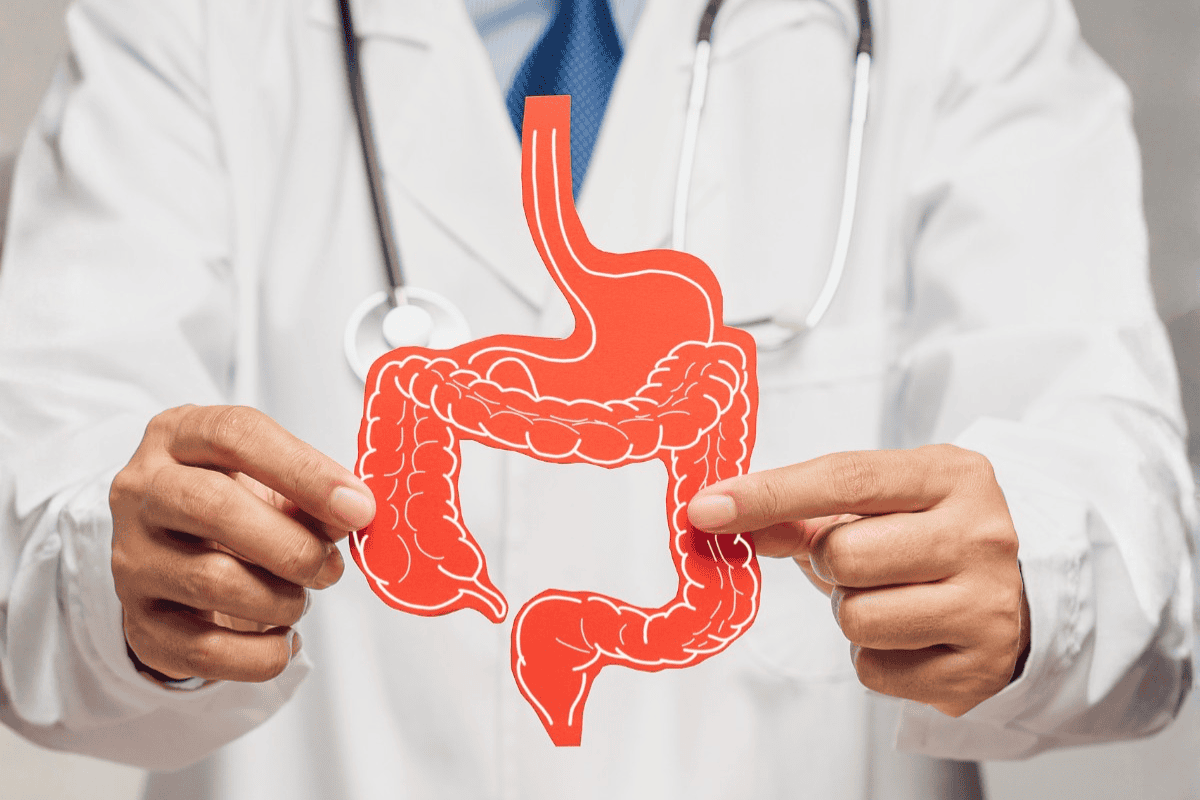
We’ve all had those uneasy days when the stomach feels like it’s rebelling: the discomfort, the queasiness, and that constant tug between hunger and nausea.
Gastrointestinal infections can make even the simplest meal feel risky and leave you drained, anxious, and wishing for instant relief. If you’ve ever been through one, you know how it feels to constantly question every bite of food.
These infections occur when harmful microorganisms invade your digestive system, upsetting the natural balance that keeps your gut happy. They can affect anyone, from children to the elderly, and can arise due to bacteria, viruses, parasites, or fungi.
However, before you panic, take a deep breath. Most cases are temporary, manageable, and treatable when addressed properly.
This blog walks you through
what these infections are, how they occur, what symptoms to watch for, and the right steps to manage and prevent them.
Gastrointestinal infection are available at the Everhope store — reviewed for use during cancer care.
What is a gastrointestinal infection?
To put it simply,
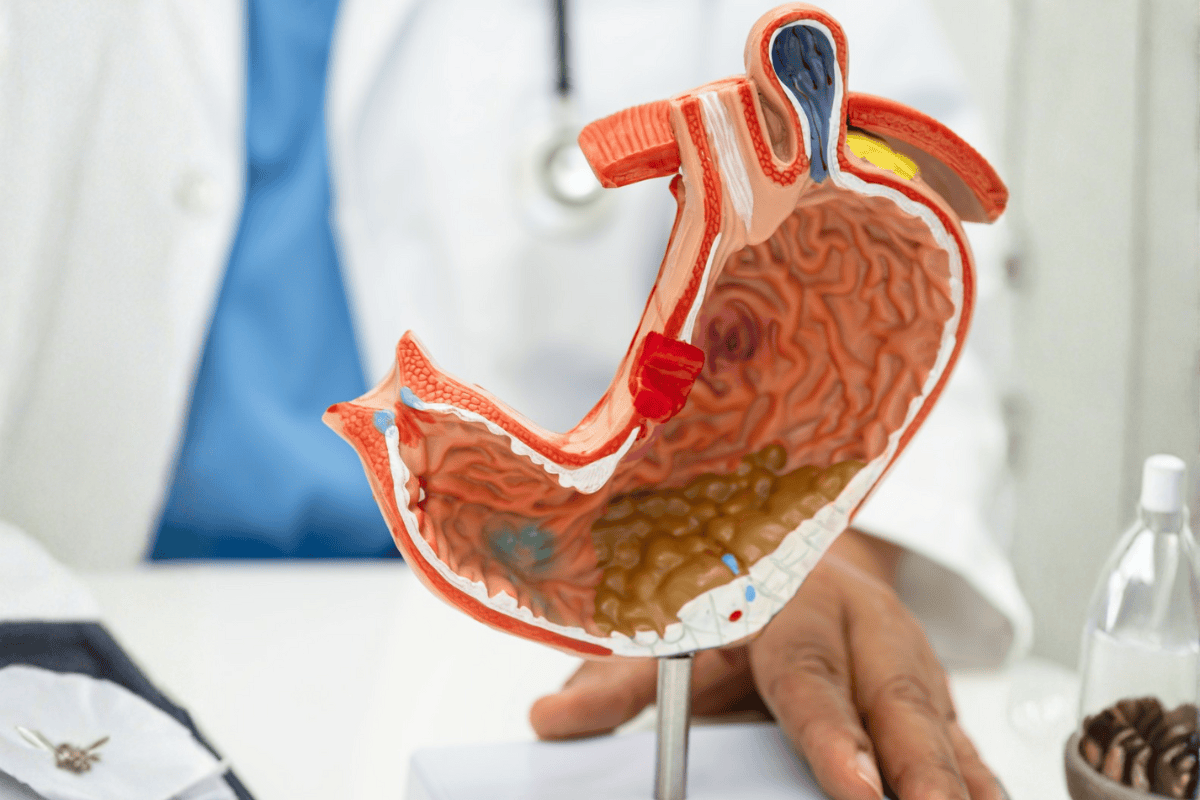
A gastrointestinal infection is an inflammation of the stomach and intestines caused by germs that your body isn’t used to. These germs irritate the lining of your gut, leading to symptoms like abdominal cramps, diarrhoea, vomiting, and fatigue.
So, if you’re wondering what is gastrointestinal infection, it’s essentially when your digestive system becomes home to unwanted microbes that disrupt normal digestion and absorption.
Gastrointestinal infection types
Not all gut infections are the same. The types of gastrointestinal infections depend on which organism has entered your system and how your body reacts.
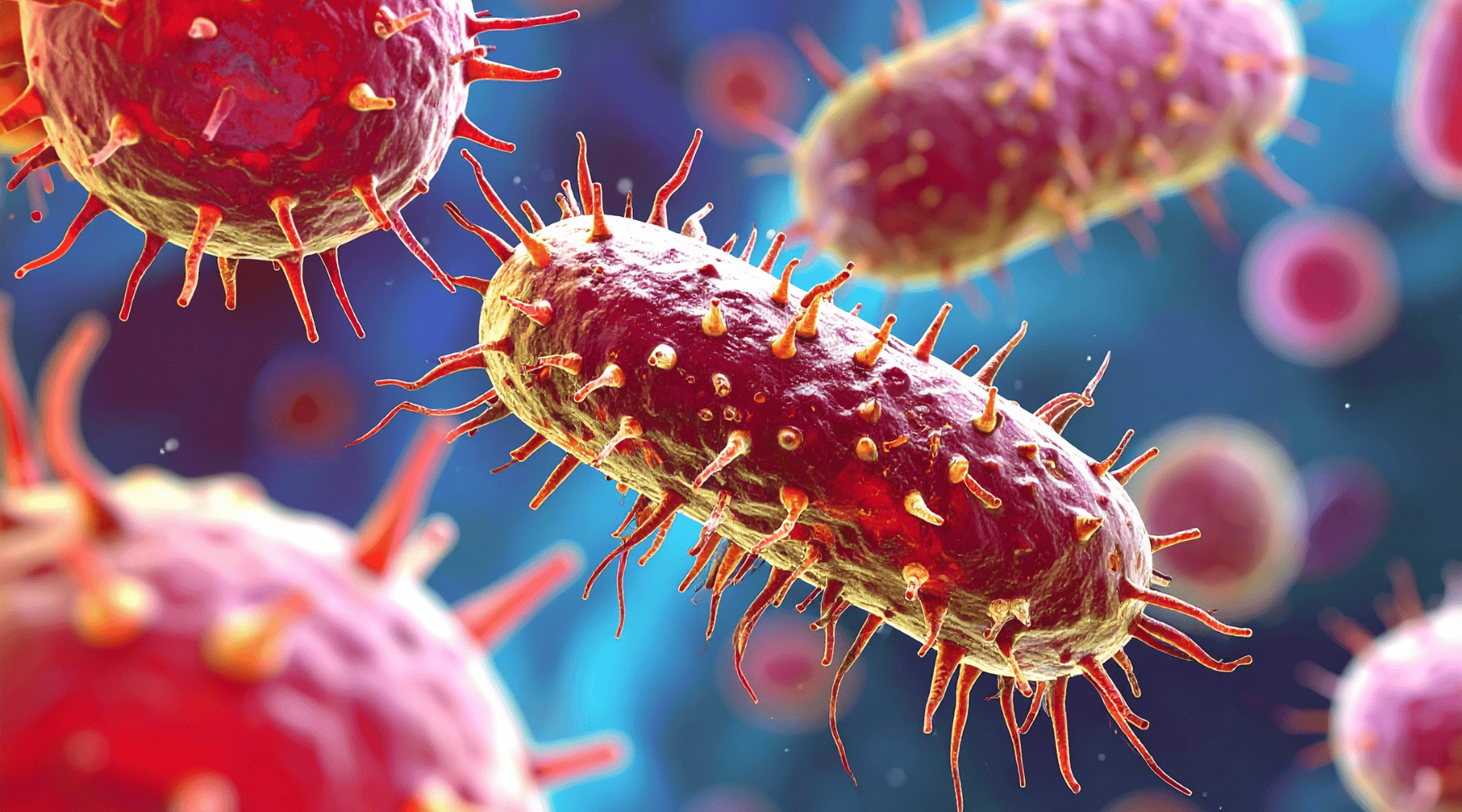
Understanding each type can help you recognise the difference between a temporary tummy bug and something that needs medical attention.
Gastrointestinal bacterial infection
This type is usually caused by bacteria such as salmonella, E. coli, or Campylobacter. Contaminated food or water is often to blame.
Symptoms:
Common gastrointestinal bacterial infection symptoms include abdominal pain, vomiting, fever, and sometimes blood in the stool. The infection irritates your stomach and intestines, leading to inflammation that your immune system tries hard to fight off.
Gastrointestinal viral infection
Also known as stomach flu, this type is caused by viruses like rotavirus or norovirus. It spreads quickly, especially in shared spaces like schools or offices.
Symptoms:
The gastrointestinal viral infection symptoms usually include watery stools, cramps, mild dehydration, and fatigue. Most cases resolve on their own, though they can leave you feeling utterly exhausted.
Gastrointestinal fungal infection
While rarer, fungal infections in the gut can affect people with weakened immunity. These infections can develop after long-term antibiotic use or in individuals with conditions like diabetes or intestinal cancer, where gut flora balance is disrupted.
Symptoms:
The gastrointestinal fungal infection symptoms may include persistent bloating, loose stools, and poor nutrient absorption.
Parasitic infections
Parasites such as Giardia or Entamoeba can cause stubborn GI gastrointestinal infection cases. They spread through contaminated food, unfiltered water, or unwashed hands.
Symptoms
Often mimic bacterial infections but tend to last longer and may cause intense abdominal cramps and malabsorption.
Symptoms of gastrointestinal infection
The gastrointestinal infection symptoms can vary depending on the cause, but most involve irritation or inflammation of the digestive lining. Some people experience mild discomfort, while others deal with severe dehydration and weakness.
Recognising symptoms early helps in getting prompt care.
Gastrointestinal infection symptoms in adults
Adults often brush off stomach issues until they become too uncomfortable to ignore. Here’s what you might notice when your gut is trying to tell you something’s wrong:
- •Persistent stomach cramps or pain after eating
- •Bloating or a feeling of fullness even without much food
- •Episodes of vomiting and loose stools
- •Headaches and bouts of nausea
- •Mild to moderate fever that lingers for a few days
- •Loss of appetite or fatigue after meals
- •In severe bacterial cases, prolonged weakness or dehydration
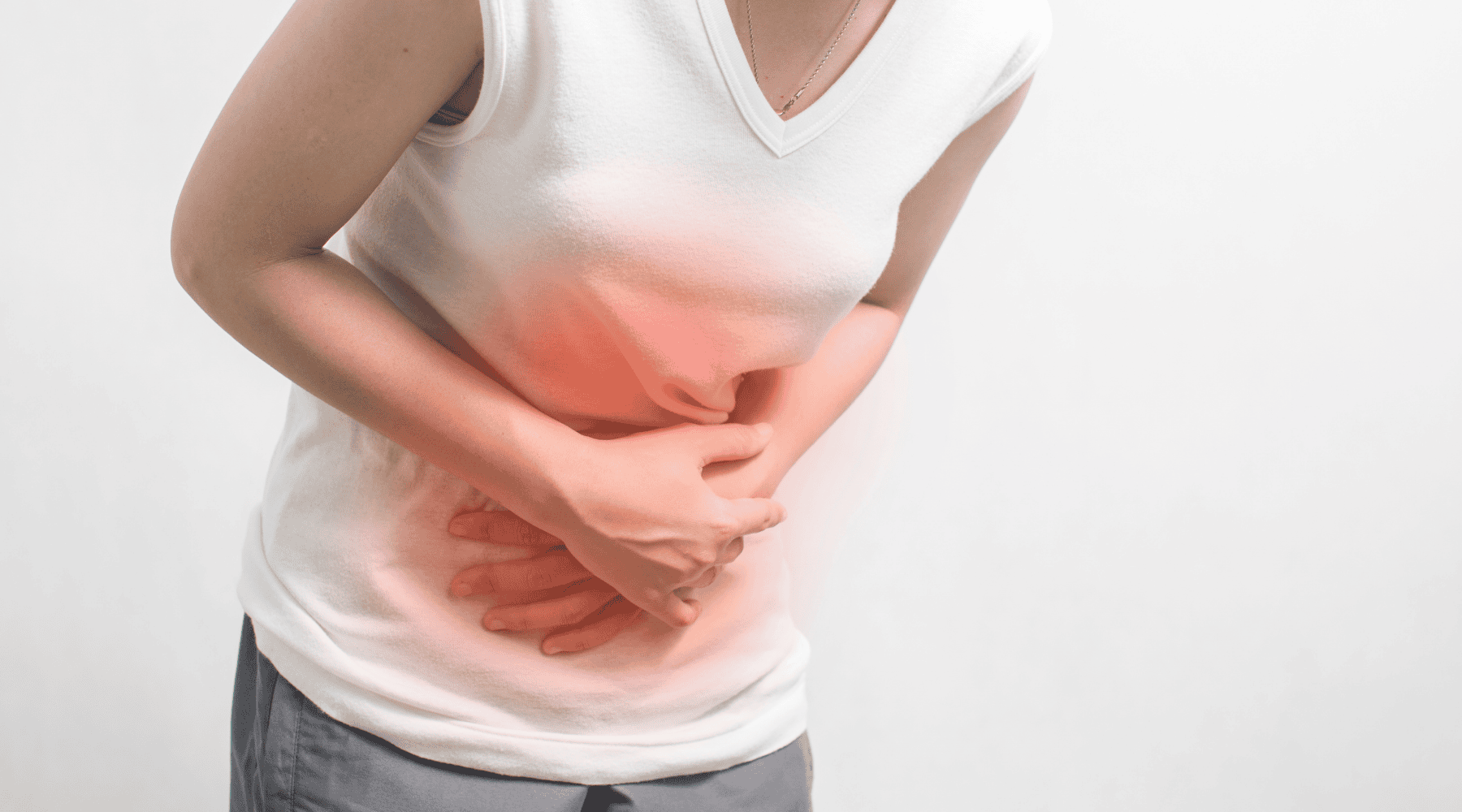
Sometimes, the gastrointestinal tract infection symptoms can resemble those of gastric ulcers or gastrointestinal cancer , which is why timely evaluation by a doctor is so important.
Gastrointestinal infection symptoms in children
Children’s bodies react more quickly to infections, and they can lose fluids faster than adults. Be on the lookout for these warning signs:
- •Sudden loss of appetite or refusal to eat
- •Vomiting after meals or drinking water
- •Watery or frequent stools
- •Crankiness, irritability, or unusual tiredness
- •A rise in body temperature or fever
- •Signs of dehydration such as dry lips, few wet nappies, or sunken eyes
- •Crying without tears or overall weakness

Because their systems are delicate, even mild symptoms should be watched closely. If your child’s discomfort doesn’t ease in a couple of days, or if you spot blood in their stool, consult a paediatrician promptly.
Signs of gastrointestinal infection
Common signs of gastrointestinal infection include:
- •Abdominal cramps and bloating
- •Sudden change in bowel habits
- •Persistent fever and fatigue
- •Nausea or vomiting
- •Signs of dehydration, such as dry mouth and low urine output
- •Weakness and light-headedness
Gastrointestinal infection causes
A gastrointestinal infection doesn’t appear out of nowhere. It usually follows exposure to contaminated food, drinks, or surfaces.
Germs can also spread through contact with infected individuals, poor hand hygiene, or unsafe cooking practices.
Knowing the gastrointestinal infection causes can help you prevent recurrence.
Primary causes
These infections usually stem from germs entering your system through what you eat, drink, or touch.
Here’s what commonly triggers them:
- •Eating undercooked meat or seafood
- •Drinking unfiltered or contaminated water
- •Poor hand hygiene after using the toilet
- •Contact with infected individuals or surfaces
- •Contact with infected individuals or surfaces
- •Compromised immunity due to chronic illness or medications
For reference, gastrointestinal tract infection causes often overlap with those of foodborne illnesses and poor sanitation habits.
Risk factors
Certain people are more vulnerable to gastrointestinal infections because of their age, environment, or immune health.
Here are some key risk factors to note:
- •Weakened immune systems due to chronic illness or medication
- •Children and older adults with lower natural resistance
- •Travellers exposed to unfamiliar food or water sources
- •Living in areas with poor sanitation or limited access to clean water
- •Consuming unhygienic or street food frequently
- •Individuals receiving chemotherapy for gastrointestinal cancer or similar treatments that suppress immunity
Treatment and cure for gastrointestinal infections
When you’re hit with a gastrointestinal infection, your body’s first instinct is to flush out the harmful microbes: usually through vomiting or diarrhoea.
The good news? Most infections resolve like this on their own within a few days. However, supportive care can make recovery smoother.
Hydration is the cornerstone. Replenish lost fluids with oral rehydration solutions, soups, or plain water. Eat light, easily digestible meals, and avoid dairy or fatty foods until your stomach settles.
Doctors may recommend specific medications depending on the cause.
- •For bacterial infections:antibiotics may be prescribed after a proper gastrointestinal infection diagnosis.
- •For viral infections:usually only need rest and hydration. If you’ve been wondering how to treat gastrointestinal infection, the focus is on symptom control and restoring gut balance.
- •For fungal or parasitic infections:antifungal or antiparasitic medications may be used. Probiotics often help restore healthy gut bacteria.
Timely medical consultation is the best cure for gastrointestinal infection, especially if symptoms persist beyond a week.
If you’re unsure what to do for a gastrointestinal infection, start by staying hydrated, resting, and seeking medical advice if symptoms worsen or you notice blood in stool.

Autoimmunity Care S. Boulardii (60 Capsules)
10 billion CFU S. boulardii per capsule
₹1,299₹1,433
Prevention of gastrointestinal infections
Preventing a gastrointestinal infection often comes down to mindful hygiene and food habits. Since germs can spread easily through hands, utensils, and food, small preventive steps can go a long way.
Gastrointestinal infection prevention tips
Most gastrointestinal infections can be avoided with a few mindful daily habits that keep harmful germs away from your food and water.
Here’s how to stay protected:
- • Wash your hands before eating and after using the toilet.
- •Avoid eating raw or undercooked food.
- •Drink only boiled or filtered water.
- •Keep kitchen surfaces clean and disinfected.
- •Use separate chopping boards for raw meat and vegetables.
- •Be cautious while travelling to areas known for water-borne diseases.
Hygiene and lifestyle measures
Maintaining a clean environment, balanced diet, and proper hydration can greatly lower your risk. Managing stress, getting enough sleep, and eating probiotic-rich foods help strengthen the gut’s natural defence.
Regular exercise also aids digestion and immunity, keeping gastric problem symptoms at bay.
When you practise good hygiene and remain aware of early gastrointestinal infection prevention measures, you protect not just yourself but also those around you.
A friendly reminder
By understanding what is gastrointestinal tract infection, its causes, and ways to prevent it, you give your gut the care it deserves.
Remember:
Not all stomach troubles mean intestinal cancer or something alarming. Sometimes, your body just needs time, rest, and hydration.
Still, if symptoms persist or worsen, especially with high fever or dehydration, don’t wait it out. Seek medical help early.
Your gut is more than just a digestive organ, it’s a core part of your health and well-being, and it deserves attention and kindness.
Questions
FAQs
How do gastrointestinal infections spread?
They spread mainly through contaminated food, water, or contact with infected individuals. Often, it’s a matter of hygiene and sanitation.
How long do gastrointestinal infections last?
Most mild infections last two to five days, though some parasitic types may linger for weeks without proper care.
Is gastrointestinal infection contagious?
Yes, especially viral and bacterial types. That’s why isolating during severe episodes and maintaining hygiene are essential.
Related Blogs