+918929672099
Call Us
Gastric Problems: Symptoms, Causes, Prevention & Treatment

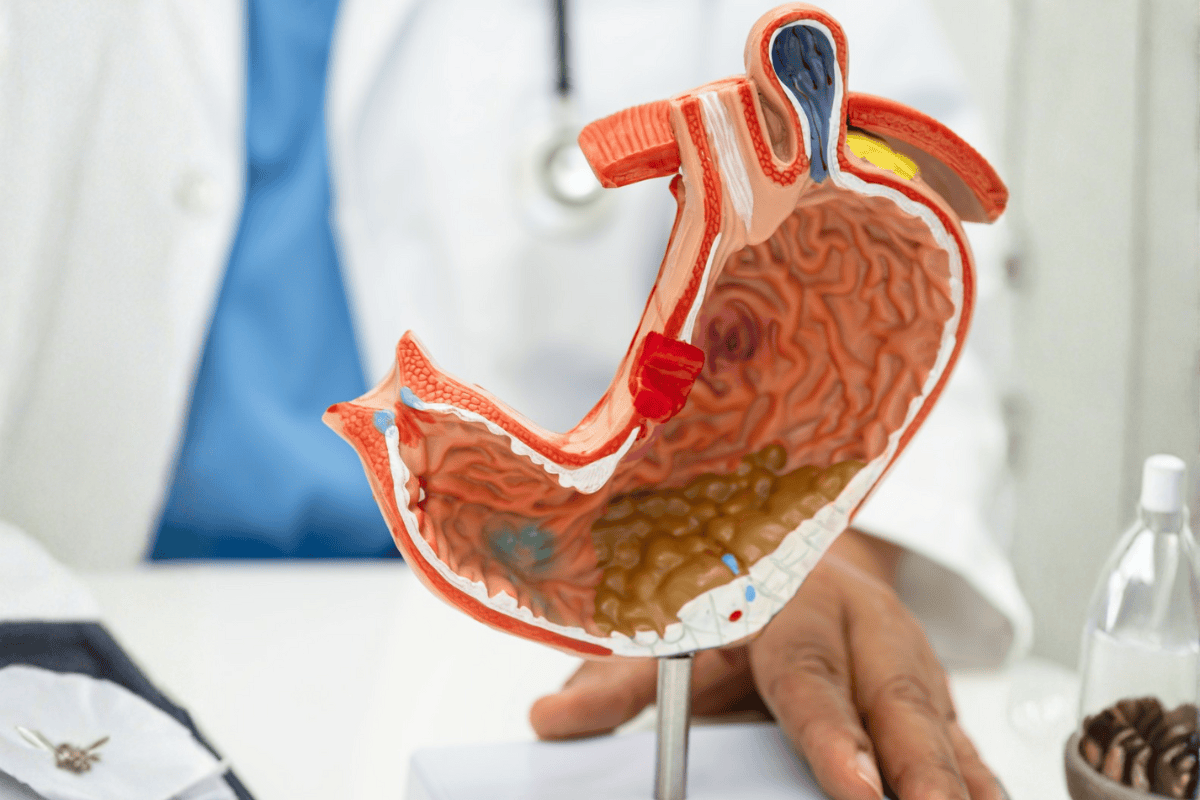
Almost everyone has faced it, that nagging gas problem in the stomach that brings along bloating, acidity, or sharp cramps right when you least expect it. While it may seem like a small inconvenience, recurring gastric discomfort can disrupt sleep, ruin meals, and even affect confidence in social situations.
These issues often arise when the digestive system struggles to process food properly, leading to indigestion, heartburn, excessive gas, or stomach pain.
The reason for gastric problems often ties back to diet and lifestyle: overeating, spicy or oily food, irregular meals, stress, or lack of activity. For some, underlying conditions like GERD, ulcers, or even long-term medication use can make things worse.
That’s why it helps to know the early gastric problem symptoms and the right gastric problem solution. In this blog, we’ll cover the causes, prevention, and treatment, including practical home remedies for gastric problems, to help you manage and reduce discomfort effectively.
Gas problem in the stomach are available at the Everhope store — reviewed for use during cancer care.
Common gastric problem symptoms
Below is a clear breakdown of gastric problem symptoms, ranging from everyday mild signs to severe conditions that may need professional gastric problem treatment:
| Mild to moderate symptoms | Severe or chronic symptoms |
|---|---|
| Frequent bloating or gas after meals | Persistent or intense acidity and acid reflux (GERD) |
| Excessive belching, burping, or flatulence | Sharp stomach pain or cramps lasting several hours |
| Indigestion, heaviness, or a burning sensation post-meals | Black stools or vomiting blood (possible ulcers or GI bleeding) |
| Mild, short-term acidity or occasional heartburn | Ongoing nausea and vomiting that doesn’t improve |
| Constipation, diarrhoea, or irregular bowel habits | Unexplained weight loss, fatigue, or poor appetite |
While mild issues may settle with home remedies, severe or recurring discomfort can sometimes signal serious conditions like stomach cancer .
Types of gas problems in the stomach
- •GastritisInflammation of the stomach lining that causes burning pain, nausea, and frequent acidity.
- •GERD (Acid reflux)A chronic condition where stomach acid flows back into the oesophagus, leading to heartburn and regurgitation.
- •Peptic ulcersPainful sores in the stomach or intestine lining, often causing sharp pain, indigestion, and sometimes bleeding. In some cases, chronic ulcers can increase cancer risk, making it important to understand whether stomach ulcers can cause cancer[a] over time.
- •IBS and functional gas issuesIrritable Bowel Syndrome and related disorders trigger bloating, irregular bowel habits, and recurring gas.
- •Gastroenteritis (Stomach flu)An infection-driven stomach problem causing diarrhoea, cramps, and vomiting, often confused with routine gastric discomfort.
- •Stomach cancerA serious condition where abnormal cell growth in the stomach can lead to ongoing gastric symptoms like indigestion, bloating, or pain. What sets it apart are additional stomach cancer symptoms[b] such as unexplained weight loss, blood in stools, or vomiting. If these appear, it’s important to see an oncologist quickly so that appropriate treatment can begin without delay.
Causes and risk factors of gastric problems
Pinpointing the reason for gastric problems is the first step toward a reliable gastric problem cure. These issues often stem from a mix of diet, lifestyle, health conditions, and even medications.
Dietary causes
Spicy, oily, or fried foods, overeating, eating too fast, and excess caffeine or alcohol are among the top gastric problem causes, often triggering acidity and bloating. Poor hydration and low-fibre diets further slow digestion, making gas buildup more frequent.
Lifestyle factors
Irregular meal timings, lack of exercise, poor sleep, and high stress levels all interfere with healthy digestion. Smoking not only weakens the stomach lining but also worsens acidity and heartburn.
Medical conditions and infections
Underlying health problems can also trigger or worsen gastric symptoms. Conditions like GERD, peptic ulcers, and IBS directly affect how the stomach processes food.
Infections such as H. pylori damage the stomach lining and may progress into more severe illnesses, including stomach cancer. That’s why recurring gastric problem symptoms should always be checked by an oncology doctor to rule out serious causes.
Medication-related causes*
Some medicines can irritate the stomach when used long-term. Painkillers (NSAIDs), antibiotics, and steroids often reduce the stomach’s protective lining, making it prone to ulcers and chronic acidity.
This type of irritation is a less obvious but important gastric problem cause. In such cases, your doctor may suggest alternative drugs or additional treatments like mucosal protective agents (sucralfate), or probiotics to protect the gut.
How to prevent gastric problems
Prevention truly is the smartest gastric problem solution, and it’s worth knowing how powerful it can be. Studies show that people who maintain healthy weight habits can reduce their risk of peptic ulcers and gastritis by up to 45–60% compared to those who don’t.
That’s a strong reminder that small, consistent choices really do protect your gut. Here’s how you can start preventing gastric problems and keep discomfort at bay:
Dietary tips*
- •Eat fibre-rich foodslike fruits, vegetables, and whole grains for smooth digestion
- •Reduce caffeine, alcohol, and carbonated drinksto cut acidity and bloating
- •Stay hydratedto ease digestion and minimise gas problems in the stomach
Lifestyle modifications
- •Eating smaller, frequent mealsinstead of heavy portions
- •Maintaining a healthy weightand avoiding lying down immediately after meals
- •Exercising regularlyto boost metabolism and digestion
- •Quitting smokingfor a lasting gastric problem cure
Stress management
- •Practice yoga, meditation, or breathing exercisesto relax your gut
- •Prioritise quality sleepto keep digestion balanced.
- •Take regular breaks from workand avoid eating in stressful situations
How to cure gastric problems
Home remedies and self-care
When acidity or bloating strikes, simple fixes can bring relief. Sipping warm water, ginger tea, or chamomile tea calms the stomach lining, while fennel seeds or peppermint reduce gas and cramps.
Probiotics like yoghurt also help restore balance in the gut - studies show they ease functional bloating in nearly 69-80% of people
Medical treatments
- •AntacidsProvide quick relief by neutralising excess stomach acid.
- •H₂ blockers and proton pump inhibitors (PPIs)Reduce acid production and are commonly used for GERD and chronic acidity.
- •Antibiotics with PPIsUsed when H. pylori infection is the reason for a gastric problem, often linked to ulcers.
- •Specialised care for severe casesIf recurring symptoms point to ulcers or stomach cancer, further testing and stomach cancer treatment (endoscopy, chemotherapy, or surgery) may be needed.
Diet modifications for relief
- •Soft, bland foodsSuch as rice porridge, bananas, or boiled potatoes. These are gentle choices and help ease indigestion.
- •Low-acid fruits like papaya and melonsThese soothe acidity. A balanced stomach cancer food diet[c] also plays a role in easing digestion and reducing irritation during recovery. However, note that citrus and tomatoes should be avoided as they often worsen heartburn.
- •Lightly cooked vegetables and simple soupsThey’re easier to digest and less likely to cause gas buildup.
If constipation is part of the gas problem in the stomach, opt for gentle fibre sources like oatmeal or cooked lentils rather than raw salads.

Autoimmunity Care Digest All Care (30 Capsules)
16-enzyme blend covering all macronutrients
₹1,099₹1,201
When to seek professional help for gastric problems
We’ve all brushed off a gastric problem as “just acidity” after a heavy meal, but what happens when the burning, bloating, or cramps refuse to go away?
Occasional discomfort can often be managed with lifestyle changes or home remedies, but persistent or worsening gastric problem symptoms are your body’s way of asking for help.
If you find yourself relying on antacids daily, losing weight without trying, or struggling with recurring indigestion, it’s time to see a doctor.
Also, remember, sometimes severe symptoms may signal more than routine gastric issues. If your discomfort is accompanied by bleeding, black stools, or intense pain, don’t delay. Reaching out to a trusted cancer centre or an experienced oncologist can make all the difference in early detection and treatment.
FAQs on how to cure gastric problem
Mild cases often improve with home remedies for gastric problems like ginger tea, probiotics, or warm water. If symptoms persist, medical treatment such as antacids, PPIs, or antibiotics (for infections) may be needed.
Related Blogs

Diagnosis5 min read
Ultrasound Kya Hota Hai? (अल्ट्रासाउंड): प्रक्रिया, रिपोर्ट और उपयोग
Dr. Vrundali Kannoth