UnderstandingMalignantNeoplasm: Causes, Diagnosis and Care
Dr. Vrundali Kannoth|5 min read|
The pathology report arrived. Buried in medical terminology, one phrase stands out: malignant neoplasm. Your doctor scheduled an urgent follow-up, but didn't explain much over the phone.
You search online and find conflicting information. Some sites say it's cancer. Others use terms without clear explanations. Meanwhile, anxiety builds as you wait for answers.
This guide breaks down malignant neoplasm meaning in plain language. You'll understand how it differs from benign growths, what causes cancer , and what treatment involves. We'll also address common questions Indian patients ask when facing this diagnosis.
What is a malignantneoplasm?
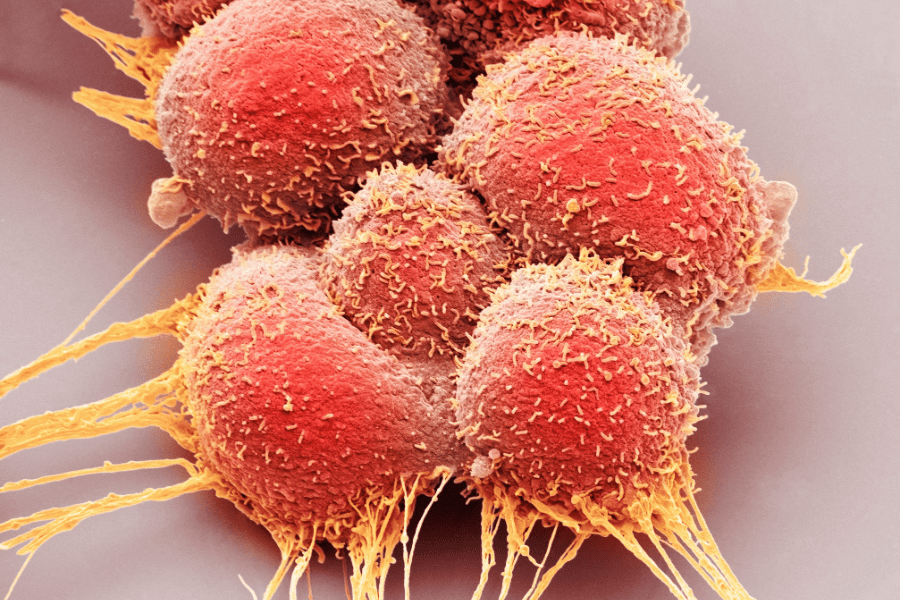
What is malignant neoplasm? It's the medical term for cancer - abnormal cells that grow uncontrollably, invade nearby tissues, and can spread to distant organs.
The word "neoplasm" means "new growth." When doctors describe this growth as malignant, they mean it behaves aggressively: it doesn't respect normal tissue boundaries, destroys healthy cells, and has metastasis potential.
Is malignant neoplasm cancer? Yes, absolutely. This contrasts with a non-malignant neoplasm (benign tumour), which grows slowly, stays localised, and rarely threatens life unless pressing on vital structures.
Keycharacteristics of malignantneoplasm
Characteristics of malignant neoplasm distinguish it from benign growths:
•Uncontrolled growth
Cells divide rapidly without normal regulation.
•Invasion
Cancer breaks through tissue barriers and infiltrates surrounding organs.
•Metastasis
Cells travel through bloodstream or lymphatics to form new colonies elsewhere.
•Anaplasia
Cells become less specialised and more primitive.
•Poor differentiation
Cells lose their normal structure and function.
Who does a malignantneoplasmaffect?
Cancer affects people of all ages, though risk increases with age. In India, common cancers include oral cavity cancer (often linked to tobacco and betel nut), breast cancer in women, lung cancer in men, and cervical cancer.
Genetics, lifestyle factors, and environmental exposures all influence individual risk. Some people with multiple risk factors never develop cancer, while others with minimal risk do.
Types of malignant neoplasm fall into major categories:
•Carcinomas
Cancers of epithelial tissue (skin, glands, organ linings). Malignant epithelial neoplasm represents about 85% of all types of cancer . Examples include breast, lung, colon, prostate cancers.
•Sarcomas
Cancers of connective tissue like bone, cartilage, fat, muscle.
•Leukaemias
Blood cancers starting in bone marrow.
•Lymphomas
Cancers of the lymphatic system.
•Myelomas
Cancers of plasma cells.
The distinction between primary malignant neoplasm (where cancer first develops) and secondary malignant neoplasm (metastatic spread from elsewhere) matters greatly for treatment planning.
Symptoms and earlywarningsigns
Malignant neoplasm symptoms vary by location and stage, but certain warnings deserve immediate attention:
•Unexplained weight loss
Losing 5kg or more without trying.
•Persistent fatigue
Cancer fatigue that doesn't improve with rest.
•Unusual lumps or swelling
Any new mass that grows or doesn't resolve within 2-3 weeks.
•Changes in bowel or bladder habits
Persistent diarrhoea, constipation, or blood in stool/urine.
•Non-healing sores
Wounds that don't heal within 3-4 weeks, especially in the mouth.
•Unexplained bleeding
Blood in cough, vomit, stool, urine, or nipple discharge containing blood.
•Persistent pain
Pain that worsens over time without clear cause.
•Changes in moles
Growing, changing colour, or bleeding.
•Difficulty swallowing
Especially with weight loss.
•Persistent cough or hoarseness
Lasting more than 3 weeks.
Nausea and vomiting can occur with certain cancers. Many cancer symptoms are non-specific, but persistent symptoms warrant evaluation.
Causes and risk factors of malignant neoplasm
Nausea and vomiting can occur with certain cancers. Many cancer symptoms are non-specific, but persistent symptoms warrant evaluation.
•Tobacco use
Single biggest preventable risk in India. Smoking, gutka, pan masala all increase risk.
•Alcohol consumption
Heavy drinking increases mouth, throat, liver, breast cancer risk.
These factors often work together - tobacco plus alcohol multiplies mouth cancer risk beyond either alone.
Howmalignantneoplasmsspread
Malignant neoplasm progression follows predictable patterns. Initially, cancer grows locally, invading nearby tissues. Cells then enter blood vessels or lymphatic channels, travel through the body, and lodge in distant organs where they establish new colonies.
Common metastasis sites include lungs, liver, bones, and brain, though specific patterns vary by cancer type.
Diagnosis and tests
Diagnosing cancer involves:
•Medical history
Symptoms, duration, family history, risk factors.
•Physical examination
Looking for lumps, skin changes, organ enlargement.
•Imaging tests
X-rays, CT scans, MRI, PET scans, ultrasound.
•Biopsy
Removing tissue sample for microscopic examination—the definitive test.
•Blood tests
Markers and general health indicators.
•Endoscopy
Using cameras to examine internal organs.
In India, accessing advanced facilities varies by location. Major cities have comprehensive cancer centres, while rural areas may require referral.
Staging and grading of malignantneoplasms
After confirming cancer, doctors determine:
•Stage
How far cancer has spread (typically 0-IV). Early stages (I-II) remain localised; advanced stages (III-IV) involve regional or distant spread.
•Grade
How abnormal cells look under microscope. Low-grade cancers resemble normal tissue; high-grade cancers look very abnormal and behave more aggressively.
These factors heavily influence treatment decisions and prognosis.
Treatmentoptions for malignantneoplasms
Malignant neoplasm treatment depends on cancer type, stage, location, and patient health:
•Surgery
Removing the growth and surrounding tissue. Primary treatment for many localised cancers.
•Chemotherapy
Drugs that kill rapidly dividing cells throughout the body.
•Radiation therapy
High-energy beams that destroy cancer cells in specific areas.
•Targeted therapy
Drugs that attack specific molecular abnormalities.
•Immunotherapy
Treatments that boost immune system's ability to fight cancer.
•Hormone therapy
For cancers influenced by hormones (breast, prostate).
Most patients receive combination cancer treatment tailored to their situation. Indian oncologists increasingly use evidence-based protocols aligned with international guidelines while considering cost and access.
Treatment can cause side effects, including fatigue, hair loss, and changes in appetite, which require supportive care.
Malignantneoplasmsurvivalrates & prognosis
Malignant neoplasm survival rate varies enormously by type and stage:
•Early breast cancer (stage I)
5-year survival 90-95%
•Advanced lung cancer (stage IV)
5-year survival 5-10%
•Early colorectal cancer
5-year survival 85-90%
•Pancreatic cancer
5-year survival 10-12%
Stage at diagnosis makes the biggest difference. Cancers caught early often have excellent survival rates.
Individual factors also matter: age, overall health, cancer biology, response to treatment. In India, later-stage diagnosis remains common due to limited screening and delayed presentation.
Prevention & riskreductionstrategies
While not all cancers are preventable, you can significantly reduce risk through lifestyle modifications:
•Quit tobacco
Single most important step. Smoking, gutka, pan masala, betel quid all dramatically increase risk. Even secondhand smoke exposure matters.
•Limit alcohol
Moderate consumption only. Heavy drinking increases multiple cancer risks.
•Maintain healthy weight
Through balanced diet and regular physical activity. Obesity links to many cancer types.
•Eat nutritious diet
Plenty of fruits, vegetables, whole grains. Limit processed and red meat consumption.
•Exercise regularly
At least 150 minutes weekly of moderate activity like brisk walking.
•Protect from sun
Use sunscreen with SPF 30+, avoid midday sun exposure, wear protective clothing.
Mammograms for breast cancer, Pap smears for cervical cancer, and colonoscopies for colon cancer, as recommended based on age and risk factors.
•Avoid environmental toxins
Limit exposure to pollutants, pesticides, asbestos when possible.
These evidence-based strategies reduce but don't eliminate risk. Some cancers develop despite healthy lifestyle choices.
Reach out to oncologyexperts for malignantneoplasms
Understanding this diagnosis helps you navigate treatment with clarity rather than fear. Modern medicine offers increasingly effective treatment options for malignant neoplasms tailored to cancer type, stage, and individual patient factors.
Early detection makes the biggest difference in outcomes, which is why recognising warning signs like unexplained weight loss, persistent fatigue, unusual lumps, or non-healing sores matters so much.
If you or a loved one faces this diagnosis, remember that support from experienced medical teams, combined with your own informed participation in treatment decisions, gives you the best chance for positive outcomes.
Consult experienced oncologists for expert evaluation if you're facing this diagnosis.
Questions
Frequently Asked Questions
What is the difference between neoplasm and cancer?+
All cancers are neoplasms (abnormal growths), but not all neoplasms are cancerous. Benign neoplasms grow slowly and stay localised, while malignant ones invade tissues and spread.
Can cancer spread to other organs?+
Yes, metastasis is a defining feature. Cancer cells break away, travel through blood or lymph, and establish new colonies in distant organs.
Can genetics increase the risk of malignant neoplasm?+
Yes, inherited mutations (like BRCA1/2 for breast cancer) significantly increase risk. However, most cancers result from acquired mutations caused by lifestyle and environment rather than inherited genes.