Education5 min read
Vitamin B1 Thiamine Supplements: Nerve Function & Cancer Recovery Support
Dr. Vrundali Kannoth

What if something as simple as a vitamin deficiency could influence how your body responds to cancer? This is a common question, particularly if you’re facing a cancer diagnosis and looking for ways to support your well-being.
But the good news is that the connection between low Vitamin D and cancer is among the most researched topics. Vitamin D is also a manageable, affordable, and powerful tool that you can understand and control.
In this article, we’ll explore what research says about the role of Vitamin D in cancer, types of cancer, and how much you really need.
Vitamin D are available at the Everhope store — reviewed for use during cancer care.
For decades, scientists noticed something curious: people living in sunnier parts of the world seemed to have lower rates of certain cancers, like colon and breast cancer.
This led to a huge realisation. Since our skin makes Vitamin D when it is exposed to sunlight, researchers wondered if Vitamin D and cancer had a correlation.
Vitamin D doesn’t prevent every single cancer from starting. But the most recent studies show that having enough Vitamin D lowers the risk of cancer becoming advanced.
In simple terms, research into Vitamin D and cancer suggests that it helps make sure that if a problem does start, your body is much better equipped to keep it from spreading.
Vitamin D is a fat-soluble nutrient that helps regulate calcium, support bones, and strengthen immunity. Even though it’s a vitamin, Vitamin D actually acts more like a hormone. Your body can get it in three ways:
Once Vitamin D enters your system, it goes through a double activation process in your liver and kidneys to become its active version, calcitriol.
From there, it travels through your body looking for Vitamin D Receptors. These receptors are like little docking stations found on almost every cell in your body. They are also present in your immune cells and the cells in your breasts and colon.
When Vitamin D docks at these stations, it sends out four very important signals to your cells:
| What Vitamin D does | How it helps prevent cancer |
|---|---|
| Stops fast cell growth | It prevents abnormal cells from multiplying too quickly |
| Makes damaged cells self-destruct | It instructs badly damaged or mutated cells to "turn themselves off" before they can become a tumour (a process called apoptosis). |
| Blocks tumour feeding & spreading | It tries to prevent tumours from growing new blood vessels to steal nutrients. |
| Strengthens the immune attack | It improves the body’s natural defence against tumours |
This is what happens when you have sufficient Vitamin D in your body, but what’s the relation between low Vitamin D and cancer?
Vitamin D deficiency and cancer risk are widely studied, especially in populations with limited sun exposure. However, even in sunny places like India, nearly 490 million people don't have enough.
This happens because of:
This introduces an increased risk of some types of cancers, like:
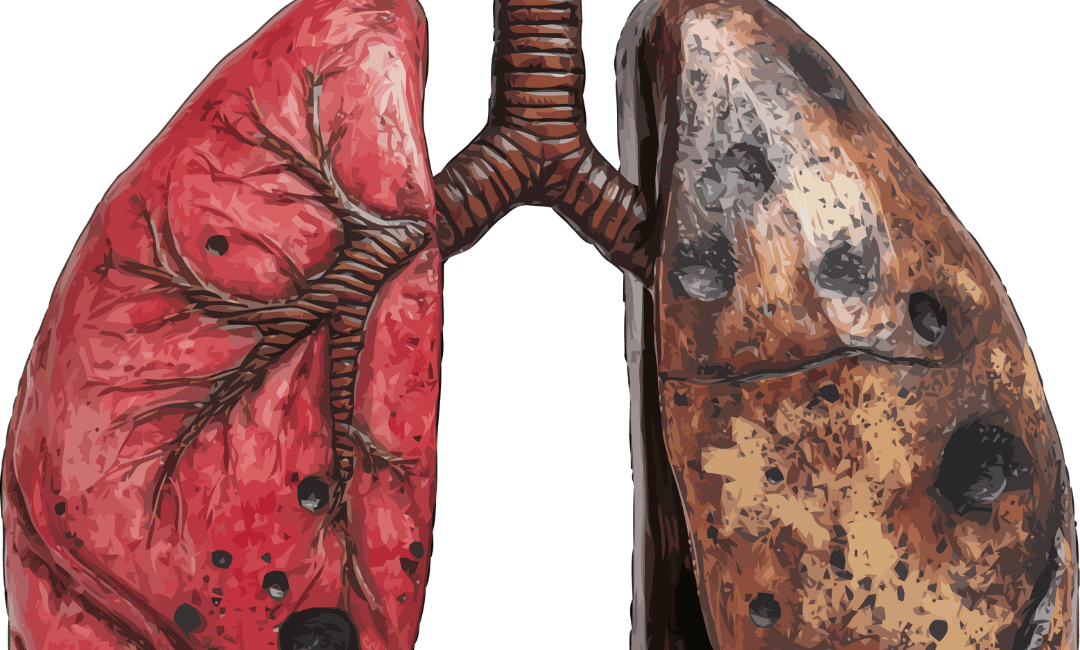
For lung cancer, low Vitamin D is often an alarming sign for your body. While a deficiency might not cause the cancer directly, it’s a sign that your body’s immune system might be down.
Patients with higher levels of Vitamin D usually handle treatment better and have better cancer recovery journeys.
Vitamin D helps keep the lining of your gut strong and calms down inflammation, which is often the fuel that cancer uses to grow.
People with higher levels of Vitamin D generally have much lower rates of colon cancer.
Women with higher Vitamin D levels generally have a lower risk of developing aggressive types of breast cancer.
It seems particularly helpful for estrogen-receptor-positive (ER+) tumours. Even if a diagnosis happens, having high Vitamin D levels at that moment is linked to better survival rates and less aggressive tumours.

The prostate cancer and Vitamin D connection shows a U-shaped curve, meaning both very low levels and very high levels might increase risk. For men, it’s not about the more, the better, but about finding that perfect middle ground of sufficiency.
Here is something very important that you should know: Severe Vitamin D deficiency can sometimes "mimic" the symptoms of cancer.
When your Vitamin D is dangerously low, your body can’t absorb calcium. To fix this, your body steals calcium from your bones. This can cause:
There have been many cases where patients were terrified because their X-rays looked like metastatic bone cancer, only for oncologists to realise it was just a severe Vitamin D deficiency.
Once they took a high-dose supplement, their bones healed, and the pain vanished. This is why recognising Vitamin D deficiency cancer symptoms is especially important.
A landmark study showed that supplementation supported Vitamin D and cancer prevention by reducing the risk of it becoming fatal or spreading (metastatic) by about 17%. This, however, comes with a few considerations:
Vitamin D supplementation works amazingly well for people with a normal BMI. However, for those who are overweight or obese, supplementation didn't seem to work as well.
This is because Vitamin D is fat-soluble. And if you have substantial body fat, it can get stored deep inside your adipose tissues, and can’t get into the bloodstream to do its job. Those may need a higher dose to see the same protective benefits.
Incorporating anti cancer fruits like grapefruit or berries can help support metabolic health as well.
It’s better to take Vitamin D supplements every day instead of taking a huge dose once a month. Taking a daily supplement (like 1,000 to 2,000 IU) keeps your levels steady and aids in Vitamin D and cancer treatment.
A specialised diet for cancer patients may also be beneficial to match recommended levels.
While it’s tempting to take a lot, Vitamin D can be toxic in very high doses. It can cause too much calcium to build up in your blood, leading to kidney stones or heart issues.
Always stick to the upper limit of 4,000 IU per day unless your unless prescribed under supervision as part of Vitamin D and cancer treatment support.

Finding the right amount depends on health status, especially when planning supplementation for Vitamin D for cancer patients. Here is a quick guide based on 2025 medical standards:
| Group | Recommended Daily Amount | Target Blood Level |
|---|---|---|
| General Adults | 600 – 2,000 IU | Above 30 ng/mL |
| Seniors (70+) | 800 – 2,000 IU | 30 - 50 ng/mL |
| Pregnant Women | 4,000 IU (per Indian Guidelines) | 40 - 60 ng/mL |
| People with Obesity | May need 2x - 3x more | Consult your healthcare professional |
Vitamin D is a silent partner in your long-term health, acting as a vital anchor for your immune system. Despite some beliefs that Vitamin D cures cancer, it’s a myth. However, keeping your levels steady gives your immune system the fuel it needs to keep cells healthy and help you recover faster.
Managing Vitamin D and cancer concerns doesn't have to be a lonely journey. Working with an oncology nutrition team alongside modern treatment can help you stay supported.
With a personalised nutrition and cancer care plan, you can take charge of your well-being and move forward with confidence.