+918929672099
Call Us
Bronchogenic Carcinoma: Symptoms, Treatment & Lung Cancer Facts
Dr. Vrundali Kannoth|5 min read|
A diagnosis can stop time. One moment, everything is normal. Next, you're staring at a word you can barely pronounce, let alone understand.
If bronchogenic carcinoma has just entered your world, either as your own diagnosis or a loved one's, take a breath. You deserve clear answers.
This is a lung cancer originating in the lung's airways, and while that's not easy news, knowing exactly what you're dealing with is the first step towards facing it. Let this blog be that starting point.
What is bronchogenic carcinoma?
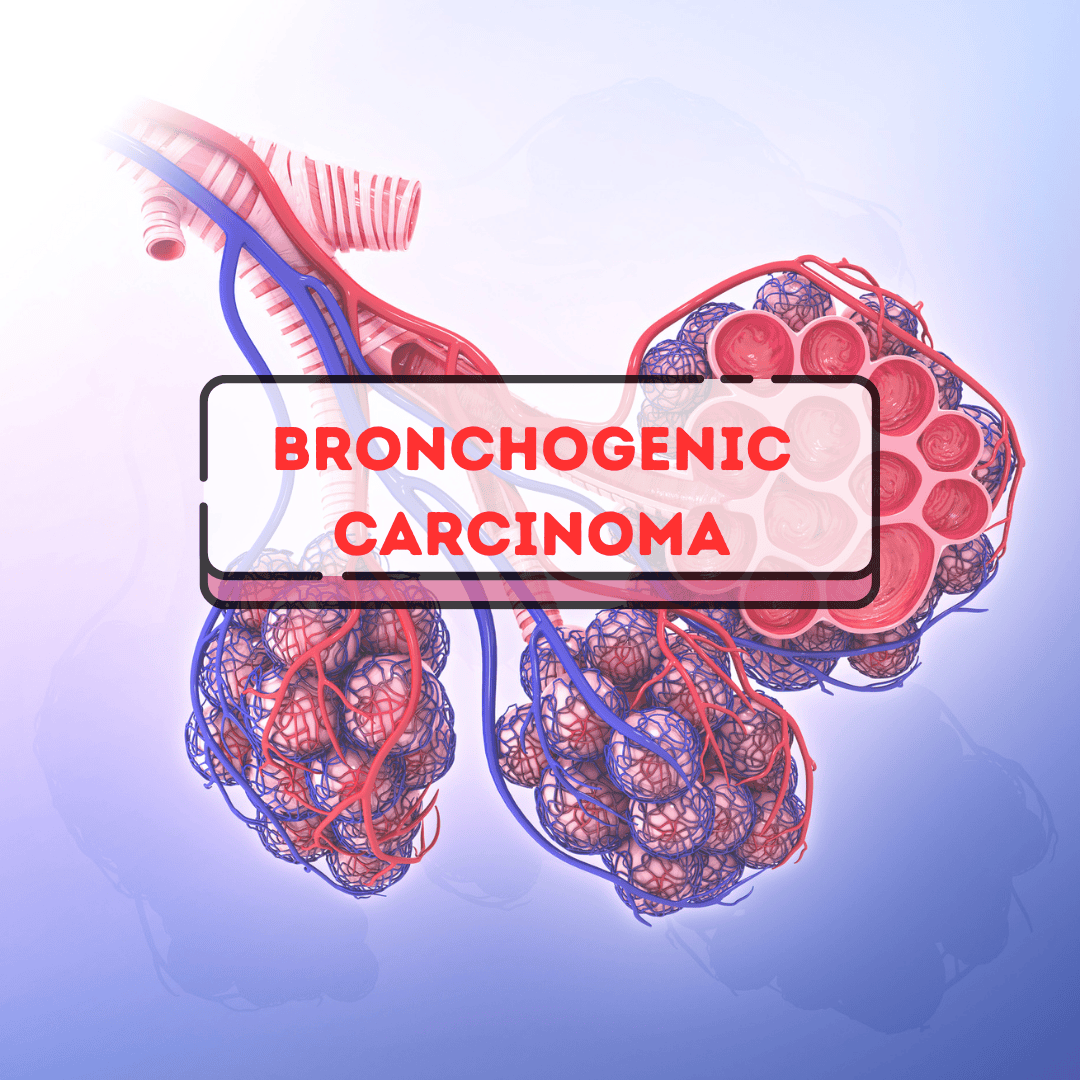
It is a malignant tumour originating in the epithelial lining of the bronchi or bronchioles - the airways that carry air into your lungs. In simple terms, it is the most common form of lung cancer that develops from the cells responsible for carrying air in and out of the lungs.
The bronchogenic carcinoma meaning in literal terms, ‘broncho’ refers to the airways, ‘genic’ means arising from. It accounts for nearly 90% of all primary lung cancers.
Here’s how it develops:
- •The bronchial lining constantly renews itself through cell division.
- •Prolonged exposure to irritants (smoke, toxins, or carcinogens) damages the DNA within these cells.
- •Damaged cells begin dividing uncontrollably, forming an abnormal mass.
- •Over time, this mass invades surrounding lung tissue and, if untreated, spreads beyond the lungs.
Bronchogenic carcinoma prognosis is not the same as that of cancers that spread to the lungs from elsewhere. Those are secondary lung cancers and are treated differently. This is a primary cancer - born within the lung's own tissue. It is broadly divided into two major groups: small cell and non-small cell.
Bronchogenic carcinoma types
Understanding the bronchogenic carcinoma types begins with how the cancer cells look under a microscope. This determines how aggressive it is, how it spreads, and how it's treated.
Small Cell Lung Cancer (SCLC)
Small Cell Lung Cancer is the more aggressive of the two main categories. It is strongly associated with smoking, characterised by rapid growth and early metastasis.
SCLC typically originates in the central airways and responds initially to chemotherapy, though recurrence is common. SCLC accounts for roughly 15% of all bronchogenic carcinoma cases.
Non-Small Cell Lung Cancer (NSCLC)
Non- Small Cell Lung Cancer accounts for approximately 85% of all cases and is the most common bronchogenic carcinoma. It grows more slowly than SCLC and is more likely to be diagnosed before widespread spread has occurred. It is divided into three main subtypes:
- Adenocarcinoma: The most common histological subtype, most frequently diagnosed in non-smokers, and typically found in the outer regions of the lung. Adenocarcinoma lung tumours are more common in women and younger patients.
- Squamous cell carcinoma: A central tumour, typically presenting as a hilar mass, atelectasis, or pneumonia. Strongly linked to smoking and more prevalent in men.
- Large cell carcinoma: Generally a peripheral lesion, manifesting as a solitary nodule or mass. It is the least common NSCLC subtype and tends to grow and spread quickly.
Brochogenic carcinoma classification
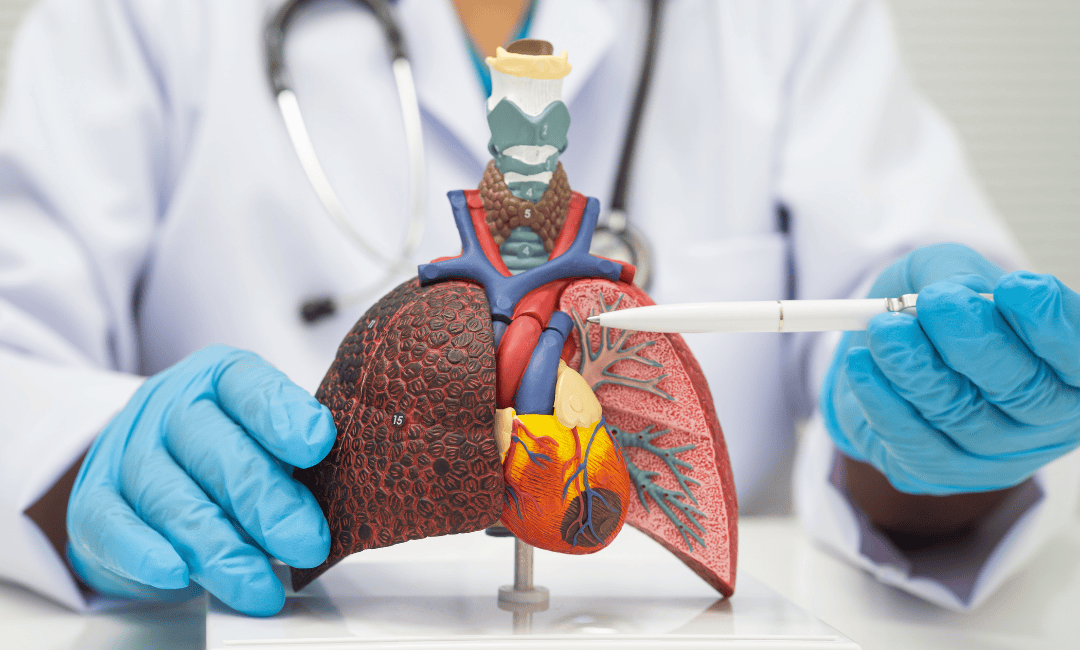
The classification of bronchogenic carcinoma is based on two key factors - the tumour's cellular characteristics and the extent of its spread within the body.
Medical classification based on tumour characteristics
Bronchogenic carcinoma classification in clinical medicine is based on three factors:
- •Histological type:Determined by examining tumour tissue under a microscope to identify cell structure and behaviour.
- •Molecular characteristics:Immunohistochemical staining is used to classify cancers that may not have typical features on light microscopy alone, which has become critical with the rise of targeted therapies
- •TNM staging:Accounts for tumour size and extent (T), lymph node involvement (N), and presence of metastasis (M).
Staging
Another key part is bronchogenic carcinoma staging, which describes how far the cancer has spread:
- •Stage I:Limited to the lungs
- •Stage II-III:Spread to nearby tissues or lymph nodes
- •Stage IV:Spread to distant organs
Bronchogenic carcinoma causes and risk factors
The causes almost always trace back to prolonged exposure to carcinogens that damage airway cell DNA over time.

The established bronchogenic carcinoma risk factors are:
- •Smoking:Responsible for 80-90% of all cases. Smoking causes cancer by introducing chemicals that directly trigger DNA mutations in bronchial cells. Passive smoking raises risk by 20-30%.
- •Radon gas:The second most common cause, seeping silently through soil into homes and buildings.
- •Occupational exposure:Asbestos, arsenic, chromium, and nickel are all established carcinogens.
- •Air pollution:Long-term exposure to fine particulate matter is a recognised risk.
- •Radiation therapy:Prior chest radiation for other cancers increases susceptibility
- •Genetic predisposition:A family history of lung cancer raises an individual's risk.
- •Pre-existing lung disease:Conditions like pulmonary fibrosis increase risk independently of smoking.
Bronchogenic carcinoma signs and symptoms
One of the biggest challenges with bronchogenic carcinoma symptoms is that early-stage disease rarely causes noticeable symptoms.
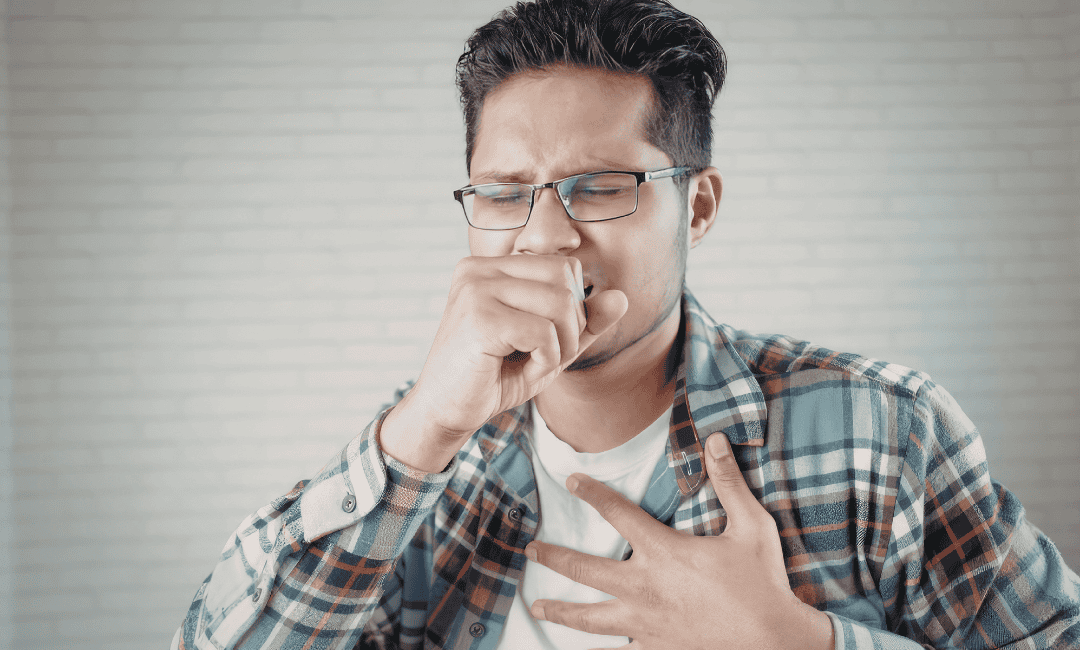
Any of the following warrants prompt medical attention:
- Persistent cough that worsens over time
- Coughing up blood (haemoptysis)
- Unexplained breathlessness
- Chest pain or tightness
- Hoarseness or voice changes
- Recurring chest infections
- Unexplained weight loss and fatigue
- Bone pain or neurological changes - signs of metastatic lung cancer
- Swelling in the face or neck due to pressure on the surrounding blood vessels
The early phase of bronchogenic carcinoma may not produce noticeable symptoms. However, as the condition progresses, certain warning signs may appear. These may overlap with general lung cancer symptoms, which is why proper evaluation is essential.
Bronchogenic carcinoma diagnosis
Timely and accurate diagnosis plays a major role in improving outcomes.
| Diagnostic method | What it does | When it’s used |
|---|---|---|
| Chest X-ray | First-line test; detects abnormal masses or nodules | Initial screening |
| CT scan | Precisely characterises tumour size, extent, and staging | Following an abnormal chest X-ray |
| PET scan | Identifies metabolically active cancer cells; detects spread to lymph nodes or distant organs | Staging and treatment planning |
| Bronchoscopy | A flexible tube with a camera passes through the airways; used to visualise tumours and obtain a bronchogenic carcinoma specimen | Central tumours accessible via airways |
| CT-guided needle biopsy | Radiologists use CT guidance to insert needles through the chest wall to obtain tissue samples | Peripheral tumours not reachable by bronchoscopy |
| Sputum cytology | Examines coughed-up mucus under a microscope for cancer cells | Non-invasive first step; best for central tumours |
| Surgical biopsy (VATS) | Video-Assisted Thoracoscopic Surgery provides definitive tissue diagnosis | When other biopsy methods are inconclusive |
| Molecular testing | Identifies specific mutations in tumour tissue to guide targeted therapy | After tissue diagnosis is confirmed |
Bronchogenic carcinoma treatment
The choice of treatment depends on the stage, type, and overall health of the patient.
| Treatment | How it works | When it’s used |
|---|---|---|
| Surgery | The tumour is physically removed - either part of the lung or the whole lung, depending on spread | Early-stage NSCLC in patients healthy enough for an operation |
| Radiation therapy | Powerful energy beams are directed at the tumour to kill cancer cells in that area | When surgery isn't possible; alongside chemotherapy in advanced cases |
| Chemotherapy | Medicines given through a drip or tablets that travel through the body, killing cancer cells | Most stages; often used before or after surgery |
| Targeted therapy | Drugs that specifically attack the genetic mutations driving that particular cancer | NSCLC patients whose tumour has a confirmed mutation such as EGFR or ALK |
| Immunotherapy | Boosts the body's own immune system so it can recognise and fight the cancer itself | Advanced or returning NSCLC; sometimes paired with chemotherapy |
| Stereotactic Body Radiation (SBRT) | Very precise, high-dose radiation delivered in just a few sessions | Early-stage patients who are not well enough for surgery |
| Palliative care | Focuses on relieving symptoms and side effects rather than treating the tumour | Any stage - especially advanced or metastatic disease |
These approaches are part of broader cancer treatment strategies used in oncology. Outcomes are often discussed in terms of lung cancer survival rates, which vary widely depending on early detection.
Bronchogenic carcinoma is most beatable when found early
Once you are aware of bronchogenic carcinoma, the path forward gets clearer. This is a cancer that behaves differently in every person, which is exactly why the type, stage, and molecular profile matter so much before any treatment decision is made.
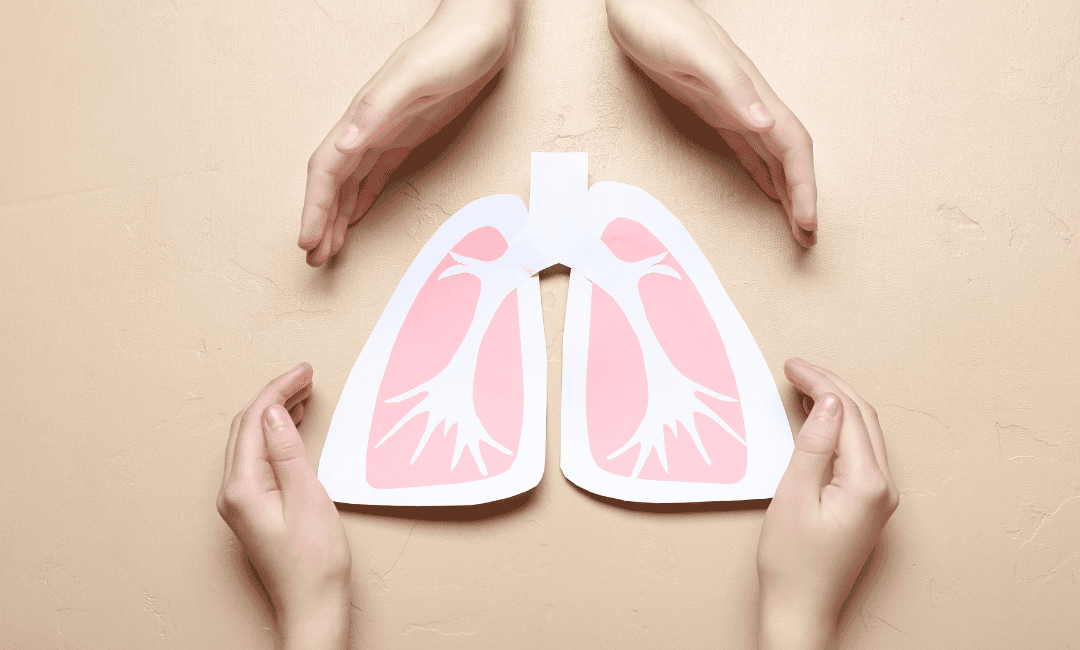
What we do know for certain is that the earlier it is caught, the more options there are. Symptoms are easy to dismiss as something minor, and that delay is often what costs people time. A persistent cough or unexplained weight loss is worth one conversation with a doctor.
If something doesn't feel right, trust that instinct. Consult oncology doctors to get the right guidance and support through every step of this journey.
FAQs
Yes, even without smoking history, environmental exposure, and genetic factors can contribute to the disease.
Related Blogs

Symptoms6 min read
Skin Clues You Shouldn’t Ignore: Rare Lung Cancer Symptoms on Skin
Dr. Vrundali Kannoth
Prevention5 min read
Air Pollution and Lung Cancer: Risks, Progression, and What Patients Should Do
Dr. Vrundali Kannoth