
Call Us
Buccal Mucosa Cancer: Symptoms, Diagnosis and Treatment

Buccal Mucosa Cancer: Symptoms, Diagnosis and Treatment

title image

Dr. Vrundali Kannoth5 minutes16 Jan 2026

Buccal Mucosa Cancer: Symptoms, Diagnosis and Treatment

You notice a small white patch inside your cheek while brushing. Maybe there's a rough spot that your tongue keeps finding. Or perhaps chewing on one side has become uncomfortable.

Most of us don't think much about the inside of our cheeks until something feels wrong. That soft, pink tissue lining both sides is called the buccal mucosa. It plays a quiet but important role in everything from eating to speaking. Usually, minor irritations here heal on their own within days.

But when changes persist, or new lumps appear, it could be buccal mucosa cancer, though that's not always the case.

In this guide, we discuss the buccal mucosa meaning, how to recognise warning signs, and the available treatment options.
What is buccal mucosa cancer?

image

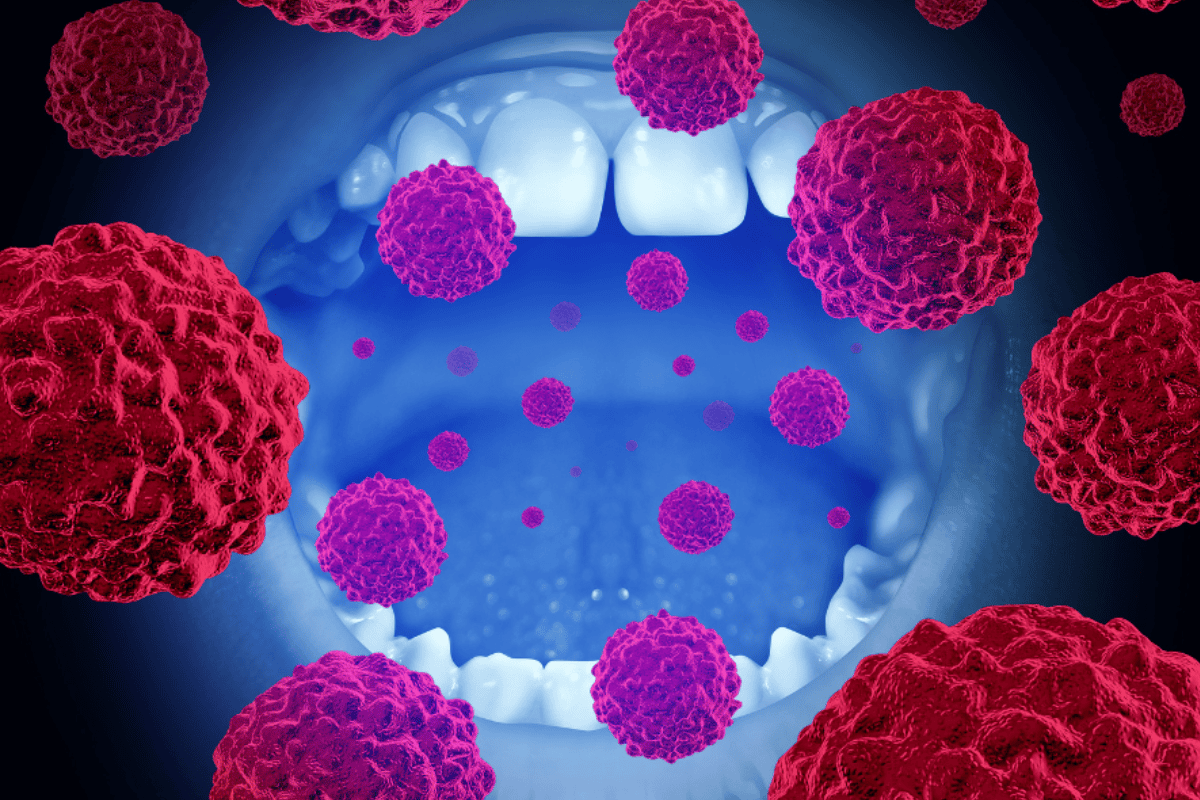
Buccal mucosa is the tissue between your upper and lower teeth, running from the corners of your mouth.

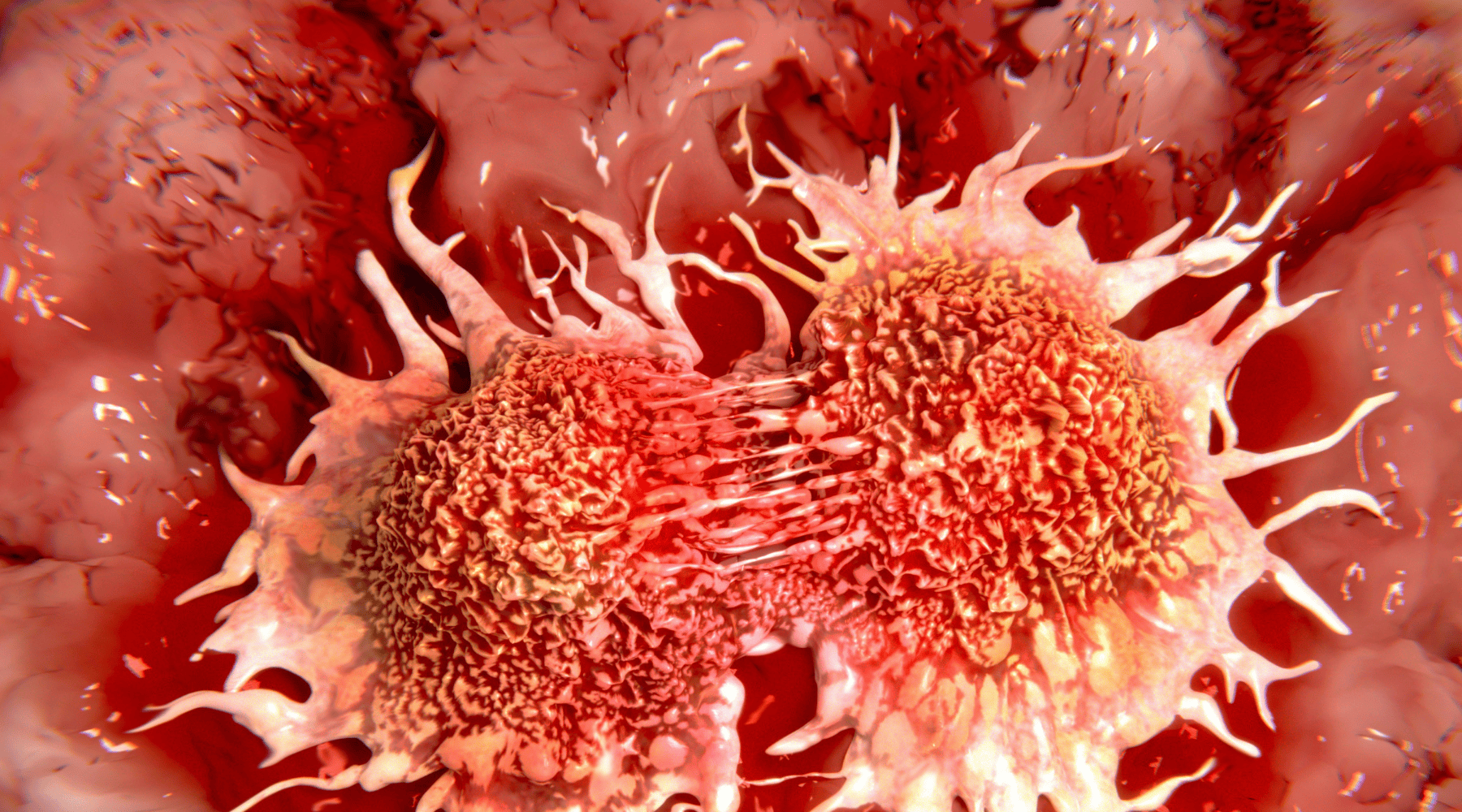
Normal buccal mucosa appears smooth, moist, and uniformly pink, though it can vary slightly in colour depending on your skin tone. When cells in this lining mutate and grow uncontrollably, they turn cancerous. It's classified as oral cancer and falls under the broader category of ^head and neck cancer^Normal buccal mucosa appears smooth, moist, and uniformly pink, though it can vary slightly in colour depending on your skin tone. When cells in this lining mutate and grow uncontrollably, they turn cancerous. It's classified as oral cancer and falls under the broader category of head and neck cancer. .

In India, research suggests buccal mucosa is the most common site for oral cancer in the North, East, Central, and West regions, particularly among tobacco users.

Types of buccal mucosa cancer

The most common type is squamous cell carcinoma buccal mucosa, which begins in the flat cells lining the inner cheek. This accounts for over 90% of CA buccal mucosa cases.

Some other less common types of cancer include:

  • Verrucous carcinoma
    This slow-growing cancer appears as a white, warty bump on your cheek and rarely spreads beyond the original site.
  • Minor salivary gland tumours
    Cancer starting in the tiny saliva glands scattered throughout your cheek lining, requiring different treatment than typical buccal cancer.
  • Melanoma
    The same aggressive skin cancer that appears on the skin, but inside your mouth, it shows up as dark patches.

Knowing the specific type helps doctors select the right cancer treatment approach. Some types respond better to specific therapies than others.

Signs of buccal mucosa cancer

Early buccal mucosa cancer symptoms can be easy to dismiss. Many people assume they're dealing with a mouth ulcer or minor injury that will heal on its own.

image

But here are some signs that you should watch for and seek proper care:

  • Buccal mucosa lump
    A thickening or small mass you can feel with your tongue. It may be firm and doesn't move easily.
  • Buccal mucosa pain
    Discomfort that persists beyond a few days, especially while eating or talking. Pain may radiate to the ear on the same side.
  • Buccal mucosa swelling
    The cheek lining appears raised, uneven, or feels different from the other side. While buccal mucosa swelling causes can include simple injuries or infections, if it stays for more than a few days, get it checked.

Other warning signs include:

  • White or red patches that don't go away
  • Bleeding without obvious injury
  • Numbness in part of the mouth
  • Difficulty moving your jaw or tongue
  • Unexplained weight loss

Whether changes appear on the left buccal mucosa or the right buccal mucosa doesn't matter medically. Cancer can develop on either side, depending on where the most irritation occurs. If you notice changes on either side lasting more than two weeks, consult a doctor.

Causes of buccal mucosa cancer

image

When it comes to buccal mucosa cancer causes, there are many risk factors at play, including:

  • Tobacco use
    Gutka, paan masala, khaini, and smoking create constant irritation in your mouth, with chemicals damaging your cell DNA over time. It can also cause tobacco cancer .
  • Alcohol consumption
    Heavy drinking dramatically raises your risk, especially when you combine it with tobacco products.
  • Betel quid and areca nut
    Chewing paan with or without tobacco causes repeated trauma to your cheek lining that builds up over the years.
  • HPV infection
    Some strains of human papillomavirus can trigger mouth cancer, though this happens less often in the buccal mucosa specifically.
  • Chronic irritation
    Sharp teeth, poorly fitted dentures, or constant buccal mucosa cheek biting create ongoing damage that can lead to abnormal cell growth.
  • Poor oral hygiene
    Skipping dental care leads to infections and sores that never fully heal, raising your cancer risk over time.

Buccal mucosa cancer vs common mouth problems

Not every mouth change means cancer.

Cheek biting leaves white lines and sore spots that heal within days once you stop. A buccal mucosa infection from bacteria or fungi causes redness and pain, but clears up fast with antibiotics or antifungal medication.

Regular mouth ulcers have clean borders, hurt quite a bit, and disappear in 7-10 days without treatment.

image

However, cancer behaves differently. It doesn't heal on its own - it keeps growing. The edges look ragged and irregular, not clean like an ulcer. Early-stage cancer often doesn't hurt, which is precisely why people ignore it until it's advanced.

If something in your mouth hasn't healed in weeks, it’s important to seek medical attention.

Stages of Buccal Mucosa Cancer

Doctors use CA buccal mucosa staging to determine how far the cancer has spread and to guide treatment decisions.

  • Stage 0 (carcinoma in situ)
    Abnormal cells are limited to the top layer and have not invaded deeper.
  • Stage I
    A small, early tumour with no lymph node spread and no distant spread.
  • Stage II
    The tumour is larger or deeper than stage I, but still has not spread to lymph nodes or distant organs. (DOI can upstage a smaller tumour.)
  • Stage III
    A bigger or deeper tumour, and/or spread to one nearby lymph node on the same side (limited nodal spread).
  • Stage IV
    Cancer has spread to multiple lymph nodes, invaded nearby structures like bone, or become metastatic cancer, reaching distant organs.

Recovery, prognosis, and survival rate

A question that often pops up in people’s minds: buccal mucosa cancer is curable or not. The answer depends heavily on when it's caught and how it responds to treatment.

  • Stage I
    Over 90% of patients survive five years when treated early
  • Stage II
    90% reach the five-year mark
  • Stage III
    70-80% make it to five years
  • Stage IV
    60% survive five years (these rates include salvage treatment for recurring cases)

However, your individual buccal mucosa cancer prognosis depends on multiple factors: tumour size, location, and your overall health.

image

Beyond cancer treatment, your recovery involves speech and swallow therapy to help you eat normally and talk clearly again. You'll need nutritional guidance on which foods are safe to start with and which ones to avoid while your mouth heals.

Jaw exercises and physiotherapy prevent permanent stiffness from radiation, which limits how wide you can open your mouth. Dental follow-up is also important because treatment damages teeth, weakens gums, and can cause jawbone loss.

Don’t worry, your care team will clearly map out your specific recovery plan. They'll tell you when to start each type of therapy and connect you with the right specialists.

Diagnosis of buccal mucosa cancer

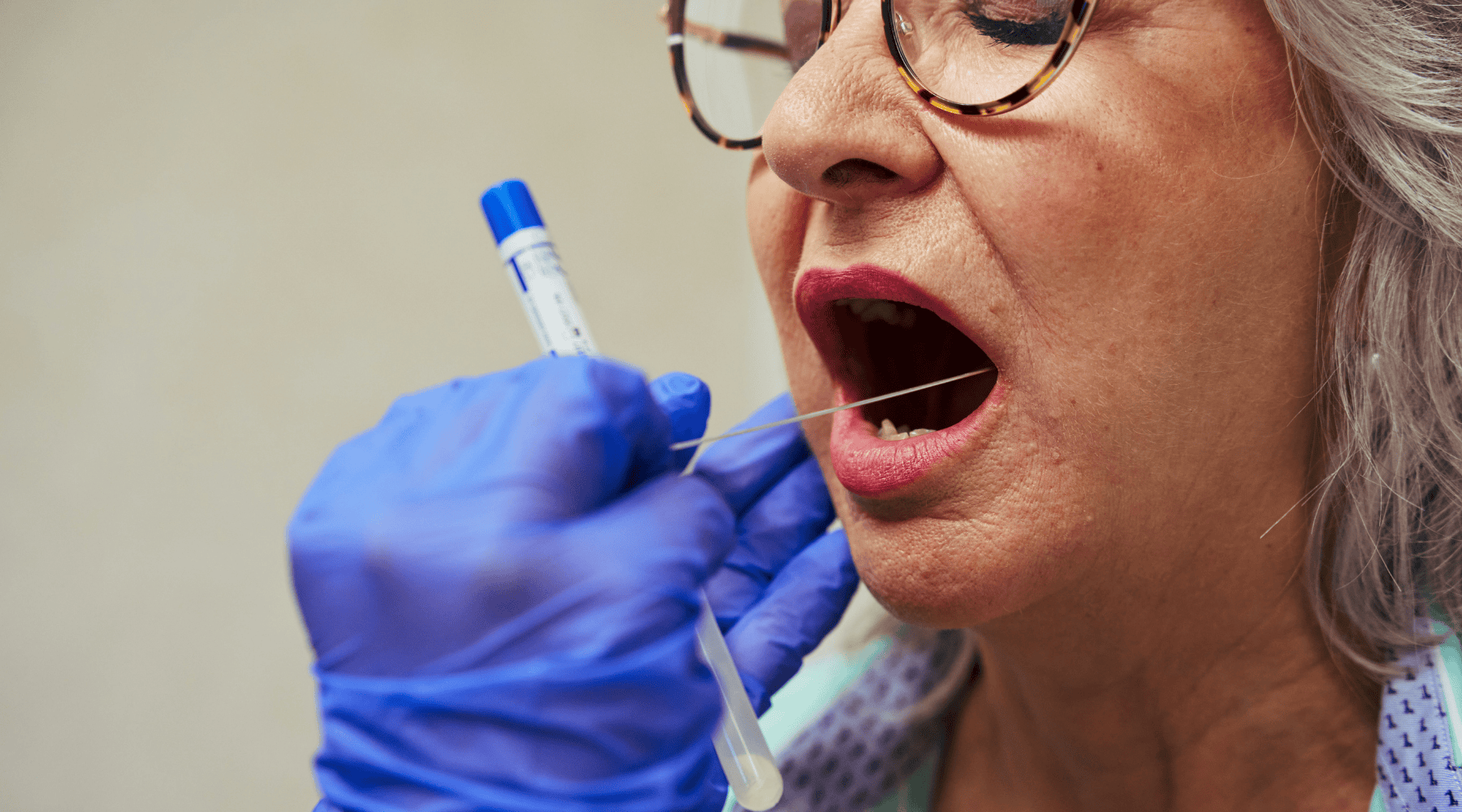
If your oncology doctors suspect something concerning, they use several tests to confirm what's happening. The process starts with a physical examination, checking for lumps and examining lymph nodes. The biopsy might be used to obtain a tissue sample and check for CA buccal mucosa.
image

Imaging tests help your doctor to grasp the whole picture further:

  • CT or MRI scans
    show tumour size and tissue invasion
  • PET scans
    detect "metastatic cancer" in distant organs
  • X-rays
    check for bone involvement

Moreover, endoscopy examines your throat to check if cancer has spread beyond the cheek. This comprehensive head and neck cancer diagnosis ensures nothing gets missed before cancer treatment begins.

How is Buccal mucosa cancer treated?

Buccal mucosa cancer treatment depends on the stage, location, and your body. Most care plans combine multiple approaches based on your specific case.

  • Buccal mucosa surgery
    Surgeons remove the tumour along with some healthy tissue around it. In advanced cases, they might need to take out part of your jawbone or rebuild your cheek using tissue from another part of your body.
  • Radiation therapy
    High-energy beams go after cancer cells that surgery might have missed, or it is used as the main treatment when surgery isn't an option for you.
  • Chemotherapy
    Chemotherapy drugs kill fast-growing cells throughout your body and work best when paired with radiation for advanced mucosa or cancer that's spread beyond your cheek.
  • Targeted therapy
    Some new medications have come that zero in on cancer cells specifically, which means your healthy tissue takes less of a hit during treatment.
  • Immunotherapy
    These checkpoint inhibitors train your immune system to spot and attack cancer symptoms on its own, showing real promise for people with advanced cases.

Key takeaway: Early action saves lives

Whether it's a small change you've noticed in your mouth or something that's been bothering you for weeks, getting it checked matters. Not every mouth problem leads to cancer, but whatever the issue, early attention means better outcomes.

Your actions today shape what happens tomorrow. More better, cancer treatment has evolved significantly, offering options that don't just manage the disease but help you maintain an active, fulfilling life.

At Everhope,

you'll find specialists in oral cancer who understand what you're going through. Our team handles everything from diagnosis through treatment and follow-up care. If you need guidance on next steps or want a second opinion, we're here to walk you through it.

FAQs

It is uncommon globally, but it is relatively more common in South Asia, where smokeless tobacco use is widespread.

There's no medical difference between the left buccal mucosa and the right buccal mucosa. Cancer develops on whichever side is most affected by risk factors.

Early stages often don't hurt, which is why many people ignore initial signs. Buccal mucosa pain typically develops as the tumour grows or becomes infected.

Mouth cancer buccal mucosa specifically affects the inner cheek lining, while other oral cancer buccal mucosa types can develop on the tongue, gums, or roof of the mouth.

Related Blogs

View More
Buccal Mucosa Cancer: Symptoms, Diagnosis and Treatment