Symptoms5 min read
Folic Acid Supplement: Importance, Benefits and Deficiency Symptoms
Dr. Vrundali Kannoth

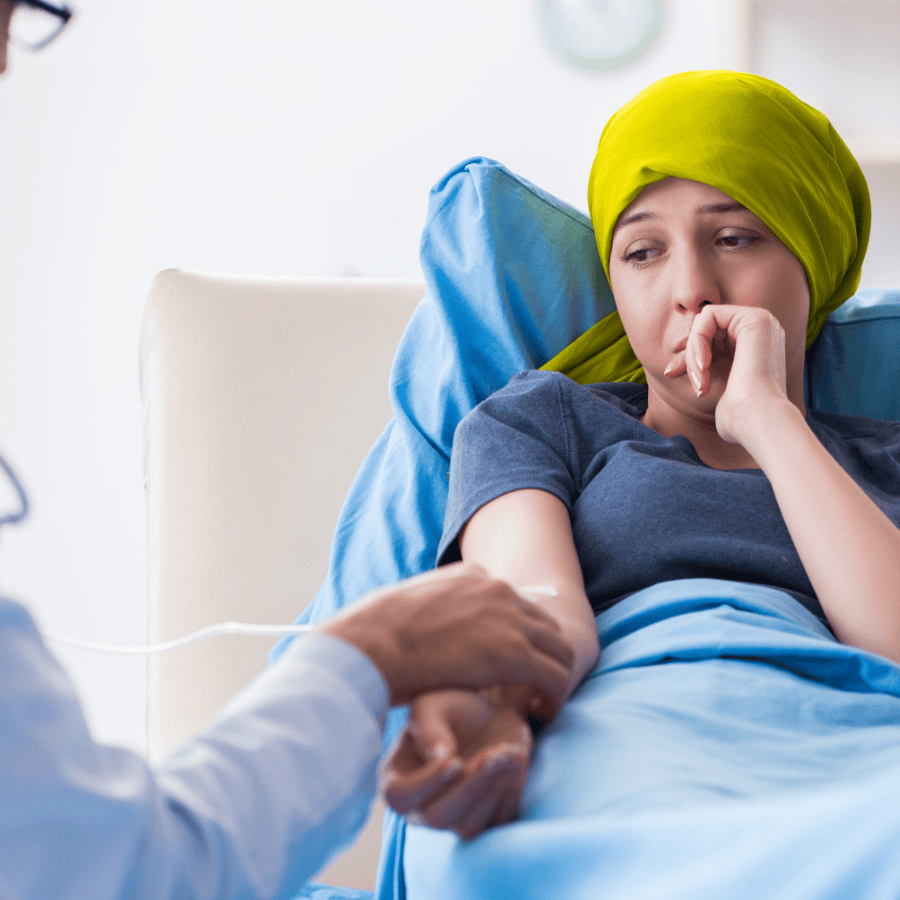
Every headache makes you wonder if it's a brain tumour, every stomach ache sends you spiralling into thoughts about cancer spreading through your body.
You've probably visited the doctor multiple times this year seeking reassurance about symptoms you're convinced indicate cancer, only to feel temporary relief before the fears return.
This isn't just normal health awareness or reasonable concern about staying healthy - it's become an exhausting cycle dominating your thoughts. You might feel embarrassed admitting how much time you spend checking your body for lumps or researching signs of cancer online.
Understanding what is cancer phobia and recognising you're not alone in experiencing these fears represents the first step toward reclaiming control over anxiety that's grown far beyond helpful caution.
Cancer phobia, clinically termed Carcinophobia, is an intense, persistent, and irrational fear of developing cancer that significantly interferes with daily functioning and quality of life.
Carcinophobia meaning extends beyond normal health concerns or temporary anxiety following a cancer diagnosis in someone close to you.
It represents a specific phobia (classified under anxiety disorders) where fear of cancer becomes so overwhelming that it creates significant distress and impairment.
Cancer phobia involves disproportionate fear that persists despite medical reassurance and negative test results. The fear exists independently of actual cancer risk or symptoms.
Fear of cancer phobia represents a specific subset of health anxiety (also called illness anxiety disorder or hypochondriasis) focused exclusively on cancer. While general health anxiety involves fear of various illnesses, cancer phobia centres specifically on malignancy.
The specificity matters because cancer carries unique cultural fears, including suffering, disfigurement, loss of control, and death, that distinguish it from fears about other conditions.

Cancer phobia develops through complex interactions between biological predisposition, life experiences, and environmental factors rather than a single identifiable cause.
Direct exposure: Witnessing a loved one's difficult cancer journey, particularly if it involved suffering, creates lasting emotional impact. Children who experienced parental cancer show particularly high rates of cancer anxiety in adulthood.
Surviving cancer yourself or living through cancer scares (benign tumours requiring biopsy, abnormal test results later explained) can trigger persistent hypervigilance about recurrence or new cancers.
Family history: Having multiple relatives diagnosed with cancer, particularly at young ages, creates a legitimate increased risk that sometimes evolves into excessive anxiety disconnected from actual probability.
Genetic testing revealing mutations like BRCA can trigger profound anxiety even before any diagnosis.
Anxiety predisposition: People with generalised anxiety, panic disorder, or obsessive-compulsive tendencies show higher vulnerability to developing specific phobias, including cancer phobia. Existing anxiety disorders create cognitive patterns that facilitate catastrophic thinking about health.
Cognitive biases: Confirmation bias leads people to notice and remember information confirming their fears, whilst dismissing reassuring information.
Availability heuristic makes cancer seem more common and likely because it's frequently discussed in the media and personal networks.
Catastrophic thinking patterns automatically jump to worst-case scenarios when interpreting ambiguous body sensations.
Constant exposure to cancer stories through news, social media, and entertainment creates perception that cancer is ubiquitous and inevitable. "Dr. Google" amplifies fears by presenting rare aggressive cancers alongside common benign conditions during symptom searches.
Social media cancer awareness campaigns, while well-intentioned, can trigger anxiety in vulnerable individuals by emphasising cancer prevalence and young people's diagnoses.
Previous medical procedures, misdiagnoses, or poor communication from healthcare providers can create lasting distrust and fear.
Being told "it's probably nothing" before discovering it was actually serious (even if not cancer) erodes confidence in medical reassurance.
Cancer phobia symptoms manifest across emotional, physical, and behavioural domains, creating interconnected patterns that reinforce the anxiety cycle.
Anxiety and cancer phobia creates real physical symptoms that paradoxically mimic concerning medical conditions:
These anxiety-generated symptoms then become interpreted as potential cancer signs, creating vicious cycles where anxiety produces symptoms that increase anxiety further.
These behavioural patterns create short-term anxiety reduction but long-term maintenance of phobic responses.
Cancer phobia triggers vary individually, but common patterns exist that exacerbate existing anxiety.
Physical sensations and symptoms: Any unusual body sensation can trigger anxiety spirals: persistent headaches, unexplained fatigue, digestive changes, skin lesions, unexplained pain, or hormonal fluctuations.
Life transitions and stress: Major life changes increase vulnerability to anxiety, including pregnancy, milestone birthdays (particularly 40, 50), children leaving home, retirement, or relationship changes. Stress from any source lowers anxiety threshold, making cancer fears more prominent.
Medical appointments and tests: Routine screening appointments trigger anticipatory anxiety weeks beforehand. Waiting for test results creates unbearable tension. Even routine physical examinations activate fears about what doctors might find.
Media exposure and cancer awareness campaigns: Cancer awareness months (October for breast cancer, November for prostate cancer, etc.) saturate media with cancer content. Celebrity cancer diagnoses receive extensive coverage.
Interpersonal triggers: Friends or family members receiving cancer diagnoses activate fears through identification ("if it happened to them, it could happen to me"). Knowing multiple people diagnosed with cancer creates perception of epidemic proportions.
Age-related triggers occur when reaching ages at which relatives were diagnosed, creating heightened vigilance during those years.
How to overcome cancer phobia requires comprehensive approaches addressing thoughts, behaviours, and emotional responses through evidence-based strategies.

Living with cancer phobia feels isolating, exhausting, and sometimes embarrassing to admit even to those closest to you.
The constant vigilance, the hours lost to worry and checking, the avoidance that shrinks your world - it's a heavy burden that deserves compassionate understanding rather than dismissal.
Here's something important to remember: your fear, while disproportionate to actual risk, isn't imaginary or trivial.
Understanding cancer survival rates through accurate information rather than catastrophic interpretation helps, as does recognising that knowing every type of cancer doesn't prevent cancer but does fuel anxiety.
Professional support can help you find balance between appropriate health awareness and freedom from paralysing fear.
For specialised treatment of cancer phobia and health anxiety, connect with mental health professionals experienced in anxiety disorders who can help you reclaim your life from fear's grip.