
Understanding the Colposcopy Procedure and What to Expect
Dr. Vrundali Kannoth|5 min read|
Being told you need a colposcopy test can make your mind sprint to the worst places. Most people hear the word for the first time only when something on a routine screening looks “different”, and that uncertainty can feel heavier than the appointment itself.
A colposcopy simply means your doctor wants a clearer, magnified look at your cervix. Nothing sudden, nothing invasive, and often nothing alarming.
Understanding the colposcopy meaning, why it’s done, and what the visit actually feels like takes the edge off the fear. This guide walks you through it calmly, so you know what’s happening, why it’s happening, and how to prepare without anxiety.
What is colposcopy?
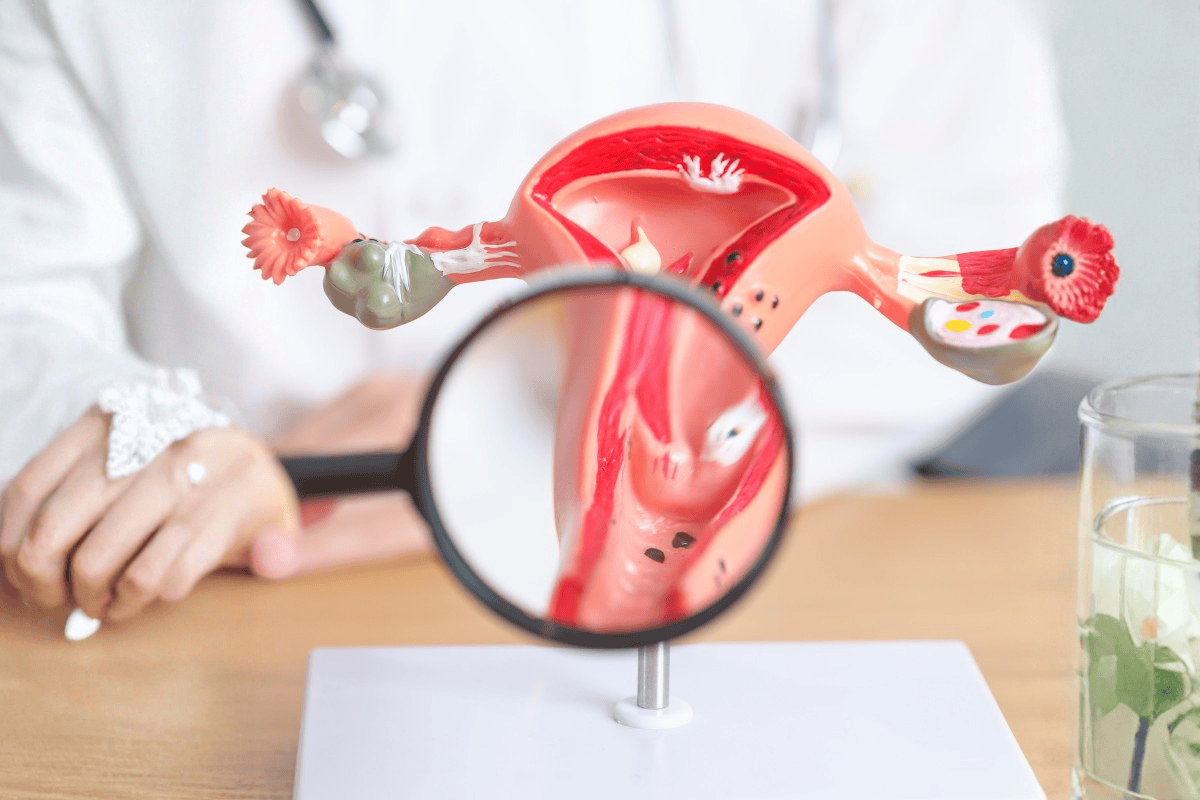
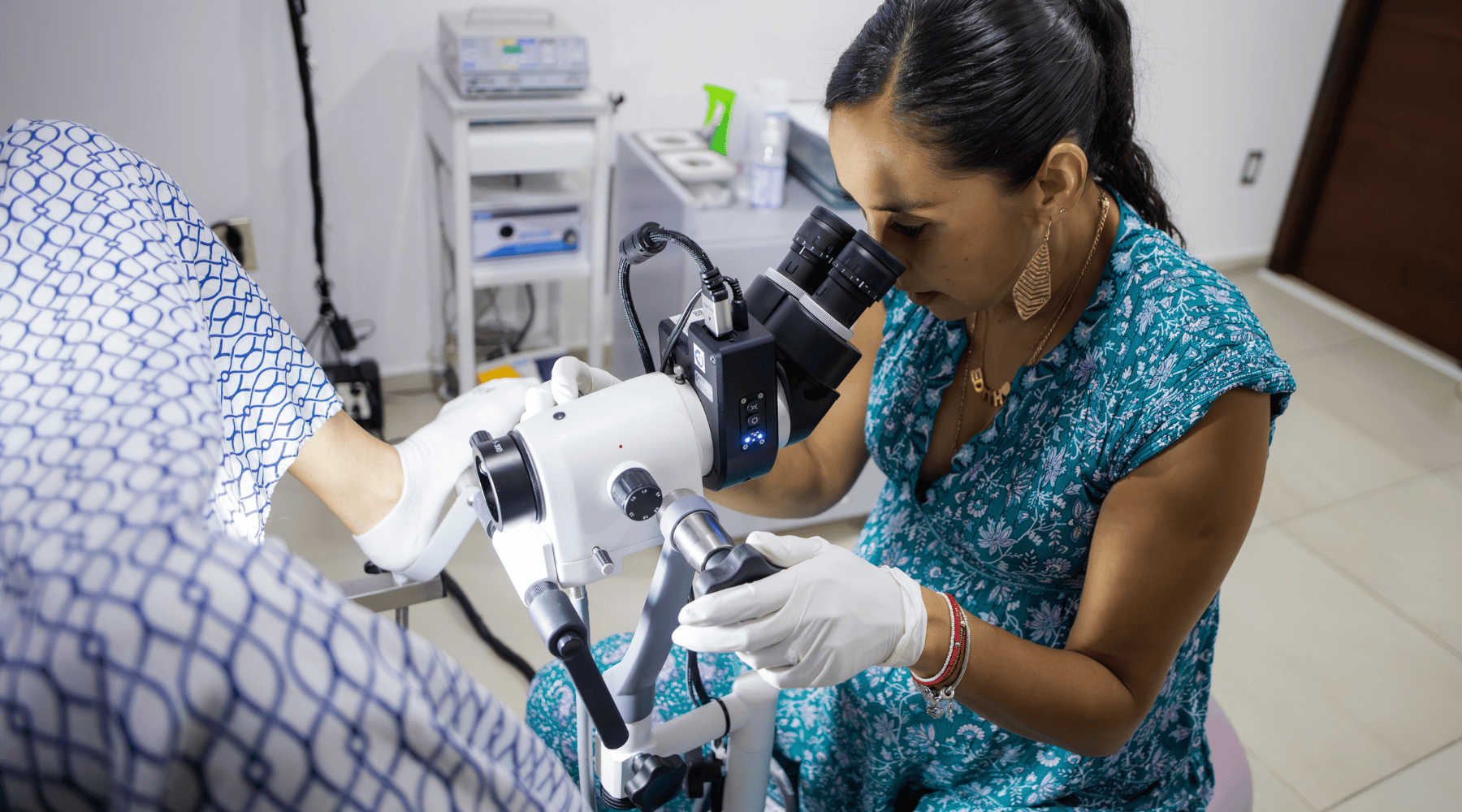
A colposcopy is a detailed examination of the female reproductive system using a magnifying device called a colposcope. As for the question “where is colposcopy done?”, it is in the vagina, cervix, and vulva.
It gives your doctor a clearer, enlarged view of areas that a routine screening can’t show, helping them catch cell changes early and accurately.
If anything looks unusual, they may take a small, directed sample, known as a colposcopy-guided biopsy , to understand the cells better.
When people ask what is a colposcopy, the simplest answer is that it’s a focused assessment, not a treatment, and it usually takes only a few minutes.
Why is colposcopy done?
Most people are sent for this exam when:
- •Screening results, symptoms, or high-risk HPV infections suggest something needs closer examination.
- •They need routine colposcopy for cervical cancer diagnosis or prevention to confirm what earlier tests detected.
After the exam, your care team reviews the findings together and explains them clearly so you understand the next steps.
When is colposcopy recommended for cervical cancer?
Colposcopy uses are recommended by doctors when there’s enough information, from symptoms, past tests, or HPV findings , to justify a closer look. It’s considered a standard part of cervicalncancer prevention worldwide.
Understanding the colposcopy procedure
A colposcopy of the cervix is done in a regular outpatient room. No operating theatre, no hospital stay. The doctor places a speculum to open the vagina and positions the colposcope outside the body.
It never touches you; it only magnifies the view of the cervix during colposcopy so they can assess the cells clearly.
How is a colposcopy test done?
The process is calm, and you are conscious throughout. Most people feel pressure from the speculum, similar to a routine exam, but nothing sharp or sudden.
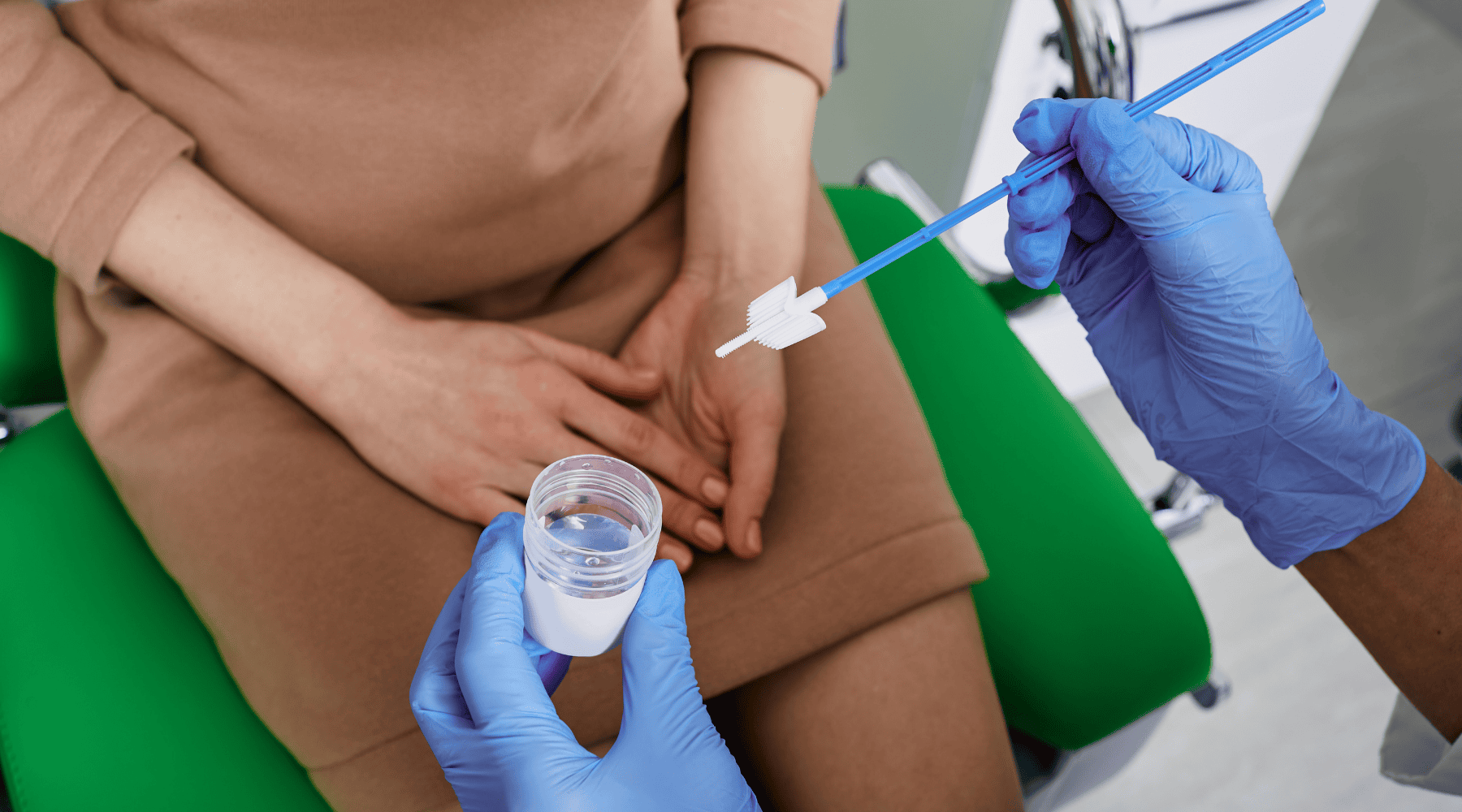
A light solution may be applied to highlight any areas that need attention. If something looks irregular, the doctor may take a small sample using a colposcopy biopsy, which lasts a few seconds.
Step-by-step colposcopy procedure
- •You’re guided through the basics and asked about any recent symptoms or concerns.
- •A speculum is inserted to allow a full view.
- •The doctor examines the cervix with the colposcope and applies a mild solution to outline cell changes.
- •If needed, a tiny tissue sample is taken (this is usually the quickest part).
- •The area is cleaned, and you’re given aftercare instructions before heading home.
This is the full sequence of colposcopy procedure steps most patients experience. It is simple, structured, and over within 10-20 minutes.
Colposcopy results & follow-up
What your doctor sees during a colposcopy is only part of the picture. The real clarity often comes from understanding normal colposcopy findings versus early cell changes, and whether those changes pose any real risk.
Normal vs Abnormal colposcopy results
If everything looks healthy or only mildly inflamed, you’ll return to routine cervical cancer screening. HPV often clears on its own, and many mild abnormalities go back to normal without treatment. Your doctor will tell you when to repeat testing, usually within a year.
Abnormal results
When the colposcopy or biopsy shows dysplasia, it simply means the cells are behaving differently, not that cervical cancer is present.
Research shows these changes start in the squamocolumnar junction (SCJ), where HPV can integrate into developing cells and temporarily switch off natural tumor-suppressor genes (p53 and RB).
This process is slow, with multiple identifiable stages. Catching it early allows doctors to treat or monitor cervical cancer long before it becomes harmful.
How doctors decide your follow-up
Follow-up is risk-based and depends on:
- •Your Pap result
- •Your HPV result (especially high-risk types)
- •Whether abnormalities have appeared before
- •Biopsy findings and severity of dysplasia
Depending on these, you may be advised to:
- •Come back in 6-12 months for repeat colposcopy screening
- •Have another close exam if changes persist
- •Discuss treatment if the dysplasia is moderate or high-grade (to prevent progression)
Recovery after colposcopy
Most people resume normal activities the same day. Light spotting, mild cramps, or a coffee-ground discharge can happen for a day or two, especially if a biopsy was taken. These colposcopy after effects are expected and settle quickly with basic aftercare.
Post-procedure colposcopy guidelines to follow
In case a biopsy was taken, your cervix needs a little time to heal. Most of the rules are simple:
- •Avoid tampons, menstrual cups, or anything inserted vaginally for 3–5 days (or until spotting stops).
- •Skip sex for the same timeframe to prevent irritation.
- •Expect mild cramps or spotting; use pads only.
- •Hold off on swimming or hot tubs for a couple of days.
- •Call your doctor if bleeding becomes heavy, pain increases, or discharge smells unusual.
Even when results are normal, follow-up is still important. Research shows that high-grade changes can occasionally appear later, so doctors schedule repeat testing based on your personal risk and HPV history. This keeps the colposcopy biopsy recovery time short.

Risks, side effects & safety guidelines
Serious complications from colposcopy are rare, and it is considered an extremely safe procedure, much like the Pap smear.
Risks associated with the procedure
The most common colposcopy biopsy side effects, like brief cramping, spotting, and the discomfort that comes with it, are short-lived.
But there are a few things worth knowing:
- •Significant bleeding or infection is uncommon but possible, which is why aftercare matters.
- •Anxiety around the procedure is real and shouldn’t be dismissed; many people feel more worried about the reason for the exam than the exam itself.
- •An experienced clinician matters. Studies show a wide range in accuracy, and multiple biopsies often improve detection.
- •Even a normal exam doesn’t rule out future changes, hence the need for follow-up based on Pap results, HPV status, and your past history.
Is colposcopy painful?
The procedure is more uncomfortable than painful. The speculum creates pressure similar to a Pap test, and the exam itself is usually easy to tolerate.
If a cervical cancer biopsy is taken, there may be a quick pinch and a few seconds of cramping, followed by mild colposcopy-related biopsy pain for a day or two.
Cost of colposcopy in India
| Region/setting | Typical colposcopy test price | What affects pricing |
|---|---|---|
| Metropolitan cities (Mumbai, Delhi, Bengaluru, Chennai, Hyderabad, Pune) | ₹14,000 - ₹40,000 | Specialist experience, hospital reputation, biopsy + histopathology fees |
| Urban multi-specialty hospitals (non-metro cities) | ₹12,000 - ₹35,000 | Availability of colposcopy units, separate lab charges, and consultation fees |
| Private women’s clinics/gynecology centers | ₹10,000 - ₹24,000 | Clinic setup, non-hospital lab tie-ups, and doctors’ seniority |
| Government hospitals/teaching hospitals | ₹1,000 - ₹5,000 (often heavily subsidised) | Costs may include only the procedure; biopsy charges vary |
| Rural/semi-urban facilities | ₹6,000 - ₹15,000 | Limited availability of trained colposcopists, outsourced lab testing |
Your next steps: Clarity, care, and confidence
A colposcopy is nothing but a closer look at your cervical health. A straightforward test that helps doctors understand early changes and decide whether you need treatment or just routine monitoring.
Most findings are manageable, and the procedure itself is designed to prevent problems, not signal something urgent.
What matters now is following the aftercare instructions, showing up for your follow-up tests, and asking your doctor anything you're unsure about.
When you’re confused about your results or you just want someone to walk you through them, reaching out to a cancer treatment centre with experienced gynecologic specialists can give you accurate guidance and reassurance.
Questions
FAQs about colposcopy
What to avoid before a colposcopy?
Avoid vaginal intercourse, tampons, douching, or inserting anything vaginally for 24 hours before the test so the cervix can be examined clearly.
Can colposcopy detect cervical cancer?
It can identify abnormal or suspicious areas, but only a biopsy can confirm cervical cancer; the colposcopy guides where that sample is taken.
Is colposcopy a treatment or a test?
There is no colposcopy treatment; it is a diagnostic test. The purpose of the procedure is to examine the cervix closely and decide whether any treatment is needed afterward.
Related Blogs