Diagnosis5 min read
Ultrasound Kya Hota Hai? (अल्ट्रासाउंड): प्रक्रिया, रिपोर्ट और उपयोग
Dr. Vrundali Kannoth

A cystoscopy referral can feel worrying, especially when cancer is at the back of your mind. The stress is completely understandable.
However, it is important to remember that a referral is not a diagnosis. Urinary problems can sometimes remain unclear even after routine scans or urine tests. When doctors need a direct look inside the bladder and urethra, they recommend a cystoscopy.
This test allows specialists to examine the urinary tract closely and identify issues that might otherwise remain hidden.
Most people who undergo the process are found to have entirely treatable, non-cancerous conditions. It plays an important role in identifying bladder conditions, infections, and other urinary tract abnormalities.
If you wish to understand exactly what the procedure involves, why it is recommended, and what to expect - read on.
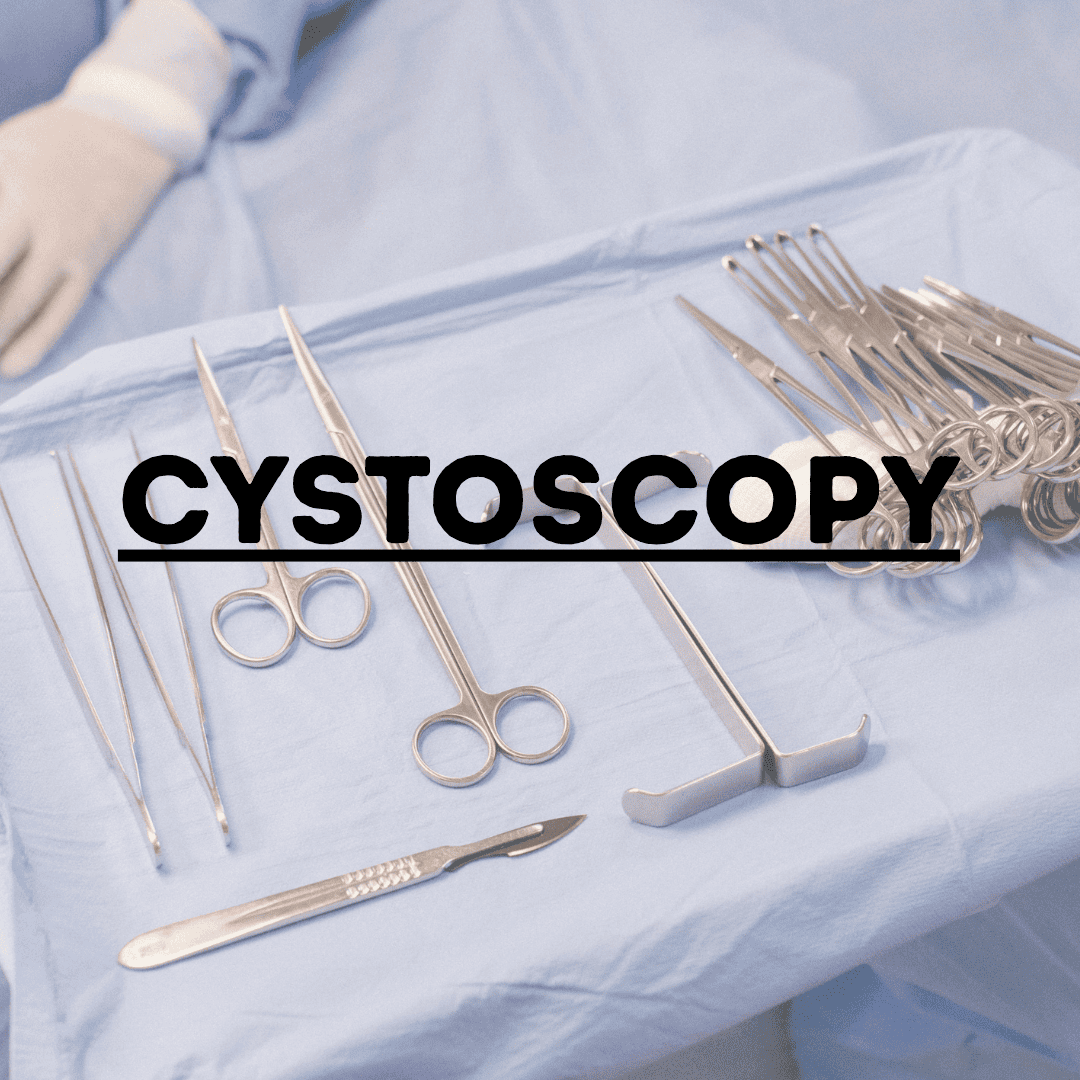
Cystoscopy meaning is a procedure used to examine the inside of the bladder and urethra. The doctor uses a thin instrument called a cystoscope, which has a small camera and light at its tip, to get a clear view of the urinary tract.
A urologist performs the test by gently passing the cystoscope through the urethra and into the bladder. It picks up things that imaging scans can easily miss, as it provides a direct view of the lining,
Despite the name, it is not a major surgical procedure. It is carried out in a clinic or hospital setting and usually takes less than an hour.
Doctors typically recommend a diagnostic cystoscopy when symptoms like blood in urine, recurring infections, bladder pain, or difficulty urinating do not have an obvious explanation. It helps doctors identify a range of conditions, including types of cancer that affect the bladder lining.
It is primarily a diagnostic tool. Routine tests do not always give the full picture, and that is why cystoscopy is done.
The common cystoscopy uses include:
Beyond diagnosis, cystoscopy indications also extend to monitoring. If a patient has already been diagnosed with a bladder condition, the procedure helps doctors check whether treatment is working and whether any new changes have developed.
These can also sometimes be early signs of cancer, which is why timely investigation matters.
Understanding what happens during the procedure can make the experience feel far less daunting.
Step-by-step process:
The cystoscopy procedure duration is typically between 10 and 30 minutes for a routine examination.
Cystoscopy types
There are two main types of cystoscopy surgery - flexible and rigid. Flexible cystoscopes are thinner and more commonly used for diagnostic examinations, making them more comfortable for patients.
Unlike a traditional cystoscopy scan, this is not an imaging test. It is a direct visual examination, which is what makes it so precise.
Cystoscopy is considered the gold standard for examining the bladder. Because it provides a direct view of the bladder lining, it can detect inflammation, growths, stones, and structural issues that imaging scans often miss.
It is particularly relied upon in suspected bladder cancer diagnostics, where confirming the presence of abnormal tissue matters most.
Research has reported the process to have a sensitivity of 81% and specificity of 73%, with some limitations in detecting small or flat lesions. This is why doctors often combine it with urine cytology or imaging scans to build a complete clinical picture.
In most cases, the doctor shares findings immediately after the procedure since the bladder lining is examined in real time.
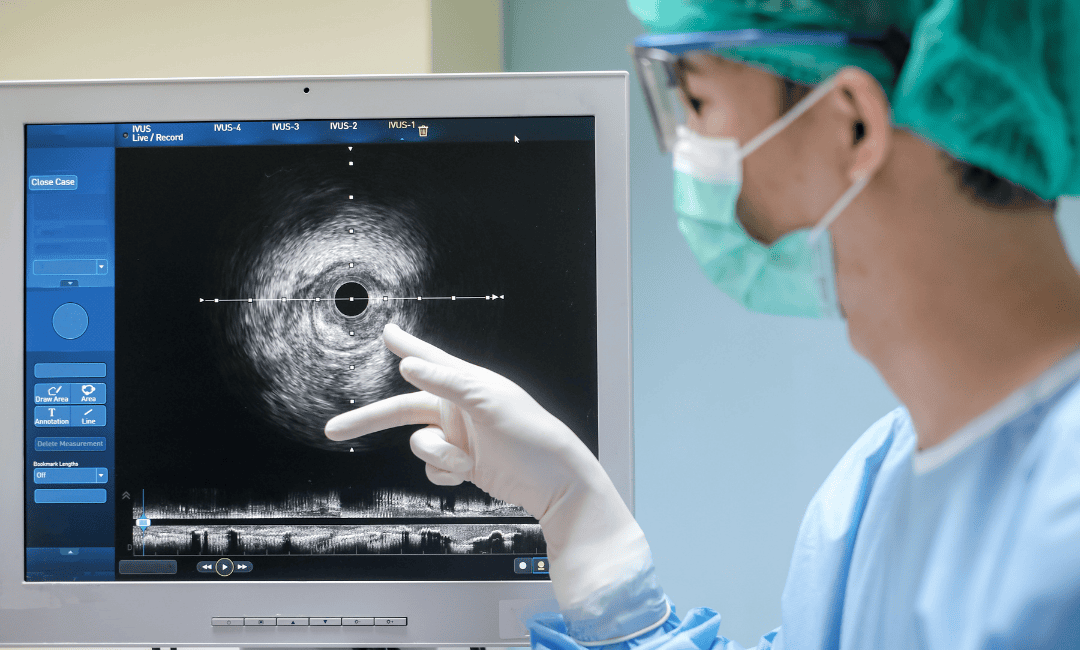
A normal result means the bladder walls appear healthy with no visible abnormalities. If swelling, growths, or lesions are spotted, the doctor may recommend further tests or collect a tissue sample for laboratory analysis.
Early and accurate results matter. Leaving certain bladder conditions unaddressed carries its own cystoscopy risks, which is why timely follow-up is always encouraged.
Cystoscopy purpose does more than just diagnose. In many cases, it allows doctors to act on what they find, right then and there.
Doctors recommend the process when symptoms persist, and routine tests are not giving clear enough answers.

Here are the most common cystoscopy complications for which it is advised:
Cystoscopy cost in India varies depending on the hospital type, city, medical expertise, and whether additional procedures are performed during the examination. Here is a general breakdown:
| Factor | Estimated cost (INR) |
|---|---|
| Basic diagnosis | ₹5,000-₹10,000 |
| With sedation or anaesthesia | ₹10,000-₹18,000 |
| With biopsy test for cancer or a minor procedure | ₹15,000- ₹25,000 |
| Private hospital or metro city | May exceed ₹25,000 |
The cystoscopy price is also influenced by whether the procedure is done in a government hospital, private clinic, or specialised urology centre.
Cystoscopy is a routine, well-established procedure. For most people, it is far less intimidating than it sounds.
It gives doctors a direct, accurate view of the bladder and urethra, helping identify conditions that other tests simply cannot confirm. Whether it is blood in urine, recurring infections, or unexplained bladder pain, it provides the clarity needed to move forward with the right treatment. Recovery is usually quick, and with proper cystoscopy after care, most people return to normal life within a day or two.
If you have been referred for the procedure, need cancer treatment guidance or have concerns about your urological health, oncology doctors are here to guide you every step of the way.