WhatIsLaparoscopy? Procedure, Key Benefits, and Recovery Tips
Dr. Vrundali Kannoth|5 min read|
Imagine if surgeons could see inside your abdomen without making large incisions. That's exactly what laparoscopy allows.
This minimally invasive procedure has transformed surgery over the past three decades. Large cuts, lengthy hospital stays, and months of recovery have given way to tiny incisions and quicker healing.
Understanding what is laparoscopy helps you know what to expect if your doctor recommends this approach. This guide explains the procedure, benefits, risks, and recovery process.
What is laparoscopy?
Laparoscopy meaning refers to a surgical technique using a thin, lighted tube with a camera to examine or operate inside the body. The term comes from Greek words meaning "flank" and "to view."
Surgeons insert a laparoscope through small incisions, typically 0.5-1.5 cm long. The camera transmits magnified images to monitors, allowing detailed visualisation of internal organs. Additional small incisions allow surgical instruments to perform procedures.
Laparoscopy has become standard for many surgeries as it offers significant advantages over traditional open surgery.
Why is laparoscopy done?
So, what are the types of laparoscopy? Laparoscopy purpose serves both diagnostic and therapeutic functions across multiple medical specialities.
Diagnostic purposes include:
•Investigating unexplained abdominal or pelvic pain
•Evaluating infertility causes
•Taking tissue samples (biopsy) from suspicious masses
Understanding the laparoscopy process helps reduce anxiety about what happens during surgery.
Before the procedure:
You'll undergo pre-operative assessment, including blood tests and possibly an ultrasound or other imaging. Your surgeon reviews your medications. Some need stopping before surgery, particularly blood thinners.
Fasting begins 6-8 hours before surgery. This prevents complications from anaesthesia. Your surgical team explains the procedure and obtains consent.
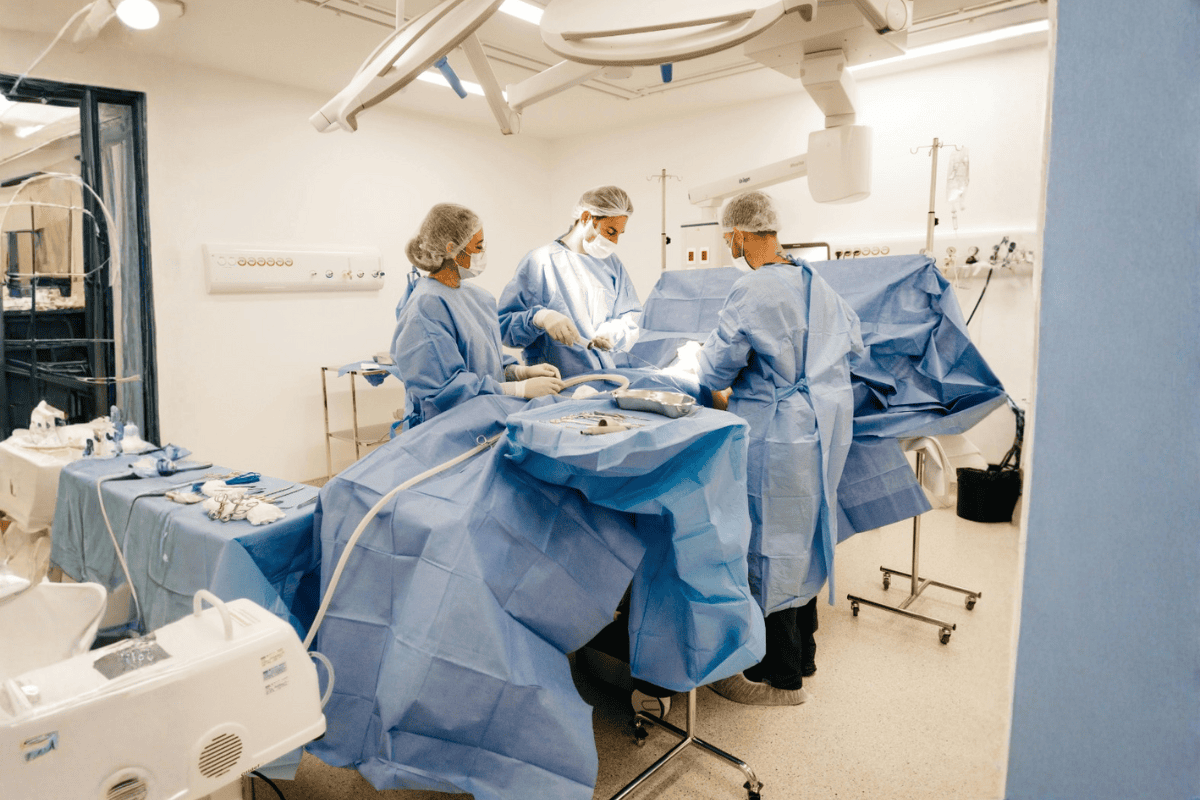
Step-by-step laparoscopy operation
Step 1: Anaesthesia
General anaesthesia is standard for most laparoscopic procedures. You're completely asleep and pain-free. Some diagnostic procedures use local anaesthesia with sedation.
Step 2: Initial incision and insufflation
The surgeon makes a small cut near your navel. A needle introduces carbon dioxide gas into your abdomen. This creates space between your abdominal wall and organs, providing room to work and improving visualisation.
Step 4: Additional incisions
The surgeon inserts the laparoscope through the first incision. The camera provides real-time images on monitors. Surgeons examine organs systematically, looking for abnormalities.
Step 5: Surgical intervention
Depending on the laparoscopy procedure type, surgeons make 2-4 additional small incisions. Specialised instruments pass through these ports. Modern instruments allow cutting, grasping, cauterising, and suturing.
Step 5: Surgical intervention
The surgeon performs the planned procedure - removing organs, repairing structures, taking biopsies, or treating disease. Laser laparoscopy techniques may be used for precision cutting or tissue ablation.
Step 6: Closure
After completing the procedure, the instruments are removed. Gas is released from the abdomen. Small incisions are closed with stitches or surgical glue.
Standard laparoscopy scan time ranges from 30 minutes to several hours. Duration depends on procedure complexity.
Benefits of laparoscopy
Benefits of laparoscopy over traditional open surgery are substantial and well-documented. Here are the key advantages of laparoscopy:
•Smaller incisions
Laparoscopy scars are typically 0.5-1.5 cm long. These tiny cuts heal quickly and fade significantly over time. Traditional surgery requires incisions 10-30 cm long, leaving prominent scars.
•Reduced pain
Smaller incisions mean less tissue damage. Post-operative pain is significantly lower. Patients require fewer pain medications for a shorter duration.
•Shorter hospital stays
Many laparoscopic procedures allow same-day discharge. Others require 1-2 night stays. Open surgery often requires 3-7 days hospitalisation.
•Faster recovery
Laparoscopy recovery time is dramatically shorter. Most patients return to normal activities within 1-2 weeks. Open surgery recovery often takes 4-8 weeks.
•Lower infection risk
Smaller incisions and shorter hospital stays reduce infection rates. Studies show surgical site infections occur in 2-5% of laparoscopic procedures versus 10-20% of open surgeries.
•Less blood loss
The magnified camera view and precise instruments minimise bleeding. Blood transfusions are rarely needed with laparoscopic approaches.
•Better visualisation
The camera provides magnified, high-definition images. Surgeons see details impossible with the naked eye in open surgery.
Risks and complications
While generally safe, laparoscopy complications can occur. Understanding risks helps you make informed decisions and recognise problems early.
Possible complications of laparoscopy
Laparoscopy side effects and complications include:
Common minor effects:
•Shoulder pain from residual gas (resolves within 24-48 hours)
•Mild abdominal discomfort
•Nausea from anaesthesia
•Bloating and constipation
•Fatigue for several days
Less common but serious complications:
•Bleeding requiring transfusion or reoperation (0.5-2%)
•Organ injury (bowel, bladder, blood vessels) during instrument insertion (0.1-1%)
•Infection at incision sites or internally (2-5%)
•Blood disorders like deep vein thrombosis (rare with proper precautions)
•Anaesthesia reactions
•Hernia at port sites (1-2%)
Warning signs requiring immediate medical attention:
•High fever (>38.5°C)
•Severe abdominal pain worsening over time
•Heavy bleeding from incisions
•Chest pain or difficulty breathing
•Inability to urinate
•Severe nausea and vomiting
Laparoscopy safety and success rate
The laparoscopy success rate is excellent when performed by experienced surgeons. According to the American College of Surgeons, success rates exceed 95% for most procedures.
Safety depends on proper patient selection and surgical expertise. Surgeons follow strict protocols, including:
•Comprehensive pre-operative assessment
•Sterile technique throughout
•Careful instrument insertion under direct visualisation
•Monitoring vital signs continuously
•Systematic organ inspection before closure
Modern laparoscopy equipment includes safety features like pressure monitoring systems, preventing excessive insufflation. High-definition cameras and improved instruments enhance precision further.
Recovery and aftercare
Laparoscopy recovery varies by procedure type but follows general patterns. Understanding laparoscopy after care promotes optimal healing.
Hospital discharge:
Many patients go home the same day. Others stay 1-2 nights depending on procedure complexity and individual circumstances.
Pain management:
Expect mild to moderate discomfort for 2-5 days. Over-the-counter pain relievers usually suffice. Prescription medications are provided if needed.
Activity restrictions:
Avoid heavy lifting (>5 kg) for 2-4 weeks. Light walking is encouraged from day one. Most patients return to work within 1-2 weeks for desk jobs.
Dietary recommendations:
Start with light, easily digestible foods. Gradually return to a normal diet as tolerated. Stay well-hydrated to prevent constipation.
Wound care:
Keep incision sites clean and dry. Shower after 24-48 hours as instructed. Watch for infection signs, such as increasing redness, swelling, discharge, or fever.
Laparoscopyscars and the healing process
Laparoscopy scars heal remarkably well. Small incisions typically fade to thin white lines within 6-12 months. Proper wound care optimises healing.
Silicone gel sheets or vitamin E oil may help minimise scarring. Most patients find scars barely noticeable after complete healing.
Cost of laparoscopy in India
Laparoscopy price in India varies significantly based on procedure type, hospital, surgeon expertise, and city location.
These estimates include surgeon fees, hospital charges, anaesthesia, and basic post-operative care. Costs vary between government hospitals (lower), private hospitals (mid-range), and corporate hospitals (premium).
Insurance typically covers medically necessary laparoscopic procedures. Check your policy for coverage details and pre-authorisation requirements.
Finalverdict
If your doctor recommends laparoscopy, you're receiving modern, evidence-based surgical care. Ask questions about your specific procedure, expected recovery, and any concerns you have.
For expert laparoscopic surgical care, consult experienced specialists who perform high volumes of procedures. Connect with skilled surgical teams offering comprehensive evaluation and personalised laparoscopy treatment planning.
Questions
FAQs
Common questions about this topic
What is the difference in laparoscopy and open surgery?+
Laparoscopy uses several small incisions (0.5-1.5 cm) with a camera and specialised instruments. Open surgery requires one large incision (10-30 cm), allowing direct hand access.
Is laparoscopy painful?+
Is laparoscopy painful during the procedure? No, general anaesthesia ensures you feel nothing. Post-operatively, expect mild to moderate discomfort for 2-5 days, significantly less than open surgery.
How long is the recovery time after laparoscopy?+
Laparoscopy recovery time varies by procedure. Most patients return to light activities within 3-5 days and normal routines within 1-2 weeks. Full recovery, including heavy lifting and strenuous exercise, typically takes 4-6 weeks.