
Endometriosis in Women: Causes, Symptoms & Treatments
On this page
Endometriosis often sounds scarier than it really is. Many think of severe pain, infertility, or surgery, and while those are possible, the condition is treatable. Life with endometriosis doesn’t always mean constant suffering.
At its core, endometriosis happens when uterine-like tissue grows outside the uterus. Understanding how it works is the first step to managing it.
In this guide, we’ll cover what endometriosis is, its signs and causes, how doctors diagnose it, and the treatment options available. You’ll also find insights on long-term management, so you have a clear picture of what to expect.
What is endometriosis?
Endometriosis occurs when tissue similar to the womb lining (endometrium) grows outside the uterus, often on the ovaries, fallopian tubes, bowel, or bladder.
Just like inside the uterus, this tissue thickens, breaks down, and bleeds during each menstrual cycle. However, since the blood has no way to leave the body, it can cause inflammation, intense pain, and sometimes lead to cysts or scar tissue.
Who can get endometriosis?
Endometriosis mainly affects women of reproductive age, typically between their 20s and 40s, though it can also occur in teens and women nearing menopause.
Researchers have found that women may have a higher chance of developing endometriosis if they:
- Have a close family member (mother, sister, or daughter) with endometriosis
- Begin menstruating very early (before age 11)
- Experience short menstrual cycles (fewer than 27 days)
- Go through heavy or prolonged periods that last more than a week
- Struggle with infertility
This condition is far more prevalent than many realise, affecting roughly 1 in 10 women of reproductive age globally.
Endometriosis in India is often underdiagnosed. Social stigma, low awareness, and delayed healthcare access leave many women living with pain for years before getting answers. Early detection and treatment, however, can help prevent complications such as infertility or chronic pelvic pain.
Endometriosis symptoms
Endometriosis signs often resemble period or digestive issues, which is why many women go years without endometriosis diagnosis. Spotting them early can help you seek care sooner.
Signs and symptoms of endometriosis
Some symptoms affect daily life beyond periods and can hint at underlying endometriosis causes:
- Severe menstrual cramps
- Heavy or prolonged bleeding
- Digestive issues (bloating, diarrhoea, or constipation)
- Pain during or after sexual intercourse
- Ongoing pelvic or lower back pain
- Spotting between periods
- Difficulty conceiving
- Pain while passing urine or during bowel movements
- Fatigue or low energy
Endometriosis pain and side effects
Endometriosis side effects and pain spread across different areas of the body, making day-to-day life more difficult.
Some of the most common spots where pain shows up include:
- Pelvic regionThe most frequent site of pain, often severe cramping.
- Lower backDiscomfort or pain that comes along with pelvic pain.
- AbdomenPain in the lower belly.
- During intercourse (Dyspareunia)Pain during or after sex is a common experience.
- With bowel movements or urinationPain can intensify during periods when passing stool or urine.
Over time, repeated inflammation due to endometriosis can cause scar tissue, which may lead to scar endometriosis. It is a rare condition which is also likely to happen to women with a surgical history.
Recognising these signs early and speaking with a doctor is a wise choice.
Causes and risk factors
When it comes to endometriosis causes, doctors don’t have one single explanation. Different theories try to explain why this condition develops. Understanding the possible causes and risks can help you make sense of what’s happening in your body.
What causes endometriosis?
The exact reason is unclear, but researchers believe several factors may play a role.
- Menstrual flow issuesSometimes, period blood flows backwards into the pelvis (retrograde flow), carrying tissue with it.
- Family historyEndometriosis can run in family genes.
- Immune system issuesWeak immunity allows tissue growth outside the uterus.
- HormonesEstrogen fuels endometrial tissue growth.
- Past surgeriesC-sections or hysterectomies may spread tissue in other areas.
Is endometriosis genetic?
Endometriosis often has a family link, which means genetics influence why some women develop it while others don’t. A major study by the University of Oxford even found a specific gene, NPSR1, that can raise the risk of endometriosis.
Endometriosis complications
Some symptoms of endometriosis overlap with gynaecological conditions such as ovarian cancer symptoms or cervical cancer symptoms, which is why timely medical evaluation is so important.
- Infertility or difficulty conceivingIt can interfere with ovulation, damage ovaries or fallopian tubes, and make fertilisation harder.
- Scar tissue and adhesionsEndometrial tissue can cause organs to stick together, leading to bowel or bladder blockages.
- Fatigue and emotional impactPain and hormonal changes drain energy, contribute to anxiety, depression, and reduce quality of life.
- Chronic pain and inflammationPelvic, lower back, or abdominal pain that worsens during periods or intercourse.
- Heavy or irregular bleedingLonger, heavier periods or spotting between cycles.
- Endometriosis cysts (Endometrioma)Fluid-filled sacs on the ovaries causing pain, swelling, or fertility issues.
Note: PCOS and endometriosis are not related. While both share some risk factors, their hormonal patterns are opposite: with different shifts in LH, AMH, testosterone, FSH, SHBG, and oxytocin levels.
Is endometriosis cancer-prone?
Women with endometriosis have a higher risk of developing endometrial, breast and ovarian cancer (no significant risk of cervical cancer). Regular screenings and keeping an eye out for cancer symptoms are recommended as part of health management.
Diagnosis and tests
Identifying endometriosis symptoms is tricky since they overlap with other conditions. Many women wait years before getting a proper endometriosis test. The good news is, doctors now have several ways to detect it.
How to detect endometriosis
Doctors use a mix of tests to get a clearer picture. While none can confirm endometriosis alone, together they help guide the diagnosis.
- LaparoscopyA small camera is inserted into the abdomen to view and sometimes remove endometrial tissue.
- Pelvic examChecks for cysts, nodules, or abnormal growths.
- UltrasoundUltrasound can detect cancer and cysts, though small lesions may be missed.
- MRIDoctors use MRI for cancer[a] and endometriosis, as it provides detailed images to assess the spread.
- Biopsy test (for cancer)Tissue samples are taken during surgery to confirm endometriosis or rule out cancer.
How to cure endometriosis?
The cure for endometriosis isn’t one-size-fits-all. Its approach depends on how severe the symptoms are, your age, and whether you’re planning to have children.
5 endometriosis treatment options
Treatment can range from lifestyle adjustments to advanced medical procedures. Here’s a list:
- Hormone therapyHormonal treatments regulate menstrual hormones to slow endometriosis tissue growth and reduce pain. Options include birth control pills, progestin therapy, GnRH agonists, and aromatase inhibitors.
- Pain medicines for endometriosisOver-the-counter pain relievers ease menstrual cramps. Doctors may combine these with hormone therapy for better pain control if pregnancy isn’t planned.
- Conservative surgeryLaparoscopic surgery removes endometriosis tissue while preserving fertility and easing pain. Severe cases may need larger incisions, with hormones after surgery to reduce recurrence.
- Fertility treatmentFor women struggling to conceive, fertility specialists may recommend ovulation-stimulating medications or in vitro fertilisation (IVF), depending on severity and individual reproductive goals.
- HysterectomyHysterectomy, sometimes with ovary removal, is a last resort for severe pain or bleeding, but may trigger early menopause and long-term effects.
How to prevent endometriosis?
There’s no guaranteed way to prevent the condition, but you can reduce risks and manage symptoms early.
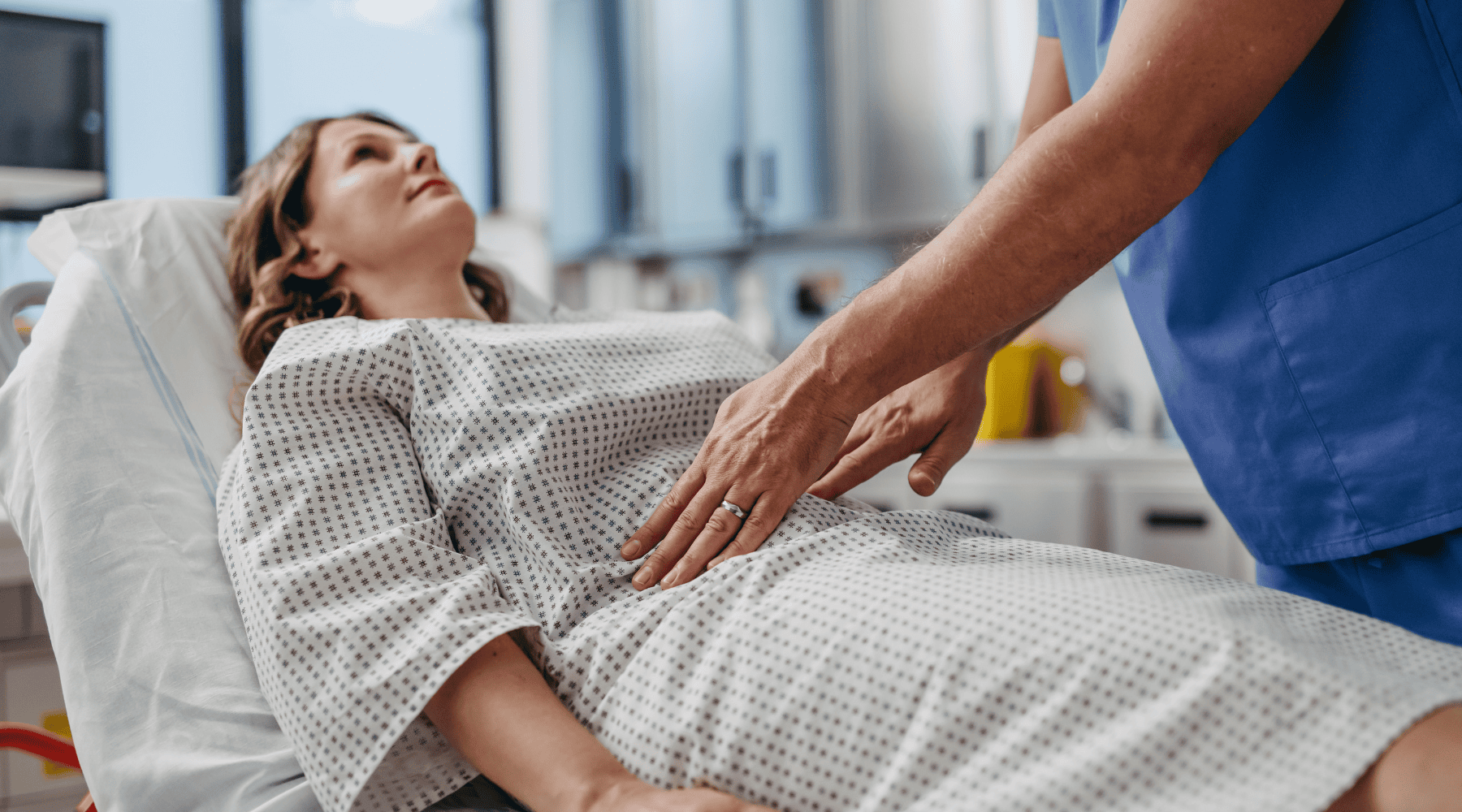
- Regular check-ups aid early diagnosis.
- Hormonal treatments may slow lesion growth.
- A healthy lifestyle, stress control, and period tracking help with early detection.
Managing endometriosis over time
Living with endometriosis feels like a long road, but it’s not without hope. With the right care, support, and endometriosis management, many women continue to lead healthy, fulfilling lives.

While there’s no permanent endometriosis cure yet, treatments help reduce symptoms and protect fertility.
Long-term management
Managing endometriosis is about consistency and support:
- Regular gynaecologist visits help keep symptoms in check.
- Medication and lifestyle changes can manage pain flare-ups.
- Fertility issues may be addressed with assisted reproductive technologies.
- Emotional well-being matters: counselling, support groups, and open talks support mental health.
Don’t ignore the signs, seek care early
Endometriosis can impact daily life, fertility, and overall well-being, but understanding its symptoms and treatment options helps you stay in control.
Regular consultations with oncology doctors ensure timely care and reduce long-term complications. Bonus: Small lifestyle changes: balanced diet, light exercise, and stress control can ease symptoms and boost quality of life. Taking these steps empowers you to manage endometriosis confidently and protect your health.
Bonus: Small lifestyle changes: balanced diet, light exercise, and stress control can ease symptoms and boost quality of life. Taking these steps empowers you to manage endometriosis confidently and protect your health.
FAQS on endometriosis
Is endometriosis fully curable?
Endometriosis doesn’t have a permanent cure yet, but it can be managed well. With the right treatment, symptoms can be controlled, and tissue growth can be slowed down.
What is scar endometriosis treatment?
Scar endometriosis is usually treated with surgery to remove the affected tissue. In some cases, doctors may also recommend hormone therapy to keep symptoms under control.
Can endometriosis cause weight gain?
Yes, it can for some women. Hormonal changes, along with lifestyle shifts caused by chronic pain, may lead to weight fluctuations over time.