UnderstandingMalignantPleuralMesothelioma: Causes, Signs and Care
Dr. Vrundali Kannoth|5 min read|
Most of us are familiar with common illnesses. We hear their names often, and we know where to start when questions arise. But every now and then, a medical term appears that feels completely unfamiliar: one you have never heard before and were never expecting to hear.
Malignant Pleural Mesothelioma is one such condition. It is rare, it is serious, and it does not come with ready-made understanding.
For many people, the first encounter with this name happens during a medical appointment, followed by a natural question: what exactly does this mean for me or my family?
That is where clear information matters. This guide explains the condition step by step - how it develops, how it is identified, and how it is managed - based on established medical evidence. You can read it in one sitting or return to it over time, using it as a reliable reference alongside conversations with your healthcare team.
What is MalignantPleuralMesothelioma (MPM)?
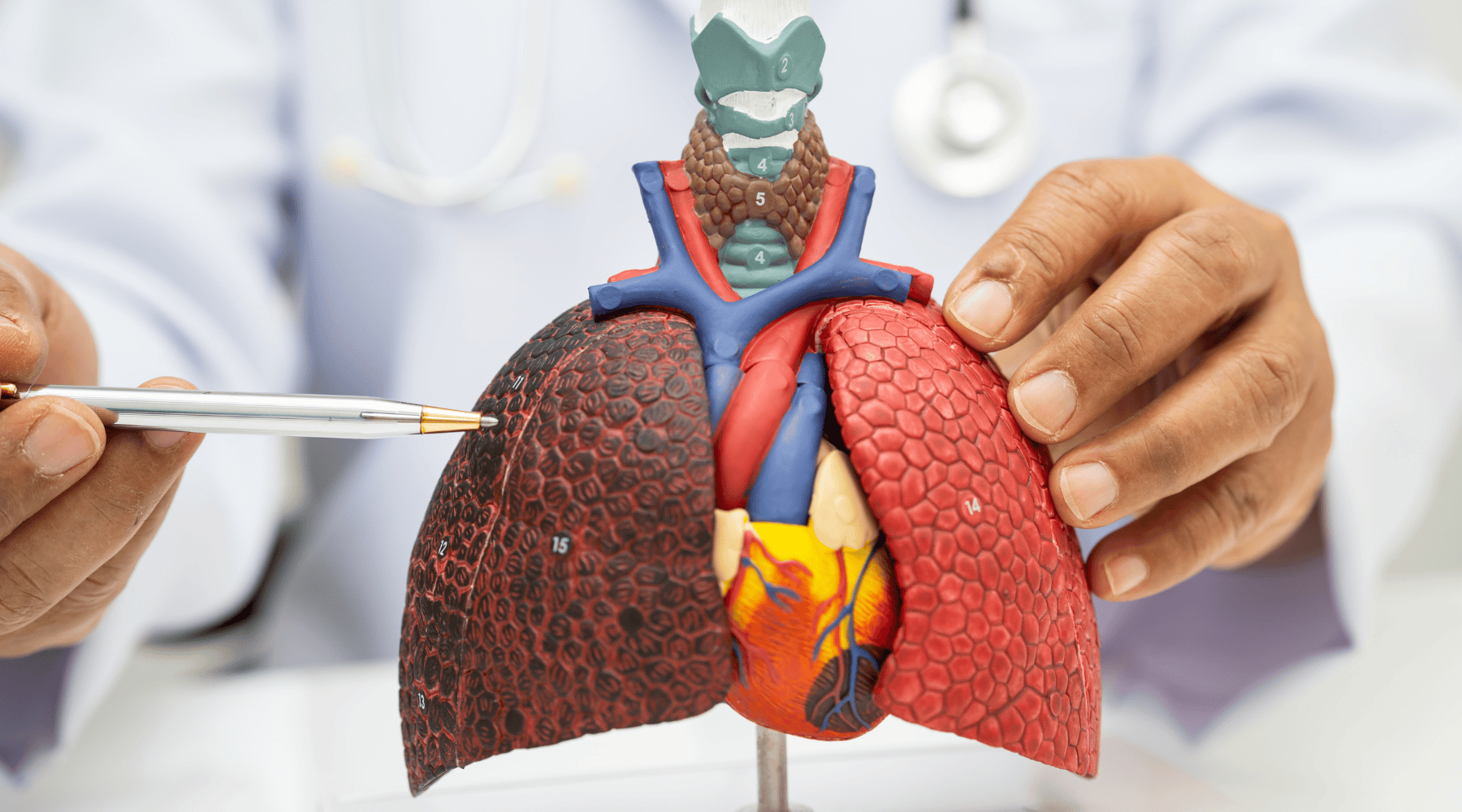
Malignant Pleural Mesothelioma is a cancer that develops in the pleura, the thin membrane lining the lungs and chest wall. The pleura allows the lungs to expand smoothly during breathing. When abnormal cells grow within this lining, they interfere with lung movement and fluid balance, gradually affecting breathing and chest comfort.
Since Pleural Mesothelioma does not behave the same way in every person, doctors classify it based on the type of cells involved. These cell types influence how the cancer grows, how it responds to treatment, and how the condition is managed.
Types of PleuralMesothelioma
Doctors classify the disease by cell pattern because it influences how the illness behaves and responds to care. These classifications fall within broader types of cancer, but they are specific to the pleural lining.
Doctors classify the disease by cell pattern because it influences how the illness behaves and responds to care. These classifications fall within broader types of cancer, but they are specific to the pleural lining.
•Epithelioid
This is the most common type of Pleural Mesothelioma.
In this, the cancer cells tend to grow in a more orderly way, which usually makes the disease slower to spread. Because of this structure, treatment options are often broader, and some patients respond better to therapy compared to other cell types.
•Sarcomatoid
Sarcomatoid Mesothelioma is less common.
The cells grow in a more irregular pattern and tend to spread faster to nearby tissues. This makes the condition more difficult to treat, and treatment plans often focus on controlling symptoms and slowing progression.
•Biphasic
Biphasic Mesothelioma contains a mix of epithelioid and sarcomatoid cells. How the disease behaves depends on which type makes up the larger portion of the tumour.
If epithelioid cells are more prominent, treatment response may be better than if sarcomatoid cells dominate.
Pleural Mesothelioma symptoms and earlysigns
Symptoms of Pleural Mesothelioma usually appear slowly and may look similar to common lung or chest conditions at first. Because the changes happen over time, many people do not associate them with a serious illness in the early stages.
Common Pleural Mesothelioma symptoms include:
•Persistent shortness of breath, especially during everyday activities
•Chest pain or tightness that may worsen with deep breathing, coughing, or movement
•Ongoing cough that does not settle with usual treatment
•Unexplained weight loss or reduced appetite
•Tiredness related to reduced lung function, often referred to as cancer fatigue
•Fluid buildup around the lungs, known as Mesothelioma pleural effusion
•Hoarseness or changes in voice due to pressure on nearby nerves
•Difficulty swallowing if the disease affects surrounding structures
•Night sweats or low-grade fever in some cases
Early signs are often subtle. Mild breathlessness, chest discomfort, or a feeling of heaviness in the chest may come and go. Since these symptoms overlap with many other lung conditions and cancer symptoms , further medical tests are always needed before a diagnosis is confirmed.
PleuralMesotheliomacauses and risk factors
Research has consistently shown that the disease develops after long-term cellular damage rather than sudden exposure. Over long periods, asbestos fibres can damage the DNA of pleural cells, leading to changes seen in genetic mutation cancer , where normal cell control mechanisms break down.
Main causes of Malignant Pleural Mesothelioma
•Asbestos exposure
Breathing in asbestos fibres is the primary cause. These fibres can become trapped in the pleura, where they remain for decades and gradually damage surrounding cells.
•Occupational exposure
People who worked in construction, shipbuilding, insulation, mining, or industrial settings had a higher likelihood of inhaling asbestos fibres during routine work.
•Indirect exposure
Family members may have been exposed when asbestos fibres were carried home on work clothes, tools, or equipment.
Over time, the persistent presence of asbestos fibres can lead to inflammation and cell changes that increase the risk of cancer developing in the pleura.
Who is at risk?
People at higher risk of Malignant Pleural Mesothelioma usually had past exposure to asbestos, often many years earlier.
•Workers
in shipbuilding, construction, insulation, mining, or manufacturing
•People involved
in repair or renovation of older buildings
•Family members
exposed through asbestos fibres carried home on clothing
•Individuals living
near asbestos mines or industrial sites
Many affected people stay unaware of their exposure at the time.
Complications of MalignantPleuralMesothelioma
As the disease progresses, complications may arise. Fluid accumulation compresses the lungs, leading to breathing difficulty. The tumour may spread to nearby structures, including the chest wall and diaphragm.
Advanced disease can interfere with daily activity and appetite, sometimes accompanied by nausea due to systemic strain.
PleuralMesotheliomadiagnosis
Because early symptoms are non-specific, diagnosis requires multiple steps. Doctors rely on imaging and tissue confirmation rather than symptoms alone, as imaging helps locate the tumour and assess its extent.
•Imaging
Imaging is usually the first step. Chest X-rays and CT scans help identify pleural thickening, fluid around the lungs, or abnormal masses. PET scans may be used to show areas of active disease and assess possible spread.
•Biopsy
A biopsy provides definitive confirmation. During this test, a small tissue sample is taken from the pleura and examined under a microscope. This helps confirm whether cancer is present and identifies the specific cell type.
•Thoracoscopy
Thoracoscopy allows doctors to directly view the pleura using a small camera inserted into the chest. It enables precise tissue sampling and is often the most reliable method for confirming Pleural Mesothelioma diagnosis.
PleuralMesotheliomastaging
Once confirmed, doctors determine disease stage. Pleural Mesothelioma staging describes how far the cancer has spread within the chest and beyond. Early stages are limited to one side of the chest, while later stages involve lymph nodes or distant organs.
Malignant Pleural Mesothelioma treatment options
Malignant Pleural Mesothelioma treatment is planned carefully as it depends on stage, cell type, and overall health. In many cases, more than one cancer treatment method is used.
Common treatment options include:
•Surgery
Used in selected patients to remove as much visible disease as possible, usually in earlier stages.
•Chemotherapy
Uses medicines to slow or stop the growth of cancer cells and is often given before or after surgery, or as the main treatment when surgery is not suitable.
•Immunotherapy
Helps the body’s immune system recognise and attack cancer cells and may be used alone or in combination with other treatments.
•Symptom-focused care
Supportive treatments are used to manage breathlessness, pain, and fluid buildup, and may include palliative cancer care to improve comfort and daily functioning.
Malignant Pleural Mesothelioma prognosis
The Malignant Pleural Mesothelioma prognosis varies widely from person to person. Factors such as cell type, stage at diagnosis, and how the disease responds to treatment all play an important role.
Survival figures are based on large patient groups and do not predict individual outcomes. Many cases are diagnosed at a later stage, which contributes to a lower average Pleural Mesothelioma survival rate.
Ongoing advances in treatment continue to improve disease management, symptom control, and quality of life, even when cure is not possible.
Clinical overview at a glance
Malignant Pleural Mesothelioma is a rare cancer most commonly linked to past asbestos exposure. Symptoms often develop slowly and can resemble other lung conditions, which is why diagnosis frequently happens at a later stage. Confirming the disease requires imaging studies and biopsy, rather than symptoms alone.
Although it remains a serious condition, treatment today focuses on slowing disease progression, managing symptoms, and maintaining quality of life. Care decisions are guided by the stage of the disease and the cell type involved.
For anyone facing this diagnosis, ongoing discussions with experienced oncology doctors play an important role in understanding options and planning care.
Questions
FAQs
1. Where can Pleural Mesothelioma spread?+
It most commonly spreads within the chest cavity, affecting the chest wall, diaphragm, and nearby lymph nodes before distant organs.
2. Is pleural effusion common in Mesothelioma patients?+
Yes, fluid buildup around the lungs is frequent and contributes significantly to breathlessness and discomfort.
3. Can Pleural Mesothelioma cause persistent chest pain?+
Yes, pain may occur due to tumour involvement of the chest wall and surrounding nerves, particularly as the disease advances.