
Understanding Genetic Mutation Cancer and How It Progresses
On this page
When you hear the word cancer, there are a lot of questions that flood your mind. One of the most common questions would be: how exactly does it develop?
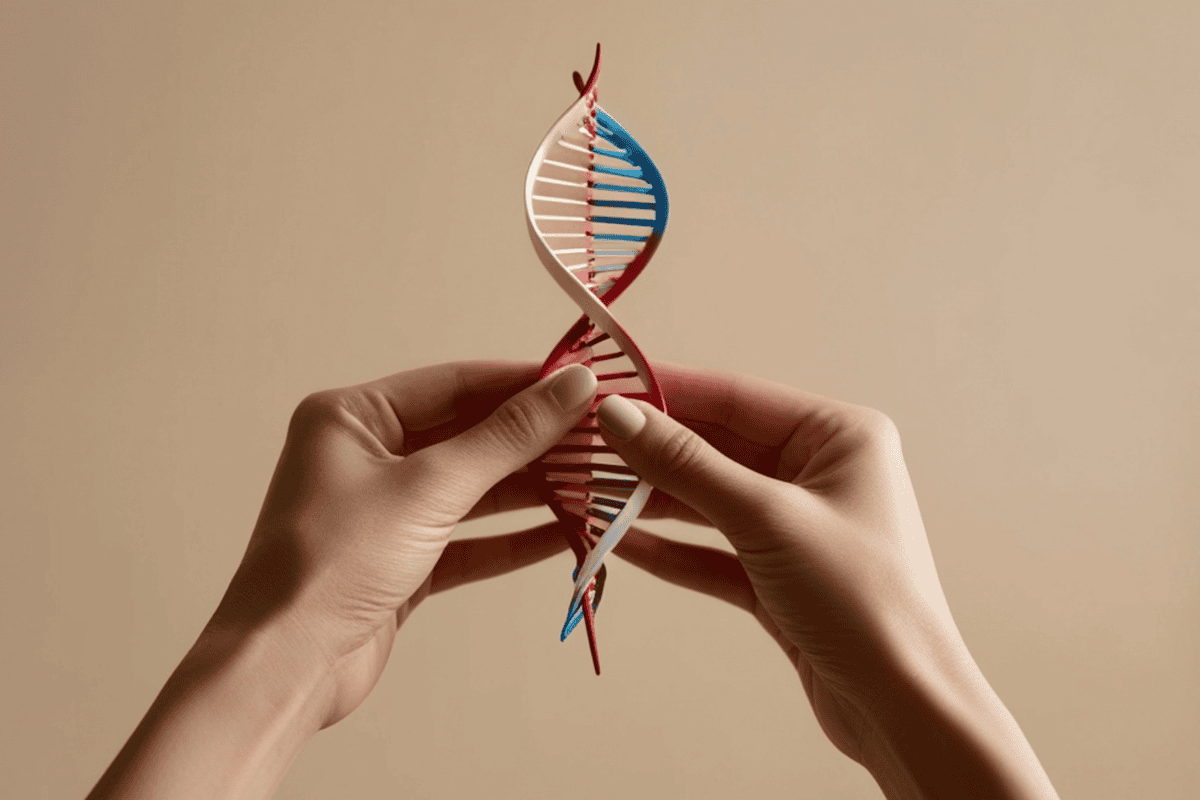
The answer lies within cells. Our body is made up of trillions of cells, each performing specific functions, from fighting infections to repairing tissues. Inside every cell is DNA that tells it what to do and when. Sometimes, changes in this DNA occur, and these are called genetic mutations.
While most mutations are harmless or quickly repaired, some can disrupt how cells grow and divide. When the wrong mutations happen in the wrong genes, they can cause normal cells to become cancerous.
Let's take a look at what genetic mutations are, how genetic mutations lead to cancer, and what treatments and prevention tips are available.
What are genetic mutations?
If you're wondering what is genetic mutation cancer, let’s first understand what genetic mutation is. It’s a change in a cell's DNA sequence.
Your DNA contains the instructions that guide every function in your body. A mutation is like an error in those instructions that can be small or large, harmless or harmful.
How DNA changes occur
Mutations happen in different ways. Sometimes they occur naturally during cell division, and occasionally, copying errors slip through. At other times, external factors such as radiation, chemicals, or viruses can damage DNA.
Most of these changes are caught and fixed by the body's repair systems. But when they're not, the altered instructions stay in the cell and get passed on.
Inherited vs acquired mutations
There are two main types of genetic mutations lead to cancer:
- Inherited mutationsare passed down from your parents. You're born with a damaged gene in every cell of your body. But don’t worry, it doesn't guarantee you'll develop cancer.
- Acquired mutationsdevelop during your lifetime due to environmental exposure, lifestyle factors, or random errors during cell division. Most cancers are caused by acquired mutations, not inherited ones.
Understanding whether is cancer genetic mutation inherited or acquired helps doctors assess your risk and plan your cancer screening test schedule accordingly.
How does the genetic mutation cause cancer?
So how exactly do these DNA changes turn into a genetic mutation cancer? Cancer usually develops when multiple mutations build up over time, each one pushing the cell closer to abnormal growth.
Let’s see how genetic mutation cause cancer at the cellular level:
1. Disrupted cell growth signals
Normal cells follow strict rules. They grow, divide when needed, and die when they're old or damaged.
but when mutations occur in genes that control growth, cells can ignore these rules. They start dividing uncontrollably and refuse to die. This is the difference between normal cell and cancer cell - one follows instructions, the other doesn't.
2. Activation of oncogenes
Proto-oncogenes are normal genes that help cells grow. When they mutate, they become oncogenes that push cells to grow nonstop, even when they should stop.
3. Loss of tumor suppressor genes
Tumor suppressor genes slow cell division and repair DNA damage. When these genes mutate and stop working, there's nothing to stop abnormal cells from multiplying. The most well-known example is the p53 gene, often called the “guardian of the genome.”Tumor suppressor genes slow cell division and repair DNA damage. When these genes mutate and stop working, there's nothing to stop abnormal cells from multiplying. The most well-known example is the p53 gene, often called the “guardian of the genome.”
4. Failure of DNA repair mechanisms
Your body has built-in systems that fix DNA damage every day. But when the repair genes themselves are broken, mistakes pile up faster. This increases cancer risk genetic mutations.
Types of genetic mutations in cancer
Not all mutations look or act the same. Some can cause tiny changes in the DNA code, while others affect entire sections of chromosomes.
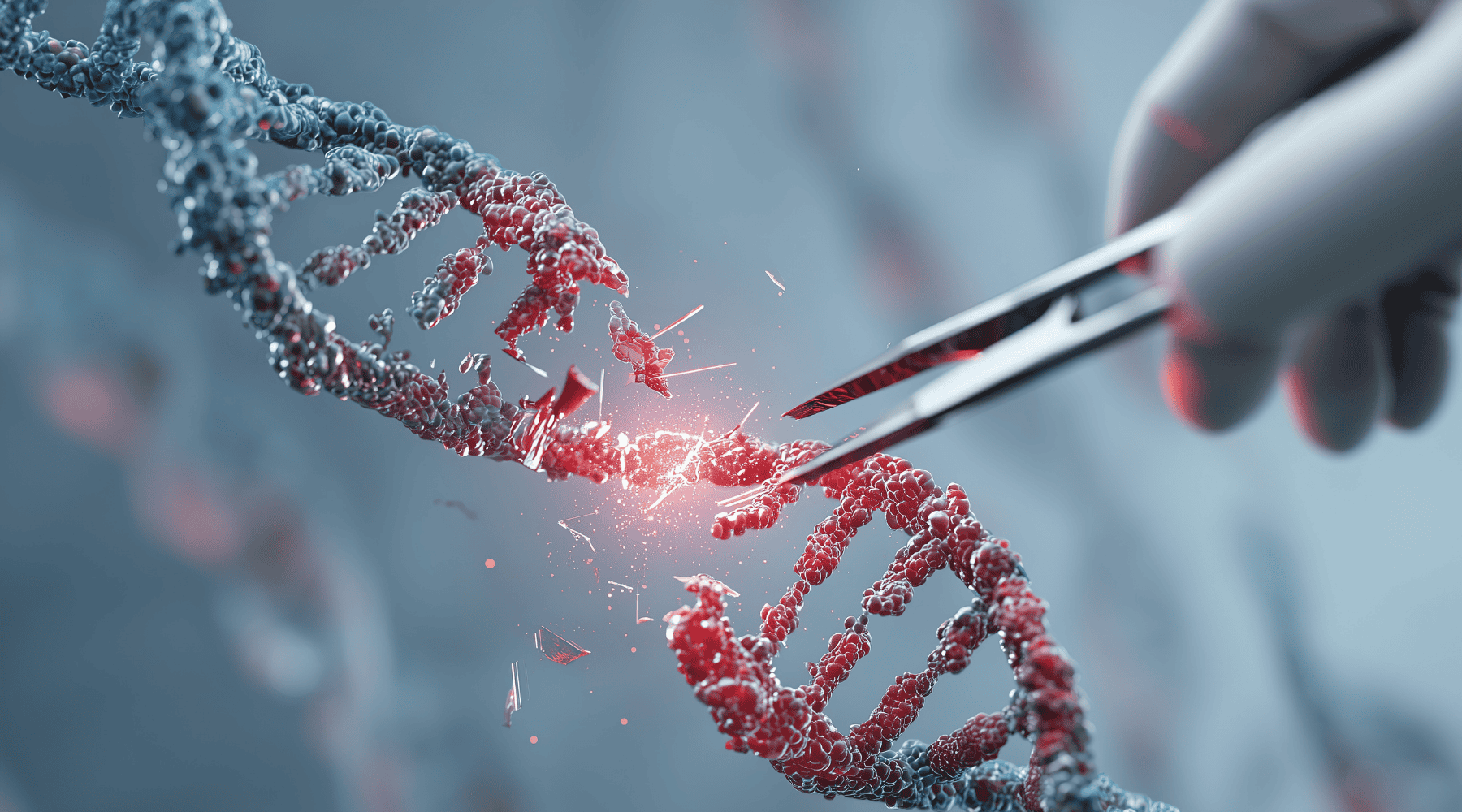
Here are the main types of genetic mutations in cancer:
- Point mutationsA single “letter” in the DNA code gets swapped, deleted, or added. These are common in genes like KRAS and BRAF.
- Insertions and deletionsExtra DNA gets added, or a piece goes missing, which can disrupt gene function.
- Copy number variationsThese involve having too many or too few copies of a gene. Some breast cancers have extra copies of the HER2 gene, which makes cells grow faster.
- Chromosomal rearrangementsLarge sections of DNA break off and reattach in the wrong place, activating oncogenes or disabling tumor suppressor genes.
- Epigenetic changesThese don't change DNA itself but affect how genes are turned on or off, contributing to the development of genetic mutation cancer over time.
Common cancers linked with genetic mutations

Some cancers are more strongly tied to genetic mutations. Let's take a look at them:
- Breast and ovarian cancerare often linked to BRCA1 and BRCA2 mutations.
- Colorectal cancercan be caused by mutations in genes like APC or those involved in Lynch syndrome.
- Lung cancerfrequently involves mutations in EGFR, ALK, or KRAS genes. Many of these are acquired from smoking or environmental exposure.
- Melanomais associated with mutations in the BRAF gene. This specific change drives rapid cell division in skin cells.
- Leukemia and lymphomaoften involve chromosomal rearrangements. The BCR-ABL fusion gene in chronic myeloid leukemia is one well-studied example.
Risk factors for cancer-related genetic mutations
While some mutations happen randomly, some factors increase the chances of DNA damage that can lead to cancer.
- Family historyIf close relatives have had cancer, especially at a young age, you may have inherited a mutation. Talk to a doctor about genetic testing if you notice patterns like multiple family members with breast, ovarian, or colon cancer.
- AgeAs you get older, cells divide more times, increasing the chance of copying errors. This is why cancer risk genetic mutations become more common with age, but it doesn’t mean errors will definitely happen with age.
- Radiation exposureHigh doses of radiation, whether from medical treatments, nuclear accidents, or occupational exposure, can damage DNA. Even lower doses over long periods may lead to genetic mutation cancer.
- Tobacco useThe chemicals in tobacco enter your bloodstream and can cause mutations throughout your body. This includes cancers of the mouth, throat, bladder, and pancreas.
- Viral infectionsSome viruses insert their genetic material into your cells, triggering mutations. HPV is linked to cervical cancer , while hepatitis B and C increase liver cancer risk. Epstein-Barr virus is associated with certain lymphomas.
How are genetic mutations diagnosed?
If the doctor suspects you may carry a cancer-related mutation, the first test they'll likely recommend is genetic testing. This involves analyzing your blood or saliva to look for inherited mutations.
They may also recommend tumor genomic profiling if you've already been diagnosed with cancer. This test examines the tumor itself to find specific mutations driving its growth. It's part of cancer diagnostics and helps identify which targeted therapies might work best for you.
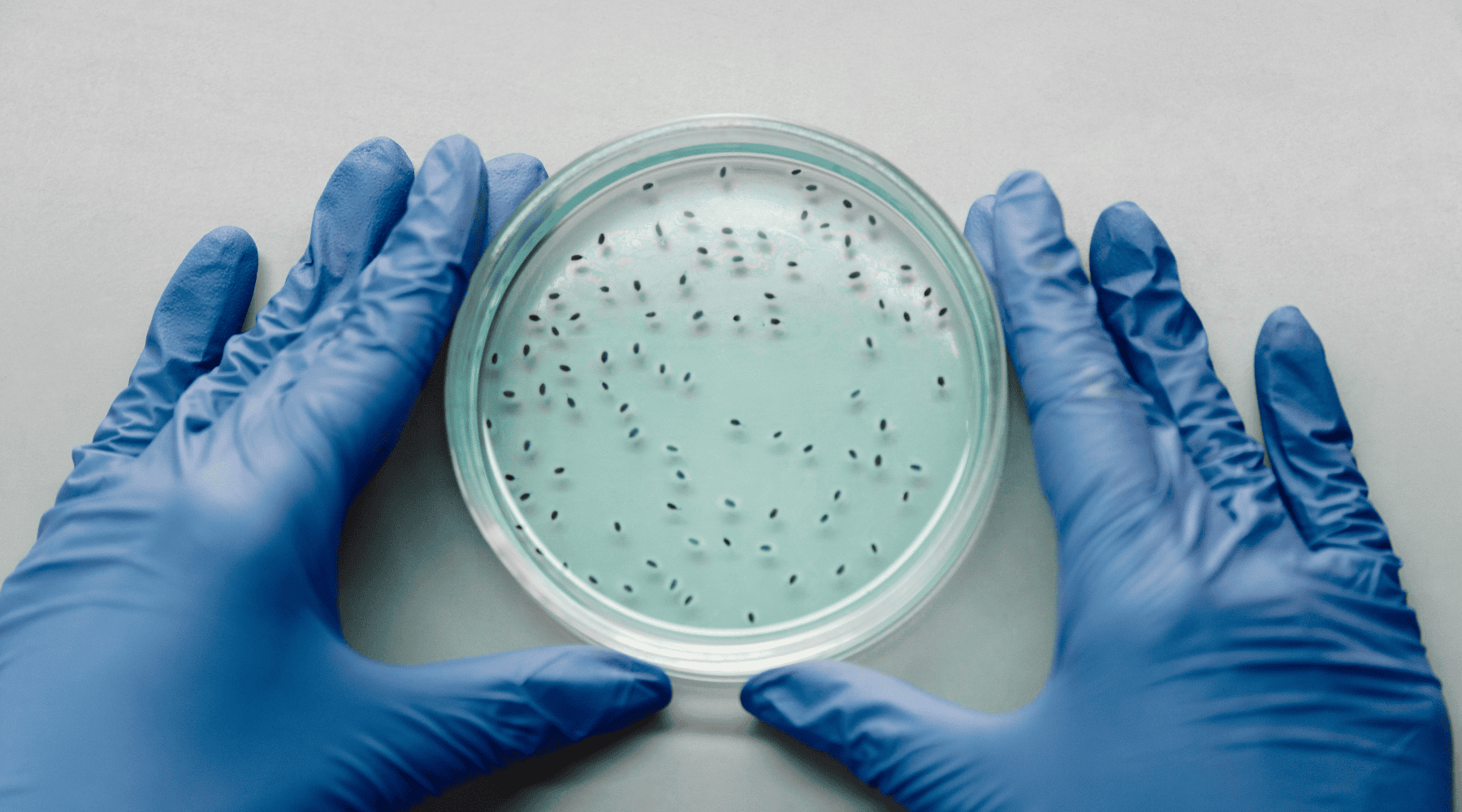
In some cases, liquid biopsies are used to find cancer risk genetic mutations. These blood tests detect cancer DNA circulating in your bloodstream. They're less invasive and can monitor how well care is working or catch changes early.
Together, these tests give your care team the details they need to plan your genetic mutation cancer treatment.
Treatment of cancers caused by genetic mutations
Once doctors identify the specific mutations in your cancer, they can tailor treatment to target those changes. Here are some cancer treatment options:
- Targeted therapyuses drugs designed to attack cancer cells with specific genetic mutations. For example, if your tumor has an EGFR mutation, certain drugs can block the signals that make cancer cells grow.
- Immunotherapyhelps your immune system recognize and fight cancer. Some genetic mutation cancer treatment options boost the immune response in tumors with high mutation rates or specific markers like PD-L1.
- Chemotherapyworks by killing fast-growing cells, including cancer cells. It might come with cancer fatigue and is often combined with other treatments when tumour has spread or when targeted options aren't available.
- Hormone therapyFor cancers like breast or prostate cancer that rely on hormones to grow, hormone therapy can block or lower hormone levels. This slows or stops genetic mutation cancer growth.
- Precision oncology and personalized medicinecreates a genetic mutation cancer treatment plan built just for you based on your tumor's genetic profile. It may combine targeted drugs, immunotherapy, and other approaches tailored to your unique case.
Can cancer risk genetic mutations be prevented?
You can't prevent inherited mutations since you're born with them. But there are steps you can take to reduce your risk of acquired mutations that develop over time.
- Lifestyle choicesYour daily choices can help reduce DNA damage. Avoiding tobacco and limiting alcohol are two things you must do. Eating a balanced diet and staying physically active also helps lower your risk of mutations.
- Screening for hereditary mutationsIf cancer runs in your family, genetic counseling and testing can identify inherited mutations early. It gives you peace of mind and helps you stay on top of your health with regular check-ins.
- Preventive surgeriesIn rare cases, people with very high-risk mutations (like BRCA1 or BRCA2) may choose preventive surgery to remove at-risk tissue. It’s a personal decision made after careful discussion with doctors and genetic counselors.
- Genetic counselingGenetic counselors help you understand your test results, assess your risk, and explore options. They also provide emotional support and connect you with resources.
Understanding Mutations, Protecting Your Health
Genetic mutation cancer occurs when disruptions in DNA cause cells to grow abnormally. These changes can come from inherited factors or develop over time due to lifestyle, environment, or errors during cell division.
While you can't control inherited mutations, medicine has come a long way. Doctors can now recommend treatments tailored to your specific genetic profile, including targeted therapies and immunotherapy that work with your body's unique DNA.
By eating well, staying active, avoiding tobacco, and getting regular screenings, you can catch issues early and support your body's natural defenses.
If you're looking for expert cancer care or need a thorough diagnosis, Everhope Oncology.
FAQs on genetic mutation cancer
Are inherited mutations common?
No, most cancers are caused by acquired mutations, not inherited ones. Only about 5-10% of cancers are linked to inherited genetic mutations.
Can lifestyle factors cause DNA mutations?
Yes. Smoking, excessive alcohol, poor diet, and radiation exposure can all damage DNA and increase the risk of genetic mutations lead to cancer.
Can genetic mutations always lead to cancer?
No. Most mutations are harmless or repaired by the body. Genetic mutation cancer typically requires multiple mutations in specific genes over time, not just one change.