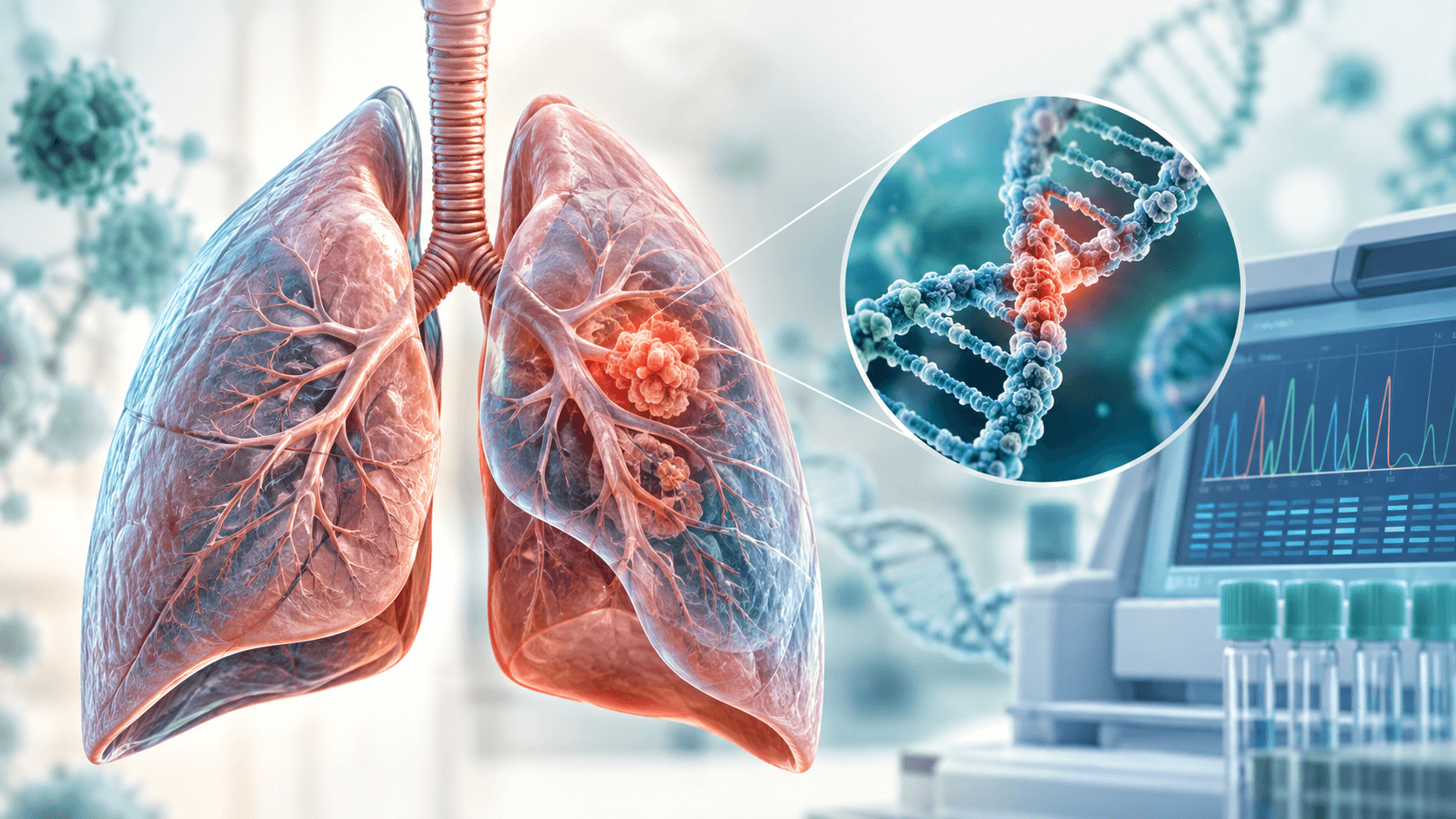

Multiple Endocrine Neoplasia - Symptoms, Types and Treatment

Dr. Vrundali Kannoth•5 minutes•07 Jan 2026
The genetic counsellor's words caught you off guard: "Have any relatives had issues with their parathyroid or pituitary glands?" You pause. Actually, yes, one of your loved ones had surgery years ago, and wasn't there something else, too?
Suddenly, what seemed like random health problems across your family start forming an uncomfortable pattern.
Let's explore what multiple endocrine neoplasia (MEN) means and why understanding it is so important for you and your family.
What is multiple endocrine neoplasia?
It's a group of rare inherited disorders causing tumours in multiple hormone-producing glands. Unlike sporadic types of cancer affecting single organs, this syndrome creates predictable tumour patterns across several glands.
Multiple endocrine neoplasia definition centres on tumours developing in at least two endocrine organs. These may be benign or malignant, but even benign growths cause serious problems through excessive hormone production.
Moreover, there are three distinct multiple endocrine neoplasia types - MEN1, MEN2 (subdivided into 2A and 2B), and MEN4. Each follows unique genetic patterns and affects different gland combinations.

Understanding the endocrine system
Your endocrine system comprises hormone-producing glands: pituitary (brain), parathyroids (neck), thyroid, adrenals, pancreatic islets, and others.
These glands regulate metabolism, growth, reproduction, stress response, calcium balance, and blood sugar through precise hormone release.
Each gland releases specific hormones controlling distinct body functions. The pituitary acts as the master gland, directing other endocrine organs through hormone signals.
When tumours develop, two problems emerge: masses compressing nearby structures and hormone overproduction, creating metabolic chaos.
Understanding multiple endocrine neoplasia types
Each syndrome type follows distinct patterns, helping doctors predict which glands require monitoring.
Multiple endocrine neoplasia type 1 (MEN1)
Multiple endocrine neoplasia type 1 affects approximately 1 in 30,000 people. Caused by MEN1 gene mutations (chromosome 11), this creates tumours in the "three Ps": parathyroids, pituitary, and pancreatic islets.
- •Parathyroid involvementOccurs in 90-95%, typically appearing first, often in the 20s or 30s. Multiple glands develop adenomas, causing hyperparathyroidism with elevated calcium, kidney stones, bone weakness, and cancer fatigue.
- •Pituitary tumoursAffect 40-50%. Prolactinomas cause irregular periods, infertility, and breast milk production in women; sexual dysfunction in men. Non-functioning adenomas may cause headaches and vision problems.
- •Pancreatic neuroendocrine tumoursDevelop in 40-70%. Gastrinomas cause severe ulcers and nausea. Insulinomas trigger dangerous hypoglycaemia. Non-functioning tumours may transform into malignancies, representing the leading cause of death in MEN1 patients.
Multiple endocrine neoplasia type 1 affects approximately 1 in 30,000 people. Caused by MEN1 gene mutations (chromosome 11), this creates tumours in the "three Ps": parathyroids, pituitary, and pancreatic islets.
Additional features include adrenal tumours, thyroid nodules, meningioma, skin lesions, and increased breast cancer risk.
Multiple endocrine neoplasia type 2 (MEN2)
Multiple endocrine neoplasia type 2 stems from RET gene mutations (chromosome 10), subdividing into 2A and 2B.
- •MEN2A characteristicsMedullary thyroid cancer occurs in nearly 100% of patients, often in childhood or early adulthood. Unlike common thyroid cancers that generally carry good prognoses, medullary variants spread more aggressively and require more intensive monitoring.
- Phaeochromocytomas (adrenal tumours) develop in 50%, causing dangerous blood pressure spikes, sometimes reaching crisis levels requiring emergency treatment.
- •MEN2B:Represents the most aggressive variant, often diagnosed in infancy or early childhood. Medullary thyroid cancer develops earlier and behaves more aggressively than MEN2A, frequently spreading before age 5.
- Patients develop characteristic features, such as prominent lips, tongue neuromas (visible bumps on the tongue), elongated body habitus, and thickened eyelids.
Multiple endocrine neoplasia type 3
This was the former term for what's now called MEN2B. The renaming occurred to better classify the RET-related syndromes together whilst distinguishing them from MEN1 and MEN4.
Multiple endocrine neoplasia type 4
This represents the newest addition, identified in 2011. Caused by CDKN1B gene mutations, it resembles MEN1 clinically, but genetic testing reveals no MEN1 mutations.
Recognising multiple endocrine neoplasia symptoms
Multiple endocrine neoplasia symptoms depend on which glands develop tumours.
Parathyroid-related:
- •Kidney stones (often the first sign)
- •Bone pain and fractures
- •Extreme fatigue, weakness
- •Abdominal pain, constipation, nausea
Pituitary-related:
- 1. Headaches and vision changes
- 2. Unexplained milk production
- 3. Sexual dysfunction

Talk to experts. Understand your reports. Get a personalized diet plan — all free to start.
Pancreatic tumour symptoms:
- •Severe, recurrent stomach ulcers
- •Low blood sugar episodes
- •Chronic diarrhoea
Thyroid cancer signs:
- •Neck lump or swelling
- •Voice changes, hoarseness
- •Difficulty swallowing
Phaeochromocytoma:
- •Episodic severe headaches
- •Profuse sweating
- •Rapid heartbeat
- •Dangerous blood pressure spikes
These cancer symptoms and signs of cancer often appear gradually, mimicking common conditions. Family history awareness prompts earlier evaluation.
Causes and genetic factors of multiple endocrine neoplasia
Unlike cancer risk factors involving lifestyle, multiple endocrine neoplasia results from inherited genetic mutations.
Inherited gene mutations
- •MEN1 geneProduces menin protein functioning as a tumour suppressor. Mutations disable this protection, allowing uncontrolled growth in hormone-producing tissues. Over 1,300 different MEN1 mutations exist.
- •RET geneEncodes a receptor protein involved in cell signalling. Specific RET mutations correlate with MEN2A versus MEN2B and predict aggressiveness.
- •CDKN1B mutationsRecently identified in MEN4, this gene also functions as a tumour suppressor.
Family history importance
Multiple endocrine neoplasia syndrome follows autosomal dominant inheritance, and children of affected parents face a 50% chance of inheriting the mutation. Penetrance and severity vary significantly even within families.
Approximately 10% represent de novo mutations, new genetic changes occurring spontaneously rather than being inherited.
Screening relevance
Identifying mutation carriers before tumours develop enables surveillance to catch lesions when they are small and treatable. Knowing carrier status also informs reproductive decisions and alerts extended family members.
How doctors diagnose multiple endocrine neoplasia
Multiple endocrine neoplasia diagnosis combines clinical features, biochemical testing, imaging, and genetic confirmation.
Genetic testing and blood tests
- •Genetic testingDirect DNA sequencing identifies MEN1, RET, or CDKN1B mutations. Testing occurs when clinical features suggest a syndrome or when a family member carries a known mutation.
- •Blood testsComprehensive hormone panels assess calcium, parathyroid hormone, prolactin, IGF-1, gastrin, insulin, calcitonin, and plasma metanephrines.
Imaging and hormone evaluation
- •Cross-sectional imagingMRI or CT scans visualise pituitary, pancreatic, and adrenal tumours. Ultrasound is used to evaluate the thyroid and parathyroid glands.
- •Functional imagingSpecialised scans (gallium-68 dotatate PET, MIBG) detect lesions that conventional imaging misses.
Family screening and risk assessment
Once a diagnosis is confirmed in one member, cascade testing is used to evaluate relatives. First-degree relatives receive priority screening. Children typically begin surveillance around age 5 for MEN1, earlier for MEN2B.
Treatment approaches for multiple endocrine neoplasia
Multiple endocrine neoplasia treatment requires coordinated multidisciplinary care addressing each affected gland.
Surgical interventions
- •ParathyroidectomyRemoving abnormal parathyroid glands remains the primary treatment. Surgeons often remove 3.5 glands or all glands with autotransplantation, anticipating multiple gland involvement.
- •Prophylactic thyroidectomyFor RET mutation carriers, removing the thyroid before cancer develops prevents inevitable medullary thyroid cancer. Timing depends on the specific mutation.
- •Pituitary surgeryTranssphenoidal resection removes adenomas causing compression or hormone excess.
- •Pancreatic surgeryComplex decisions balance malignancy risk against surgical morbidity.
- •AdrenalectomyPhaeochromocytomas require careful preoperative blood pressure control followed by surgical removal.
Medical management
- •Hormone replacementPost-surgical hypoparathyroidism necessitates calcium and vitamin D. Thyroidectomy requires lifelong thyroid hormone.
- •Dopamine agonistsMedications like cabergoline shrink prolactinomas.
- •Somatostatin analoguesControl hormone secretion from pancreatic neuroendocrine tumours.
- •Targeted therapyEverolimus shows activity against progressive pancreatic tumours in MEN1.
Even after cancer treatment, lifelong monitoring remains essential. Annual screening includes hormone panels and imaging appropriate for syndrome type.
Moving forward with genetic diagnosis
Learning you carry multiple endocrine neoplasia mutation provokes anxiety, but knowledge enables action to protect your health.
Make sure you look for specialists who have experience in managing these rare syndromes. Seek academic medical centres with dedicated familial tumour programmes.
Connect with genetic specialists experienced in hereditary tumour syndromes.
FAQs
Your Questions Answered
Not all tumours are cancerous, as many remain benign. However, malignancy risk varies by type; medullary thyroid cancer in MEN2 approaches 100%, whilst MEN1 pancreatic tumours transform variably.
Yes, it follows autosomal dominant inheritance; each child has a 50% chance of inheriting the mutation from an affected parent, though 10% represent new mutations.
No multiple endocrine neoplasia cure exists, but proactive surveillance and timely intervention enable excellent long-term outcomes, with many patients maintaining a good quality of life through appropriate management.

Table of Content
- What is multiple endocrine neoplasia?
- Understanding the endocrine system
- Understanding multiple endocrine neoplasia types
- Recognising multiple endocrine neoplasia symptoms
- Causes and genetic factors of multiple endocrine neoplasia
- Inherited gene mutations
- How doctors diagnose multiple endocrine neoplasia
- Treatment approaches for multiple endocrine neoplasia
- Moving forward with genetic diagnosis