WhatIsSarcoma? Understanding This Rare Cancer in Detail
Dr. Vrundali Kannoth|5 min read|
Most people have heard of breast, lung, or colon cancer. But when your doctor says sarcoma, you might feel confused and worried about something unfamiliar.
Understanding what is sarcoma can feel overwhelming because it's not just one disease. It's actually a group of rare cancers that behave differently from the more common types.
You're not alone in feeling uncertain. Sarcomas are rare, representing only about 1% of all adult cancers in India . This rarity means fewer people have heard about them, but excellent treatment options exist.
Let's walk through
what sarcoma means, where it develops, and what you need to know. Knowledge helps reduce fear and empowers you to face this challenge.
What is sarcoma?
Sarcoma meaning refers to cancers that develop in the body's connective tissues. These include bones, muscles, fat, blood vessels, nerves, cartilage, and fibrous tissues holding your body together.
Is sarcoma cancer?
Yes, absolutely. Sarcoma cancer is malignant, meaning cells grow uncontrollably and can spread to other body parts. The term comes from Greek word "sarkoma" meaning fleshy growth.
Unlike carcinomas (cancers starting in epithelial tissues lining organs and skin), sarcomas arise from mesenchymal tissues, which is the structural framework of your body. This fundamental difference affects how they grow, spread, and respond to treatment.
While sarcoma cases are rare compared to other types of cancer, they require specialised care from experienced oncology doctors.
Where does sarcoma develop in the body?
Sarcomas can develop virtually anywhere connective tissue exists, which means almost anywhere in your body.
Most common locations:
•Arms and legs
(extremity sarcoma accounts for 50-60% of cases)
•Abdomen and retroperitoneum
(back of abdominal cavity)
•Chest wall and trunk
•Head and neck region
•Internal organs
(rare)
Research shows that limb sarcomas have better outcomes than those in trunk or abdominal locations. This relates to surgical accessibility and ability to achieve clear margins.
Types of sarcoma
Over 70 different types of sarcoma exist, broadly divided into bone sarcomas and soft tissue sarcomas. Each type has unique characteristics, treatments, and prognoses.
Bone sarcomas
These malignant sarcoma types develop in bone tissue itself.
•Osteosarcoma
Most common primary bone cancer, typically affecting teens and young adults. It usually develops in long bones - arms, legs, especially around knees.
•Chondrosarcoma
Develops in cartilage, more common in adults over 40. It grows slowly compared to osteosarcoma. Pelvic bones, ribs, and shoulder blades are frequent sites.
•Ewing sarcoma
Aggressive cancer affecting children and young adults, usually in pelvis, ribs, or long bones. It responds well to chemotherapy combined with surgery or radiation therapy.
Soft tissue sarcomas
These develop in muscles, fat, blood vessels, nerves, and connective tissues throughout the body.
•Liposarcoma
Arises from fat cells, most common soft tissue sarcoma in adults. It often develops in thighs, behind knees, or in abdomen. Several subtypes exist with varying aggressiveness.
•Leiomyosarcoma
Develops from smooth muscle cells lining blood vessels, organs, or uterus. Common sites include abdomen, uterus, and blood vessel walls.
•Rhabdomyosarcoma
Arises from skeletal muscle cells, most common soft tissue sarcoma in children. Adults can develop it too, though less frequently.
•Synovial sarcoma
Develops near joints despite the name suggesting synovial tissue origin. It typically affects young adults, most commonly around knees.
•Gastrointestinal stromal tumours (GIST)
Develop in digestive tract walls, technically a sarcoma though behaving differently. Targeted treatments have dramatically improved outcomes.
According to Indian cancer registry data , liposarcoma and leiomyosarcoma are most common soft tissue sarcomas in Indian adults.
Symptoms and causes
Understanding sarcoma symptoms and sarcoma cancer causes helps you recognise warning signs of sarcoma and risk factors.
What causes sarcoma?
Sarcoma cancer causes aren't fully understood, but several sarcoma risk factors have been identified.
Genetic mutations:
Genetic mutations: Most sarcomas develop from random DNA changes without clear cause. However, inherited conditions increase risk:
•Li-Fraumeni syndrome
•Neurofibromatosis type 1
•Familial adenomatous polyposis
•Retinoblastoma
Previous radiation exposure:
Prior radiation therapy for other cancers increases sarcoma risk in treated areas. Risk emerges 5-10 years after radiation, sometimes decades later.
Chemical exposures:
Industrial chemicals like vinyl chloride, arsenic, and dioxins are linked to sarcoma development. Occupational exposures in certain industries elevate risk.
Chronic swelling (lymphedema):
Long-standing arm or leg swelling rarely triggers angiosarcoma development, typically years after breast cancer treatment affecting lymph drainage.
Viral infections:
Human herpesvirus 8 (HHV-8) is linked to Kaposi sarcoma, particularly in immunocompromised individuals. This type is rare in India compared to Western countries.
What are the symptoms of sarcoma?
Signs of sarcoma vary significantly by location and type. Many develop slowly without causing symptoms initially.
Common indicators:
•Painless lump or swelling
(most common first sign)
•Sarcoma pain
developing as tumour grows, presses nerves, or invades tissues
•Restricted movement
if tumour affects joints or muscles
•Numbness or tingling
if nerves are compressed
•Abdominal pain or bloating
for internal sarcomas
•Unexplained weight loss
•Cancer fatigue and general weakness
Early vs. late sarcoma symptoms:
Early-stage sarcomas often cause no symptoms beyond a growing lump. Extremity sarcoma may present as painless thigh or arm swelling, easily mistaken for benign lipomas or cysts.
Late-stage symptoms include pain, functional impairment, and systemic cancer symptoms like weight loss and fatigue. Multiple sarcoma sites indicate metastatic disease.
Diagnosis and staging
Sarcoma diagnosis requires specialised expertise because these cancers are rare and easily confused with benign conditions.
How is sarcoma diagnosed?
Physical examination:
Your doctor assesses the lump's size, consistency, mobility, and tenderness. They examine for signsofcancer spread including enlarged lymph nodes or organ involvement.
Imaging tests:
•MRI
Gold standard for soft tissue sarcomas, showing tumour extent and relationship to nearby structures
•CT scan
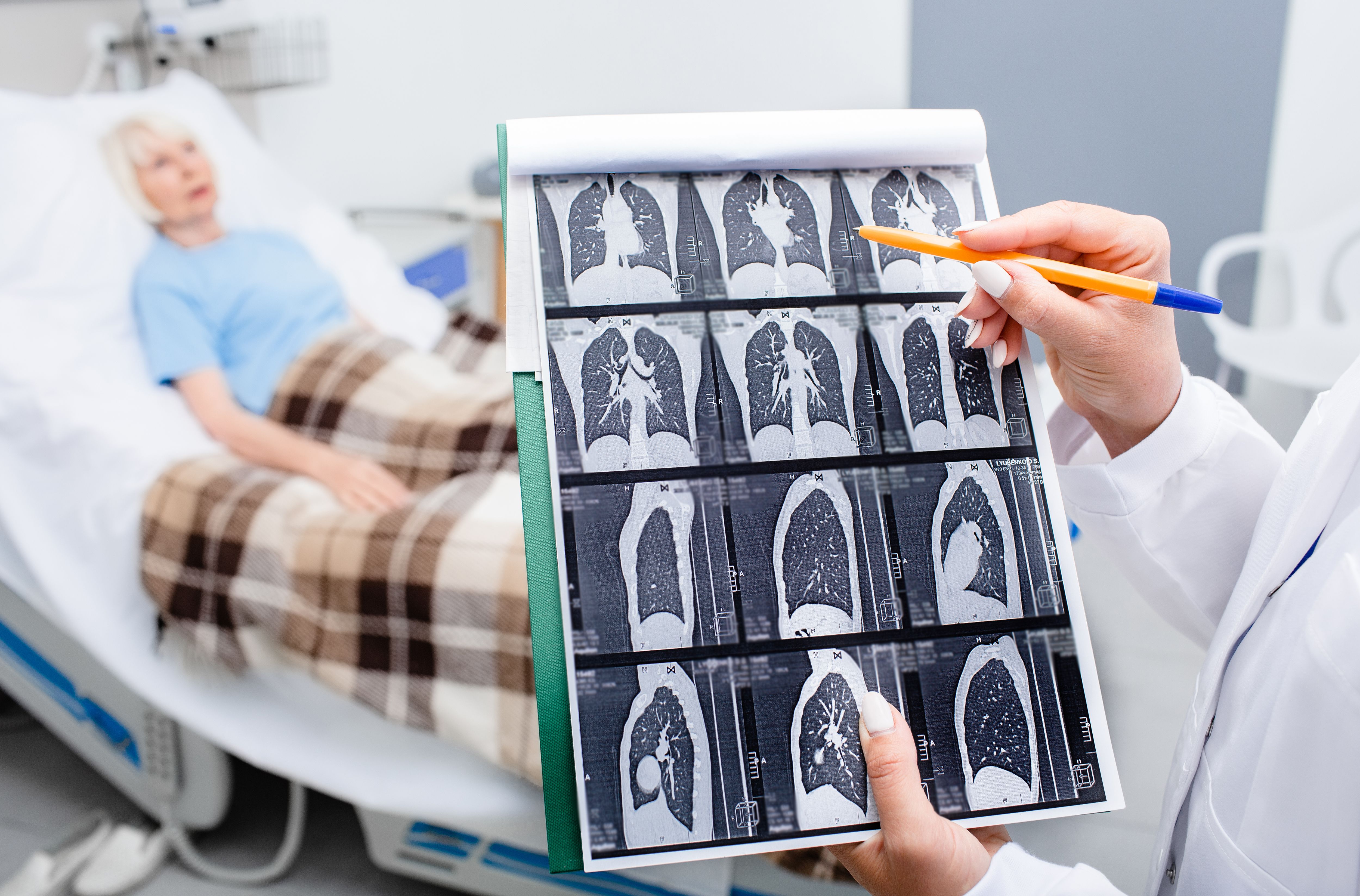
Evaluates chest for metastases and provides detailed abdominal imaging
•PET scan
Identifies metabolically active cancer cells, useful for staging
•X-ray
Initial test for bone sarcomas showing bone destruction or abnormal growth
Biopsy:
Tissue diagnosis is essential before treatment planning. Core needle biopsy obtains tissue samples through skin using imaging guidance. Open biopsy surgically removes tissue when needle biopsy is insufficient.
Biopsy technique matters tremendously. Improper biopsy placement can complicate subsequent surgery. Always have biopsies performed at centres experienced in sarcoma management.
Pathology evaluation:
According to comprehensive sarcoma statistics, stage significantly influences sarcoma cancer survival rate. Five-year survival ranges from 70-75% for stage I to 10-20% for stage IV disease.
Stages of sarcoma
Sarcoma staging uses the TNM system combined with tumour grade, creating overall stages of cancer from I to IV.
•Stage I:
Low-grade tumour, any size, localised without spread. Best prognosis with surgical treatment alone often sufficient.
•Stage II:
High-grade tumour or larger low-grade tumour, still localised. Requires surgery plus additional treatments like radiation therapy or chemotherapy.
•Stage III:
High-grade tumour with lymph node involvement or multiple tumours in same area. More aggressive treatment needed.
•Stage IV:
Cancer spread to distant organs, typically lungs. Metastatic disease requiring systemic cancer treatment approaches.
According to comprehensive sarcoma statistics , stage significantly influences sarcoma cancer survival rate. Five-year survival ranges from 70-75% for stage I to 10-20% for stage IV disease.
Treatment and management
Surgery:
Primary sarcoma cancer treatment whenever possible. Goal is complete tumour removal with clear margins, like healthy tissue surrounding cancer. Limb-sparing surgery preserves function while achieving cancer control in most extremity sarcoma cases.
Amputation is rarely necessary today, reserved for situations where limb-sparing surgery can't safely remove all cancer.
Radiation therapy:
Often given before surgery (neoadjuvant) to shrink tumours or after surgery (adjuvant) to eliminate microscopic disease. Modern techniques precisely target tumours while protecting nearby healthy tissues.
Chemotherapy:
Effectiveness varies by sarcoma type. Ewing sarcoma, rhabdomyosarcoma, and osteosarcoma respond well. Many soft tissue sarcomas show limited chemotherapy benefit except for specific subtypes.
Chemotherapy may be given before surgery, after surgery, or for metastatic disease. Common regimens include doxorubicin, ifosfamide, and others depending on tumour type.
Targeted therapy:
Targeted therapy blocks specific molecular pathways driving cancer growth. Imatinib revolutionised GIST treatment. Other targeted drugs work for specific sarcoma subtypes with particular genetic changes.
Immunotherapy:
Immunotherapy using checkpoint inhibitors shows promise for certain sarcomas, though responses aren't as dramatic as in some other cancers.
Sarcoma medication for symptom management:
Pain control is essential. Options range from over-the-counter medications to strong opioids for sarcoma pain. Bisphosphonates help bone pain from metastases.
Conclusion
Sarcoma represents a diverse group of rare cancers arising from connective tissues throughout your body. While uncommon, they require specialised expertise for optimal outcomes.
Sarcoma prevention isn't truly possible since most cases develop randomly. However, avoiding unnecessary radiation exposure and occupational carcinogen protection reduces risk modestly.
Living with sarcoma brings challenges, such as physical, emotional, and practical. Don't hesitate seeking support from counsellors, support groups, or patient advocacy organisations. You don't have to face this alone.
Connect with experienced sarcoma specialists and oncology doctors who understand these rare cancers. Expert care at centres treating high volumes of sarcoma patients significantly improves your chances of successful treatment and long-term survival.
Questions
FAQs
What is the survival rate of sarcoma?+
Sarcoma cancer survival rate varies dramatically by type, stage, and grade. Overall five-year survival is approximately 65% for localised disease, 35% for regional spread, and 15% for metastatic sarcoma.
Can sarcoma come back after treatment?
+
Yes, sarcoma can recur after treatment. Local recurrence at the original site occurs in 10-30% of cases, depending on type and treatment adequacy. Distant metastases develop in 20-50% of high-grade sarcomas.