UnderstandingVerrucousCarcinoma: Symptoms, Causes and Treatment
Dr. Vrundali Kannoth|5 min read|
The dermatologist examines the thick, white patch in your mouth that's been there for months. It looks warty, cauliflower-like. She mentions needing a biopsy.
Days later, the report arrives: verrucous carcinoma. The word "carcinoma" confirms your fears - it's cancer. But what kind? How aggressive?
This rare cancer variant grows slowly and rarely spreads, yet requires prompt treatment. Understanding it helps you make informed care decisions.
This guide explains
what makes this cancer different, where it develops, and what treatment involves.
What is verrucouscarcinoma?
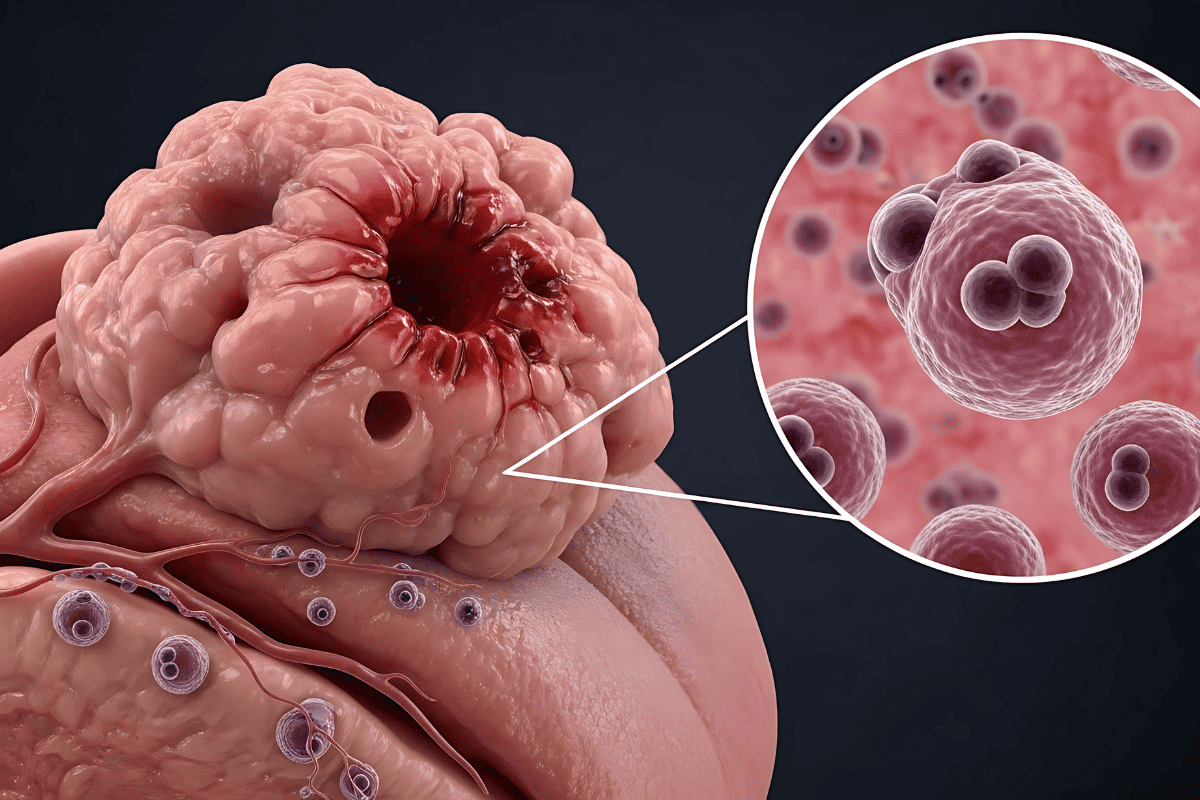
Verrucous carcinoma is a rare, slow-growing variant of squamous cell carcinoma that typically develops in moist areas of the body, such as the mouth, feet, and genitals. Unlike typical types of cancer, this one rarely metastasises (spreads to distant organs).
Verrucous carcinoma meaning comes from its appearance: "verrucous" means wart-like, referring to the characteristic thick, warty growth pattern resembling cauliflower.
Verrucous squamous cell carcinoma represents about 1-2% of all oral cancers and even smaller percentages of skin cancers. While related to squamous cell lung carcinoma by cell type, verrucous carcinoma behaves much less aggressively.
The growth invades locally - destroying nearby tissue through pressure and expansion - but rarely enters blood vessels or lymph nodes. This makes it less dangerous than many cancers, though still requiring treatment.
Types of verrucouscarcinoma
The different types are classified by location, each with distinct characteristics.
Oral verrucous carcinoma
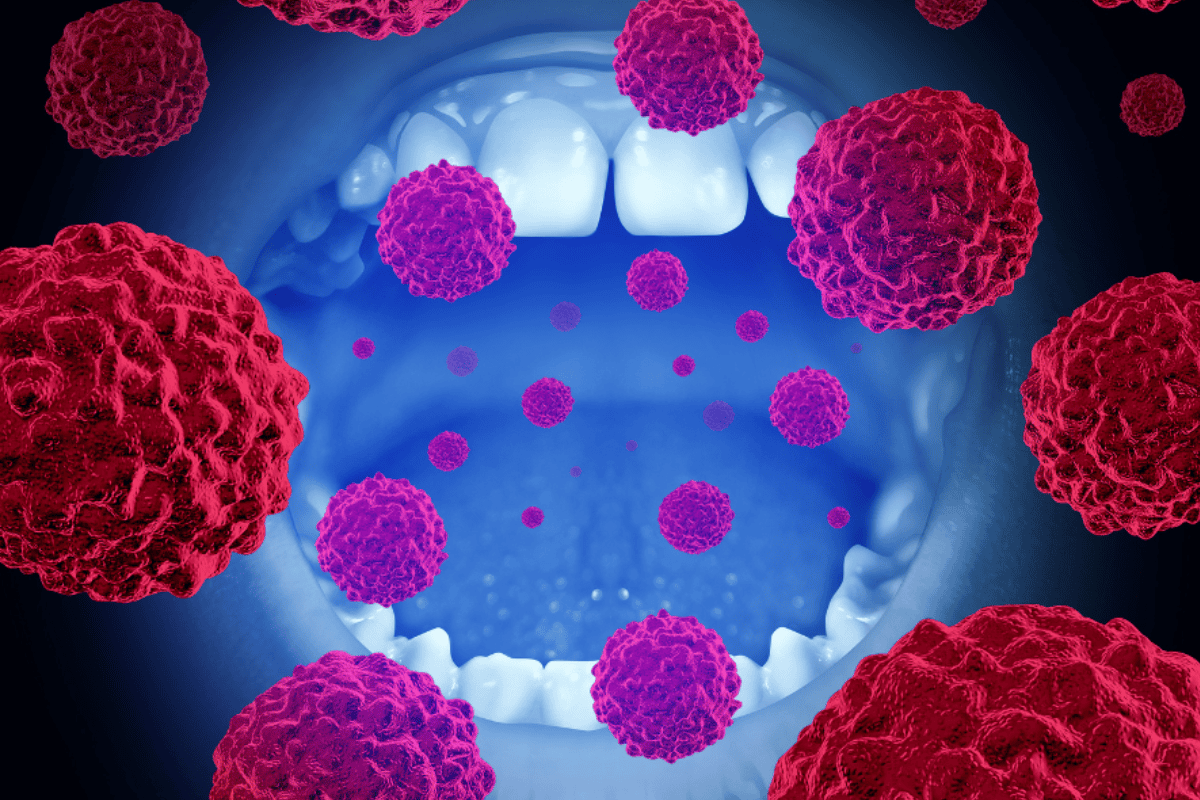
The most common type accounting for 50-60% of cases. Develops on gums, tongue, cheeks, or floor of mouth as thick, white, warty patches.
This type is strongly linked to tobacco chewing, particularly smokeless tobacco, pan, and betel quid use, which is common in India.
Plantar verrucous carcinoma
Also known as epithelioma cuniculatum, this type typically develops on the sole of the foot. Often misdiagnosed as a wart or corn. Grows deeper into the foot tissues, causing pain when walking.
Genital verrucous carcinoma
Known as Buschke-Löwenstein tumour when large. Develops on the penis, vulva, or perianal area. Associated with HPV infection. Grows as large, cauliflower-like masses.
Other rare types of verrucous carcinoma
Verrucous carcinoma occasionally develops in the nasal cavity, larynx (voice box), oesophagus, or anus. The different types in these locations present unique diagnostic and treatment challenges.
Recognising verrucous carcinoma symptoms early
The verrucous carcinoma symptoms vary by location but share common features:
•Thick, white or greyish warty growth
Raised, rough-textured lesion with cauliflower-like appearance
•Slow, painless growth
Develops over months to years without pain initially
•Non-healing sore
Area that doesn't heal despite treatment
•Bleeding with minor trauma
May bleed when brushed or touched
•Difficulty with function
Chewing problems (oral), walking pain (plantar), or sexual dysfunction (genital)
•Local tissue destruction
Invades surrounding bone, muscle, or other structures
These cancer symptoms develop gradually, often leading to delayed diagnosis.
What are verrucouscarcinoma causes and riskfactors
Chronic irritation drives development. Verrucous carcinoma causes centre on repeated cellular stress rather than single genetic mutations.
What causes verrucous carcinoma?
Normal squamous cells undergo malignant transformation yet retain differentiation - still looking relatively normal. Verrucous carcinoma exhibits this well-differentiated nature, explaining its slow growth and minimal metastasis.
Unlike cancers driven by specific mutations, this emerges from cumulative cellular stress. Years of injury, inflammation, and healing exhaust normal defences.
Smokeless tobacco (gutka, pan masala, betel quid) carries the highest risk for oral type.
•Alcohol consumption
Heavy drinking, especially with tobacco, increases oral risk.
•Poor oral hygiene
Neglected dental care, ill-fitting dentures, and chronic infections contribute to irritation.
•Chronic irritation
Repeated trauma from sharp teeth, dental appliances, or poorly fitting shoes.
•HPV infection
Genital type associates with HPV types 6 and 11.
Role of chronicirritation and HPV
Chronic irritation appears central to verrucous carcinoma development. Years of repeated injury and inflammation create cellular stress, promoting cancerous changes.
For genital type, HPV infection provides the trigger. The virus disrupts normal growth control. Unlike cervical cancer with high-risk HPV, verrucous carcinoma involves low-risk HPV strains.
What is verrucouscarcinomastaging
Verrucous carcinoma staging differs from standard cancer staging because this tumour rarely metastasises.
Early-stage verrucous carcinoma
Confined to surface tissue or just invading the underlying connective tissue. Moreover, the size is typically under 2cm. There is no lymph node involvement.
Is verrucous carcinoma curable? .
Yes, early-stage disease has excellent cure rates, often exceeding 90%, with surgical removal
Locally advanced verrucous carcinoma
Tumour exceeds 2cm, invades deeper structures (muscle, bone), but still no distant spread. It may involve nearby lymph nodes, though rare. Treatment becomes more complex.
True metastatic disease remains extremely rare. When spread occurs, it usually indicates transformation to conventional squamous cell carcinoma.
Diagnosis of verrucouscarcinoma
How verrucous carcinoma is diagnosed
Verrucous carcinoma diagnosis begins with clinical examination, but definitive diagnosis requires tissue analysis.
Doctors inspect the growth, noting appearance, size, and location. They palpate surrounding tissues to assess invasion. The warty appearance raises suspicion, but many conditions look similar. Verrucous carcinoma requires biopsy for confirmation.
Removing tissue for microscopic examination. Must include both surface and depth to assess invasion. Superficial biopsies may miss the diagnosis.
•Excisional biopsy
Removing the entire small lesion for diagnosis and treatment simultaneously.
•Imaging studies
CT or MRI scans assess invasion into bone or deep structures.
•HPV testing
For genital lesions, it confirms HPV involvement.
Pathologists examine tissue microscopically, looking for thick layers of well-differentiated squamous cells with a pushing invasion pattern.
Treatment approaches for verrucouscarcinoma
Verrucous carcinoma treatment focuses on complete surgical removal as first-line therapy.
Surgery for verrucouscarcinoma
Surgical excision remains the gold standard. Verrucous carcinoma cure depends on achieving clear margins.
•Wide local excision
Removing the tumour plus a 0.5-1cm margin ensures complete removal. Frozen section analysis during surgery confirms clear margins.
•Mohs micrographic surgery
Layer-by-layer removal with immediate microscopic examination. Maximises tissue preservation. Useful for facial or genital lesions.
•Reconstructive surgery
Large defects may require skin grafts or flaps to restore function and appearance.
Radiationtherapy
Radiation therapy has a controversial role. Traditional teaching warns against radiation because some studies have suggested it might cause transformation to a more aggressive cancer. Modern evidence is mixed.
Current use:
Reserved for patients unable to undergo surgery or when the tumour involves critical structures, making surgery too risky.
Role of chemotherapy and other treatments
Chemotherapy plays a minimal role. This cancer grows slowly and doesn't respond well to standard drugs. Cancer treatment with systemic drugs is generally ineffective
Alternative approaches include laser therapy, photodynamic therapy, and topical treatments like imiquimod cream.
Keytakeaways
Stop googling and start acting. If you've noticed persistent warty growths, non-healing patches, or any symptoms described above, book an appointment with a specialist immediately. Waiting never improves outcomes with cancer.
For confirmed cases, seek evaluation at centres experienced with this rare malignancy. General practitioners may lack familiarity with verrucous carcinoma, potentially leading to inadequate treatment. Connect with head and neck surgeons, dermatological oncologists, or specialist centres handling rare cancers.
Finally, if you're at high risk (heavy tobacco use, HPV infection, chronic irritation sources), implement prevention strategies now. Address ill-fitting dental work, improve oral hygiene, seek HPV vaccination if eligible, and maintain regular screening examinations.
Consult experienced oncologists specialising in rare cancers for comprehensive evaluation and treatment planning.
FAQs
Verrucous grows more slowly, rarely metastasises, and has a better prognosis; squamous cell carcinoma invades aggressively and frequently spreads.
Yes, with complete surgical excision, achieving 80-90% cure rates when caught early.
Five-year survival exceeds 90% for early-stage disease and 70-80% for locally advanced cases.