Blood Cancer
What is Blood Cancer?
Blood cancers include types such as leukemia, lymphoma, and myeloma, which affect the blood, bone marrow, and lymphatic system. Blood cancers could be defined as the cancers that disrupt the development of blood cells and impair immune function, leading to significant health challenges. Blood cancers can occur at any age and often go undetected in the early stages due to subtle or absent symptoms.

Blood Cancer Types
Leukemia
•A cancer of the blood and bone marrow, leukemia causes abnormal white blood cell production. It can be acute or chronic and affects both children and adults, weakening the immune system and hindering blood function.
Lymphoma
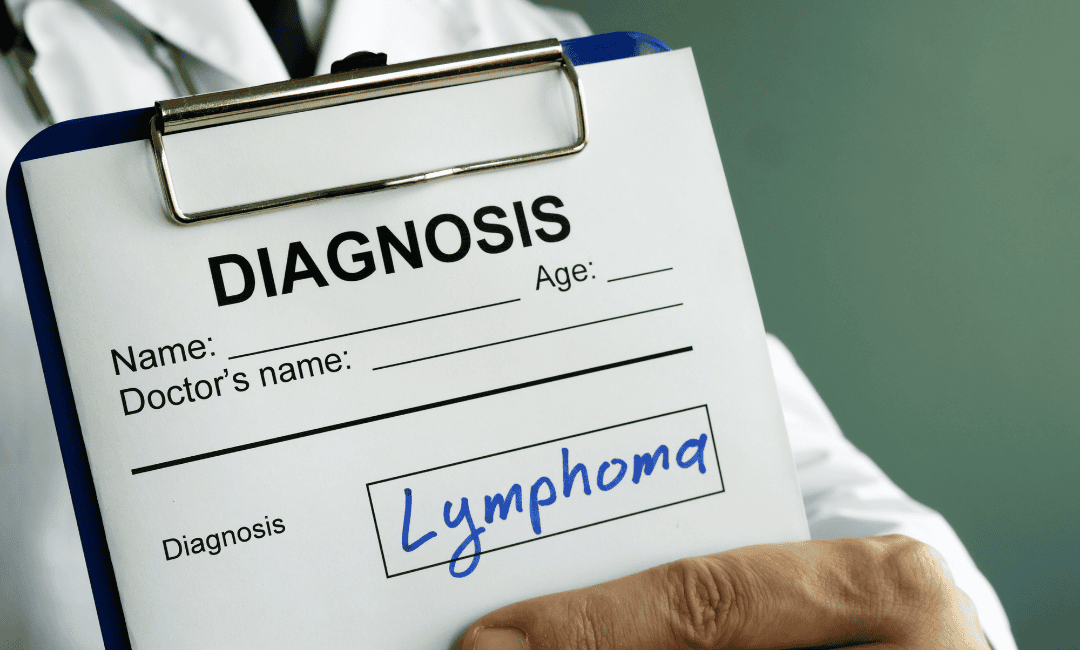
•Lymphoma originates in the lymphatic system, where it disrupts the body’s ability to fight infections. It includes two main types—Hodgkin and Non-Hodgkin lymphoma—affecting lymph nodes, spleen, and other organs.
Multiple Myeloma
•This cancer forms in plasma cells, a type of white blood cell that produces antibodies. It weakens bones, impairs immunity, and disrupts normal blood cell production in the bone marrow.
Myelodysplastic Syndromes (MDS)
•MDS refers to a group of disorders where the bone marrow doesn’t produce enough healthy blood cells. It may progress to acute myeloid leukemia and often causes fatigue, infections, and bleeding issues.
Myeloproliferative Neoplasms (MPNs)
•MPNs are rare blood cancers in which the bone marrow produces too many red blood cells, white blood cells, or platelets. This overproduction can lead to blood clots, bleeding, and progression to leukemia
Blood Cancer Symptoms
- •
Constant tiredness that doesn’t improve with rest could signal abnormal blood cell production.
- •
A weak immune system due to cancerous white blood cells can cause recurring fevers and infections.
- •
Minor bumps causing bruises or frequent nosebleeds may indicate low platelet counts
- •
Painless lumps in the neck, armpits, or groin can be early signs of lymphoma.
- •
Sudden loss of weight without dieting may point to cancer-related metabolic changes.
What’s Notable
Blood Cancers account for approximately 8-10% of cancers in India
Leukemia is the most frequent childhood cancer
When to Seek Help
Seek immediate medical help if you experience unexplained bruising or bleeding, persistent fatigue, frequent infections, shortness of breath, unexplained weight loss, or a fever of 38°C or higher - for longer than 2 weeks.
Blood Cancer Causes & Risk Factors
Genetic Mutations
Chromosomal or gene mutations such as the Philadelphia chromosome may predispose individuals to leukemia or other cancers of the blood.
Family History
Having a first-degree relative with blood cancer may slightly increase your own risk.
Radiation Exposure
High exposure to ionizing radiation—such as with cancer treatment involving radiation therapy or nuclear power plant accidents—can harm bone marrow cells and lead to leukemia.
Chemical Exposure
Long-term exposure to industrial solvents such as benzene, which is employed in chemical and rubber production, has resulted in increased leukemia risk.
Weakened Immune System
HIV/AIDS patients, organ recipients who receive an organ transplant, or autoimmune disorders can expose an individual to some types of blood cancers.
Viral Infections
Certain viruses such as Epstein-Barr virus (EBV) and human T-cell leukemia virus (HTLV-1) have a causative association with some types of lymphoma.
Smoking
Cigarette smoke also includes benzene and other chemicals that are established carcinogens and can cause an increased risk of acute myeloid leukemia (AML).
Some Blood Disorders
Aplastic anemia or myelodysplastic syndromes may develop into leukemia if not treated well.
Blood Cancer Diagnosis
Early Symptoms & Check Up
Step 1: Early Symptoms & Check-up
- Common symptoms: fatigue, spontaneous bruising or bleeding, frequent infections, swollen lymph glands
- Physician performs a physical exam and reviews medical history
Your role: Share any changes you’ve noticed openly.
Blood Tests
Step 2: Blood Tests
- Tests include Complete Blood Count (CBC) and peripheral blood smear
- Abnormal blood counts may indicate blood cancer
Biopsy (Definitive Test)
Step 3: Bone Marrow Biopsy
- Confirms the diagnosis and identifies the specific type of blood cancer
Imaging Tests
Step 4: Imaging Tests
- PET, CT, or MRI scans assess the extent and spread of cancer, especially for lymphoma
Genetic & Molecular Testing
Step 5: Genetic & Molecular Testing
- Detects mutations in cancer cells and helps guide targeted treatment decisions
Staging & Risk Stratification
Step 6: Staging & Risk Stratification
- Determines the stage and risk level of cancer (e.g., Rai staging for CLL, Ann Arbor staging for lymphoma)
- Important for prognosis and treatment planning
Step 7: Next Steps
Step 7: Next Steps
- Oncology team formulates a personalized treatment plan based on cancer type, stage, and overall health
Step 1: Early Symptoms & Check-up
- Common symptoms: fatigue, spontaneous bruising or bleeding, frequent infections, swollen lymph glands
- Physician performs a physical exam and reviews medical history
Your role: Share any changes you’ve noticed openly.
Step 2
Blood Tests
Step 3
Biopsy (Definitive Test)
Step 4
Imaging Tests
Step 5
Genetic & Molecular Testing
Step 6
Staging & Risk Stratification
Step 7
Step 7: Next Steps
Blood Cancer Treatment & Therapy
Chemotherapy
What it does:
Cancers-killing medicines that attack fast-growing blood cells
Treated for:
Most blood cancers (leukemia, lymphoma, myeloma)
Recovery:
Varied; includes many cycles spanning weeks to months
Targeted Therapy
What it does :
Medicines that attack distinct genetic markers in cancer cells
Treated for:
Cancers with known mutations (e.g., CML, specific lymphomas)
Common medications:
Imatinib, Ibrutinib, Rituximab
Recovery:
Based on response and cancer type
Immunotherapy
What it does:
Strengthens the immune system to recognize and destroy cancer
Used for:
Some leukemias and lymphomas
Drugs used:
CAR T-cell therapy, Blinatumomab, Nivolumab
Recovery:
Extensive monitoring required because of immune side effects
External Beam Radiation
What it does:
Uses focused high-energy X-rays to shrink swollen lymph nodes, liver, or spleen
Treated for:
Chronic Lymphocytic Leukemia (CLL) and localized symptoms
Common features:
Quick, painless outpatient procedure lasting just a few minutes
Recovery:
Minimal downtime; mild fatigue or skin changes may occur
Total Body Irradiation (TBI)
What it does:
Exposes the whole body to radiation to suppress immunity and destroy residual cancer
Treated for:
Leukemia patients preparing for chemotherapy and stem cell transplants
Common features:
Often combined with chemotherapy in transplant prep
Recovery:
Requires hospital stay; immune support and close monitoring needed
Total Marrow Irradiation (TMI)
What it does:
Precisely targets bone marrow—the source of cancerous cells—while sparing healthy organs
Treated for:
Leukemia patients undergoing stem cell transplant
Common methods:
Delivered using TomoTherapy for high precision
Recovery:
Better tolerated than TBI; may reduce long-term side effects
Autologous Stem Cell Transplant
What it does:
Uses the patient’s own stem cells to restore bone marrow after high-dose chemotherapy or radiation
Treated for:
Multiple myeloma, some lymphomas, and select leukemias
Common features:
Cells collected, stored, then reinfused after treatment
Recovery:
Requires hospital stay; risk of infections until immune system recovers
Allogeneic Stem Cell Transplant
What it does:
Uses stem cells from a matched donor to replace diseased bone marrow and boost immune response
Treated for:
Acute and chronic leukemias, some lymphomas, and myelodysplastic syndromes
Common features:
Requires matching donor; may trigger graft-versus-host disease (GVHD)
Recovery:
Longer hospital stay; close monitoring for complications and immune recovery
Haploidentical Stem Cell Transplant
What it does:
Uses partially matched stem cells from a family member when a fully matched donor isn’t available
Treated for:
Leukemia and lymphomas when matched donor unavailable
Common features:
Expands donor pool; specialized treatments reduce rejection risk
Recovery:
Similar to allogeneic transplant but with tailored immune suppression
Combination Therapy
Goal:
Improve treatment success with more than one type of medication
What it is:
Chemo + immunotherapy or special medications
Used for:
Relapse or refractory disease
Palliative Care
Goal:
Improve quality of life and relieve symptoms
Used for:
Advanced disease or inability to do curative therapy
Management & Prevention
Side Effects
•Manage fatigue and nausea with prescribed medications and hydration
Regular Checkups
•Routine follow-ups to track progress and prevent complications
Follow-Up Care
•Regular scans and tests keep you on track and catch any changes early.
Counseling
•Access professional help to manage emotional challenges
Peer Support
•Join support groups for connection and shared healing
Mindfulness:
•Practice meditation, deep breathing, or journaling to reduce stress
Healthy Diet
•Eat protein-rich, immunity-boosting foods like eggs, dals, fruits
Light Exercise
•Engage in gentle activity like walking, yoga, or stretching
Infection Safety
•Follow hygiene practices and avoid crowds to stay protected
Blood Cancer Types
Leukemia
•A cancer of the blood and bone marrow, leukemia causes abnormal white blood cell production. It can be acute or chronic and affects both children and adults, weakening the immune system and hindering blood function.
Lymphoma
•Lymphoma originates in the lymphatic system, where it disrupts the body’s ability to fight infections. It includes two main types—Hodgkin and Non-Hodgkin lymphoma—affecting lymph nodes, spleen, and other organs.
Multiple Myeloma
•This cancer forms in plasma cells, a type of white blood cell that produces antibodies. It weakens bones, impairs immunity, and disrupts normal blood cell production in the bone marrow.
Myelodysplastic Syndromes (MDS)
•MDS refers to a group of disorders where the bone marrow doesn’t produce enough healthy blood cells. It may progress to acute myeloid leukemia and often causes fatigue, infections, and bleeding issues.
Myeloproliferative Neoplasms (MPNs)
•MPNs are rare blood cancers in which the bone marrow produces too many red blood cells, white blood cells, or platelets. This overproduction can lead to blood clots, bleeding, and progression to leukemia
Blood Cancer Symptoms
- •
Constant tiredness that doesn’t improve with rest could signal abnormal blood cell production.
- •
A weak immune system due to cancerous white blood cells can cause recurring fevers and infections.
- •
Minor bumps causing bruises or frequent nosebleeds may indicate low platelet counts
- •
Painless lumps in the neck, armpits, or groin can be early signs of lymphoma.
- •
Sudden loss of weight without dieting may point to cancer-related metabolic changes.
What’s Notable
Blood Cancers account for approximately 8-10% of cancers in India
Leukemia is the most frequent childhood cancer
When to Seek Help
Seek immediate medical help if you experience unexplained bruising or bleeding, persistent fatigue, frequent infections, shortness of breath, unexplained weight loss, or a fever of 38°C or higher - for longer than 2 weeks.
Blood Cancer Causes & Risk Factors
Genetic Mutations
Chromosomal or gene mutations such as the Philadelphia chromosome may predispose individuals to leukemia or other cancers of the blood.
Family History
Having a first-degree relative with blood cancer may slightly increase your own risk.
Radiation Exposure
High exposure to ionizing radiation—such as with cancer treatment involving radiation therapy or nuclear power plant accidents—can harm bone marrow cells and lead to leukemia.
Chemical Exposure
Long-term exposure to industrial solvents such as benzene, which is employed in chemical and rubber production, has resulted in increased leukemia risk.
Weakened Immune System
HIV/AIDS patients, organ recipients who receive an organ transplant, or autoimmune disorders can expose an individual to some types of blood cancers.
Viral Infections
Certain viruses such as Epstein-Barr virus (EBV) and human T-cell leukemia virus (HTLV-1) have a causative association with some types of lymphoma.
Smoking
Cigarette smoke also includes benzene and other chemicals that are established carcinogens and can cause an increased risk of acute myeloid leukemia (AML).
Some Blood Disorders
Aplastic anemia or myelodysplastic syndromes may develop into leukemia if not treated well.
Blood Cancer Diagnosis
Early Symptoms & Check Up
Step 1: Early Symptoms & Check-up
- Common symptoms: fatigue, spontaneous bruising or bleeding, frequent infections, swollen lymph glands
- Physician performs a physical exam and reviews medical history
Your role: Share any changes you’ve noticed openly.
Blood Tests
Step 2: Blood Tests
- Tests include Complete Blood Count (CBC) and peripheral blood smear
- Abnormal blood counts may indicate blood cancer
Biopsy (Definitive Test)
Step 3: Bone Marrow Biopsy
- Confirms the diagnosis and identifies the specific type of blood cancer
Imaging Tests
Step 4: Imaging Tests
- PET, CT, or MRI scans assess the extent and spread of cancer, especially for lymphoma
Genetic & Molecular Testing
Step 5: Genetic & Molecular Testing
- Detects mutations in cancer cells and helps guide targeted treatment decisions
Staging & Risk Stratification
Step 6: Staging & Risk Stratification
- Determines the stage and risk level of cancer (e.g., Rai staging for CLL, Ann Arbor staging for lymphoma)
- Important for prognosis and treatment planning
Step 7: Next Steps
Step 7: Next Steps
- Oncology team formulates a personalized treatment plan based on cancer type, stage, and overall health
Step 1: Early Symptoms & Check-up
- Common symptoms: fatigue, spontaneous bruising or bleeding, frequent infections, swollen lymph glands
- Physician performs a physical exam and reviews medical history
Your role: Share any changes you’ve noticed openly.
Step 2
Blood Tests
Step 3
Biopsy (Definitive Test)
Step 4
Imaging Tests
Step 5
Genetic & Molecular Testing
Step 6
Staging & Risk Stratification
Step 7
Step 7: Next Steps
Blood Cancer Treatment & Therapy
Chemotherapy
What it does:
Cancers-killing medicines that attack fast-growing blood cells
Treated for:
Most blood cancers (leukemia, lymphoma, myeloma)
Recovery:
Varied; includes many cycles spanning weeks to months
Targeted Therapy
What it does :
Medicines that attack distinct genetic markers in cancer cells
Treated for:
Cancers with known mutations (e.g., CML, specific lymphomas)
Common medications:
Imatinib, Ibrutinib, Rituximab
Recovery:
Based on response and cancer type
Immunotherapy
What it does:
Strengthens the immune system to recognize and destroy cancer
Used for:
Some leukemias and lymphomas
Drugs used:
CAR T-cell therapy, Blinatumomab, Nivolumab
Recovery:
Extensive monitoring required because of immune side effects
External Beam Radiation
What it does:
Uses focused high-energy X-rays to shrink swollen lymph nodes, liver, or spleen
Treated for:
Chronic Lymphocytic Leukemia (CLL) and localized symptoms
Common features:
Quick, painless outpatient procedure lasting just a few minutes
Recovery:
Minimal downtime; mild fatigue or skin changes may occur
Total Body Irradiation (TBI)
What it does:
Exposes the whole body to radiation to suppress immunity and destroy residual cancer
Treated for:
Leukemia patients preparing for chemotherapy and stem cell transplants
Common features:
Often combined with chemotherapy in transplant prep
Recovery:
Requires hospital stay; immune support and close monitoring needed
Total Marrow Irradiation (TMI)
What it does:
Precisely targets bone marrow—the source of cancerous cells—while sparing healthy organs
Treated for:
Leukemia patients undergoing stem cell transplant
Common methods:
Delivered using TomoTherapy for high precision
Recovery:
Better tolerated than TBI; may reduce long-term side effects
Autologous Stem Cell Transplant
What it does:
Uses the patient’s own stem cells to restore bone marrow after high-dose chemotherapy or radiation
Treated for:
Multiple myeloma, some lymphomas, and select leukemias
Common features:
Cells collected, stored, then reinfused after treatment
Recovery:
Requires hospital stay; risk of infections until immune system recovers
Allogeneic Stem Cell Transplant
What it does:
Uses stem cells from a matched donor to replace diseased bone marrow and boost immune response
Treated for:
Acute and chronic leukemias, some lymphomas, and myelodysplastic syndromes
Common features:
Requires matching donor; may trigger graft-versus-host disease (GVHD)
Recovery:
Longer hospital stay; close monitoring for complications and immune recovery
Haploidentical Stem Cell Transplant
What it does:
Uses partially matched stem cells from a family member when a fully matched donor isn’t available
Treated for:
Leukemia and lymphomas when matched donor unavailable
Common features:
Expands donor pool; specialized treatments reduce rejection risk
Recovery:
Similar to allogeneic transplant but with tailored immune suppression
Combination Therapy
Goal:
Improve treatment success with more than one type of medication
What it is:
Chemo + immunotherapy or special medications
Used for:
Relapse or refractory disease
Palliative Care
Goal:
Improve quality of life and relieve symptoms
Used for:
Advanced disease or inability to do curative therapy
Management & Prevention
Side Effects
•Manage fatigue and nausea with prescribed medications and hydration
Regular Checkups
•Routine follow-ups to track progress and prevent complications
Follow-Up Care
•Regular scans and tests keep you on track and catch any changes early.
Counseling
•Access professional help to manage emotional challenges
Peer Support
•Join support groups for connection and shared healing
Mindfulness:
•Practice meditation, deep breathing, or journaling to reduce stress
Healthy Diet
•Eat protein-rich, immunity-boosting foods like eggs, dals, fruits
Light Exercise
•Engage in gentle activity like walking, yoga, or stretching
Infection Safety
•Follow hygiene practices and avoid crowds to stay protected
Why Choose Everhope For Blood Cancer?
At Everhope, our experts support your proactive care with advanced treatment — guiding you with knowledge, hope, and healing.
blood cancer deaths globally
blood cancer deaths annually in India
is diagnosed with a blood cancer every 5 minutes
FAQs on Blood Cancer
No question is too small when it comes to your care
Yes! While some blood cancers are more common in adults, others like leukaemia can affect children too — it doesn’t discriminate by age.
No, blood cancer is not contagious. You cannot catch it from someone else like a cold or flu
It varies — some blood cancers progress slowly over years, while others can grow quickly and need urgent treatment.
While genetics play a big role, avoiding smoking and limiting exposure to harmful chemicals can lower your risk.
No! Many people live long, healthy lives after treatment — early diagnosis and modern therapies have improved survival rates dramatically.
Sometimes it can return, but ongoing monitoring and advances in treatment help manage relapses effectively
Not always. Depending on the type and stage, treatments can include targeted drugs, immunotherapy, or even stem cell transplants instead.
Find a Centre Near You
Gurgaon EBD 65
EBD 65, Sector 65, Golf Course Extension Road, Gurgaon