

Cancer care
Endometrial Cancer
Overview
What is Endometrial Cancer?
Endometrial cancer starts in the lining of the uterus, known as the endometrium, usually as a result of hormonal disturbances, particularly increased estrogen. It is the most prevalent gynecologic malignancy and usually occurs in women after menopause. Although most instances are diagnosed when they are early due to abnormal bleeding, later stages can spread to the cervix, lymph nodes, or other distant organs.
Endomentrial Cancer Types
Endometrioid Adenocarcinoma
- It is the most frequent type of endometrial cancer, usually associated with long-term unopposed exposure to estrogen. It typically appears as an unrejecting low-grade, slowly enlarging tumor that is well-differentiated, and, if diagnosed early, has an excellent prognosis. Surgery is most commonly the treatment, followed by radiation or hormone treatment as indicated.
Serous and Clear Cell Carcinomas
- Type II endometrial cancers are rare but highly malignant. They are not linked to estrogen exposure and primarily present in older women. These are tumors comprising serous and clear cell carcinomas and are most likely high-grade at diagnosis and have a higher tendency to present early metastases, for which combined modality therapy in the form of surgery, chemotherapy, and radiation is necessary for proper control. catheterization or repeated infections. It is more virulent and usually diagnosed at a later stage when it is more difficult to treat and results are less optimal than in the case of urothelial carcinoma.
Uterine Carcinosarcoma
- Uterine carcinosarcoma, or malignant mixed müllerian tumor, is a very aggressive and rare cancer that has both carcinomatous and sarcomatous components of tissue. Its dual nature is part of the reason for its fast growth and worse prognosis. Its treatment is usually extensive removal through surgery followed by intense chemotherapy and radiation to attack both the components of the tumor and prevent recurrence.
Endometrial Cancer Symptoms
Unexpected bleeding after menopause or between menstrual periods is the most frequent and initial indicator of endometrial cancer.
What’s Notable
- Endometrial cancer is the most frequent gynecologic cancer in industrialized nations.
- It occurs in about 90% of patients with abnormal uterine bleeding, so it can be detected early in most instances.
- It occurs most often in women past menopause, with an average age at diagnosis of 60 years.
When to Seek Help
Seek medical help if you experience abnormal uterine bleeding, especially periodic or postmenopausal bleeding; pelvic pain or pressure; pain during intercourse; unusual vaginal discharge; unexplained weight loss or fatigue; or changes in urinary or bowel habits, as these signs may indicate uterine abnormalities or cancer.
Endometrial Cancer Causes & Risk Factors
Obesity
Increased body fat increases estrogen levels, greatly elevating the risk of overgrowth and cancer of endometrial cells.
Hormone Therapy (Estrogen Alone)
Use of estrogen alone, particularly after menopause, overstimulates the uterine lining and causes cancer.
Polycystic Ovary Syndrome (PCOS)
It creates prolonged exposure to estrogen, increasing the risk for endometrial cancer.
Late Menopause or Early Menstruation
Greater numbers of menstrual cycles throughout a lifetime raise estrogen exposure, heightening cancer risk.
Family History (Lynch Syndrome)
Genetic disorders such as Lynch syndrome elevate lifetime risk for endometrial and other cancers.
Diabetes or High Blood Pressure
These metabolic conditions are associated with hormonal and inflammatory alterations that might play a role in endometrial cancer risk.
Never Having Been Pregnant
Women who have not been pregnant may experience increased lifetime estrogen exposure in the absence of progesterone balance.
Endometrial Cancer Diagnosis
Symptom Identification & Initial Consultation
Step 1: Symptom Identification & Initial Consultation
Abnormal menstruation, pelvic pain, or abnormal vaginal bleeding lead to referral to a gynecologist. History and physical examination are the precipitants.
Your role: Share any changes you’ve noticed openly.
Endometrial Cancer Treatment & Therapy
Chemotherapy
- What it does
- Destroys quickly growing cancer cells within the body.
- Treated for
- Advanced, recurrent, or aggressive forms (such as serous or clear cell).
- Recovery
- Given in cycles; side effects are loss of hair, nausea, and weakness.
Targeted Therapy
- What it does
- Inhibits unique molecules propelling cancer growth (e.g., HER2, PI3K pathways).
- Treated for
- Advanced cancers with unique genetic alterations.
- Recovery
- Side effects vary with the drug; less harmful compared to classic chemo.
Immunotherapy
- What it does
- Triggers the immune system to identify and fight cancer cells.
- Used for
- Mismatch repair-deficient (dMMR) or microsatellite instability-high (MSI-H) endometrial cancer.
- Drugs used
- Pembrolizumab, dostarlimab.
- Recovery
- Can result in fatigue, rash, or inflammation of organs (rare).
Hormone Therapy
- What it does
- Employ medications such as progestins to suppress hormones that nourish cancer growth.
- Treated for
- Slow-growing cancers in patients who are not candidates for surgery or who have metastasis.
- Recovery
- Usually well tolerated; weight gain and blood clot are potential risks.
Management & Prevention
Moving Forward with Strength
- Recovery from endometrial cancer is not merely a matter of the medical visits, but increasing physical health, emotional stability, and everyday living with strength and support.
Monitoring Hormone Balance
- Changes after treatment may require assistance in the form of drugs and follow-up for menopausal syndrome.
Rehabilitation Support
- Pelvic floor physio and surgical rehabilitation help manage side effects like lymphedema and improve mobility.
Follow-Up Care
- Routine imaging, blood tests, and pelvic examinations are significant to recurrence monitoring and overall well-being.
Why Choose Everhope For Endometrial Cancer?
At Everhope, we combine specialist gynecologic oncologists, state-of-the-art diagnostics, and individualized care to guide women through every phase of their recovery.
- 13K+
- new cases annually in India
- 90K+
- women die globally each year due to endometrial cancer
- 6th
- most common cancer in women
Explore Our Latest Updates

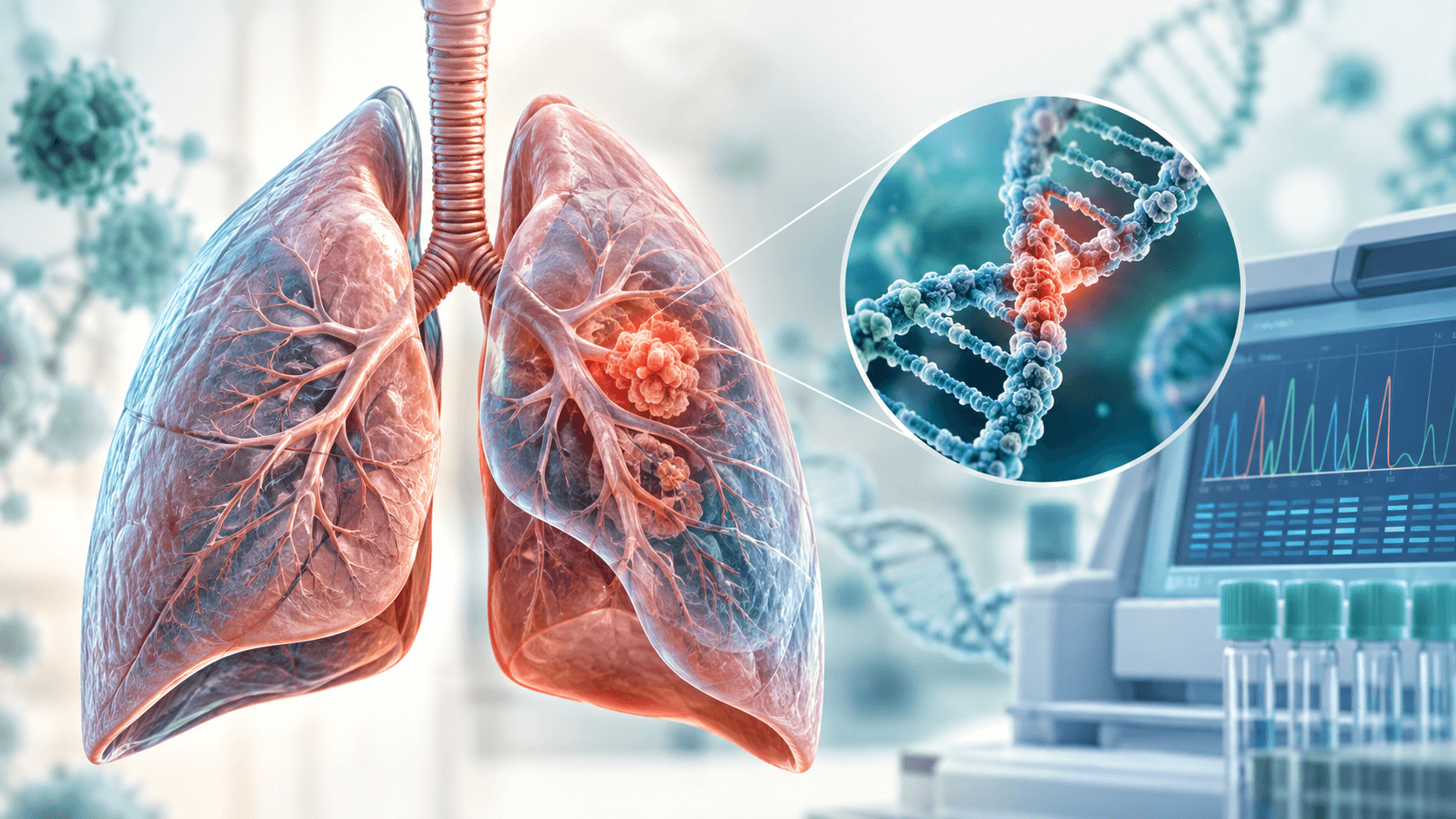
Education7 min read
Resistance Mutations in Lung Cancer: Causes and the Importance of Testing
Dr. Vrundali Kannoth
Questions
FAQs on Endometrial Cancer
No question is too small when it comes to your care
Is endometrial cancer synonymous with uterine cancer?
Yes, Endometrial cancer is the most frequent form of uterine cancer, developing in the lining of the uterus known as the endometrium.
What are the early signs of endometrial cancer?
The most frequent early signs include unusual vaginal bleeding after menopause, spotting between menstrual periods, pelvic pain, and abnormal discharge.
Can endometrial cancer be found early?
Yes, As most of the cases present with symptoms such as bleeding, early diagnosis can be made by pelvic examination and ultrasound if the symptoms are reported early.
What are the primary risk factors?
Obesity, age greater than 50 years, hormone imbalance (particularly excess estrogen), diabetes, and a history of abnormal periods or Lynch syndrome are the primary risk factors.
How is endometrial cancer treated?
Treatment usually consists of surgery (hysterectomy), potentially followed by radiation, hormone treatment, or chemotherapy, depending on the stage and type of cancer.
Will I still be able to get pregnant after treatment?
If the cancer is diagnosed early and fertility-sparing therapy is employed, pregnancy might be feasible. Pre-treatment fertility counseling is necessary.
Is endometrial cancer inherited?
Yes, women with Lynch syndrome or with a family history of endometrial or colorectal cancer might be at increased genetic risk.
How do I reduce my risk?
Healthy weight, diabetic control, birth control pills under medical supervision, and checkups can reduce risk.
Will I require long-term follow-up?
Yes, follow-up is important to check for recurrence and deal with long-term side effects of treatment on physical and emotional health.
Find a Hospital Near You
Everhope x SSO Hospital, Ghatkopar West
Silver Point, 7th Floor, Lal Bahadur Shastri Marg, Kasturi Park, Ghatkopar West, Mumbai 400086
Mon to Sun, 9am to 9pm
Everhope x SSO Hospital, Andheri West
2nd Floor, New Link Road, above Axis Bank, Andheri West, Mumbai 400053
Mon to Sun, 9am to 9pm
Everhope x SSO Hospital, Thane
Ground Floor, Amber Arcade, below Waviker Eye Institute, Majiwada, Thane 400601
Mon to Sun, 24 hrs
Everhope x SSO Hospital, Chembur
6th Floor, 604 Business Point, DK Sandu Marg, Chembur, Mumbai 400071
Mon to Sun, 9am to 9pm
Everhope x SSO Hospital, Vashi
Clinic 51, 4th Floor, Shanti Center, Sector 17, Vashi, Navi Mumbai 400703
Mon to Sat, 11:30am to 9pm
Everhope x SSO Hospital, Charni Road
9th Floor, Mehta Mahal, 15 Mathew Road, Opera House, Charni Road (East), Mumbai 400004
Mon to Sun, 9am to 9pm
Everhope x SRCC Hospital, Haji Ali
1-1A, Keshavrao Khadye Marg, Haji Ali, Haji Ali Government Colony, Mahalakshmi, Mumbai, Maharashtra 400034
Mon to Sun, 24 hrs
Everhope x EPIC Hospital, Ahmedabad
Rajpath Rangoli Road, behind Rajpath Club, off S.G. Highway, Bodakdev, Ahmedabad 380059
Mon to Sun, 9am to 9pm
Everhope Hospital, Gurugram (Sector 65)
EBD 65, Sector 65, Golf Course Extension Road
Mon to Sat, 8am to 8pm
Everhope Hospital, Gurugram (Sector 14)
Mehrauli-Gurgaon Rd, Anamika Enclave, Sector 14
Mon to Sat, 9am to 6pm
Everhope x SSO Hospital, Belgaum
9666A-2/D, behind BUDA Office, Ashok Nagar, Shivaji Nagar, Belgaum 590016
Mon to Sun, 24 hrs