

Cancer care
Liver Cancer
Overview
What is Liver Cancer?
Liver cancer occurs when liver cells are not normal and develop into a tumor since they do not grow in a regular manner and become cancerous. Hepatocellular carcinoma is the most prevalent form of liver cancer, developing in the very large liver cells. It is caused by infection with chronic hepatitis, cirrhosis, and alcoholism.
Liver Cancer Types
Hepatocellular Carcinoma (HCC)
- Most frequent liver cancer, HCC begins in hepatocytes, the major liver cells. It's most often related to chronic liver disease like hepatitis B or C and cirrhosis. Early detection guarantees effective treatment.
Intrahepatic Cholangiocarcinoma
- This cancer develops in the bile ducts inside the liver. While less frequent, it's typically aggressive and commonly diagnosed late. Certain liver diseases and bile duct disease are risk factors.
Hepatoblastoma
- A type of liver cancer that occurs only in children below the age of three years. It begins in cells that are still immature in the liver and can be easily treated if early discovered and subjected to surgery and chemotherapy.
Angiosarcoma
- A very sinister and rare type of cancer that originates in the blood vessels of the liver. Most times related to exposure to some chemicals, it's always late when it is diagnosed and thus treatment is hard.
Liver Cancer Symptoms
Unexplained weight loss is one of the presenting symptoms of liver cancer, usually with loss of appetite and fatigue.
What’s Notable
- Silent Progression: Liver cancer seldom becomes symptomatic until advanced stages, hence screening and early diagnosis are essential.
- Global Burden: Liver cancer is the third leading cancer mortality globally, claiming over 800,000 lives yearly.
- HCC Incidence: Nearly 75% of all liver cancers are hepatocellular carcinomas (HCC).
When to Seek Help
- Chronic Fatigue :Long-standing fatigue that is not alleviated by rest may be an indication of liver malfunction and should be evaluated by a physician. - Loss of Appetite : Unexplained loss of appetite, especially if accompanied by other signs and symptoms, should cause a patient to visit a physician. - Dark Urine : Dark urine is one of the symptoms of liver disease affecting the breakdown of bile. - Itchy Skin: Itching that recurs without a rash may be caused by bile salt buildup as a result of liver disease. - Easy Bleeding or Bruising : Easy bruising or bleeding is caused by the inability of the liver to help with clotting.
Liver Cancer Causes & Risk Factors
Chronic Hepatitis B or C Infection
Sustained infection of the liver by Hepatitis B or C virus greatly increases the risk of liver cancer due to ongoing liver inflammation
Cirrhosis
Alcohol or fatty liver disease scarring of the liver increases the cancer risk
Excessive Drinking
Years of excessive drinking kills off liver cells and leads to cirrhosis and increases the risk of skin cancer
Non Alcoholic Fatty Liver Disease (NAFLD)
Irrelevant fat storage in the liver is capable of causing cirrhosis and risk of cancer.
Aflatoxin Exposure
Ingestion of food that is contaminated with aflatoxin, a toxin produced by some molds, is a proven risk factor for liver cancer.
Liver Cancer Diagnosis
Initial Symptoms & Check-up
Step 1: Comprehensive Diagnosis Various imaging tests, blood tests such as AFP, and liver function tests are performed to establish the type, extent of the cancer and any underlying condition of the liver
Liver Cancer Treatment & Therapy
Chemotherapy
- What it does
- Destroys fast-growing liver cancer cells using powerful drugs.
- Treated for
- Not typically used; used only for widespread HCC or if other options don't work.
- Recovery
- May induce nausea, low white and red blood cell count, and fatigue; closely monitored for liver function.
Targeted Therapy
- What it does
- Blocks some of the molecules that support growth of the cancer cells and blood supply.
- Treated for
- Advanced or unresectable HCC.
- Common medications
- Sorafenib, Lenvatinib, Regorafenib, Cabozantinib
- Recovery
- Oral treatment; side effects are diarrhea, fatigue, hand-foot syndrome
Immunotherapy
- What it does
- Triggers the body's immune system to identify and kill liver cancer cells.
- Used for
- Advanced or unresectable liver cancer.
- Drugs used
- Atezolizumab + Bevacizumab, Nivolumab, Durvalumab
- Recovery
- Can cause immune-related side effects; managed with immunosuppressants as necessary
Management & Prevention
Liver Function Monitoring
- Regular blood tests and imaging to assess liver health and spot any early signs of recurrence.
Nutritional Support
- Customized diets created by a liver-specialist dietitian to support healing and manage any digestion problems after treatment.
Rehabilitation Support
- Guided gentle exercise and physiotherapy programs to rebuild strength, energy, and improve liver function after surgery or therapy.
- Regular Checkups
- Scheduled follow-ups with scans and liver tests every few months to track recovery and catch complications early.
Why Choose Everhope Liver Cancer?
At Everhope, our experts support your proactive care with advanced treatment — guiding you with knowledge, hope, and healing.
- 6th
- most common cancer in India
- 900K
- new cases globally every year
- 50K
- new cases in India every year
Explore Our Latest Updates
Education7 min read
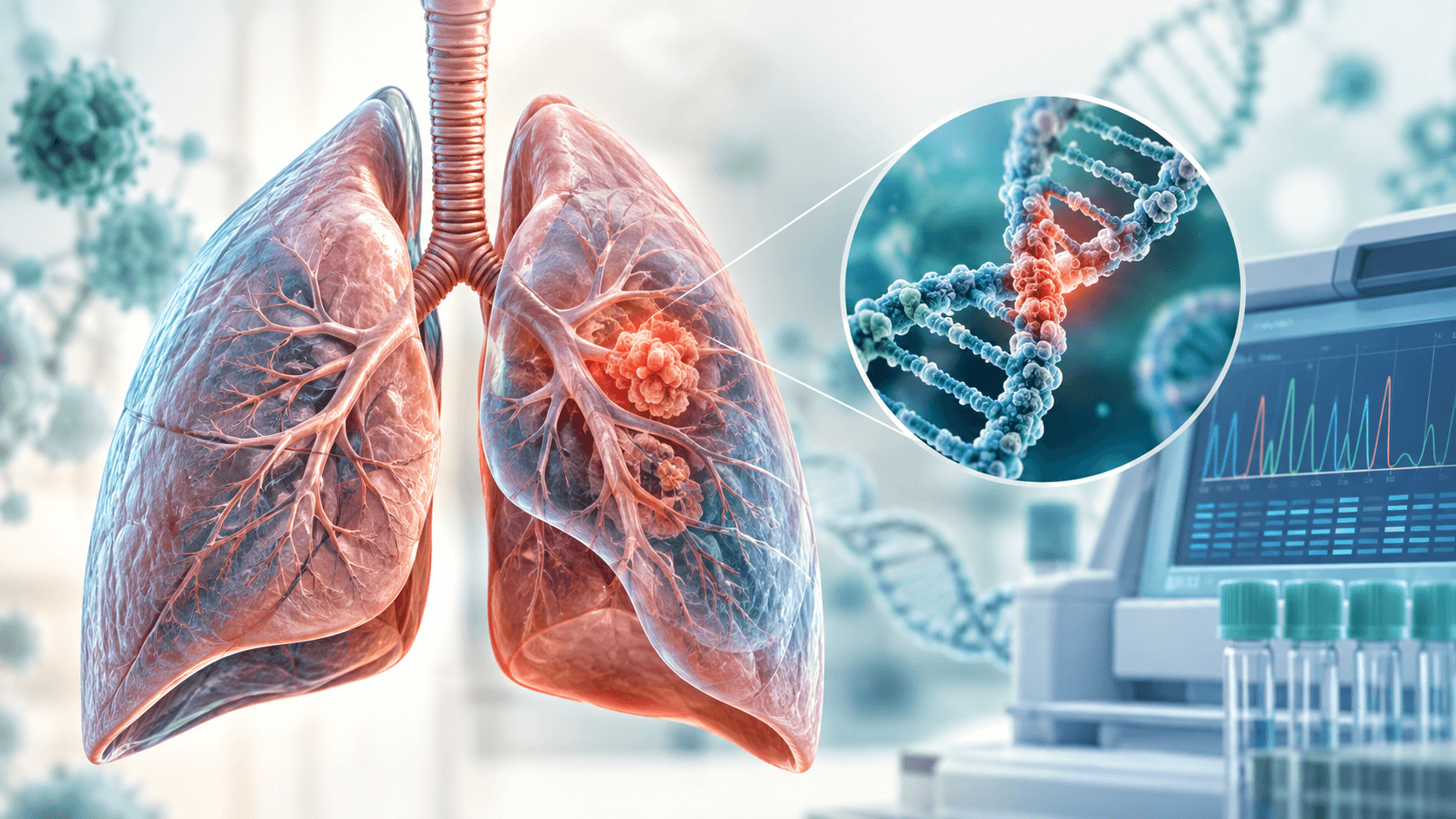
Resistance Mutations in Lung Cancer: Causes and the Importance of Testing
Dr. Vrundali Kannoth
Diagnosis8 min read
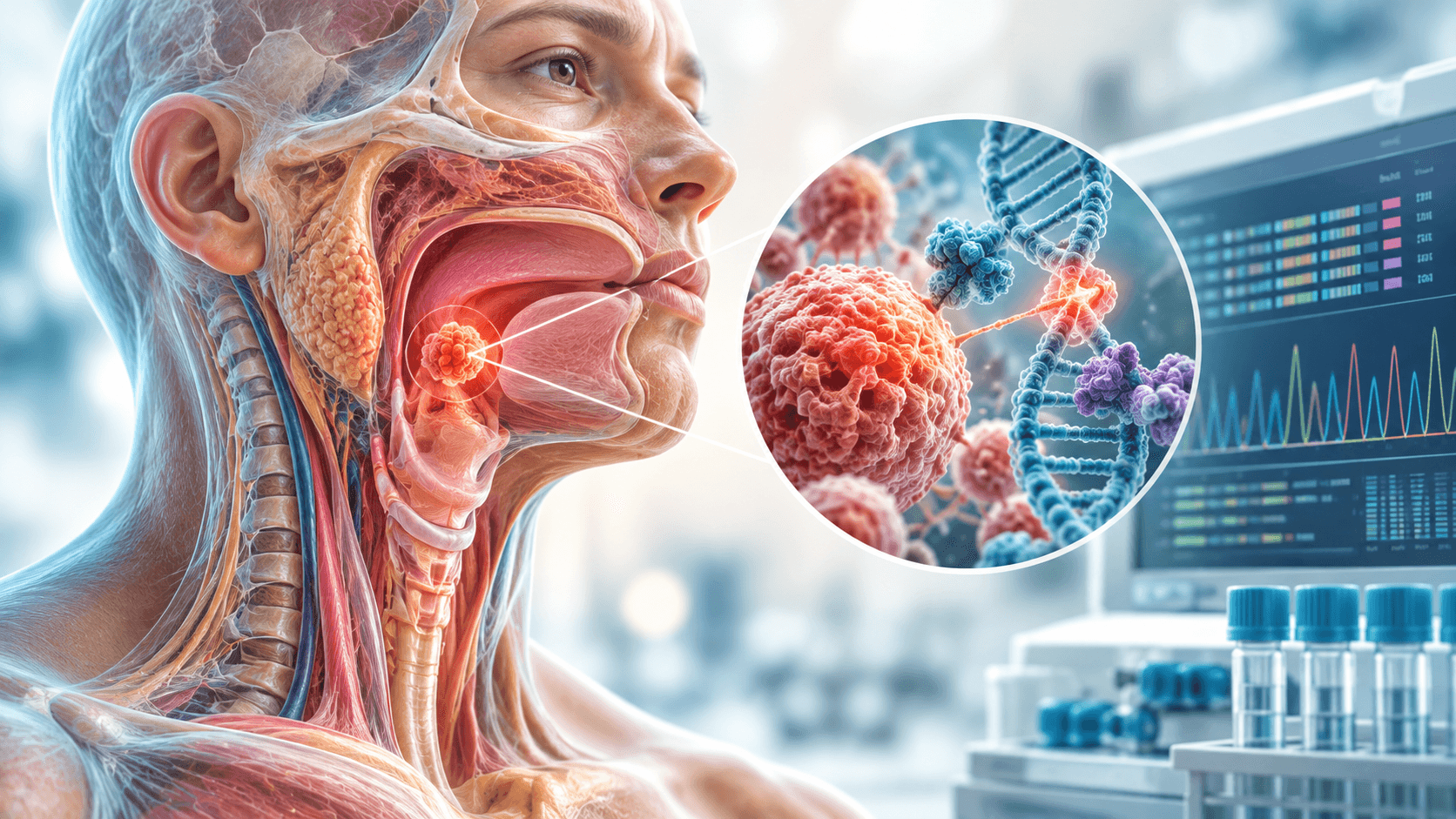
Tumor Profiling for Head and Neck Cancer: Unlocking Precision Treatment
Dr. Vrundali Kannoth
Questions
FAQs on Liver Cancer
No question is too small when it comes to your care
What are the common risk factors for liver cancer?
Major risk factors include long-term hepatitis B or C infection, cirrhosis (scarred liver), heavy alcohol use, non-alcoholic fatty liver disease (NAFLD), obesity, and exposure to aflatoxins (toxins from mold in some foods)
What are the early symptoms of liver cancer?
Liver cancer may cause tiredness, weight loss, pain or swelling in the upper right abdomen, yellowing of the skin or eyes (jaundice), and sometimes loss of appetite or nausea. These symptoms can be subtle at first
Is liver cancer curable?
Liver cancer can be curable if caught early and the rest of the liver is healthy. Surgery or a liver transplant offers the best chance for a cure in early-stage cases. In most cases, treatment focuses on controlling the disease
How is liver cancer diagnosed?
Doctors may use blood tests, imaging scans (ultrasound, CT, MRI), and sometimes a biopsy to confirm liver cancer. Sometimes, scans alone are enough without a biopsy
What are the treatment options for liver cancer?
Treatment can include surgery, targeted therapy, chemotherapy, immunotherapy, radiofrequency ablation, embolization, and sometimes a liver transplant—based on stage, liver health, and overall fitness.
How long can a person live with liver cancer?
Life expectancy depends on the cancer stage, liver health, and treatment received. Early-stage liver cancer offers higher survival—about 30–40% live five years or more. For advanced or stage 4 cancer, survival drops to months or a few years, but some people live longer with effective treatment and supportive care
What is the last stage of liver cancer?
The last stage, or stage 4 liver cancer, means the cancer has spread to other organs or distant parts of the body. Symptoms include severe tiredness, pain, swelling in the abdomen, jaundice, easy bruising, difficulty thinking, and sometimes fluid buildup or weight loss
Is stage 4 liver cancer curable?
Stage 4 liver cancer is not considered curable. However, treatment can help prolong life, slow the disease, and improve comfort. Options may include targeted therapy, immunotherapy, chemotherapy, and palliative care to manage symptoms
Where can I book an Appointment for Liver Cancer Treatment?
At Everhope Oncology, appointments for cervical cancer treatment are easy to arrange, with same-day expert consultations available in a calm, private setting. Our Gurgaon centers on Golf Course Extension Road (Sector 65 and Sector 12) offer a full range of therapies, including chemotherapy, immunotherapy, targeted treatments, and precision diagnostics, all managed by a team of leading oncologists and supportive care specialists. You can book an appointment directly through the Everhope Oncology website (everhope.care), call the support hotline, or even coordinate via WhatsApp for convenience
Find a Hospital Near You
Everhope x SSO Hospital, Ghatkopar West
Silver Point, 7th Floor, Lal Bahadur Shastri Marg, Kasturi Park, Ghatkopar West, Mumbai 400086
Mon to Sun, 9am to 9pm
Everhope x SSO Hospital, Andheri West
2nd Floor, New Link Road, above Axis Bank, Andheri West, Mumbai 400053
Mon to Sun, 9am to 9pm
Everhope x SSO Hospital, Thane
Ground Floor, Amber Arcade, below Waviker Eye Institute, Majiwada, Thane 400601
Mon to Sun, 24 hrs
Everhope x SSO Hospital, Chembur
6th Floor, 604 Business Point, DK Sandu Marg, Chembur, Mumbai 400071
Mon to Sun, 9am to 9pm
Everhope x SSO Hospital, Vashi
Clinic 51, 4th Floor, Shanti Center, Sector 17, Vashi, Navi Mumbai 400703
Mon to Sat, 11:30am to 9pm
Everhope x SSO Hospital, Charni Road
9th Floor, Mehta Mahal, 15 Mathew Road, Opera House, Charni Road (East), Mumbai 400004
Mon to Sun, 9am to 9pm
Everhope x SRCC Hospital, Haji Ali
1-1A, Keshavrao Khadye Marg, Haji Ali, Haji Ali Government Colony, Mahalakshmi, Mumbai, Maharashtra 400034
Mon to Sun, 24 hrs
Everhope x EPIC Hospital, Ahmedabad
Rajpath Rangoli Road, behind Rajpath Club, off S.G. Highway, Bodakdev, Ahmedabad 380059
Mon to Sun, 9am to 9pm
Everhope Hospital, Gurugram (Sector 65)
EBD 65, Sector 65, Golf Course Extension Road
Mon to Sat, 8am to 8pm
Everhope Hospital, Gurugram (Sector 14)
Mehrauli-Gurgaon Rd, Anamika Enclave, Sector 14
Mon to Sat, 9am to 6pm
Everhope x SSO Hospital, Belgaum
9666A-2/D, behind BUDA Office, Ashok Nagar, Shivaji Nagar, Belgaum 590016
Mon to Sun, 24 hrs