
Hero Background

Pediatric Cancers

What is Pediatric Cancers?

Cancer that occurs in children, usually below the age of 15, is called pediatric cancer. Childhood cancers are biologically different from adult cancers and consist of forms such as leukemia, brain tumors, and lymphoma. The distinction between diagnosis and treatment enhances survival.

Default image description

Pediatric Cancers Types

  • Leukemia

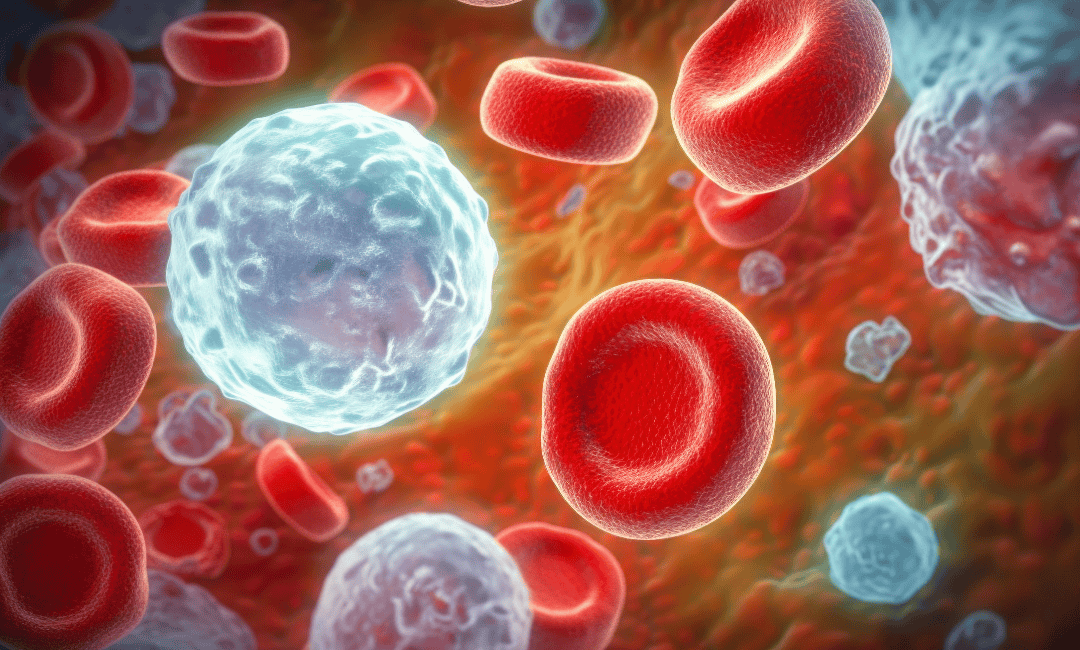
    The most common childhood cancer, leukemia is a disease of the blood and bone marrow that causes fatigue, bruising, and infection. The most common form is acute lymphoblastic leukemia (ALL) with aggressive chemotherapy administered over a long course of treatment.

  • Brain and Central Nervous System (CNS) Tumors

    These are gliomas, medulloblastomas, and ependymomas. Symptoms range from headaches and nausea to impaired vision and coordination issues. The treatments are surgery, radiation, and chemotherapy depending on the type of tumor and where it is situated.

  • Neuroblastoma

    An abnormal tumor that develops in immature nerve cells, most often in the adrenal glands. Most frequently occurs in infants and children under five years of age. Symptoms are distension of the abdomen, tenderness in the bones, or fatigue. Treatment includes surgery, chemotherapy, and sometimes stem cell transplant.

  • Wilms Tumor

    A kidney cancer which occurs mainly in children younger than age 5. It can produce a swollen abdomen, blood in the urine, or pain. It has a good prognosis and is treated with surgery, chemotherapy, and occasionally radiation treatment.

  • Lymphoma (Hodgkin and Non-Hodgkin)

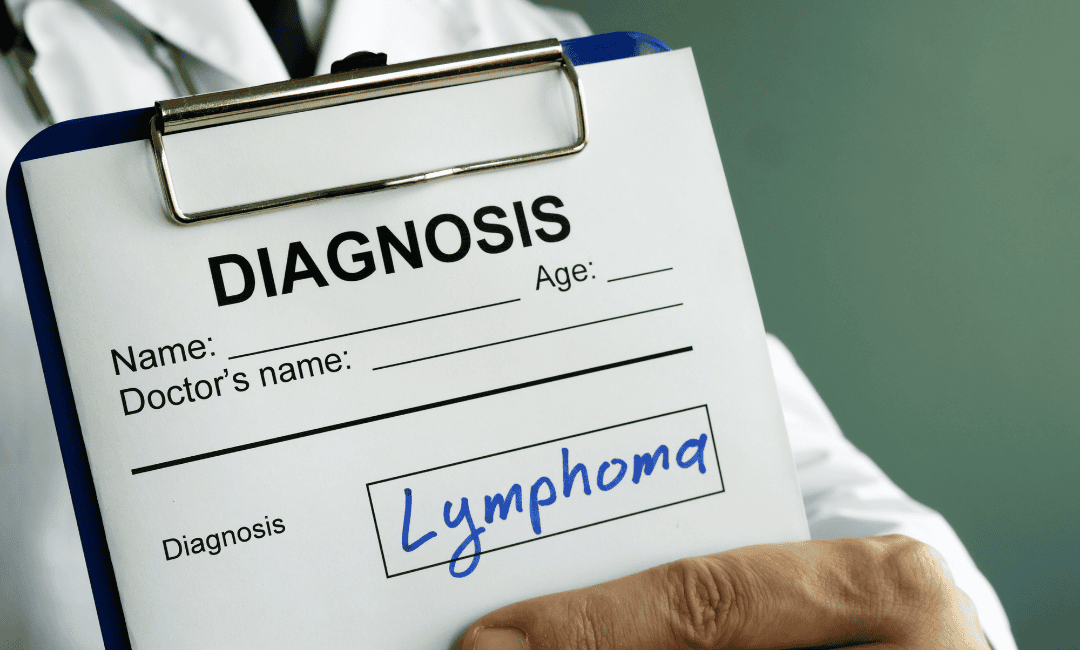
    These cancers affect the lymph system, often as swollen lymph nodes, fever, weight loss, or sweats at night. Hodgkin lymphoma is more stable and follows an earlier slope, while Non-Hodgkin is more aggressive and follows a sharper slope. Chemotherapy, immunotherapy, or radiation can be employed.

  • Rhabdomyosarcoma

    A sarcoma of soft tissues that develops in muscles or in connective tissues, often in the head, neck, or genitourinary system. It is locally aggressive and requires aggressive treatment in the form of surgical resection, chemotherapy, and sometimes radiation for local control.

  • Osteosarcoma

    The most common bone cancer in children, typically of long bones like arms or legs. Symptoms include pain, swelling, or fracture. Treatment is chemotherapy and surgery, typically limb-sparing but sometimes involving amputation.

  • Ewing Sarcoma

    A rare cancer of the bones or soft tissue that typically occurs in the pelvis, ribs, or long bones. It is characterized by pain, swelling, and occasionally fever. The therapy is aggressive and includes chemotherapy, radiation, and surgery.

Pediatric Cancer Symptoms

  • Unusual tiredness or weakness that doesn't improve with rest, making children too exhausted to participate in normal activities.

  • Frequent bruising in unusual places like the back or stomach, along with nosebleeds or bleeding gums that won't stop

  • Persistent fever without obvious infection that continues for days or weeks, or keeps returning

  • Painless masses or swelling that don't disappear, especially in the neck, underarms, groin, or belly area

  • Persistent bone or joint pain without injury that often wakes children at night or causes limping

  • Unexplained weight loss without changes in diet or activity, often accompanied by loss of appetite

  • Severe headaches with vomiting, balance problems, vision changes, or difficulty concentrating at school

What’s Notable

cancer-symptoms

Childhood cancers are generally non preventable and are quite different from adult cancers in terms of behavior and treatment.

cancer-symptoms

Children respond to chemotherapy more favorably than adults because cell turnover is faster.

cancer-symptoms

Early detection and proximity to pediatric cancer centers improve survival by a great deal.

When to Seek Help

Seek immediate medical help for persistent fever, unexplained tiredness, unusual bruising or bleeding, painless lumps, morning headaches with vomiting, sudden weight loss, bone pain, or behavioral changes in children

Pediatric Cancers Causes & Risk Factors

Inherited Genetic Mutations

(e.g., Li-Fraumeni syndrome)Children with some inherited gene mutations are at higher risk of developing certain cancers because of defective tumor-suppressor genes.

Family History of Pediatric or Early-Onset Cancers

A young relative with cancer could be a sign of hereditary cancer syndrome that raises the risk of cancer in a child.

Radiation Exposure from Past Treatments or Environment

Previous exposure to therapeutic radiation or environmental sources such as nuclear accidents could increase the risk of developing cancer in children.

Certain Infections (e.g., Epstein-Barr Virus)

Viral infections such as EBV have been associated with cancers such as Hodgkin lymphoma and Burkitt lymphoma in children.

Immune System Disorders

Congenital or acquired immune deficiencies in children could make them less capable of recognizing and eliminating abnormal cells, thus promoting development of cancer.

Pediatric Cancers Diagnosis

Initial Symptoms & Check-up

Step 1: Initial Check-Up

(If you notice concerning symptoms in your child)

What happens: Your pediatrician will:

  • Examine your child for unusual lumps, swelling, or abnormalities
  • Check for signs like persistent fever, unexplained weight loss, or fatigue
  • Review family medical history and discuss symptoms
  • Assess lymph nodes, abdomen, and general appearance

Your role: Share any changes you've noticed openly about your child's health, behavior, or energy levels

Diagnostic Tests

Step 2: Imaging Tests

(To locate and assess any potential tumors)

What happens: Your child may receive:

  • X-rays to check bones and chest areas
  • CT or MRI scans to get detailed images of organs and tissues
  • Ultrasound to examine soft tissues and organs
  • Specialized scans based on suspected cancer type

Your role: Help prepare your child for procedures and stay calm to reduce their anxiety.

Biopsy & Pathology

Step 3: Biopsy (Definitive Test)

(To confirm cancer diagnosis)

What happens: The medical team will:

  • Remove small tissue or fluid samples for examination
  • Use local or general anesthesia to ensure comfort
  • Send samples to specialized pathology labs
  • Determine exact cancer type and characteristics

Your role: Support your child emotionally and follow pre-procedure instructions carefully.

Staging & Imaging

Step 4: Pathology and Lab Results

(To understand cancer specifics)

What happens: Laboratory specialists will:

  • Examine cancer cells under powerful microscopes
  • Test for genetic markers and mutations
  • Determine how aggressive the cancer is
  • Identify targeted treatment options

Your role: Ask questions about results and treatment implications for your child

Risk Stratification

Step 5: Staging Tests

(To determine cancer spread and treatment plan)

What happens: Additional tests may include:

  • Advanced imaging scans of the entire body
  • Blood tests to check organ function
  • Bone marrow tests if needed
  • Classification of cancer stage and risk level

Your role: Prepare for treatment discussions and seek second opinions if desired.

Pediatric Cancers Treatment & Therapy

Chemotherapy

What it does:

Kills growing cancer cells throughout the body.

Treated for:

Leukemia, lymphomas, sarcomas.

Recovery:

Administered in cycles; can lead to tiredness, nausea, and infections.

Targeted Therapy

What it does :

Blocks specific mutations (e.g., BRCA, KRAS) to stop tumor growth.

Treated for:

Genetically mutated tumors (e.g., ALK in neuroblastoma).

Recovery:

Tailored and tends to have fewer side effects.

Immunotherapy

What it does:

Activation of immune cells to target and kill cancer.

Used for:

Recurrent leukemia, lymphomas.

Recovery:

Close follow-up necessary for immune reaction and side effects.

External Beam Radiation Therapy (EBRT)

What it does:

Kills tumors with large doses of radiation.

Treated for:

Brain tumors, sarcomas, lymphomas.

Side Effects:

Can cause fatigue or developmental side effects.

Proton Beam Therapy

What it does:

Provides accurate targeting with less damage to healthy tissue.

Treated for:

Brain and spinal tumors

Recovery:

Preferred in children because of less long-term damage.

Tumor Resection

What it does:

Excises solid tumors with margins of safety.

Treated for:

Wilms’ tumor, sarcomas, neuroblastoma.

Recovery:

Tumor location and extent dependent.

Combination Therapy

Purpose:

Uses multiple drugs or modalities to improve survival.

What it is:

Metastatic or treatment-refractory cancers

Used for:

Increased toxicity; requires supportive care to treat side effects.

Palliative Care

Goal:

Alleviates pain, gastrointestinal problems, and psychological burden.

Used for:

Terminal or advanced cancer stages.

Recovery:

Palliative therapy with patient comfort being the highest priority.

Management & Prevention

  • Long-Term Follow-Up

    Routine check-ups to monitor growth, development, and potential late effects of treatment.

  • Rehabilitation Services

    Physical, occupational, and speech therapy support recovery and enhance function.

  • Nutritional Care

    Specialized diets help meet developmental needs and manage treatment side effects.

  • Child Psychologists

    Age-appropriate counseling to address trauma, fear, or behavioral changes.

  • Family Support Programs

    Counseling and resources to help families cope together

  • Creative Therapies

    Art, music, or play therapy help children express emotions and regain confidence.

  • School Reintegration

    Academic planning and peer education ease the return to normal school life.

  • Routine & Structure

    Predictable routines restore a sense of security and normalcy.

  • Healthy Lifestyle Habits

    Encouraging play, balanced meals, and adequate sleep builds resilience and immunity.

Why Choose Everhope For Pediatric Cancer?

PAt Everhope, our experts support your proactive care with advanced treatment — guiding you with knowledge, hope, and healing.
400K

new cases are diagnosed globally every year

9th

leading cause of cancer death worldwide.

100K+

deaths globally annually

Explore Our Latest Updates

View More

FAQs on Pediatric Cancer

No question is too small when it comes to your care

Early warning signs include persistent fever, unexplained weight loss, unusual tiredness, frequent bruising or bleeding, lumps or swelling, bone pain, morning headaches with vomiting, and changes in vision or behavior. Most symptoms have non-cancer causes, but persistent symptoms need medical evaluation

Yes, childhood cancers often have better cure rates than adult cancers. More than 80% of children with cancer now survive five years or more due to treatment advances. Early detection and proper treatment by pediatric oncology specialists greatly improve outcomes.

In most cases, we don't know what causes childhood cancer. It's not caused by anything parents did wrong. Unlike adult cancers, childhood cancers aren't linked to lifestyle factors and usually result from DNA changes that occur very early in life.

While some childhood cancers can return, many children remain cancer-free after treatment. Your medical team will monitor your child closely with regular checkups and tests to catch any problems early

You can schedule pediatric cancers consultations at Everhope Cancer Centre through our website, phone, or email for expert treatment including advanced therapies, nutritional support, and comprehensive care in Gurgaon

Pancreatic cancer and its treatments often cause appetite changes, nausea, weight loss, and difficulty digesting food. A dietitian can help create meal plans and suggest enzyme supplements to improve nutrition

Find a Centre Near You

Gurgaon EBD 65

EBD 65, Sector 65, Golf Course Extension Road, Gurgaon