
Can Frequent Ejaculation Increase Prostate Cancer Risk?

On this page
“Does masturbation cause prostate cancer?” is one of those questions people type into search engines late at night, and honestly, there's no shame in that.
Curiosity about how your sexual habits affect your long-term health is sensible. So let's talk about masturbation and prostate cancer plainly.
The prostate is a walnut-sized gland that sits just below the bladder in men. Its main job is to produce fluid that nourishes and transports sperm. Prostate cancer develops when cells within this gland begin to grow abnormally and out of control.
One question that keeps coming up is whether ejaculation frequency has any bearing on prostate health. Some worry it might increase risk. Others have heard the opposite. The truth about masturbation and prostate cancer, as ever, sits in the research.
In this blog, we'll walk you through what the science actually says about masturbation and prostate cancer, the other proven risk factors, and when it's time to stop Googling and speak to a doctor instead.
What research says about masturbation and prostate cancer
The prostate produces much of the seminal fluid. So, it’s natural to ask if ejaculation frequency affects it over time, and whether masturbation can cause prostate cancer.

Here's what the most recent research shows about whether or not does masturbation cause prostate cancer.
Cancers (Basel), 2025
This study examined how ejaculation frequency alters gene activity in prostate cells by analyzing tissue in lab settings, providing evidence relevant to debates around masturbation causes prostate cancer.
Result: Frequent ejaculation changed gene expression protectively, making prostate tissue less vulnerable to tumours - like reprogramming cells to resist cancer growth.
BMC Cancer, 2025–2026
This review pooled data from 29 studies involving over 315,000 men to check the link between ejaculation and prostate cancer risk.
Result: Higher frequency consistently tied to lower risk; the huge participant pool makes this one of the strongest findings yet.
Harvard's health professionals follow-up study
This analysed the masturbation prostate cancer link by tracking nearly 30,000 men over 18 years. It surveyed ejaculation habits by age decade to spot cancer patterns.
Result: Men who ejaculated 21 or more times per month had a noticeably lower risk of prostate cancer compared to those ejaculating four to seven times monthly. Importantly, this result held firm even after accounting for other lifestyle and health variables.
Clinical Genitourinary Cancer Review, 2024
This analyzed 11 studies with nearly 150,000 men to assess the frequency of masturbation and prostate cancer connections.
Result: The majority of evidence pointed towards a protective association of ejaculation and prostate cancer - more frequent ejaculation was generally linked to lower risk. However, the review also flagged that age, urinary health, and lifestyle factors all influence how these results should be interpreted.
Does masturbation cause prostate cancer?
No, there is no credible scientific evidence that masturbation causes prostate cancer.
Not a single well-designed study has established masturbation as a cause or trigger of prostate cancer. The studies we've walked through have found no harmful association whatsoever.
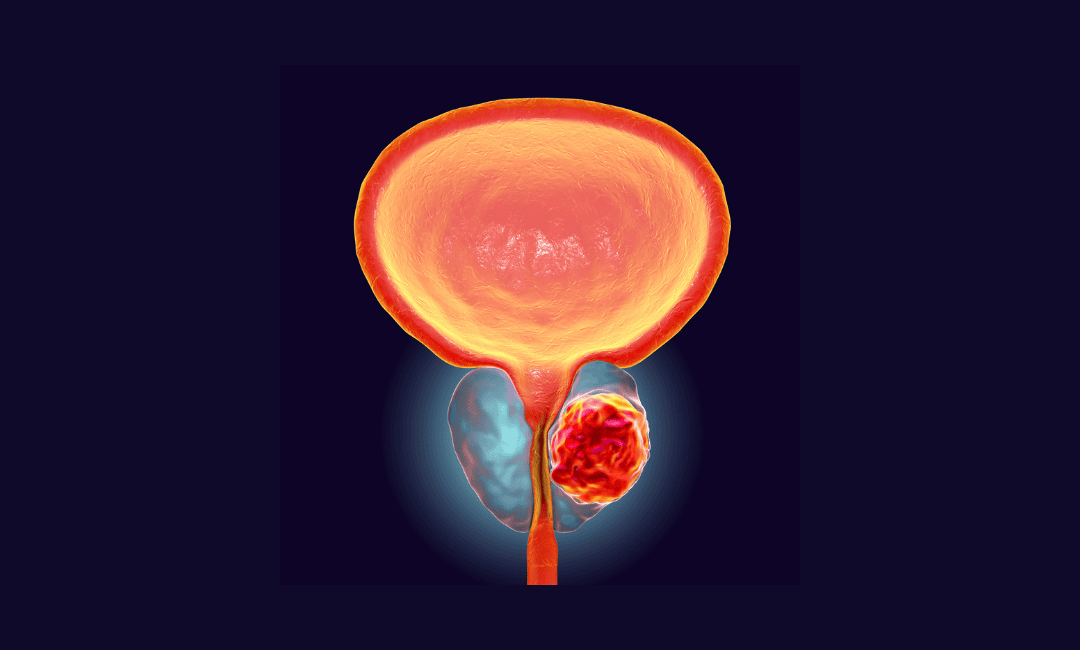
So, can masturbation cause prostate cancer? The research is remarkably consistent in its answer: it cannot.
However, just because masturbation cancer appears linked in data doesn't automatically mean one directly causes the other.
The honest position, and the one science currently supports, is that masturbation causes prostate cancer is a myth, but "masturbation definitively prevents it" would also be an overstatement.
In short: The research does not support any harmful link between ejaculation and prostate cancer. If anything, the evidence suggests that regular ejaculation may somewhat help in reducing prostate cancer risk, though it is by no means a preventive measure on its own.
The real drivers of risk lie elsewhere entirely, and those are worth understanding.
Other proven risk factors for prostate cancer
The factors that most reliably influence prostate cancer symptoms and development are well-established:
- Age: Risk rises sharply after 50 and is highest in men over 65. It's the single most significant risk factor across the board.
- Family history: A father or brother diagnosed with prostate cancer roughly doubles your risk.
- Genetics: Mutations in BRCA1, BRCA2, and Lynch syndrome genes are linked to elevated prostate cancer risk, particularly more aggressive forms.
- Ethnicity: Black men in the UK face two to three times the risk compared to white or Asian men.
- Hormonal influences: Higher lifetime exposure to androgens such as testosterone is associated with increased risk, as these hormones directly fuel prostate cell growth.
- Diet and weight: Diets high in processed meat and full-fat dairy, combined with obesity, are consistently linked to higher risk and more aggressive disease.
- Geography: Prostate cancer rates are markedly higher in Western countries compared to Asia, suggesting the role of lifestyle and environmental factors.
Lifestyle habits that may affect prostate health
You can't change your age or your genetics, but your daily habits are firmly within your control, and they do matter.
| Habit | How to develop |
|---|---|
| Eat more plants | Add cruciferous vegetables like broccoli and cauliflower, and lycopene-rich foods like cooked tomatoes to your daily meals. |
| Cut down on red and processed meat | Swap sausages, bacon, and red meat for fish, legumes, or plant-based protein a few times a week. |
| Stay active | Aim for at least 30 minutes of brisk walking or any moderate exercise. |
| Manage your weight | Monitor portion sizes, reduce processed foods, and include a balanced diet. |
| Limit alcohol | Stick to recommended guidelines by a doctor, and include several alcohol-free days. |
| Stop smoking | Seek support through your doctor, nicotine replacement therapy, or NHS Stop Smoking services. |
When to see a doctor for prostate health concerns?
Prostate cancer is most treatable when caught early, and early detection always begins with a conversation with your doctor. The difficulty is that in its early stages, prostate cancer often causes no symptoms at all.
Here are the prostate cancer symptoms and situations that warrant a prompt visit to your doctor:
- Difficulty urinating: A weak or interrupted urine flow, straining to start, or a feeling that your bladder hasn't fully emptied.
- Frequent urination: Particularly at night. Needing to get up multiple times to urinate is a common early signal.
- Blood in urine or semen: It doesn't automatically mean cancer, but it always warrants investigation.
- Pain or discomfort: Persistent pain in the lower back, hips, pelvis, or upper thighs without an obvious cause.
- Erectile difficulties: Sudden or unexplained changes in sexual function.
It's also worth knowing that not every prostate complaint is cancer. Prostatitis - inflammation of the prostate - can produce very similar symptoms, including pelvic pain and urinary difficulties, and is far more common in younger men.
Masturbation-cancer link explained
The research about does masturbation cause prostate cancer is clear. It does not.
Not a single credible study has established a harmful link between masturbation prostate cancer. If anything, evidence from multiple large-scale studies suggests that regular ejaculation may modestly reduce risk, though it is by no means a preventive measure on its own.
The real, proven cancer risk factors - age, family history, genetics, ethnicity, and lifestyle - are where your attention is better spent. Eating well, staying active, managing your weight, and quitting smoking are the changes most likely to make a meaningful difference over time.
If you have concerns about your prostate cancer treatment, notice any symptoms, or simply want peace of mind, talk to a specialist oncology doctor. Whether it's a routine screening, a second opinion, or guidance on what to do next, you don't have to figure it out alone.
FAQs
1. Does masturbation affect PSA levels?
Yes, temporarily. Ejaculation can cause a short-term rise in PSA levels, which is why doctors typically advise avoiding sexual activity 48 hours before a PSA test.
2. Can prostate cancer affect sexual function?
Yes, it can. Treatments such as surgery, radiotherapy, or hormone therapy can sometimes affect erectile function and libido.
3. Does frequent masturbation lead to prostate problems?
No, the evidence says it does not. Research into masturbation cancer risk consistently shows no harmful association.
4. Does masturbation cause prostate cancer?
No, current research finds no evidence whatsoever that masturbation causes or accelerates prostate cancer development in any way. There is no such negative link between masturbation prostate cancer.