Symptoms5 min read
Folic Acid Supplement: Importance, Benefits and Deficiency Symptoms
Dr. Vrundali Kannoth

It is normal to wonder if natural sweeteners like stevia are truly safe. This is especially true with so many confusing headlines like “Does stevia cause cancer?” concerning foods that cause cancer. It’s, however, often based on early or misunderstood studies that spread faster than the actual science.
But when it comes to something as serious as cancer, even a small doubt can feel heavy.
So if you’ve been worried about “is stevia safe for cancer patients,” or found yourself asking “does stevia cause cancer” more than once, it’s important to step back and explore the truth behind it.
In this article, we’ll guide you through what stevia actually is, whether there’s any real link between cancer and stevia, and what modern science says about it.
Eating well through treatment is hard. Get a personalised onco-nutrition plan from Everhope's dietitians.
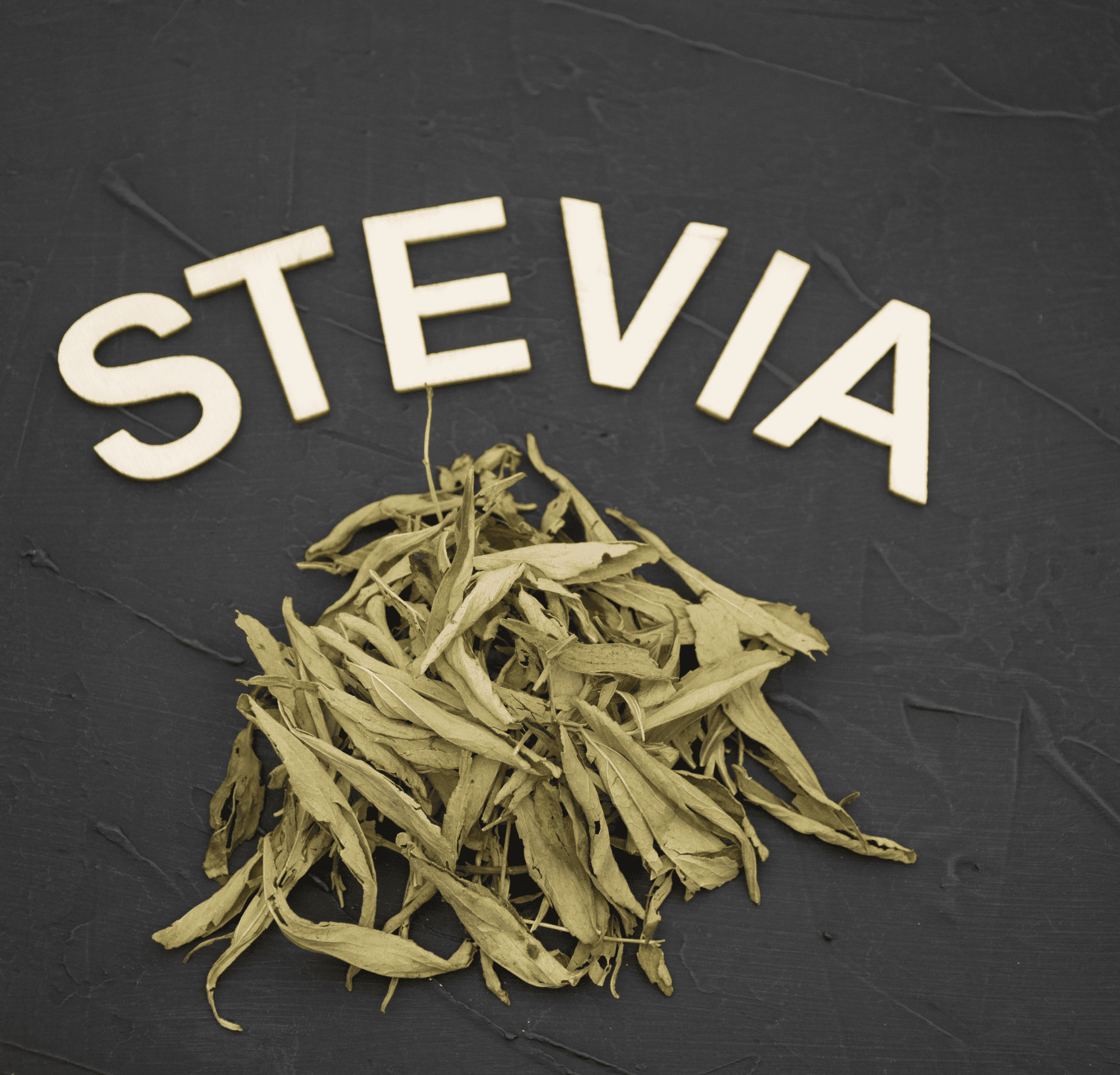
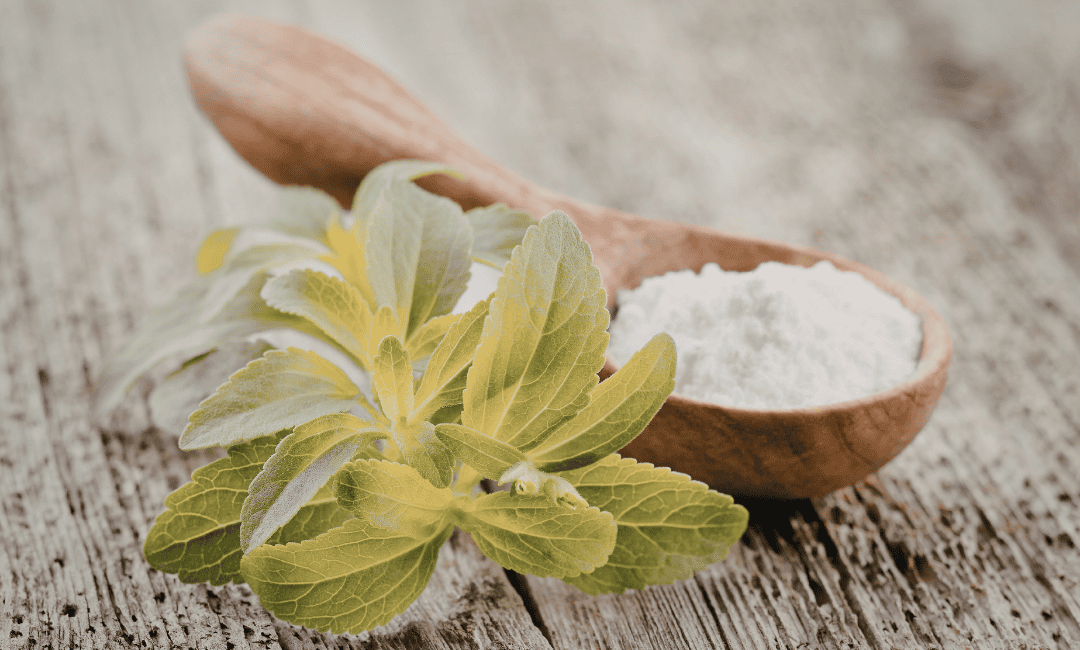
Stevia is a natural sweetener that comes from a plant called Stevia rebaudiana. Its leaves have been used for hundreds of years, especially in parts of South America, where people would simply pluck the leaves and use them to sweeten tea or chew them as a treat.
The sweetness of stevia comes from compounds called steviol glycosides. These natural compounds are 200 to 400 times sweeter than regular sugar, but contain almost zero calories.
It doesn’t behave like sugar in your body, because:
But, when you see “stevia” on a label, it could mean:
The myth usually originates from the confusion of mixing up pure stevia with processed products that contain other additives that heighten the risk of cancer. Also, terms like stevia leaf extract cancer can sound intimidating, even though they simply refer to purified compounds from the plant.
There is no reliable scientific evidence of stevia linked to cancer and how it fits into overall cancer and food habits when consumed within recommended limits.
So if you’re asking again, does stevia cause cancer? Current data says no.
The concerns of does stevia causes cancer or not mostly began from early laboratory studies (not human).
They focused on a compound called steviol, which forms in the gut. Under very specific lab conditions (like in bacteria or test tubes), there were signs that steviol might interact with DNA.
This is what initially led researchers to question: does stevia cause cancer at a cellular level?
But that doesn’t necessarily mean it would happen in your body as well.
As more studies were conducted, researchers started looking at realistic consumption and long-term exposure.
Also, when scientists tried to repeat those initial findings, most couldn’t reproduce the same effects. This shifted the conversation away from “does stevia cause cancer” toward understanding how the body actually processes it.
Instead, they found that when you consume stevia:
Major global health regulatory organizations concluded that:
| Organization | Key findings on stevia safety |
|---|---|
| JECFA (FAO/WHO) | Established an Acceptable Daily Intake (ADI) of 4 mg/kg body weight/day (as steviol equivalents); found no evidence of carcinogenicity |
| U.S. FDA | Granted GRAS (Generally Recognised as Safe) status to high-purity steviol glycosides |
| EFSA (European Food Safety Authority) | Confirmed stevia is not genotoxic, not carcinogenic, and safe within ADI limits |
This directly answers long-term concerns like does stevia cause cancer over time, showing no biological buildup or risk pathway.
Let’s now explore the potential benefits of stevia:
Stevia is hundreds of times sweeter than sugar while containing almost zero calories.
Research shows that replacing sugar with stevia can lower daily calorie intake and lead to modest weight loss.
Moreover, unlike some sweeteners that may increase cravings, stevia does not consistently trigger increased hunger. In some cases, it may even help reduce how much you eat later in the day.
For people asking does stevia cause cancer or other health risks, this substitution often works in a positive direction.
Pure stevia has a glycemic index of zero and does not raise blood sugar levels. This makes it a valuable alternative for managing glucose and supporting broader discussions around nutrition and cancer.
Studies also suggest stevia may actively improve metabolic health. In controlled settings, its compounds help the body handle glucose by supporting the insulin response.
For people trying to make better dietary choices, including those exploring stevia for cancer patients, reducing sugar intake can be a meaningful step.
There is also this growing scientific interest in how stevia compounds interact with cancer cells, but this does not mean stevia treats or prevents cancer.
In laboratory settings, compounds like stevioside and steviol have shown the ability to reduce the growth of certain cancer cells, including breast, colorectal, and gastric cancer cells.
Also, because stevia does not raise blood sugar, it may create a less favorable environment for cancer cells, which require glucose to grow and spread.
These findings, however, are early and do not necessarily translate into clinical treatment.
Even if stevia is relatively safe to consume, there are a few side effects that you need to keep in mind if you consume it regularly.
| Potential effect | What it means | What to keep in mind |
|---|---|---|
| Digestive discomfort | Some people may experience bloating, gas, or mild discomfort | Often caused by additives (like erythritol or xylitol), not pure stevia |
| Taste sensitivity | Slight bitter or liquorice-like aftertaste at higher amounts | Varies by person; blended products are often smoother |
| Blood sugar & pressure effects | May lower blood sugar and slightly reduce blood pressure | Monitor if you’re on diabetes or hypertension medication |
| Allergic reactions (rare) | Possible sensitivity in people allergic to ragweed-like plants | Very uncommon with purified stevia extracts |
| Long-term safety | Concerns like does stevia cause cancer are not supported by research. | Keep consumption in moderation |
Here are a few practical tips regarding how to safely use stevia:
Not all “stevia” is the same. Some products are pure extracts, while others contain fillers like maltodextrin or dextrose that can affect blood sugar. When possible, choose high-purity stevia with minimal added ingredients.
Stevia is often used as a simple swap for sugar, including in dietary approaches that consider stevia for cancer patients as part of balanced nutrition. Stevia, however, is very concentrated, so use a little. Using more probably won’t be harmful, but it can leave a bitter aftertaste.
Don’t overconsume stevia even if the safe daily intake set by health authorities is much higher than what most people consume.
If you take medicines for blood sugar or blood pressure, keep an eye on how your body responds. Stevia can slightly lower both, so moderation can help.
Stevia is best seen as a simple swap for sugar, not something you need to overthink. It supports better habits but doesn’t replace a balanced diet or medical care.
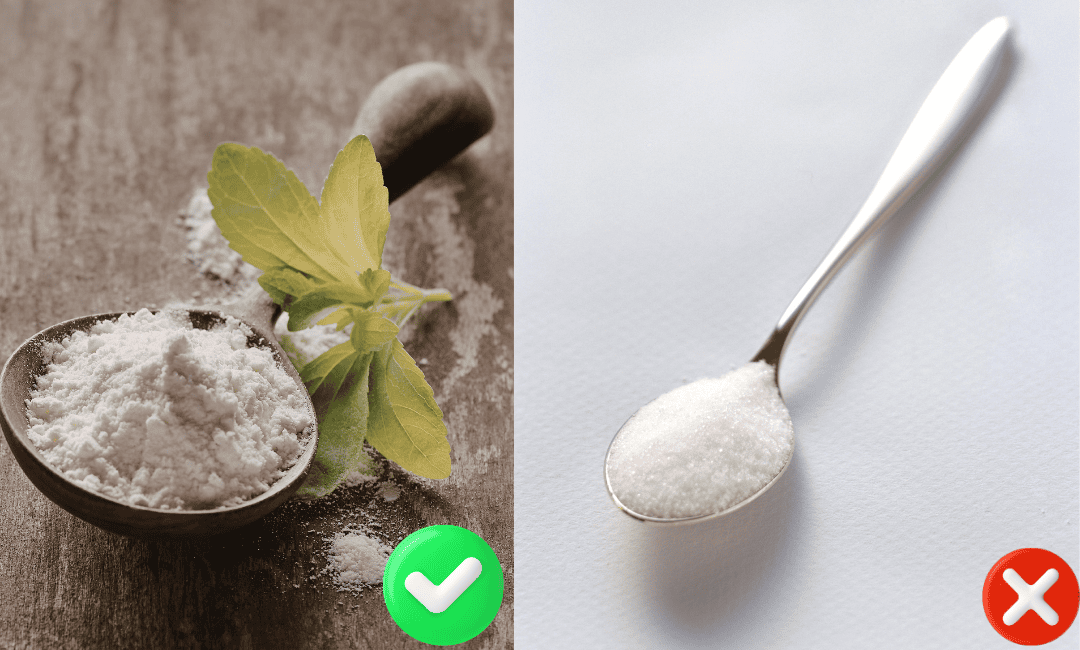
When you look beyond headlines, the answer to does stevia cause cancer becomes much clearer. Current evidence shows no meaningful link between stevia and cancer, allowing you to make choices with more confidence and less fear.
Small, thoughtful changes, like choosing alternatives that reduce strain on your body, can quietly support your overall well-being. With the right approach and an oncology nutrition guide, you can support your overall health journey in a steady, reassuring way.