Symptoms5 min read
Folic Acid Supplement: Importance, Benefits and Deficiency Symptoms
Dr. Vrundali Kannoth

Your oncologist hands you dietary guidelines. "Reduce sugar intake" appears near the top of the list. Suddenly, every food label becomes a minefield. That morning tea with two spoons of sugar - is it feeding your cancer? The apple you eat for a snack - does fruit sugar matter too? What about the glucose in rice and chapati?
Perhaps well-meaning relatives have told you to eliminate all sugar completely. Or you've read online that sugar feeds cancer cells and felt guilty every time you craved something sweet during difficult treatment days.
The relationship between sugar and cancer is more nuanced than dramatic headlines suggest. Yes, sugar matters. But probably not in the way you've been led to believe.
Let's separate myths from facts so you can make informed decisions without unnecessary fear or deprivation.
Blood sugar spikes are available at the Everhope store — reviewed for use during cancer care.
The statement that sugar feeds cancer cells is technically true but misleading in its implications. All cells in your body, including healthy ones, use glucose (sugar) for energy.
Cancer cells consume glucose rapidly because they grow and divide quickly, requiring substantial energy. This observation led to the oversimplified claim that eating sugar directly feeds cancer.
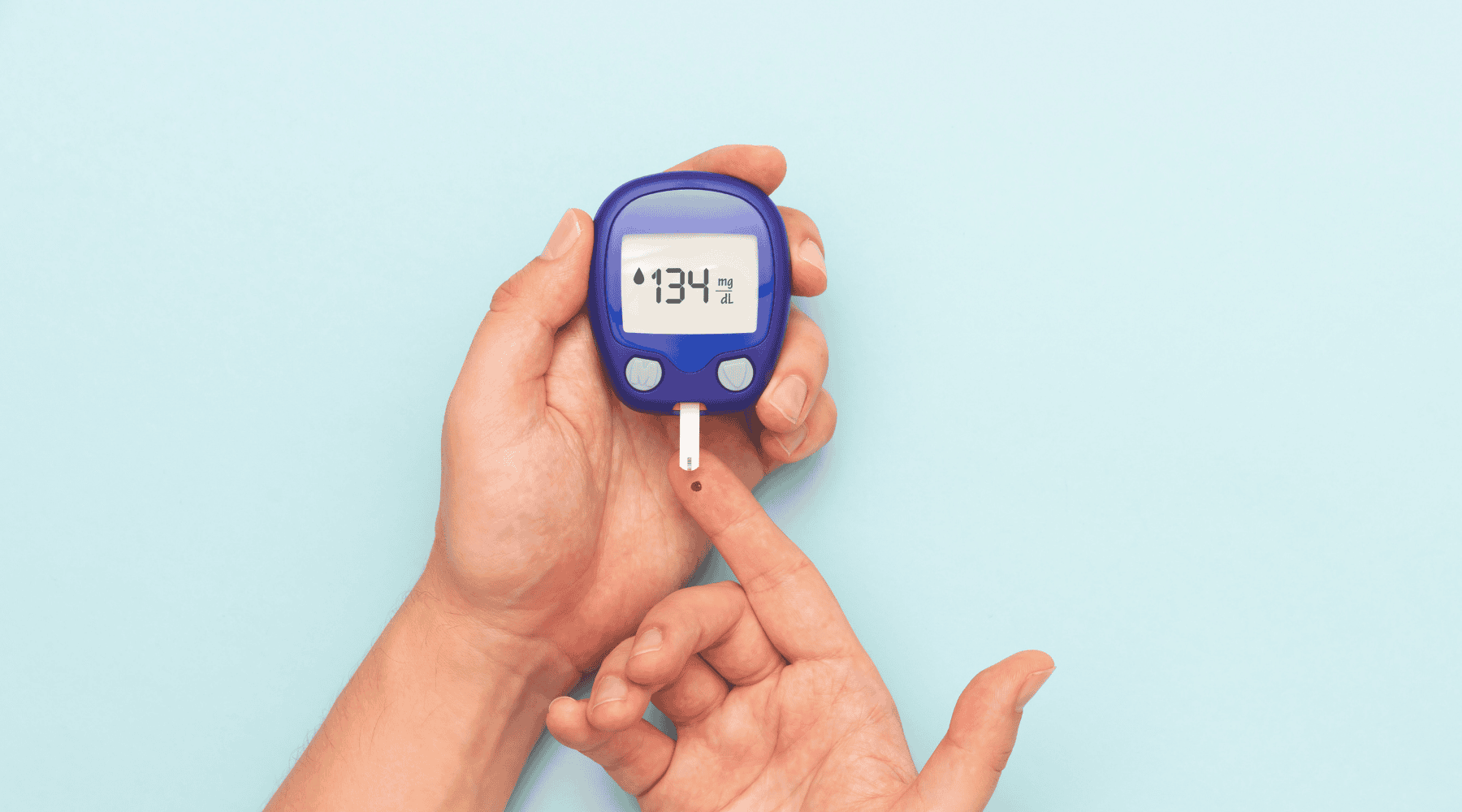
Sugar and cancer research indicates that blood glucose levels influence cancer cell behaviour, but the relationship isn't as straightforward as "eat sugar, feed cancer."
Your body maintains blood glucose levels within narrow ranges through complex hormonal regulation.
When you eat sugar or carbohydrates, insulin rises to help cells absorb glucose. It's this insulin response and chronic inflammation from excessive sugar intake that creates cancer concerns, not sugar directly "feeding" tumours.
So, can sugar cause cancer directly? No. But high sugar consumption contributes to obesity, insulin resistance, chronic inflammation, and hormonal imbalances, which are all established as cancer risk factors.
High blood sugar and cancer connections involve insulin and growth factors rather than glucose itself.

Chronic high blood sugar triggers constant insulin production. Moreover, insulin is a growth factor signalling cells to grow and divide. Cancer cells often have more insulin receptors than normal cells, making them particularly responsive to insulin signals.
Additionally, high insulin levels increase insulin-like growth factor-1 (IGF-1), another powerful growth promoter. Elevated IGF-1 associates with increased risk of several cancers, including breast, prostate, and colorectal. Sugar causes cancer through these indirect pathways:
Research found that people with poorly controlled diabetes (persistently high blood sugar) face a 20-40% higher cancer risk compared to those with normal blood sugar control.
However, this doesn't mean cancer and sugar intake requires zero-sugar diets. Moderate carbohydrate consumption, maintaining healthy blood sugar levels, is perfectly compatible with cancer prevention and treatment.
This myth deserves thorough debunking because it leads to dangerous dietary extremes.
PET scans use radioactive glucose to detect cancer. Cancer cells' high glucose uptake makes them visible on scans.
This observation spawned the idea that removing sugar would kill cancer.
Your body maintains blood glucose levels regardless of dietary intake. When you don't eat sugar or carbohydrates, your liver produces glucose from protein (gluconeogenesis). Blood sugar doesn't drop to zero on sugar-free diets.
Even on ketogenic diets that drastically reduce carbohydrates, blood glucose remains at levels supporting both normal and cancer cells. You cannot "starve" cancer by eliminating dietary sugar without also starving healthy cells.
Furthermore, many cancer cells can adapt to use alternative fuel sources, including amino acids (from protein) and fatty acids. Cancer cells grow with sugar, but they're not exclusively dependent on it.
Moreover, extreme sugar restriction without medical supervision risks malnutrition, which can be particularly problematic during cancer treatment, when maintaining weight and strength is crucial.
The goal is to moderate intake while maintaining a balanced diet for cancer patients, supporting overall health.
Understanding whether sugar linked to cancer spread (metastasis) requires examining actual research versus oversimplified claims.
A study found that high-sugar environments under laboratory conditions promoted the invasive behaviour of some cancer cells. However, laboratory sugar concentrations far exceeded what occurs in human bodies from normal diet.
The effect of sugar on cancer metastasis in humans remains difficult to prove. Metastasis involves complex processes, including breaking away from the original tumour, entering the bloodstream, surviving circulation, and establishing growth in distant organs.
In fact, blood sugar is one of hundreds of factors influencing these processes.
The effects of sugar on cancer patients relate more to treatment tolerance and recovery. High sugar diets contribute to fatigue, inflammation, immune suppression, poor wound healing, and treatment side effects rather than directly causing faster spread. Obesity from excessive sugar consumption does correlate with more aggressive cancers and poorer outcomes. But this reflects obesity's multiple effects on hormones, inflammation, and immune function rather than sugar alone. To sum up, the idea that sugar consumption and cancer spread are directly linked oversimplifies complex biological processes.
Fruit sugar and cancer concerns arise because fruits contain fructose. Does this matter differently than refined sugar and cancer?
| Feature | Whole fruit | Refined sugar |
|---|---|---|
| Sugar type | Natural fructose plus glucose | Sucrose (glucose + fructose) |
| Fibre content | High (slows absorption) | None (rapid absorption) |
| Nutrient density | Vitamins, minerals, antioxidants | Empty calories |
| Blood sugar impact | Gradual rise due to fibre | Rapid spike |
| Satisfaction after eating | Filling, limits overconsumption | Easy to overconsume |
| Cancer impact | Protective (antioxidants, phytochemicals) | Contributes to inflammation, weight gain |
Anti cancer fruits provide vitamins, minerals, antioxidants, and fibre alongside natural sugars. The beneficial compounds in fruits far outweigh concerns about natural sugar content.
However, sugar cancer risk stems from rapid blood sugar spikes, inflammation, and empty calories contributing to weight gain without nutritional benefit.
Remember that moderation applies to both. Excessive fruit consumption (particularly fruit juices without fibre) can contribute to high sugar intake. But whole fruits in reasonable portions (2-3 servings daily) benefit health rather than harm it, and are often included under foods that prevent cancer.
Artificial sugar cancer concerns have generated substantial debate and research. Here is what the current evidence on common sweeteners says:
Occasional use of approved artificial sweeteners likely poses minimal cancer risk. However, they're not "free passes" for unlimited sweet consumption. They may affect gut bacteria, insulin response, and sweet cravings in ways we're still understanding.
According to oncology nutrition guidelines, artificial sweeteners can help cancer patients reduce refined sugar whilst satisfying sweet cravings, but whole food approaches remain preferable when possible.
To answer the question you have been looking for - can a cancer patient eat sugar? and should cancer patients avoid sugar entirely?
Let's provide practical, balanced guidance on sugary cancer foods to avoid and consume.
Is sugar bad for cancer patients? In excess, yes. In moderation as part of a balanced diet, no. Complete elimination is unnecessary and potentially harmful if it leads to inadequate calorie intake or enjoyment deprivation, affecting quality of life.
Here are a few practical recommendations for diet for cancer patients:
Focus on reducing:
Maintain moderate intake of:
Prioritise:
Cancer and food habits should be personalised. Someone struggling to maintain weight during cancer treatment may need more calorie-dense foods, even if they contain sugar. Someone overweight may benefit from stricter sugar reduction.
Sugar and cancer myth of directly feeding cancer oversimplifies complex biology. All cells use glucose; you cannot starve cancer without starving yourself. Can sugar lead to cancer? Not directly, but excessive sugar contributes to obesity, inflammation, and insulin resistance. The concern is chronic overconsumption, not occasional treats.
For personalised nutritional guidance addressing what causes cancer risk factors and supporting optimal health during treatment, connect with experienced oncology dietitians who can tailor recommendations to your specific needs.