
Nutrition5 min read
Spirulina Biotic Powder: Benefits, Nutrition Facts and Its Role in Cancer Nutrition
Dr. Vrundali Kannoth
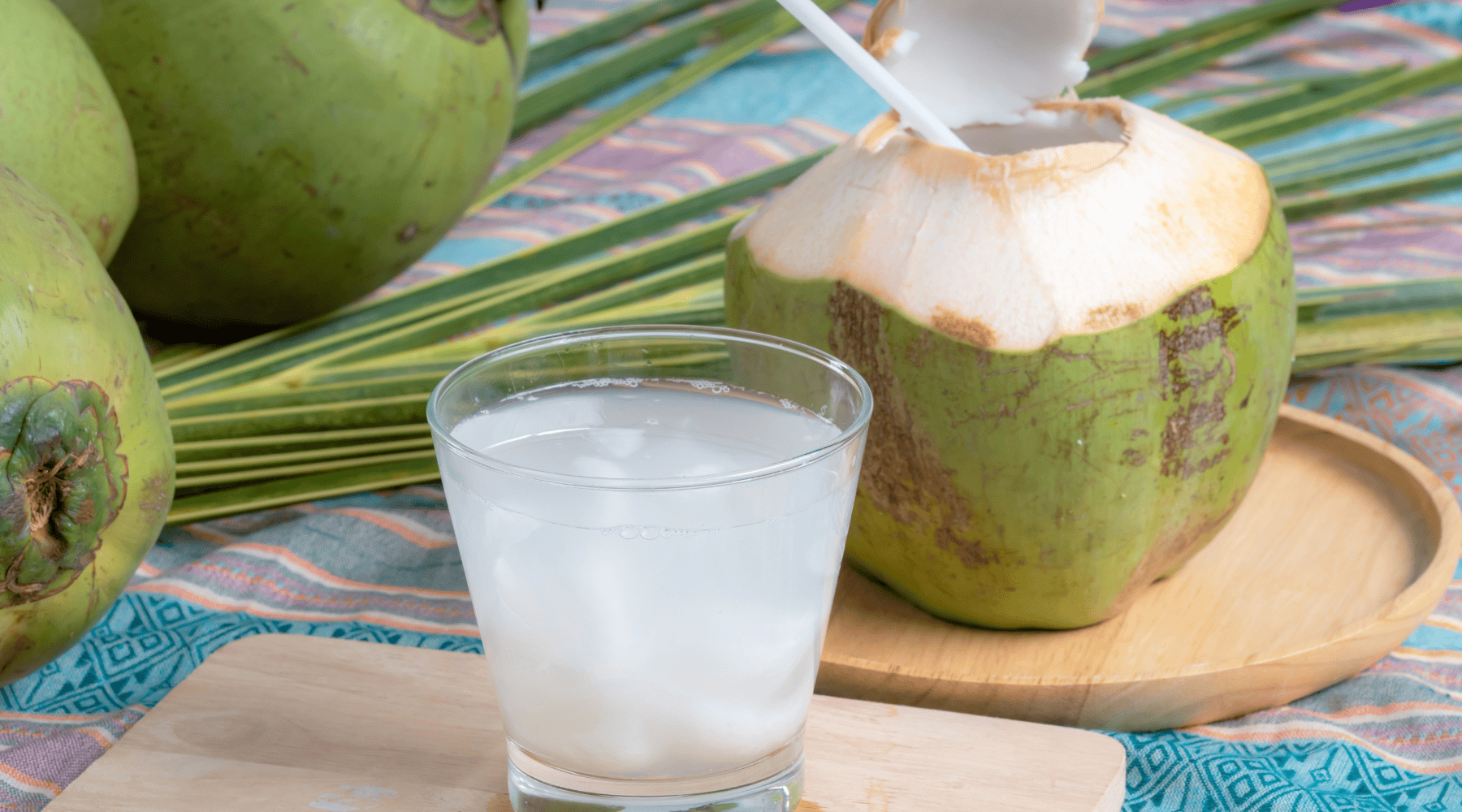
Cancer treatment changes the most ordinary parts of daily life, from how much energy you wake up with to the comfort you find in a simple glass of water. Families and friends look for foods and drinks that might help their loved ones feel soothed yet safe, something that helps the body cope without overwhelming it. Coconut water tends to come up in these conversations about foods that prevent cancer[a], with many asking, “Is coconut water good for cancer patients?” It is naturally refreshing, light on the stomach, and packed with electrolytes. But does it truly support recovery, or is it just another wellness fad?
Eating well through treatment is hard. Get a personalised onco-nutrition plan from Everhope's dietitians.
For many people going through cancer treatment, even something as basic as staying hydrated can feel difficult. Nausea, diarrhea, and loss of appetite often drain the body of fluids and electrolytes.
Even care teams recommend coconut water for cancer patients because it restores fluids without being heavy on the stomach and naturally supplies the body's required electrolytes.

Coconut water in cancer care is valued because it is about 94% water, but also carries a mix of nutrients. On average, 1 cup (240 ml) of coconut water provides:
Coconut water contains bioactive compounds like phenolic acids, flavonoids, and cytokinins. Recent research on coconut water and cancer shows these antioxidants can help neutralise free radicals and may reduce oxidative stress, which increases during chemotherapy and radiation.
These compounds provide supportive benefits for the immune system and overall recovery by limiting cell damage and inflammation.
Coconut water for cancer patients isn’t a cure, but it serves as an ally and soldier during the ups and downs of treatment. Instead of being just a refreshing drink, drinking coconut water is good for cancer as it plays a supportive role in day-to-day recovery.

With that in mind, here are some of the key benefits explained through the nutrients behind them:
Cancer treatment side effects[b] like vomiting, diarrhoea, or even reduced fluid intake can make staying hydrated difficult. Coconut water naturally restores lost fluids while also supplying electrolytes such as potassium, sodium, and magnesium. These are among the most practical benefits of coconut water for cancer patients, especially during chemotherapy or diarrhea-related dehydration. These minerals help maintain fluid balance, support nerve and muscle function, and ease fatigue.
When the stomach feels unsettled, heavy drinks and foods can be hard to tolerate. Can cancer patients drink coconut water safely? Yes, since it is light, low in calories, and easy to sip, it’s often a soothing option for patients dealing with nausea or appetite loss.
Cancer treatment often drains energy, yet overly sweet drinks can feel too intense or cause sugar spikes. Although it’s sweet, coconut water contains only natural sugars that lift patients, giving them a source of sustainable energy rather than the overwhelming rush that energy drinks provide.
Coconut water carries antioxidants such as flavonoids and cytokinins, along with small amounts of vitamin C. These compounds help neutralise free radicals and reduce oxidative stress on the body, which tends to rise during chemotherapy and radiation. By lowering this burden, antioxidants may support immune function and recovery.
An infamous claim patients and families come across is that drinking hot coconut water for cancer treatment can “kill cancer cells”. While the idea sounds hopeful, there is no scientific evidence to support it. Coconut water hydrates, provides electrolytes, and antioxidants, but hot coconut water is anti-cancer is a myth.
| Myth | Fact |
|---|---|
| Hot coconut water for cancer patients can cure cells. | Hot coconut water is good for cancer has no proven study. Heating does not make it anti-cancer. |
| Heating coconut water makes it more “medicinal”. | Heat does not create new healing properties. In fact, it may reduce/evaporate some antioxidants and vitamins. |
| Doctors recommend hot coconut water during chemotherapy. | Medical advice focuses on overall hydration and nutrition. Coconut water can be part of that, but temperature makes no difference. |
Terms like coconut hot water for cancer cure often circulate online, but no credible medical research confirms these claims.
While coconut water for cancer patients may seem like a perfect remedy, it should not be consumed over the recommended dose. Most of the nutrients and benefits it packs are over the daily value (DV) recommended for an average human, so drinking it over a limit will cause problems.
Here are some risks to watch out for:
Coconut water is good for cancer patients, but it’s also important to consider risks such as kidney disease or high potassium. Since coconut water is naturally rich in potassium, it can be risky for people with cancers of the kidneys, diseases caused by metastasised cancers, or those who already have high potassium levels in their blood.
Fresh coconut water for cancer patients is usually the better choice. Packaged versions may contain added sugar or preservatives, and once opened, they can spoil quickly if not refrigerated. Hygiene matters too; always make sure the place you buy the coconuts from is clean and well-maintained with no insects, flies, or maggots around.
| Do | Don’t |
|---|---|
| Choose fresh coconuts when possible. | Rely on packaged coconut water with added sugars. |
| Drink it soon after opening. | Consume large amounts daily without medical advice. |
| Ask your doctor if you have kidney-related conditions. | Treat it as a replacement for prescribed treatments |
A small glass (about 1 cup or 240 ml) is usually enough for hydration and comfort. More isn’t always better, especially for patients with kidney issues or blood sugar concerns.
Coconut water is helpful, but it’s not the only option for hydration and energy. Oral rehydration solution (ORS), plain water, and diluted fruit juices can also support fluid balance without overwhelming the body.
If your friends or family are dealing with cancer, small choices in diet, like including coconut water for cancer patients in moderation, can make a noticeable difference in daily comfort. The coconut water benefits for cancer recovery are clear because it stands out in supportive care as it hydrates, restores electrolytes, and is easy on the stomach.
Its real value lies in being a supportive, natural drink that fits into a well-rounded recovery plan. With mindful use and a good doctor or care team’s guidance, coconut water can be a refreshing diet addition through treatment and healing.
One cup (about 240 ml) of coconut water daily is generally safe for most patients. Drinking it in moderation supports hydration and electrolytes, but excessive intake may raise potassium levels, especially for those with kidney-related concerns.
Yes, coconut water is safe during chemotherapy and can help ease dehydration, fatigue, or nausea. It provides gentle hydration and nutrients without overwhelming the stomach, but it should complement, not replace, medical dietary guidance from your oncology team.
Coconut water restores fluids and electrolytes, but it does not fully match the precise balance of salts and glucose in medical oral rehydration solutions (ORS).
No, there is no scientific evidence that hot coconut water prevents cancer. It supports hydration and recovery, but cancer prevention relies on medical guidance, screenings, and overall lifestyle choices.