
Education5 min read
Vitamin B1 Thiamine Supplements: Nerve Function & Cancer Recovery Support
Dr. Vrundali Kannoth

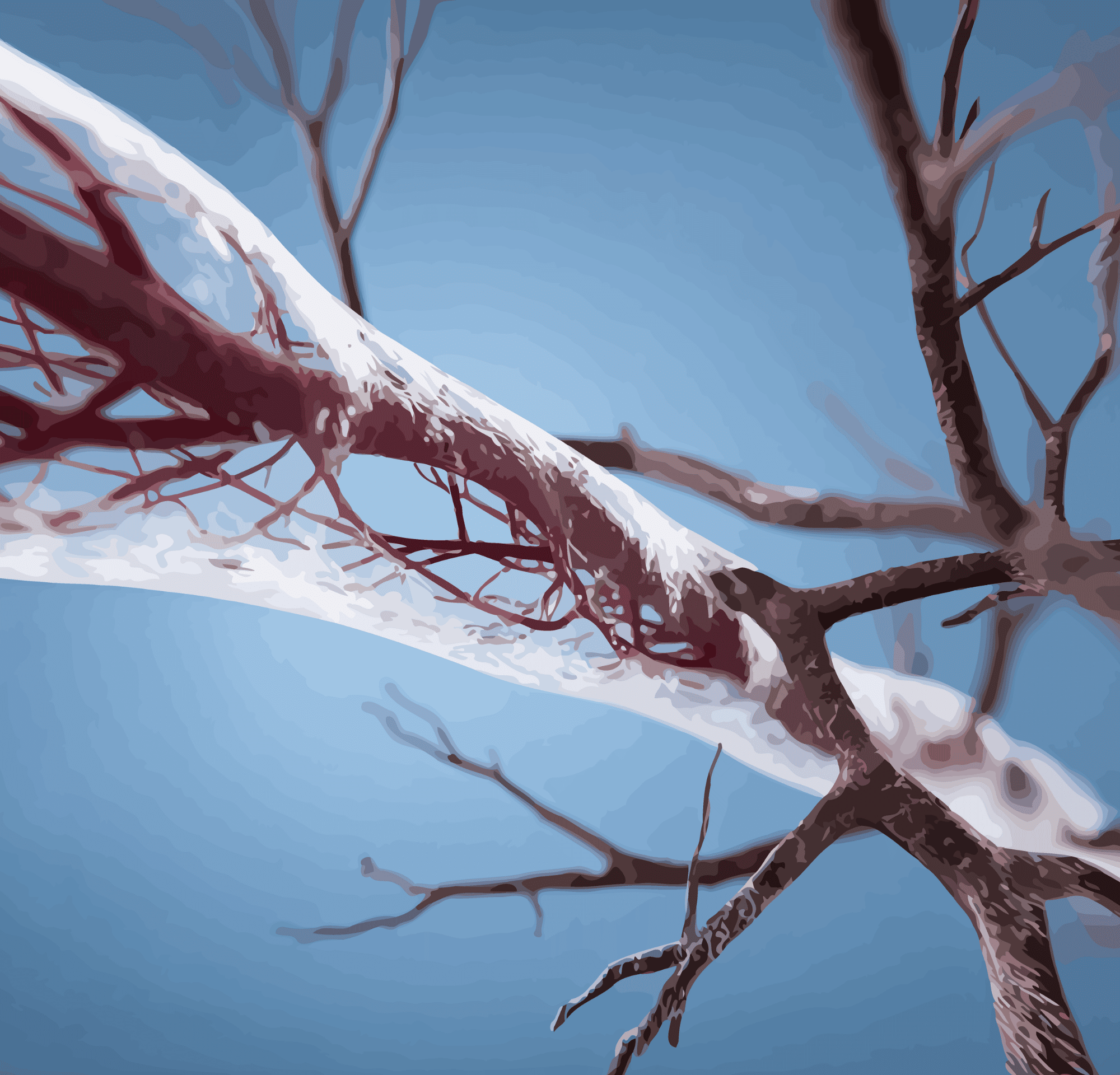
Your body grows when needed, heals when hurt, and then returns to balance. This sense of normalcy gives us a deep, often unnoticed feeling of safety.
But when cancer influences the discussion, often due to underlying cancer risk factors, the balance can suddenly feel uncertain.
Processes that once protected you can begin to behave differently. One of those is angiogenesis, a natural function your body uses for healing, but one that cancer can take control of.
A cancer diagnosis can also bring emotional strain, making cancer symptoms feel significant and your body seem unfamiliar.
That feeling is valid, and this guide is here to answer what angiogenesis is, how angiogenesis works, what causes angiogenesis, and how modern treatments try to manage it.
Angiogenesis is how your body creates new blood vessels from the ones that already exist. Your body uses it when you heal from a wound, recover from injury, or even during normal cycles like tissue repair.
Angiogenesis meaning is that your body builds new pathways so blood can reach places that need support.
In a healthy situation, angiogenesis is:
In cancer, this same process is no longer controlled.
Tumours, often referred to as malignant neoplasms, are clusters of abnormal cells that need oxygen and nutrients to grow. Without a blood supply, they stay almost inactive. But once they trigger angiogenesis, they begin to:
This is what we often refer to as angiogenesis cancer, when a normal healing process is used to support something harmful.
This shift is a key moment in cancer development and reflects the difference between normal cell and cancer cell.
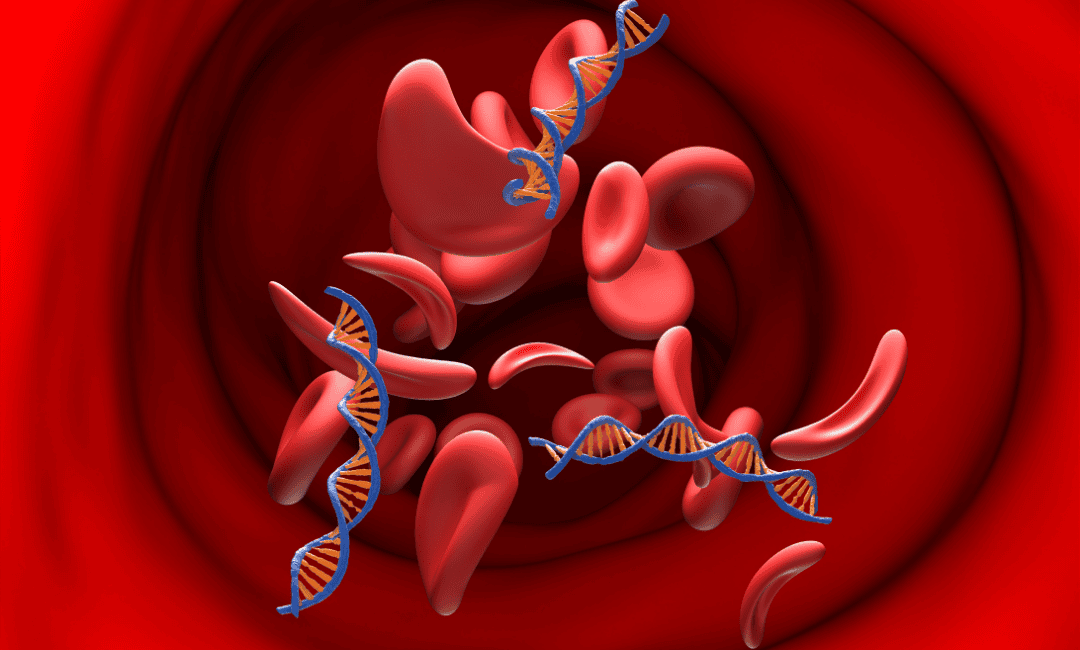
Your body actually has more than one way to form new blood vessels. These different types of angiogenesis support both healthy tissues and tumours.
Let’s walk through the two main ones:
This type of angiogenesis is often active in cancerous conditions. Tumours release strong signals that encourage continuous sprouting, helping them expand their blood supply quickly.
Here’s how it works:
These changes, often linked to genetic mutation cancer, affect how cells grow and behave, allowing tumours to develop over time.
This type of angiogenesis is a bit different and surprisingly efficient.
Instead of growing outward, an existing blood vessel splits into two from within. This process uses less energy and allows rapid adaptation, making it important for tumour growth.
Because tumours can switch between different angiogenesis methods when one is blocked, this flexibility makes angiogenesis cancer challenging to treat.
Here are the angiogenesis steps:
Among the stages of angiogenesis, the most important is low oxygen or hypoxia. When cells don’t get enough oxygen, they send out a distress signal. As tumours grow very fast, they quickly run out of oxygen. This keeps the signal turned on all the time.
Loss of the p53 tumour suppressor gene further reduces inhibitors.
Your body uses VEGF and other chemicals to control the growth of new blood vessels. In cancer, these signals are produced in large amounts. In a healthy body, this happens only when needed. But in cancer, those signals don’t stop, and your body keeps on creating new blood vessels.
Before new blood vessels can grow, space needs to be created. So your body releases special enzymes that break down nearby structures and clear a path for new cells to move. This can make the surrounding tissues inflamed, acidic, and stressed.
As the cells continue growing, they organise themselves into a hollow tube called the lumen. This tube will soon carry blood, bringing oxygen and nutrients to both healthy and malignant cells.
The cells form tight connections with each other using proteins like VE-cadherin, making the tube stay intact and not fall apart.
In healthy angiogenesis, this step creates smooth and well-organised vessels. But in cancer, the tubes are often irregular, and the walls can be leaky. Still, it’s enough for the tumour to grow.
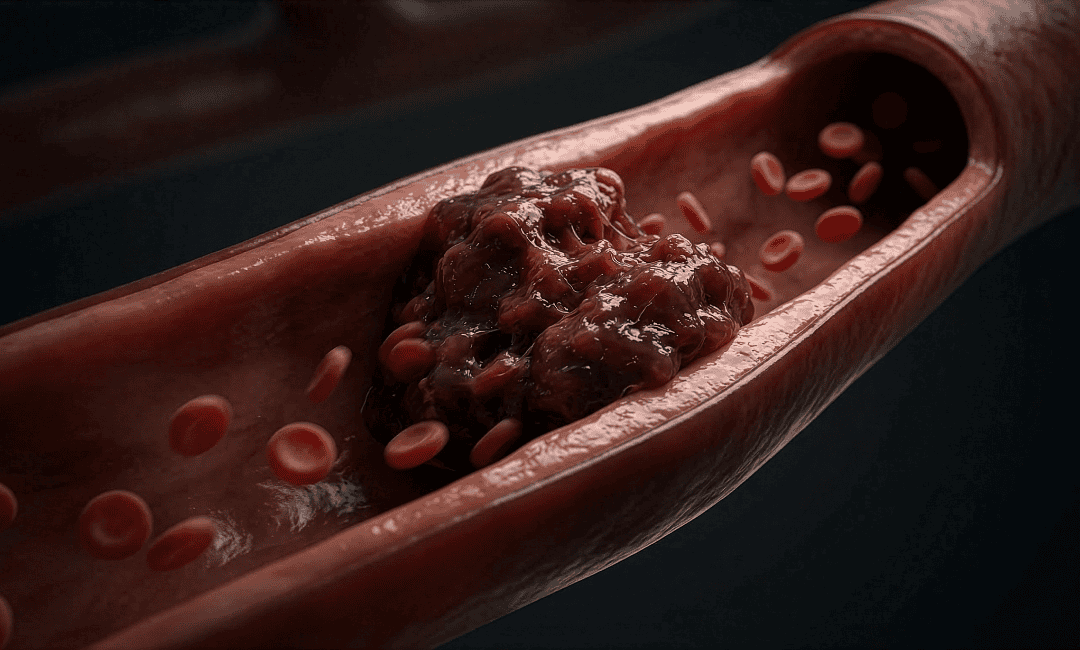
Tumours create their own blood supply through angiogenesis, allowing them to grow beyond natural limits. Studies show that tumours with higher blood vessel density grow faster and behave more aggressively.
But angiogenesis also helps cancer spread and develop into metastatic cancer, while also resisting treatment. The blood vessels formed are abnormal, which creates advantages for the tumour, like:
This is why cancer cells angiogenesis is such an important focus in modern research.
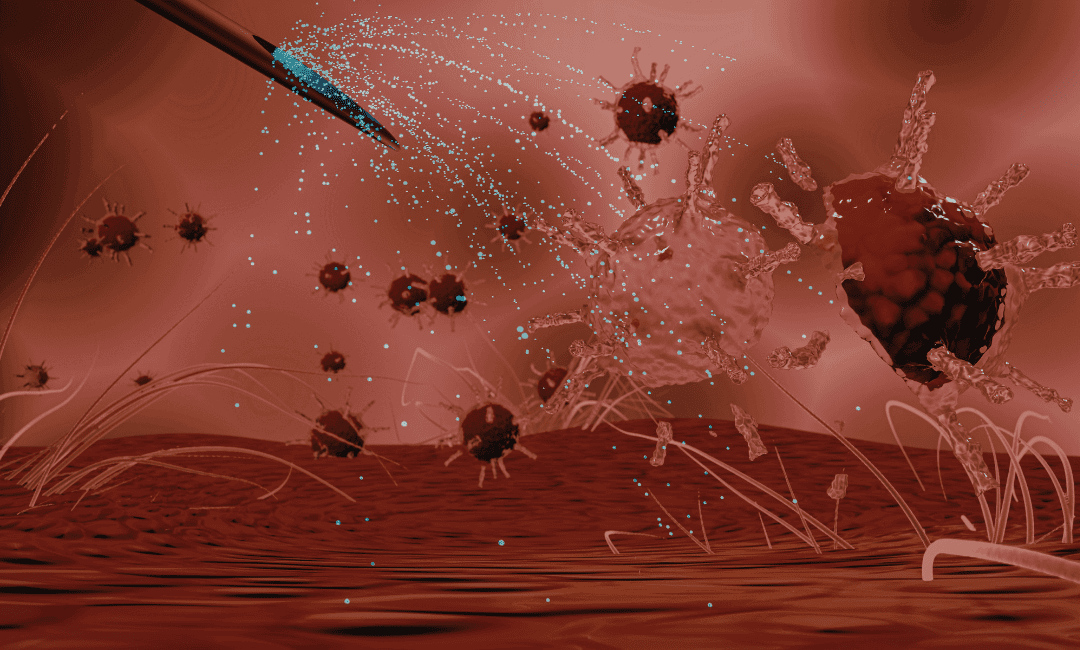
Once oncologists were sure about tumours building their own blood supply, the approach changed to stopping it from doing so.
Instead of only attacking cancer cells directly, modern cancer treatment also tries to cut off the tumour’s access to oxygen and nutrients, so it slows down or stops growing.
Anti-angiogenesis therapy focuses on blocking the signals, mainly VEGF, that tell the body to form new blood vessels.
These therapies work by:
When this happens, angiogenesis slows down or stops.
Some commonly used drugs include:
| Drug type | Examples | How they work | Angiogenesis impact factor |
|---|---|---|---|
| Monoclonal Antibodies | Bevacizumab | Block VEGF signals directly | Prevent new blood vessel formation |
| Tyrosine Kinase Inhibitors (TKIs) | Sunitinib, Sorafenib | Block internal cell signalling pathways | Slow down the angiogenesis process |
| VEGF Trap (Fusion Protein) | Aflibercept | Acts like a “decoy” to capture VEGF | Reduces available signals for angiogenesis |
| mTOR Inhibitors | Everolimus | Block growth and survival pathways | Indirectly reduces angiogenesis |
Clinical studies, supported by advances in cancer diagnostics, have shown that these drugs can delay tumour growth and, in some cases, extend survival.
While anti-angiogenic treatments are effective, they’re not without drawbacks. Here are the benefits and limitations discussed:
| Benefits/limitations | Explanation |
|---|---|
| Benefit: Slows tumour growth | Reduces blood supply, limiting oxygen and nutrients to tumours |
| Benefit: Improves other treatments | Can normalise blood vessels, helping chemotherapy reach tumours better |
| Limitation: Not a cure alone | Usually controls cancer rather than eliminating it completely |
| Limitation: Resistance | Tumours may find alternative ways to maintain blood supply |
| Limitation: Side effects | Can include high blood pressure, bleeding risk, and slow healing |

Understanding angiogenesis, along with the role of a cancer screening test, can gently help you make sense of how cancer grows, spreads, and survives. It’s completely natural to feel overwhelmed, but even small clarity can bring a sense of calm in uncertain moments.
While cancer may use angiogenesis to its advantage, treatments today are designed to slow this process and support better outcomes. Ongoing research continues to bring more hope with targeted and effective approaches.
If you’re going through this, connecting with experienced oncology doctors can offer guidance, reassurance, and the confidence to make informed decisions about your care.