Call Us
Bladder Cancer Diet Guide - Essential Foods to Eat and Avoid

Bladder Cancer Diet Guide - Essential Foods to Eat and Avoid

title image

Dr. Manjari Chandra5 minutes31 Dec 2025

Diet for Bladder Cancer: Best Eating Choices and Foods to Avoid

Dal sits untouched on your plate. The familiar smell of fresh roti no longer tempts you. Since starting treatment, everything tastes different or tastes like nothing at all.

Your family keeps asking what they can cook for you. Your neighbour swears turmeric milk cured her cousin's cancer. Meanwhile, conflicting advice online leaves you more confused than helped.

Here's what matters: the right bladder cancer diet won't cure cancer, but it absolutely supports your treatment, speeds healing, and helps your body fight back. You don't need exotic superfoods or expensive supplements. You need practical guidance that works within Indian kitchens and eating habits.

We will explain which everyday foods strengthen your recovery, what to strictly avoid, and how to adjust meals as treatment progresses.

Importance of diet for bladder cancer

Nutrition and cancer care are deeply connected. Your body simultaneously fights cancer cells, recovers from treatments, and manages harsh side effects.

Get a Personalised Nutrition Consultation!

Start your recovery with our cancer experts.

Dr. Manjari Chandra
27Y+ Exp

Dr. Manjari Chandra

Nutrition Medicine Specialist

Honorary Doctorate (Food & Nutrition), DHA (Hospital Administration), MSc (Nutrition & Dietetics)

A well-planned bladder cancer diet helps maintain strength during chemotherapy, supports surgical wound healing, reduces inflammation, and boosts immune function. Indian cancer centres show that patients maintaining an adequate bladder cancer diet tolerate treatments better and recover faster.

Strategic food choices ease common symptoms, such as nausea, fatigue, and appetite loss, while ensuring adequate calories and protein.

Essential foods for bladder cancer patients

Focus on nutrient-dense whole foods that support healing without irritating the bladder lining.
image

Anti-inflammatory fruits and vegetables

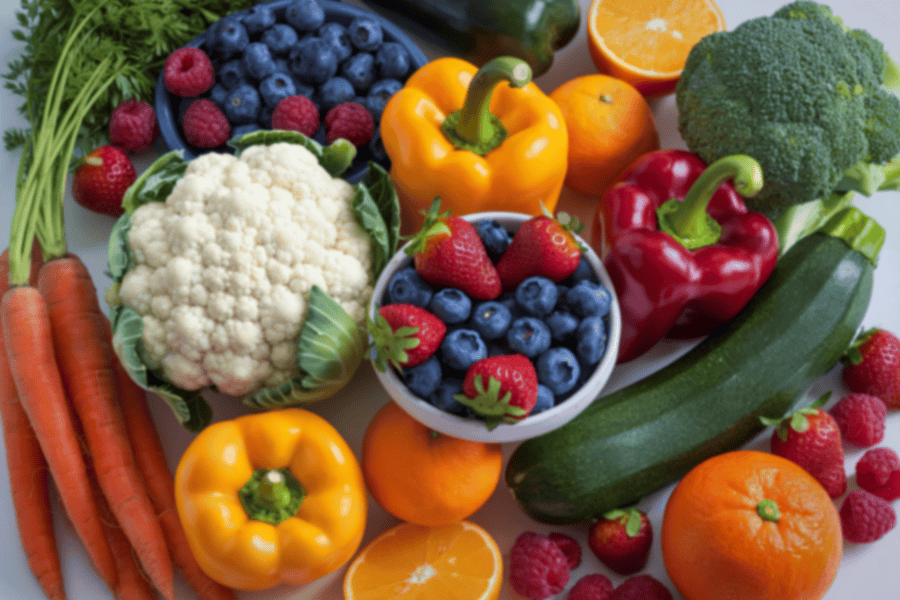
Colourful produce contains antioxidants that protect healthy cells. Foods for bladder cancer patients are as follows:

  • Cruciferous vegetables: Cauliflower (gobi), cabbage, broccoli
  • Leafy greens: Spinach (palak), fenugreek (methi), mustard greens (sarson)
  • Bright fruits: Pomegranate (anar), guava (amrud), papaya, oranges (santra)
  • Root vegetables: Carrots (gajar), beetroot, sweet potato (shakarkandi)

Steam or lightly sauté these. Aim for 3-4 servings daily.

Lean protein sources for recovery

Protein rebuilds tissues damaged by treatment and maintains muscle mass.

Recommended options:

  • Lentils: Moong dal, masoor dal, chana dal (easier to digest than rajma)
  • Low-fat dairy: Paneer, dahi (yoghurt), buttermilk (chaas)
  • Eggs: Boiled or poached, not fried
  • Skinless chicken: Grilled or in clear soups
  • Fish: Rohu, pomfret, sardines (baked or steamed)

Dal-chawal combinations provide complete proteins without excess fat. Include protein in every meal.

Whole grains and fibre-rich options

Whole grains stabilise blood sugar and prevent constipation.

Smart grain choices for bladder cancer diet:

  • Whole wheat chapati (gehun ka atta)
  • Brown rice mixed with white rice
  • Oats or daliya (broken wheat)
  • Millets: Bajra, jowar, ragi

These provide sustained energy throughout the day.

Hydration-boosting foods and fluids

Adequate hydration flushes toxins and supports kidney function.

Hydration strategies:

  • Plain water: 8-10 glasses daily
  • Coconut water
  • Herbal teas: Ginger chai, tulsi tea
  • Soups: Vegetable broths, dal ka pani
  • Water-rich foods: Cucumber, watermelon, bottle gourd (lauki)

Sip throughout the day rather than large quantities at once.

Foods to prevent bladder cancer recurrence

Some foods to prevent bladder cancer recurrence include:

  • Turmeric (haldi): Add to dal, sabzi, warm milk
  • Garlic (lehsun): Fresh in tempering
  • Green tea: 2-3 cups daily
  • Tomatoes: Cooked in minimal oil

Bladder cancer foods to avoid

Certain foods irritate the bladder, promote inflammation, or interfere with treatment. Avoid these options in your bladder cancer diet.

Processed and red meats

Salami, sausages, and bacon increase cancer risk and irritate the bladder. Here are a few bladder cancer foods to avoid:

  • Processed meats: Cold cuts, hot dogs
  • Excess red meat: Limit mutton and beef
  • Fried chicken from fast food
  • Cured meats: Smoked or pickled

Choose fresh poultry, fish, or plant proteins instead.

High-fat and fried foods

Pakoras, samosas, and deep-fried snacks burden digestion and promote inflammation. Here are the items to limit:

  • Deep-fried snacks: Vada, bhajiya, chips
  • Heavy curries swimming in oil
  • Fried parathas: Switch to dry-roasted versions
  • Commercial biscuits with trans fats

Small amounts of healthy fats from nuts or cold-pressed oils are fine.

Sugary snacks and refined carbs

Mithai, soft drinks, and white bread spike blood sugar and feed inflammation. Avoid these items:

  • Sweets: Gulab jamun, jalebi, barfi (rare occasions only)
  • Sugary drinks: Colas, packaged juices with added sugar
  • Refined flour: Maida products like naan, pizza base
  • White rice: Partially replace with brown rice or millets

Natural sugars from fresh fruit are acceptable in moderation.

Alcohol and bladder irritants

Alcohol irritates the bladder lining and interferes with chemotherapy. Make sure you strictly avoid these options:

  • All alcoholic beverages
  • Excessive caffeine: Limit chai to 1-2 cups
  • Acidic foods if they cause discomfort: Citrus, pickles (achaar), tamarind (imli)
  • Artificial sweeteners in diet sodas

These impact treatment effectiveness and bladder health.

Diet after bladder cancer surgery

Post-surgical nutrition requires careful progression without stressing the digestive system. Here are a few options through different stages of your recover.

Immediate post-surgery nutrition (liquids, soft foods)

First 24-48 hours focus on clear liquids.

Diet after bladder cancer surgery progression:

  • Day 1-2: Dal ka pani (strained), vegetable broth, coconut water
  • Day 3-5: Khichdi, idli with sambhar, dahi, mashed banana

Gradual diet progression for healing

Week 1-2 introduces easily digestible solid foods.

  • Steamed vegetables: Carrots, beans, pumpkin
  • Soft chapati with dal
  • Boiled egg whites or paneer
  • Papaya or stewed apple

Chew thoroughly and eat small portions every 2-3 hours rather than 3 large meals.

Hydration and electrolyte balance

Surgery disrupts fluid balance; careful rehydration is essential for the diet after bladder cancer surgery.

Post-surgery hydration:

  • Start with small sips (30-50ml) every 15 minutes
  • Progress to 200ml every hour by day 3
  • Add ORS if directed by doctors
  • Monitor urine colour (pale yellow indicates good hydration)

Avoid cold water immediately after surgery; room temperature is better.

Foods that support tissue repair

Healing surgical wounds requires specific nutrients. Recovery-boosting foods include:

  • Protein
    Dal, paneer, eggs (wound closure)
  • Vitamin C
    Amla, guava, oranges (collagen formation)
  • Zinc
    Pumpkin seeds, chickpeas (immune function)
  • Vitamin A
    Carrots, sweet potato (tissue growth)

Combine these strategically in meals for maximum benefit.

Managing treatment side effects through diet

Chemotherapy causes specific digestive challenges that the best diet for bladder cancer patients can ease.

image

Constipation and diarrhoea (recommended foods & avoid list)

For constipation:

  • Eat: Prunes soaked overnight, papaya, isabgol (psyllium husk), plenty of water
  • Avoid: Excess rice, maida products, processed cheese

For diarrhoea:

  • Eat: Boiled potatoes, white rice, banana, toast, buttermilk
  • Avoid: Spicy foods, raw vegetables, whole pulses

Adjust fibre intake based on current symptoms.

Nausea and loss of appetite (gentle foods & snack ideas)

Small frequent meals work better than forcing large portions.

Nausea-friendly options:

  • Dry crackers or khakhra before getting up
  • Ginger tea or pudina (mint) water
  • Cold foods: Dahi, fruit popsicles (less aroma)
  • Plain khichdi with minimal spices

Small snacks: Roasted makhana (fox nuts), steamed moong dal dhokla, apple slices, sattu drink

Metallic taste (flavouring strategies)

Energy-sustaining foods include:

  • Slow-release carbs: Oats daliya, brown rice, whole wheat
  • Healthy fats: Almonds, walnuts, pumpkin seeds
  • Iron-rich foods: Spinach, dates (khajoor), jaggery (gur)
  • B-vitamins: Fortified cereals, eggs

Prepare simple one-pot meals like khichdi when energy is low.

Sample diet plan for bladder cancer

This represents a balanced diet for bladder cancer survivors during active treatment.

Meal timeFood itemsNutritional purpose
Early Morning (7 AM)Ginger tea + 2 soaked almondsHydration, healthy fats, anti-nausea
Breakfast (8:30 AM) Vegetable poha OR Moong dal chillaComplex carbs, protein
Mid-Morning (11 AM)Pomegranate OR Papaya (1 bowl)Antioxidants, vitamin C
Lunch (1 PM)2 chapati + Palak dal + Carrot sabzi + RaitaProtein, iron, fibre, probiotics
Evening (4 PM)Coconut water + Roasted makhanaHydration, minerals
Dinner (7 PM)Vegetable khichdi + DahiEasy digestion, complete protein
Bedtime (9:30 PM)Warm turmeric milkAnti-inflammatory

Daily totals:

Approximately 1,500-1,800 calories, 60-70g protein

Key takeaways on bladder cancer diet

A thoughtful bladder cancer diet supports your body through treatment:

  • Focus on anti-inflammatory whole foods:
    vegetables, fruits, lean proteins, whole grains
  • Stay hydrated
    with water, coconut water, herbal teas throughout the day
  • Strictly avoid bladder irritants:
    alcohol, excessive caffeine, processed foods, fried items
  • Progress carefully
    after surgery from liquids to soft foods to regular meals
  • Use foods to prevent bladder cancer recurrence
    like turmeric and garlic daily
  • Manage side effects strategically:
    ginger for nausea, fibre for constipation
  • Adapt traditional Indian foods to be healthier:
    steaming instead of frying

Every body responds differently. Work with your oncology team or nutritionist familiar with diet for cancer patients to personalise these guidelines.

Connect with oncology nutritionists for personalised diet planning during treatment.

FAQs

Yes, diet plays a supportive role. What foods are good for fighting bladder cancer include cruciferous vegetables (cauliflower, broccoli), turmeric, garlic, and green tea, which contain compounds that may inhibit cancer cell growth.

Most patients tolerate dairy well, especially fermented options like dahi and buttermilk, which support gut health. Low-fat dairy is preferable. Some people develop temporary lactose intolerance during chemotherapy.

The bladder cancer diet should limit very spicy foods during active treatment. Chilli, black pepper, and excessive spices can irritate the bladder lining and worsen urinary symptoms like burning or urgency.
Related Blogs

View More
Bladder Cancer Diet Guide - Essential Foods to Eat and Avoid