Your oncologist just explained the treatment timeline: surgery, chemotherapy, and perhaps radiation. Before you leave, they add, "Nutrition will be crucial."
You nod, but your mind races. Cancer. Treatment. Recovery. The word "diet" barely registers until you're home, staring at your kitchen, wondering what you should actually eat now.
This guide provides
evidence-based advice specifically for patients. You'll learn which foods support treatment, what to avoid, and how to create a realistic eating plan within Indian dietary patterns.
Understanding the right diet for bone cancer patients makes a real difference in treatment outcomes.
Proper nutrition directly impacts treatment success and quality of life. A thoughtful diet for bone cancer patients is about giving your body resources to fight effectively.
Research shows that patients maintaining good nutrition and cancer care during treatment experience fewer complications and better outcomes. Best diet for bone cancer patients
The optimal diet for bone cancer patients balances multiple nutritional needs while remaining practical and culturally appropriate.
Balanced nutrition requirements
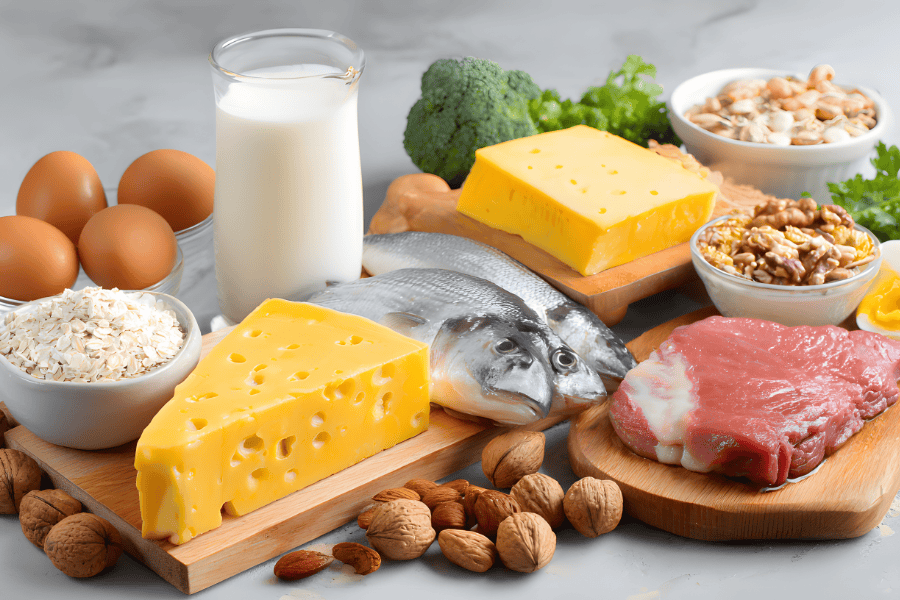
A complete eating plan includes:
Foods that fight bone cancer
While no food cures cancer, certain foods that fight bone cancer contain compounds supporting your body's defences:
•Cruciferous vegetables
Broccoli, cauliflower (gobi), cabbage contain sulforaphane. Steam or lightly cook these.•Turmeric (haldi)
Curcumin has anti-inflammatory properties. Add half a teaspoon daily to dal or warm milk with black pepper.•Garlic and onions
Contain organosulfur compounds. Use fresh garlic in tempering.•Tomatoes
Rich in lycopene, especially when cooked.•Green tea
Polyphenols may support treatment. Drink 2-3 cups daily.•Leafy greens
Spinach (palak), fenugreek (methi), provide folate, iron, and antioxidants.
These foods that fight bone cancer work best as part of overall nutrition, not as isolated cures.
Hydration & detox support
Adequate hydration flushes toxins from chemotherapy and supports kidney function.
•Daily fluid target
8-12 glasses (2-3 litres) unless your doctor restricts fluids.•Best choices
Plain water, coconut water, homemade vegetable soups, herbal teas (ginger, tulsi), diluted buttermilk (chaas).•Natural support
Your liver and kidneys handle detoxification. Support them through hydration and nutrient-dense foods rather than expensive "detox" products.
Diet chart for bone cancer patients
This diet chart for bone cancer patients provides a practical daily eating pattern. Adjust portions based on appetite and treatment schedule.
| Meal Timing | Recommended Foods | Purpose/Benefits |
|---|
| Early Morning (7 AM) | Ginger tea + 4 soaked almonds | Anti-nausea, healthy fats, energy |
| Breakfast (8:30 AM) | Vegetable upma OR Moong dal chilla + Fruit (papaya/banana) | Complex carbs, protein, vitamins |
| Mid-Morning (11 AM) | Fresh fruit OR Smoothie with yoghurt | Vitamins, probiotics, hydration |
| Lunch (1 PM) | 2 chapati + Dal (moong/masoor) + Vegetable sabzi + Raita + Small brown rice serving | Complete protein, fibre, calcium |
| Evening (4 PM) | Roasted makhana OR Mixed nuts OR Paneer cubes | Protein, healthy fats, energy
|
| Dinner (7 PM) | Khichdi with vegetables + Dahi OR Grilled fish/chicken + Greens + Chapati | Easy-to-digest protein
|
| Bedtime (9:30 PM) | Warm turmeric milk (haldi doodh) | Anti-inflammatory, calcium |
Daily totals:
Approximately 1,800-2,200 calories, 75-90g protein, adequate calcium
This meal template can be modified based on individual needs while maintaining nutritional balance.
Foods to avoid for bone cancer patients
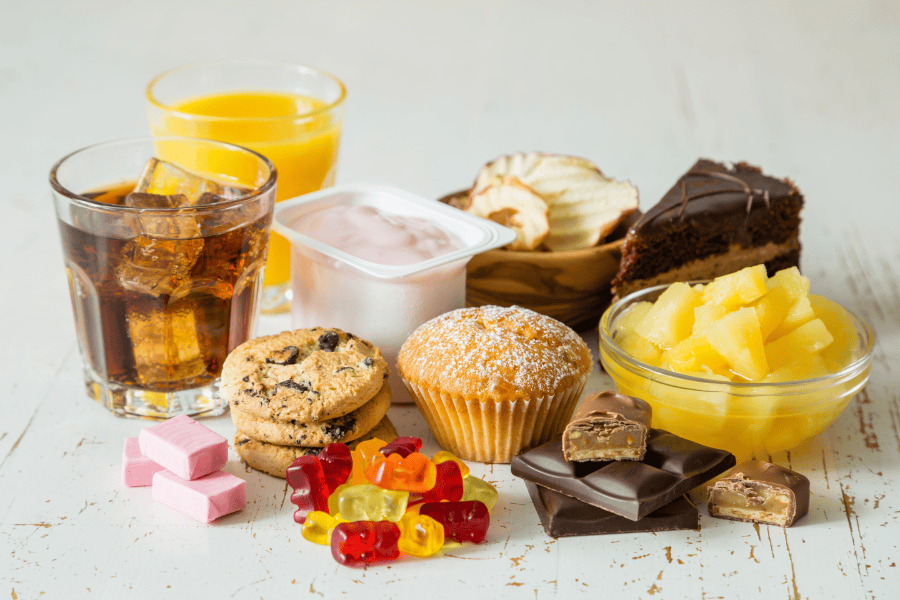
Certain foods interfere with treatment or compromise immunity. The food to avoid for bone cancer include:
Processed & high-sugar foods
Why avoid:
Refined sugar and processed foods provide empty calories without nutrients, potentially feeding inflammation.
•Packaged biscuits, cakes, pastries (maida products)
•Soft drinks, packaged juices with added sugar
•Candy, mithai in excess
•High-sugar breakfast cereals
Better alternatives:
Fresh fruit, homemade whole grain snacks, jaggery in moderation.
Excessive red meat & fried food
Why avoid:
Heavy, fried foods burden digestion. Deep-frying creates compounds that stress the body.
Food to avoid for bone cancer:
•Deep-fried pakoras, samosas, vadas
•Mutton and beef in large portions
•Fried chicken from fast food
•Heavily oiled parathas
Better alternatives:
Grilled or baked fish and chicken, plant proteins from dal, dry-roasted snacks.
High-sodium packaged items
Why avoid:
Excess sodium causes fluid retention and may interfere with chemotherapy drugs.
•Packaged namkeen, chips, salted nuts
•Canned soups and vegetables
•Processed cheese spreads
•Pickles (achaar) and papad in excess
•Instant noodles
Better alternatives:
Homemade snacks with controlled salt, fresh vegetables, and herbs for flavour.
Alcohol and carbonated drinks
Why avoid: .
Alcohol interferes with chemotherapy metabolism. Carbonated drinks cause bloating
Better alternatives:
Fresh lime water, coconut water, herbal teas, and homemade buttermilk.
Tips for maintaining healthy nutrition during treatment
Practical strategies overcome common eating challenges:
1. Small, frequent meals
Eat 5-6 small meals instead of 3 large ones. This manages nausea better. The diet for bone cancer patients works best when spread throughout the day.
2. Managing appetite loss & nausea:
•Eat your largest meal when you feel best (often morning)
•Choose bland foods during nausea: khichdi, idli, boiled potatoes
•Sip ginger tea between meals
•Avoid strong-smelling foods if odours trigger nausea
•Rest upright after eating
3. Safe food handling to prevent infection:
•Wash all fruits and vegetables thoroughly
•Cook eggs, meat, and fish completely
•Use separate cutting boards for raw meat and vegetables
•Avoid street food during low-immunity periods
•Drink filtered or boiled water
4. Dealing with mouth sores:
•Choose soft, moist foods: dal, well-cooked vegetables, mashed potatoes, yoghurt
•Avoid acidic and spicy foods that irritate sores
•Rinse your mouth with salt water before eating
5. Managing taste changes:
•If food tastes metallic, use plastic utensils
•Add extra seasonings like lemon, chat masala, or fresh herbs
•Marinate proteins in yoghurt or lemon
•Rinse mouth with jeera water before meals
The diet for bone cancer patients requires flexibility as you discover what works during different treatment phases.
Key takeaways on diet for bone cancer patients
A well-planned diet for bone cancer patients significantly impacts treatment success as proper nutrition supports treatment tolerance, maintains strength, boosts immunity, and manages side effects effectively.
Bone cancer prevention foods rich in calcium, vitamin D, and antioxidants promote bone health and overall wellness during treatment. Foods to decrease bone cancer risk include cruciferous vegetables, turmeric, garlic, and green tea, which contain beneficial compounds.
A practical food for bone cancer meal plan includes 5-6 small meals with balanced nutrition tailored to Indian dietary patterns.
Remember
that every diet for cancer patients should feel sustainable and culturally appropriate. Work with an oncology nutritionist to personalise these guidelines based on your specific treatment and preferences.
Connect with oncology nutritionists for personalised meal planning during your treatment journey.
Questions
FAQs
Are calcium-rich foods important for bone cancer patients?+
Yes, extremely important. Adequate calcium (1,000-1,200mg daily) supports bone health. Cancer and treatments weaken bones, so calcium-rich foods like dairy (milk, dahi, paneer), fortified plant milk, leafy greens (palak, methi), and sesame seeds are essential.
Can bone cancer patients follow a vegetarian diet?+
Absolutely. A well-planned vegetarian bone cancer diet provides all necessary nutrients. Focus on protein from dal, legumes, paneer, tofu, Greek yoghurt, nuts, and seeds. Combine grains and legumes (dal-chawal) for complete protein.
Is a high-protein diet recommended for bone cancer patients?+
Yes, protein needs increase during treatment to 1.2-1.5g per kg body weight (compared to 0.8g for healthy adults). Emphasise protein at every meal through dal, eggs, chicken, fish, paneer, yoghurt, and nuts. Protein supports tissue repair, maintains muscle mass, and helps with recovery.