
How Fast Does Stomach Cancer Spread? Early Signs To Know

On this page
When someone receives a stomach cancer diagnosis, one of the first questions is: "How fast will this spread?"
It's a natural fear. Understanding stomach cancer spread patterns helps you know what to expect, make informed treatment decisions, and recognise warning signs early.
The truth is complex. How fast does stomach cancer spread varies dramatically between individuals. Some stomach cancers grow slowly over years. Others progress aggressively within months. Multiple factors influence this speed.
This guide explains stomach cancer growth rates, how and where cancer spreads, signs indicating metastasis, and how treatment approaches change based on progression.
Understanding the growth rate of stomach cancer
Stomach cancer (gastric cancer) doesn't develop overnight. It typically progresses through stages - from abnormal cells to invasive cancer to potential metastasis.
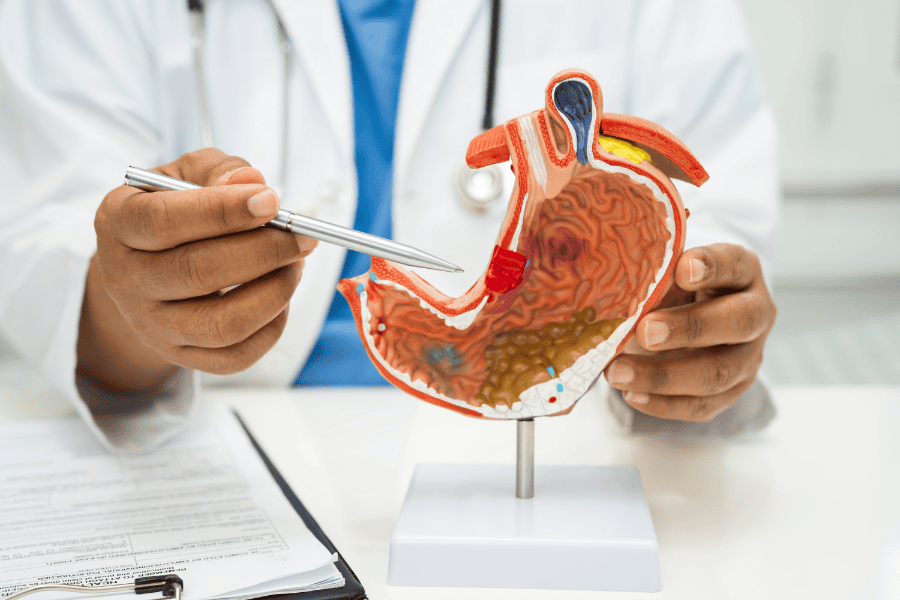
How fast does stomach cancer grow?
How fast is stomach cancer growth? According to research, most stomach cancers take years to develop from precancerous changes to invasive disease.
Typical progression timeline:
Early changes (intestinal metaplasia or dysplasia) may exist for 5-10 years before becoming invasive cancer. However, once cancer develops, growth speed varies significantly by type:
- Early changes (intestinal metaplasia or dysplasia)May exist for 5-10 years before becoming invasive cancer. However, once cancer develops, growth speed varies significantly by type:
- Intestinal-type gastric cancerGenerally slower-growing. May take months to years to progress from early to advanced stages. This type is more common in older adults and is often linked to chronic H. pylori infection.
- Diffuse-type gastric cancerTypically more aggressive. Can progress from early to advanced stages within months. This type tends to affect younger patients and spreads differently from the intestinal type.
- Gastrointestinal neuroendocrine tumours (rare stomach cancer subtype)These can be slow-growing or highly aggressive, depending on grade and differentiation.
A comprehensive study found that the median time from early-stage (Stage I) to advanced-stage (Stage IV) stomach cancer, if untreated, ranges from 6-18 months depending on tumour biology.
Factors affecting stomach cancer growth speed
How fast does stomach cancer grow depends on multiple variables:
- Tumour biology and geneticsCertain genetic mutations (like HER2 amplification or microsatellite instability) affect growth rates. Some tumours are inherently more aggressive at the molecular level.
- Location in stomachCancers near the gastroesophageal junction (where the stomach meets the oesophagus) often behave more aggressively than those in the lower stomach.
- Patient's immune responseA stronger immune system may slow cancer progression temporarily, though this isn't sufficient to stop advanced disease.
- Underlying conditionsChronic inflammation, continued H. pylori infection, or poor nutritional status may accelerate growth.
- Treatment responseEarly intervention dramatically affects progression. Surgery, chemotherapy, or radiation can eliminate or slow cancer significantly.
Early progression: How stomach cancer starts and advances
Stomach cancer begins in the innermost lining (mucosa) of the stomach wall, and understanding early stomach cancer spread patterns helps explain later metastasis.
- Stage 0 (Carcinoma in situ)Abnormal cells confined to the innermost layer. Growth is minimal, and cancer hasn't invaded deeper tissues. This stage may exist for years without symptoms.
- Stage ICancer invades the submucosa (layer beneath the mucosa) but remains localised. Stomach cancer symptoms at this stage are often vague, mild indigestion, and slight discomfort, easily mistaken for common digestive issues.
- Stage IITumour penetrates the muscle layers of the stomach wall and may reach nearby lymph nodes. At this point, can stomach cancer spread beyond the stomach? Yes, microscopic spread to adjacent lymph nodes is possible even when the primary tumour seems localised.
- Stage IIICancer extends through the full stomach wall and involves multiple lymph nodes. Regional stomach cancer spread is established. Symptoms become more pronounced, such as persistent pain, significant weight loss, and difficulty eating.
- Stage IVDistant metastasis has occurred. Cancer has travelled beyond the stomach region to distant organs. This represents advanced stomach cancer spread requiring systemic treatment approaches.
Research emphasises that most stomach cancers are diagnosed at Stage III or IV because early symptoms are subtle. By the time diagnosis occurs, some degree of stomach cancer spread has often occurred.
Pathways of spread: How does stomach cancer spread in the body?
How does is stomach cancer spread from its original location? There are four main pathways:
- Direct extensionCancer grows through the stomach wall layers into adjacent structures - pancreas, liver, spleen, colon, or abdominal wall. This represents local stomach cancer spread.
- Lymphatic spreadCancer cells enter lymphatic vessels and travel to nearby lymph nodes. From there, they can reach more distant lymph node groups. This is the most common early spread pathway.
- Bloodstream spread (hematogenous)Cancer cells enter blood vessels and circulate to distant organs. This causes metastasis to the liver, lungs, or other distant sites.
- Peritoneal spreadCancer cells shed from the stomach surface into the peritoneal cavity (abdominal space), seeding throughout the abdomen. This creates peritoneal carcinomatosis, a particularly challenging form of stomach cancer spread.
How does stomach cancer spread to other organs?
How does stomach cancer spread to other organs, specifically? The process follows these steps:
- InvasionCancer cells break through the basement membrane of the stomach wall
- IntravasationCells enter blood or lymph vessels
- CirculationCancer cells travel through the circulatory systems
- ExtravasationCells exit vessels at distant sites
- ColonisationCells establish new tumours in distant organs
According to research, successful metastasis is actually rare, as most circulating cancer cells die during this process. However, stomach cancer cells that do survive can establish metastases efficiently.
Where does stomach cancer spread first?
Understanding where does stomach cancer spread first helps doctors stage the disease and plan treatment.
- Regional lymph nodesThe first site of stomach cancer spread in approximately 70-80% of cases. Cancer reaches the lymph nodes around the stomach (perigastric nodes) before travelling further.
- LiverThe most common distant organ for metastasis, involved in 30-40% of metastatic stomach cancer cases. Cancer cells reach the liver through the portal vein, which carries blood flow from the stomach.
- PeritoneumThe lining of the abdominal cavity. Peritoneal metastases occur in 20-40% of advanced stomach cancers. This causes fluid accumulation (ascites) and is particularly difficult to treat.
- LungsLess common than liver, but still a significant site of distant stomach cancer spread, occurring in 10-15% of metastatic cases.
- Other organsLess frequently, stomach cancer spreads to bones, brain, ovaries (Krukenberg tumours in women), or other sites.
Signs to know if stomach cancer has spread
How to know if stomach cancer has spread involves recognising specific symptoms that suggest metastasis beyond the stomach.
Signs of local spread (to nearby structures):
- Severe, persistent upper abdominal pain
- Difficulty swallowing (if cancer reaches the oesophagus)
- Vomiting, especially with blood
- Feeling of fullness after eating small amounts
- Unexplained weight loss exceeding 10% body weight
Signs indicating distant metastasis:
Liver involvement:
- Jaundice (yellowing of skin and eyes)
- Right upper abdominal pain or swelling
- Severe fatigue
- Loss of appetite
- Itching
Peritoneal spread:
- Abdominal bloating and distension
- Ascites (fluid in abdomen)
- Changes in bowel habits
- Pelvic pain or pressure
Lung metastases:
- Persistent cough
- Shortness of breath
- Chest pain
- Coughing up blood
General signs of advanced stomach cancer spread:
- Profound fatigue unrelieved by rest
- Significant unintentional weight loss
- Weakness and loss of muscle mass
- Persistent nausea
- Low blood count (anaemia)
- Swelling in legs (if lymphatic drainage blocked)
These stomach cancer symptoms indicating spread warrant immediate comprehensive evaluation, including imaging (CT, PET scan) and potentially biopsy.
Treatment options based on spread
Stomach cancer treatment strategies change significantly based on extent of stomach cancer spread.
Localised disease (no spread)
- SurgeryPrimary treatment. Subtotal or total gastrectomy (removing part or all of stomach) offers potential cure. Five-year survival rates for Stage I disease exceed 70% with surgery.
- Adjuvant chemotherapyOften recommended after surgery to eliminate microscopic residual disease and reduce recurrence risk.
Regional spread (lymph nodes involved)
- Neoadjuvant chemotherapyGiven before surgery to shrink tumours and eliminate micrometastases. This approach improves surgical outcomes.
- Surgery plus chemotherapy/radiationMultimodal treatment combining surgery with systemic therapy and possibly radiation improves survival in locally advanced disease.
Distant metastasis (advanced stomach cancer spread)
- Palliative chemotherapyPrimary treatment goal shifts from cure to prolonging life and maintaining quality of life. Multiple chemotherapy regimens are available.
- Targeted therapyFor cancers with specific genetic features (HER2-positive), drugs like trastuzumab combined with chemotherapy improve outcomes. Research shows these patients have better survival than HER2-negative cases.
- ImmunotherapyPembrolizumab is approved for certain advanced stomach cancers with specific molecular characteristics (PD-L1 positive or microsatellite instability-high).
- Palliative proceduresFor symptom relief - stent placement for obstruction, radiation for pain, surgery to bypass blockages.
Key takeaways on how to manage stomach cancer spread
Understanding stomach cancer spread helps with informed decision-making:
- Stomach cancer growth rates vary significantly by type and individual factors
- Most stomach cancers develop over years but can progress rapidly once invasive
- How to know if stomach cancer has spread involves recognising symptoms of metastasis - liver pain, ascites, respiratory symptoms, severe weight loss
- Lymph nodes and liver are the most common initial sites of stomach cancer spread
- Treatment effectiveness depends heavily on catching cancer before widespread metastasis
- Even with metastatic disease, modern treatments can extend survival and maintain quality of life
Early detection through awareness of stomach cancer symptoms and prompt evaluation of concerning signs offers the best outcomes.
If you're experiencing persistent digestive symptoms, unexplained weight loss, or other warning signs, seek medical evaluation immediately.
FAQs
Common questions about this topic
Can early-stage stomach cancer return or spread later?
Yes, even after successful treatment of early-stage stomach cancer, recurrence can occur in 20-40% of cases within 5 years, typically due to microscopic cancer cells that weren't completely eliminated by surgery.
Can stomach cancer spread to the brain or bones?
Yes, though rare. Brain metastases occur in fewer than 5% of stomach cancer cases, typically late in disease progression. Bone metastases are also uncommon (5-10% of cases).
What is the most common organ stomach cancer spreads to first?
Regional lymph nodes are the first site of spread in most cases, followed by the liver as the most common distant organ (30-40% of metastatic cases).