Education5 min read
Vitamin B1 Thiamine Supplements: Nerve Function & Cancer Recovery Support
Dr. Vrundali Kannoth

During cancer treatment, managing digestive side effects, particularly diarrhoea and damaged gut lining (leaky gut), can become just as important as staying on schedule with therapy.
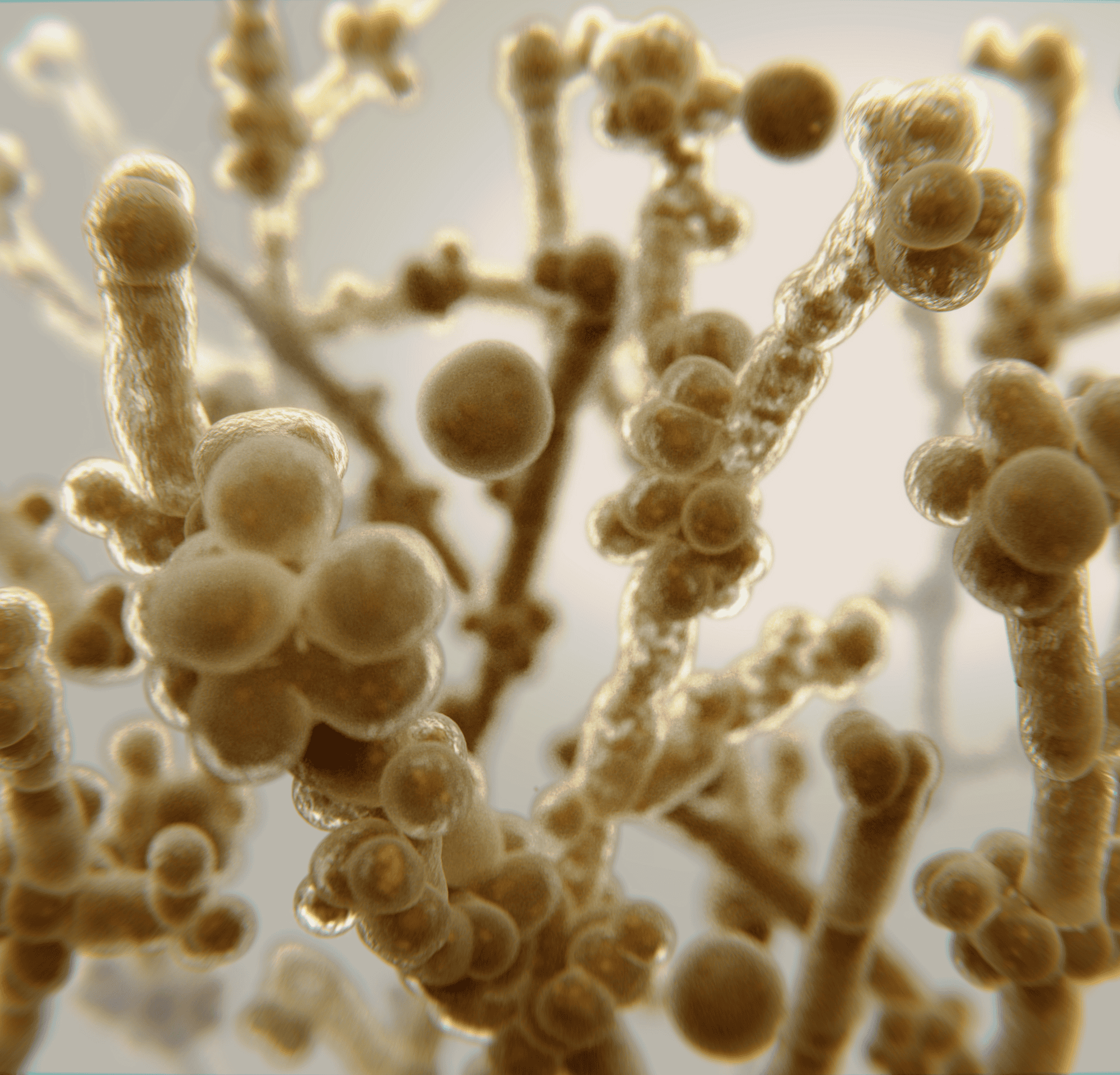
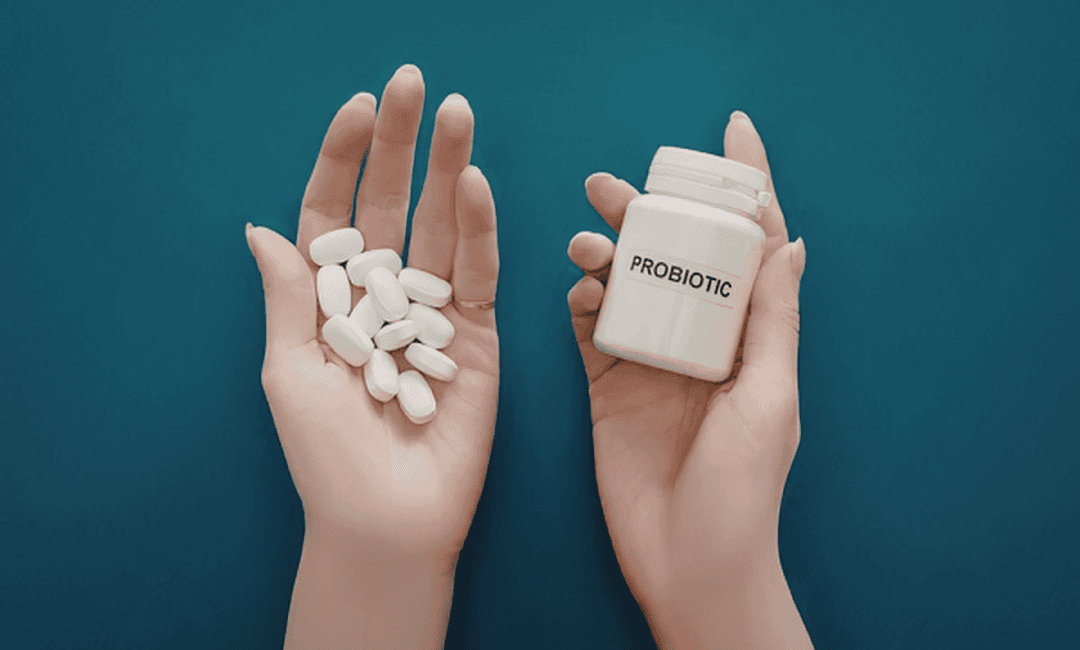
Saccharomyces boulardii, a probiotic yeast, is being studied as supportive care for digestive symptoms such as antibiotic-associated or treatment-related diarrhoea.
Unlike many other probiotics, this is simply a variant of yeast, which is important if you’re already taking antibiotics or undergoing intensive treatments that are causing cancer fatigue.
In this article, we’ll explain what is Saccharomyces boulardii, its role in supportive care, and how it may help patients manage symptoms while staying strong during treatment.
Saccharomyces boulardii are available at the Everhope store — reviewed for use during cancer care.
Saccharomyces boulardii is a non-pathogenic (meaning it doesn't cause disease) tropical strain of yeast.
It was first discovered in 1923 by Henri Boulard, who noticed people in Southeast Asia using the skins of lychee and mangosteen fruits to treat digestive problems.
Our gut microbiome includes bacteria, fungi, and other microorganisms that support digestion, immune function, and the intestinal barrier. Probiotics help support them in building a healthier environment.
However, most probiotics found in yoghurt or supplements are bacteria. In contrast, Saccharomyces boulardii is a yeast that has a few features that make it useful for cancer patients:
The primary Saccharomyces boulardii uses in oncology revolves around protecting the digestive tract from the harsh effects of treatment.
Cancer therapies are designed to target fast-growing cells. While this is good for fighting a tumour, it can also harm the fast-growing cells that line your intestines.
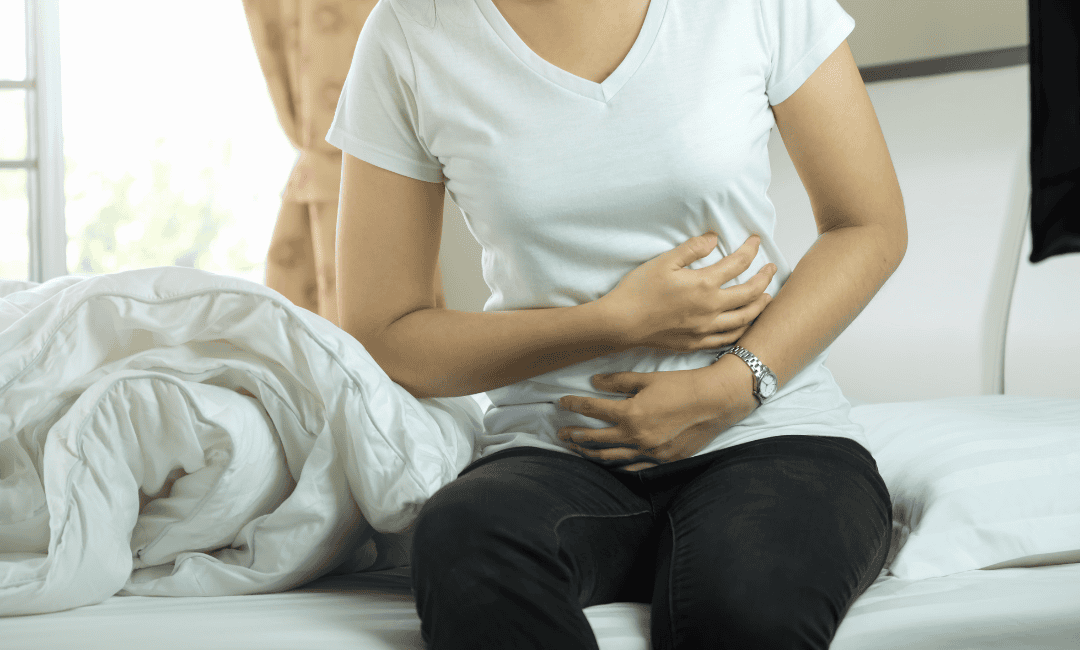
When the gut lining is damaged, it can lead to a condition called mucositis, which is essentially painful inflammation or sores in the digestive tract. This often results in severe diarrhoea, bloating, and a loss of nutrients.
How does Saccharomyces boulardii work in this situation?
When the gut is inflamed, it loses the ability to produce "brush-border enzymes" like lactase and sucrase. This is why many patients suddenly find they cannot tolerate milk or sugary foods during treatment and recovery.
Beyond reducing diarrhoea, this probiotic yeast offers several benefits that support your body's overall resilience.
Your gut contains a large share of the body’s immune tissue. Saccharomyces boulardii helps produce more Secretory IgA, which is an antibody that acts as a first line of defence against infections.
By supporting local gut immune defences, S. boulardii may help maintain the intestinal barrier during cancer treatment.
New studies are looking into how the gut microbiome affects how well immunotherapy works. Moreover, some early studies suggest that keeping the gut healthy with probiotics helps the body respond better to certain advanced cancer treatments.
By reducing the severity of diarrhoea, cancer patients are better able to absorb the calories and nutrients they need. This helps prevent the wasting or cancer weight loss that often occurs during intensive treatment cycles.
Here is a quick comparison table for action vs benefits for the S. boulardii:
Knowing how to use Saccharomyces boulardii correctly is just as important as knowing its benefits. Because S. boulardii is a live yeast, discuss it with their oncologist before use, especially if they have low immunity, a central line, or an active infection.
For those exploring complementary dietary strategies, you may also want to consider the role of fasting and cancer.
The typical Saccharomyces boulardii dosage used in clinical settings is between 250 mg and 500 mg, taken twice a day. But the right dose would depend on the product, reason for use, and your immune status.
However, the answer to “Is Saccharomyces boulardii safe?” is that it’s generally alright to use it as supplementation. But the efficacy of it can vary based on whether you are trying to prevent diarrhoea during chemo or treat an existing infection.

Autoimmunity Care S. Boulardii (60 Capsules)
10 billion CFU S. boulardii per capsule
₹1,299₹1,433
While this probiotic is generally considered safe, there are specific Saccharomyces boulardii side effects and risks that cancer patients must be aware of. Safety is always the priority.
The most serious risk, though rare, is called fungemia. This happens when the yeast enters the bloodstream, and often doesn’t cause any specific symptoms other than mild fever.
While people with normal immune function are less likely to develop serious complications, some cancer patients have weakened immune systems that make this dangerous.
Common, mild side effects can also include:
Before starting any new supplement, including Saccharomyces boulardii, always consult your oncology team.
Here are a few questions that you must ask your oncologist before starting probiotics:
The role of Saccharomyces boulardii in cancer care is to provide a safety net for the digestive system. Protecting your gut lining, it can help reduce the impact of treatment-related diarrhea and support overall recovery.
Due to the unique nature of your immune health and medical devices, this yeast must be used with care. When guided by an oncologist, this probiotic can be a powerful tool for comfort and strength.
Everhope provides expert-led cancer care, helping you navigate these choices. Our team offers personalised guidance on nutrition and cancer, ensuring support throughout the journey.