
+918929672099
Call Us
Breast Cancer Spread Explained: From Start to Metastasis
Dr. Vrundali Kannoth|5 min read|
Breast cancer often begins long before any symptoms appear, as a quiet shift in how a few breast cells behave. Most of the time, cells follow an organised rhythm: they grow, repair, and retire. However, occasionally, some cells take a different path and begin multiplying more than they should. Over time, this uncontrolled growth may form a tumour, which can remain localised or, in some cases, move beyond the breast.
However, occasionally, some cells take a different path and begin multiplying more than they should. Over time, this uncontrolled growth may form a tumour, which can remain localised or, in some cases, move beyond the breast.
Although breast cancer can arise from age, hormones, inherited traits, or influences we still don’t fully understand, many people continue to live healthy lives with the right care.
Understanding how the disease forms and how breast cancer spread happens can bring a steady sense of clarity. This blog walks you through that journey in clear and reassuring terms.
How Does Breast Cancer Spread and Start in the Body?
Breast cancer spread usually begins when a single breast cell accumulates changes that affect its growth and repair cycle. These changes alter how the cell communicates, divides, or responds to the body’s regulatory signals.
How normal cells become abnormal
Every cell contains a set of instructions that tells it when to divide, rest, or repair.
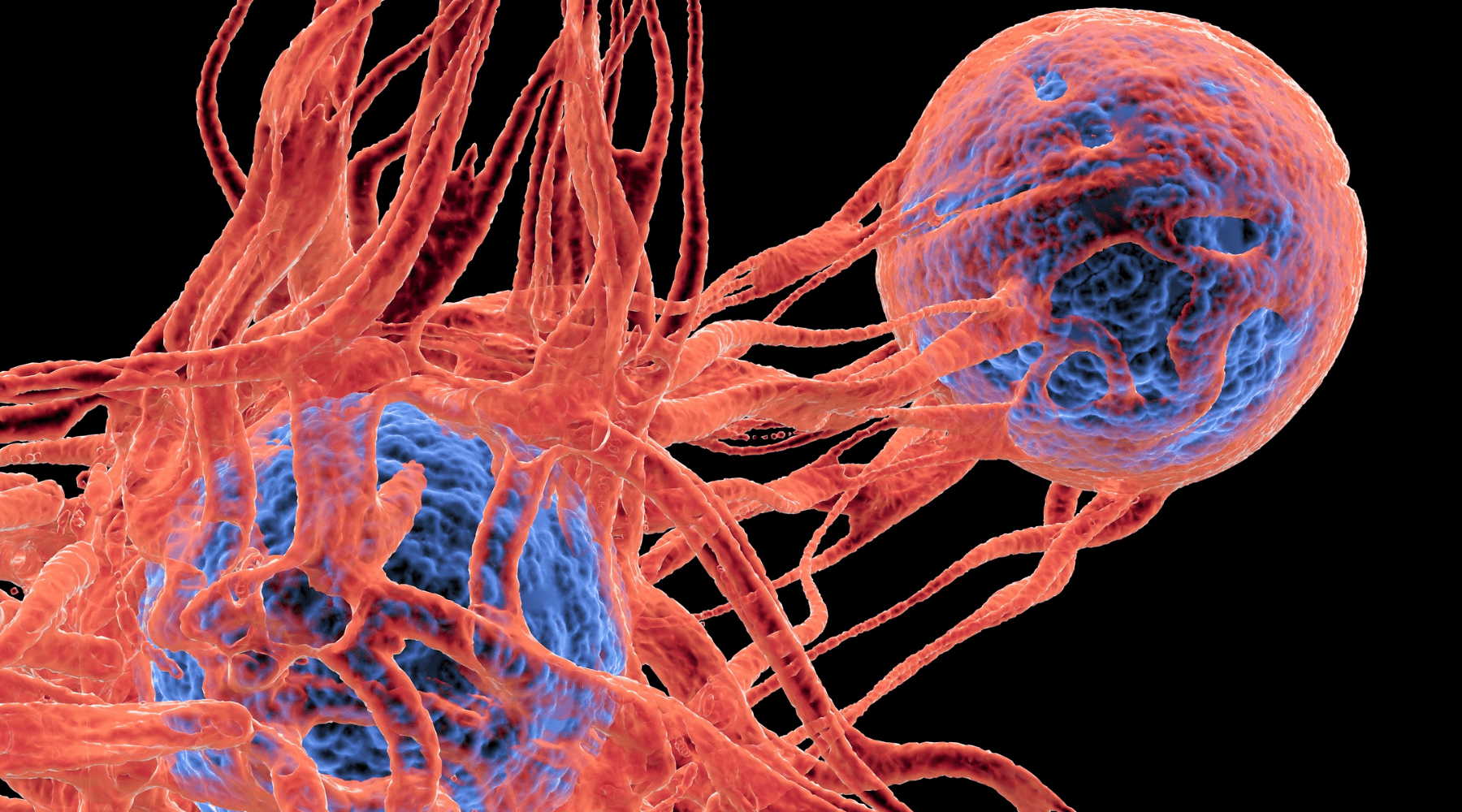
When these instructions become damaged or altered, the cell may start dividing even when it shouldn’t. Over time, a group of such cells can form an early tumour.
What triggers uncontrolled cell growth
Uncontrolled growth can occur when cell DNA is altered by ageing, hormones, environmental exposure, or inherited risks. When repair systems fail to fix these changes, damaged cells multiply faster than normal.
How tumours form in breast ducts or lobules
Most breast cancers begin in the ducts that carry milk to the nipple. Others start in the lobules, which produce milk.
As abnormal cells accumulate, they form a tumour that may remain confined to these structures or push into nearby tissue.
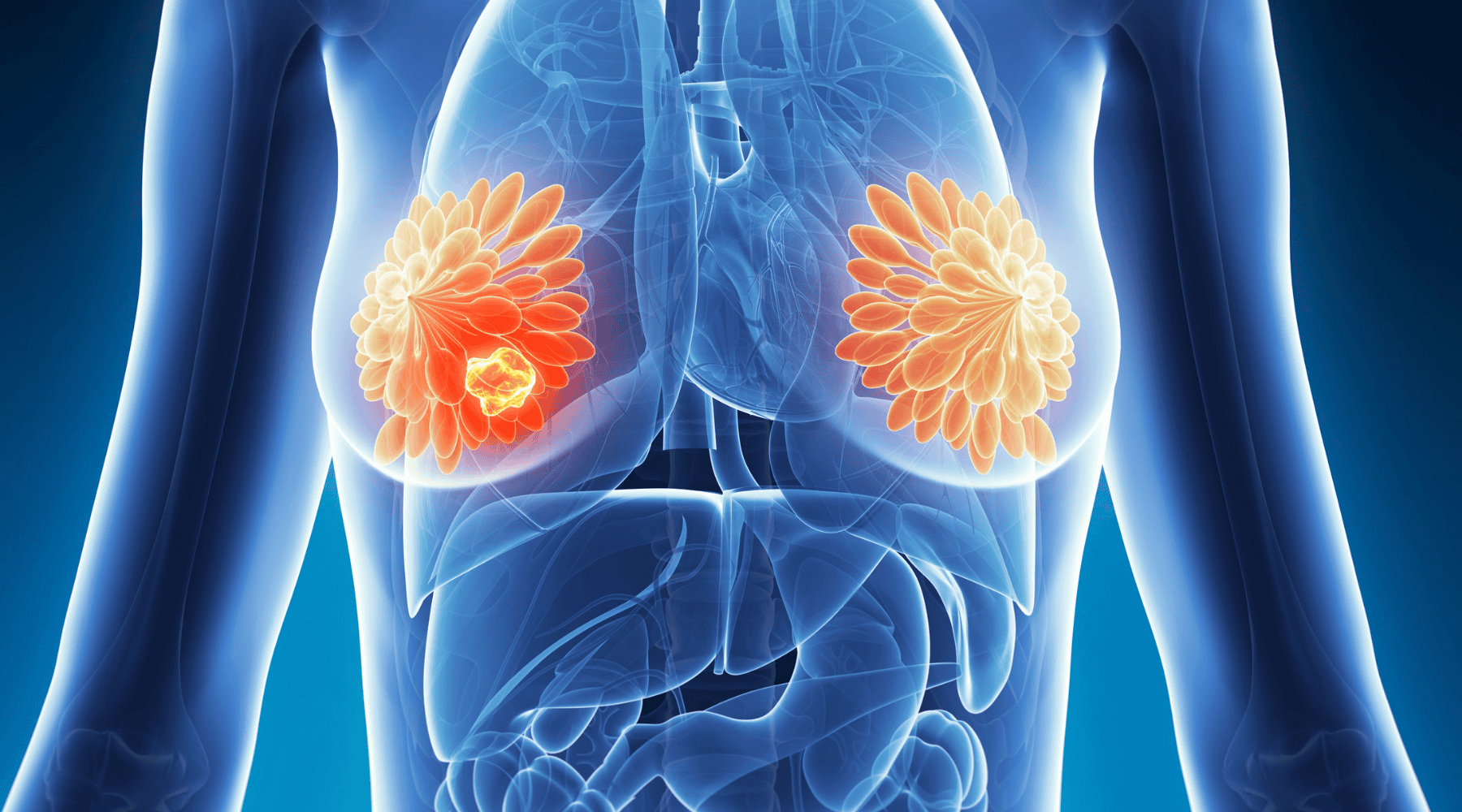
At this early stage, the concern is not how breast cancer spread works, but whether the tumour remains localised or starts moving beyond the breast.
How does breast cancer spread (metastasis)
Once a tumour grows large enough, some cancer cells may break away from the main mass. These cells can enter blood vessels or the lymph nodes, using the body’s natural circulation systems to travel elsewhere. After settling in a new area, they may start forming tumours again, a process known as metastasis.
When this happens, the disease is still breast cancer, even if it appears in another organ.
What metastatic disease means:
When breast cancer moves beyond the breast, it is referred to as metastatic cancer, meaning it has travelled to other parts of the body but still originates from breast cells.
Early clues may appear during routine checks, imaging, breast cancer diagnosis, or while undergoing breast cancer treatment.
Why some cancers spread differently
While exploring how tumours travel, it helps to remember that breast tissue is surrounded by a complex structure of ducts, vessels, and supportive tissues.
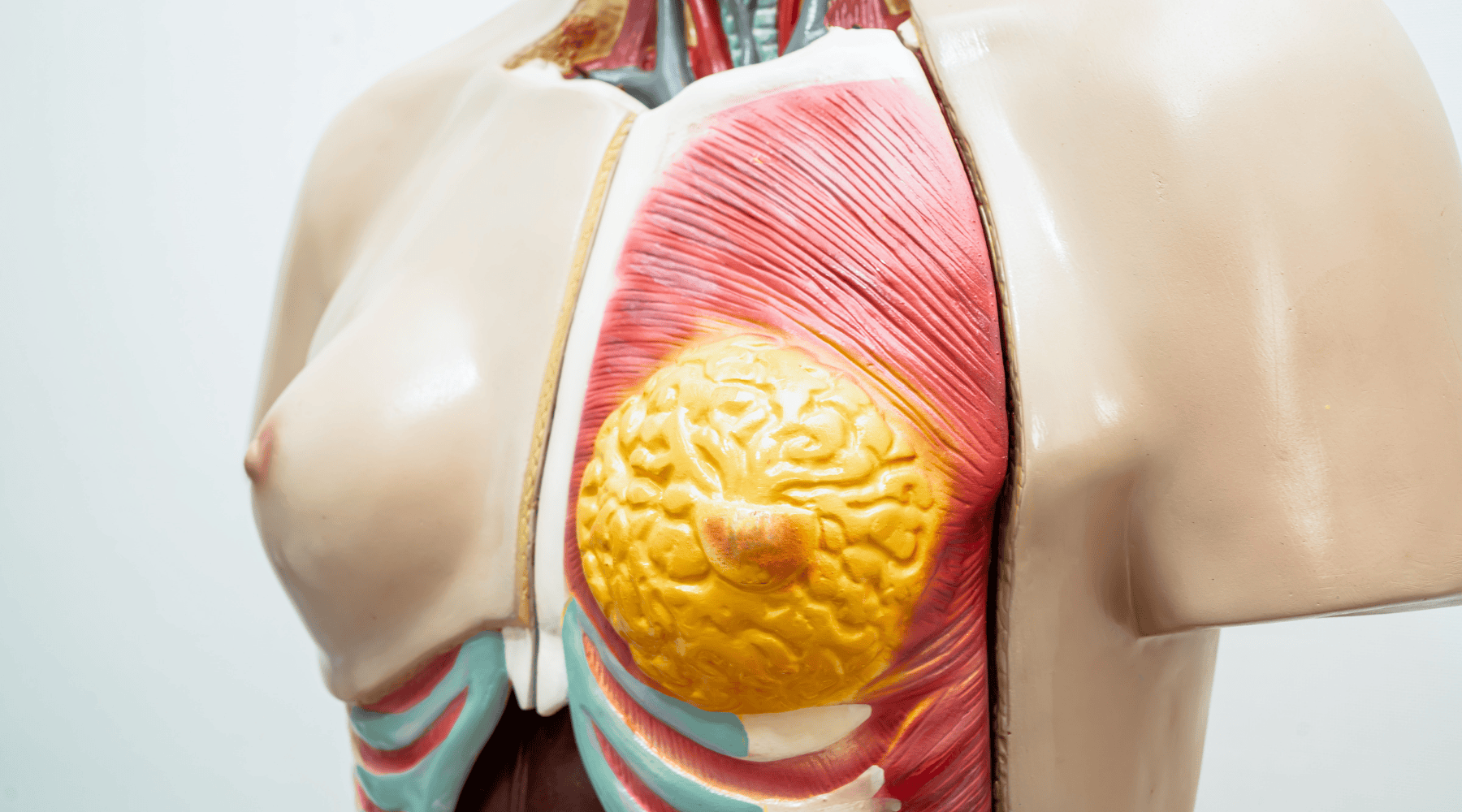
Understanding this basic breast anatomy allows patients to make sense of how cells move from one place to another. The spread of cancer also depends on certain inherited changes or genetic mutations, which can influence how aggressive a tumour is.
For individuals diagnosed with triple negative breast cancer , doctors may look more closely for such features since this type behaves differently from others.
Where cells may settle:
Cancer cells often travel to bones or the brain, sometimes causing symptoms similar to bone cancer or brain cancer. These patterns are shaped by breast cancer risk factors including age, hormones, and lifestyle.
So, is there a cure for metastatic breast cancer ? Treatment can often control the disease for long periods, but completely eliminating all metastatic cells remains challenging.
Where Breast Cancer Can Spread To
Breast cancer spread can travel to different parts of the body, depending on its biology and behaviour. Spread occurs when tumour cells migrate through the bloodstream or lymphatic system.
Where does breast cancer spread? Here are some common sites:
- •Boneleading to pain, fractures, or weakness
- •Lungscausing breathlessness or persistent cough
- •Liverwhich may result in discomfort or abnormal liver tests
- •Brainsometimes causing headaches or neurological changes
- •Nearby lymph nodesoften the first place where breast cancer cells may travel
Each site behaves differently, and the pattern can help doctors understand how breast cancer spread has progressed. This information is vital when answering questions such as “where can breast cancer spread to?”, which many patients naturally ask.
Factors that affect how fast breast cancer spreads
The speed at which a tumour grows or travels differs from person to person. Many factors influence this process, including the tumour’s biology, stage at diagnosis, and the individual’s overall health. Below are the key factors, each affecting how breast cancer spread progresses.
High-grade tumours tend to grow and divide more rapidly, influencing how fast does breast cancer spread in a given individual.
- •Older agecan weaken immunity, affecting tumour control.
- •Other health conditionsmay limit treatment strength.
- •Changing hormone levelscan influence tumour behaviour.
- •Better overall fitnesshelps the body respond to treatment.
- •Inherited gene changescan make tumours more active.
- •BRCA1 and BRCA2 mutationsmay increase the risk of faster spread.
- •Family historycan guide how closely doctors monitor the disease.
Signs breast cancer has spread
- •Bone pain or fractures
- •Persistent cough or breathlessness
- •Abdominal discomfort
- •Headaches or vision changes
- •Swelling in lymph nodes
- •Unexplained fatigue
These symptoms help patients recognise signs breast cancer has spread and seek timely care.
How long breast cancer takes to spread
There is no fixed timeline for spread. Tumours grow and progress at different rates depending on their biology and the person’s overall health.
- •Cancer type and gradelargely determine how fast cells divide and move.
- •Stage at diagnosisshows whether spread has already begun.
- •Treatment responsehelps doctors estimate how quickly does breast cancer spread in a specific case.
Can breast cancer spread to another person?
Breast cancer cannot be passed from one person to another. It is not contagious, cannot be transmitted through touch, and does not spread through bodily contact. Cancer arises from a person’s own cells, not from external transfer.
Cancer arises from a person’s own cells, not from external transfer.
How to prevent or slow the breast cancer spread
While no method can guarantee prevention of metastasis, early diagnosis, timely treatment, consistent follow-up, and lifestyle care all contribute to slowing or reducing the risk of breast cancer spread.
- •Attend regular follow-ups and scans
- •Complete recommended treatments
- •Report new symptoms early
- •Take medicines as prescribed
- •Avoid smoking and limit alcohol
- •Maintain overall health and wellbeing
Facts that guide treatment
Breast cancer begins when cells in the breast grow beyond the body’s usual controls, and breast cancer spread occurs when these cells travel to other organs. Recognising symptoms early, understanding risk factors, and staying engaged in care can make a significant difference. If you ever feel unsure or notice changes, speaking with trusted oncology doctors can bring clarity and reassurance, helping you navigate next steps with confidence.

If you ever feel unsure or notice changes, speaking with trusted oncology doctors can bring clarity and reassurance, helping you navigate next steps with confidence.
FAQs on breast cancer spread
It varies widely. Some cancers grow slowly over years, while others progress more quickly depending on cell type, grade, and biology.
Related Blogs


Diagnosis5 min read
Ultrasound Kya Hota Hai? (अल्ट्रासाउंड): प्रक्रिया, रिपोर्ट और उपयोग
Dr. Vrundali Kannoth