
Education5 min read
Vitamin B1 Thiamine Supplements: Nerve Function & Cancer Recovery Support
Dr. Vrundali Kannoth

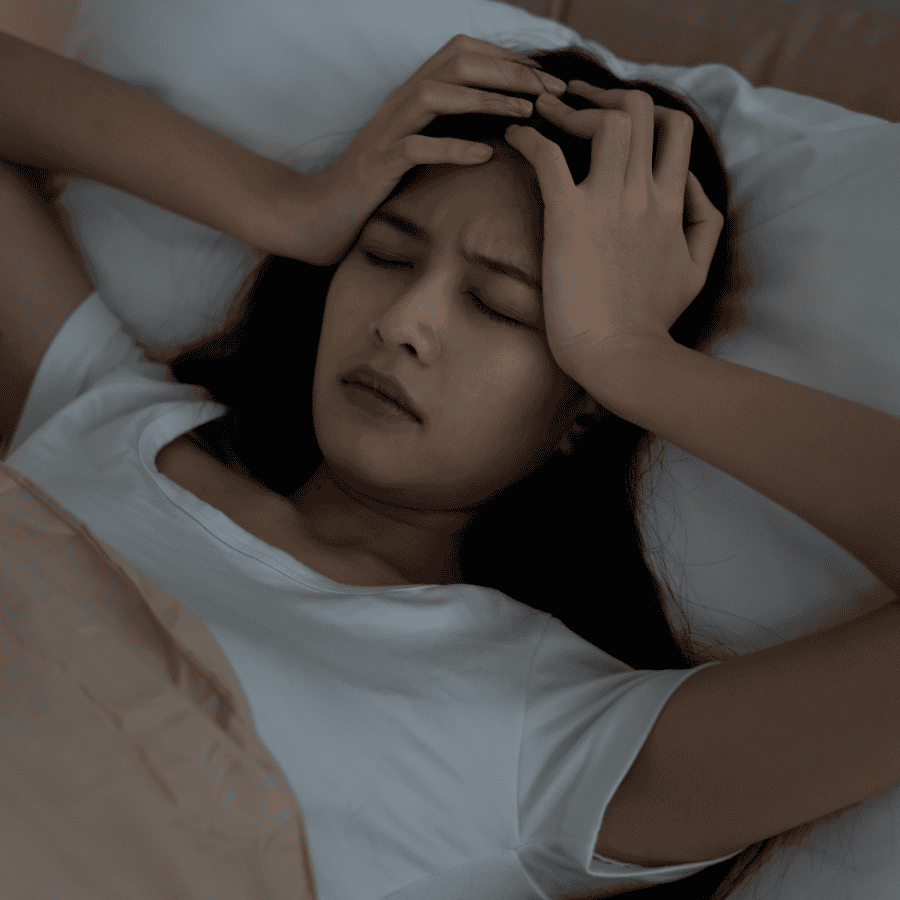
You stayed up scrolling through your phone again. Or maybe you tossed and turned, worrying about a loved one’s diagnosis. Either way, morning came too soon.
Now a thought creeps in: Can lack of sleep cause cancer?
It’s a valid concern. Sleep feels like the first thing we sacrifice. Late-night work shifts, early morning commutes across Mumbai or Bengaluru, and the constant pull of screens – all of it quietly steals rest.
But sleep is not a luxury. It is one of the body’s most essential tools for repair, protection, and healing.
This blog walks you through what research says about sleep and cancer. We’ll look at biology, risk, and practical ways to sleep better – whether you’re preventing illness or supporting someone through treatment.
So, can lack of sleep cause cancer? Let’s explore what we know.
Let’s address the big question first. Does lack of sleep cause cancer directly?
The honest answer: not on its own. But the relationship between lack of sleep and cancer risk is far from simple.
Sleep deprivation doesn’t create tumours overnight. However, when poor sleep becomes a pattern, it triggers a chain of biological changes inside the body.
Chronic sleep loss disrupts hormone cycles, weakens immune defences, and increases inflammation. Over months and years, these changes create an environment where abnormal cells find it easier to survive. It is easy to see why people ask: can lack of sleep cause cancer?

Short sleep – consistently less than six hours a night – has been linked to a higher risk of breast, prostate, and colorectal cancers.
So, while lack of sleep causes cancer as a direct claim is too strong, chronic deprivation quietly raises several cancer risk factors that matter.
Your body does critical repair work while you sleep. It fixes DNA, regulates hormones, and strengthens immunity. When sleep falls short, these processes suffer.
Understanding the biology helps explain how sleep deprivation causes cancer risk to grow over time.
Melatonin is a hormone that the pineal gland produces when darkness falls. It does more than make you sleepy.
Research shows melatonin has oncostatic (tumour-suppressing) properties. It regulates cell growth, supports apoptosis (programmed cell death), and acts as a powerful antioxidant.
When you don’t sleep enough, melatonin production drops sharply. A meta-analysis found that higher melatonin levels were linked to a 14% lower risk of breast cancer, especially in post-menopausal women.
Melatonin also interacts with oestrogen pathways. Lower melatonin may mean higher oestrogen activity – a known driver of hormone-sensitive cancers.
Every hour of quality sleep supports melatonin’s protective role. This is one reason experts say can lack of sleep cause cancer deserves serious attention.

Natural killer (NK) cells patrol your body and destroy potential threats, including early-stage cancer cells. They are the body’s frontline defence.
Can less sleep cause cancer by weakening this defence? Research points to yes, but indirectly.
Sleep deprivation reduces NK cell activity and disrupts cytokine balance. Pro-inflammatory cytokines like IL-6 and TNF-α rise in people who consistently sleep poorly.
This weakened immune surveillance means the body becomes less efficient at catching precancerous cells. Over time, it contributes to an environment where cancer cells go undetected.
Every day, your cells sustain minor DNA damage from environmental factors. During deep sleep, repair enzymes fix these errors.
When sleep is cut short, this repair process is compromised. A Washington State University study found that even a few nights of disrupted sleep caused increased DNA damage and altered repair gene activity.
Chronic sleep loss also drives persistent low-grade inflammation – now recognised as a hallmark of cancer development.
So when people ask “can lack of sleep cause cancer?”, the answer lies here: impaired DNA repair, chronic inflammation, and weakened immunity working together over time.
India has one of the world’s largest workforces in shift-based jobs. IT professionals in Hyderabad, factory workers in Pune, and healthcare staff across the country – millions work through the night.
This matters more than most people realise.
In 2019, the night shift work was classified as a Group 2A carcinogen – meaning “probably carcinogenic to humans.”
Night shifts disrupt your circadian rhythm, which is the body’s internal clock governing sleep, hormones, and cell repair. When this rhythm is thrown off, melatonin drops, cortisol spikes at wrong times, and immunity suffers.
This is one of the clearest ways sleep deprivation causes cancer risk rises – not from one bad night, but from years of working against the body’s natural rhythm.
Many shift workers ask can lack of sleep cause cancer after years on rotation. The research validates that concern, though individual risk depends on many factors.
Not all cancers show the same relationship with sleep. Research has identified stronger links with certain types:
These findings do not mean poor sleep guarantees cancer. But “can less sleep cause cancer” is a question worth taking seriously alongside other signs of cancer and lifestyle risk factors.
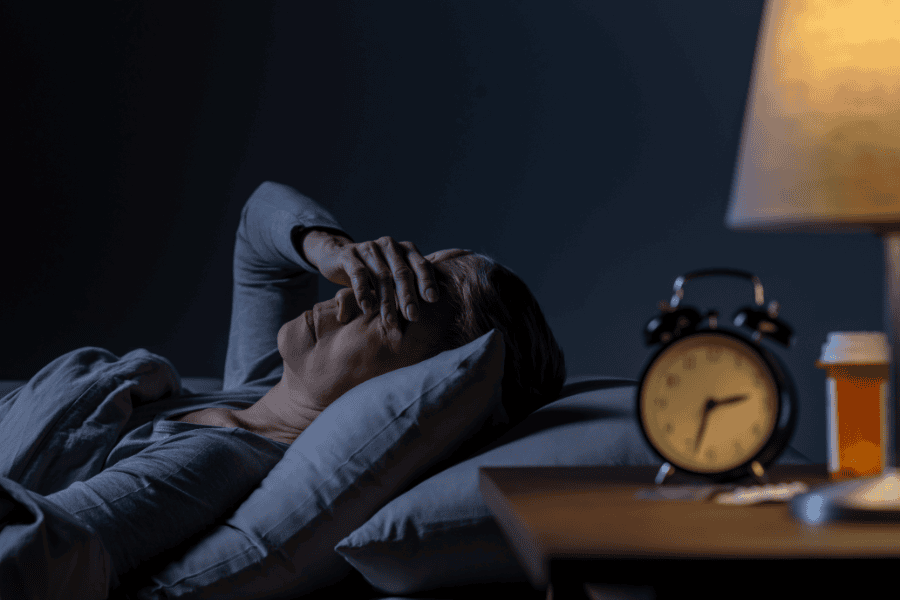
Sleep difficulties don’t just exist before a diagnosis. They become more common during and after treatment.
A study of over 46,000 cancer patients found approximately 67% experienced significant sleep disturbances. Insomnia was reported most frequently, with prevalence ranging from 19% to 63%.
Several factors contribute to poor sleep during cancer treatment:
This is where sleep and cancer becomes a two-way street. Cancer disrupts sleep, and poor sleep may weaken the body’s recovery.
Cancer patients with untreated sleep disorders may experience poorer outcomes. The lack of sleep and cancer relationship works both ways – sleep disturbances fuel inflammation that can promote tumour progression.
If you or your loved one struggles with sleep during cancer treatment, please talk to your care team.
Sleep quality can be improved with consistent small changes. When we talk about how to prevent cancer, sleep deserves a place alongside diet and exercise.
Here are practical steps that make a real difference:
For shift workers, napping before a night shift and keeping a dark sleeping space during the day reduces circadian disruption.
These steps won’t just protect against the lack of sleep and cancer connection. They’ll improve energy, mood, and daily life.
People often wonder: can lack of sleep cause cancer if they’ve only recently started sleeping poorly? One rough patch won’t cause harm. It’s chronic patterns over years that matter most.
Many people ask does lack of sleep cause cancer when they first notice persistent tiredness. If this sounds like you, don’t wait.
If persistent sleep problems or other health concerns are weighing on you, speaking with a specialist can bring clarity. Consult an experienced oncologist at Everhope to discuss your risk profile and next steps.