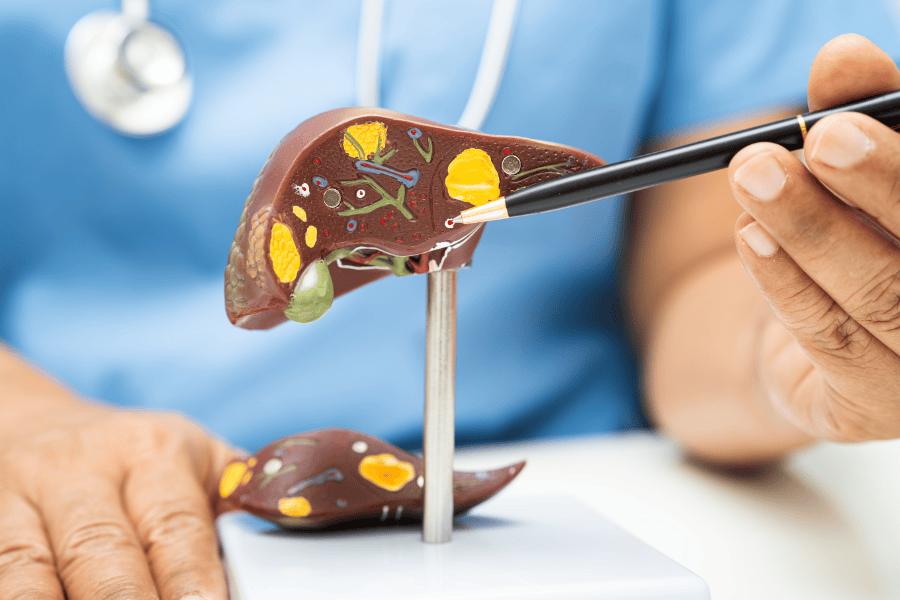
Your liver does over 500 jobs every day. It filters toxins, produces proteins, stores energy, and helps digest food. When liver cancer affects this vital organ, nutrition becomes even more critical.
Can the right diet cure liver cancer? No. But can a well-planned diet for liver cancer patients support your treatment, maintain strength, and improve quality of life? Absolutely.
Many patients and families feel overwhelmed about what to eat. The liver is already compromised, and you're worried about making things worse. Treatment side effects like nausea, loss of appetite, and fatigue add to the challenge.
This guide offers practical, evidence-based nutrition advice tailored to liver cancer patients in India. We'll cover what to eat, what to avoid, and provide a realistic meal plan you can follow.
Your liver is working hard despite the cancer. The right diet for liver cancer patients in India supports three critical goals:
•Maintains liver function
Even with cancer, your liver still performs essential tasks. Eating liver-friendly foods reduces the workload while providing necessary nutrients.
•Supports immunity and healing
Cancer treatment weakens your immune system. Proper nutrition, especially adequate protein and antioxidants, helps your body fight infection and repair tissue damage.
•Manages treatment side effects
A thoughtful liver cancer diet can ease nausea, prevent malnutrition, maintain energy, and improve how you tolerate chemotherapy or surgery.
Foods to eat for livercancer cure
Let's explore the best food for liver cancer patients across different food groups. These are natural foods that help with liver cancer recovery and overall health.
1. High-protein foods for healing & strength
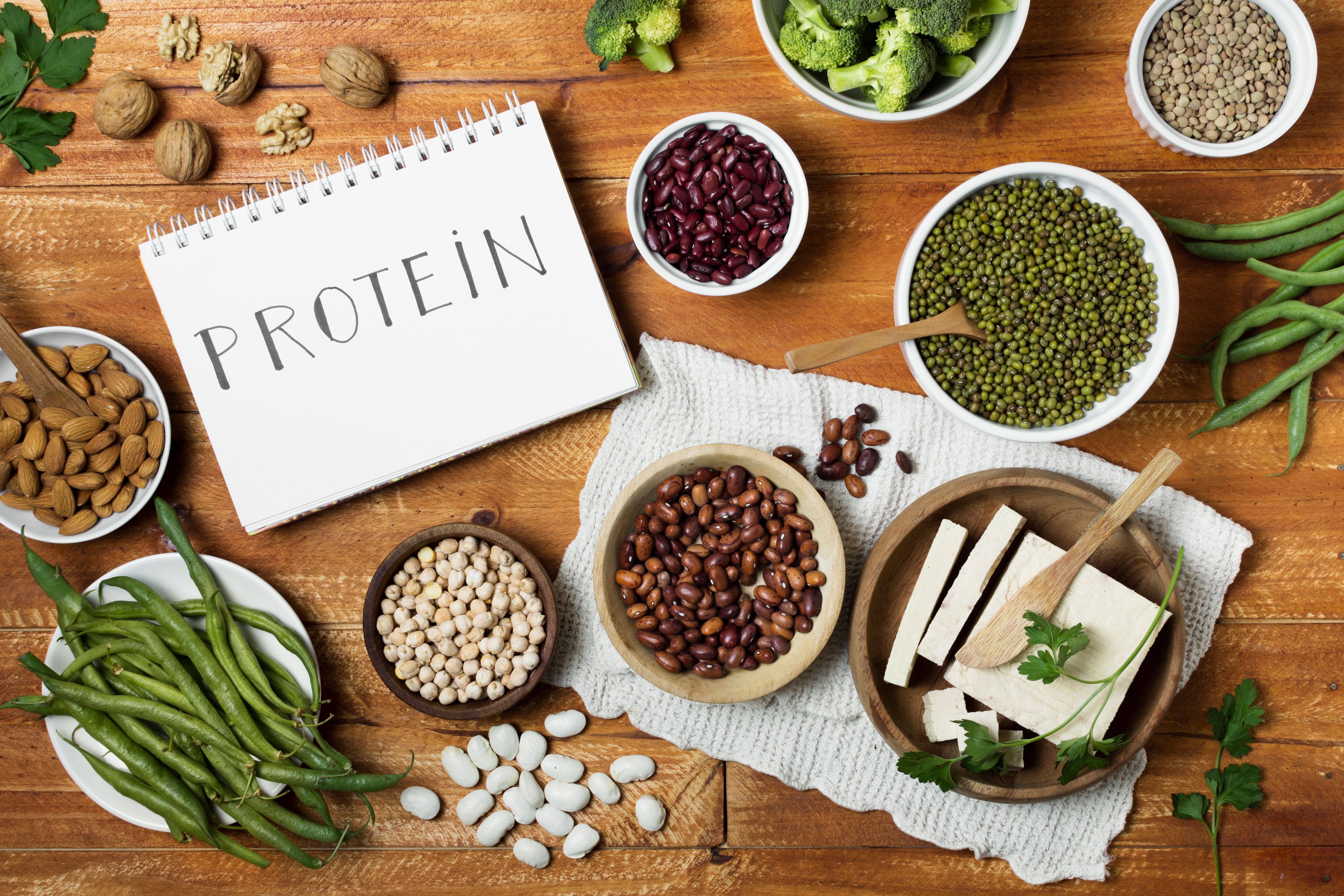
Protein is crucial for repairing tissues, maintaining muscle mass, and supporting immune function. This makes it the best protein for cancer patients.
Best sources of proteins:
•Eggs
Easily digestible complete protein. Try boiled eggs, scrambled with minimal oil, or egg bhurji with vegetables.
•Paneer and tofu
Excellent vegetarian options. Use in lightly spiced curries or grilled.
•Dal and legumes
Moong dal, masoor dal, chana, and rajma provide protein plus fiber. Cook them so that they are soft and easy to digest.
•Lean chicken
White meat is easier on the liver than red meat. Have it boiled, steamed, or in light gravies.
•Greek yoghurt or curd
Provides protein plus probiotics for gut health.
Daily target:
Aim for 1-1.2 grams of protein per kilogram of body weight. For a 60kg person, that's about 60-72 grams daily, spread across meals.
2. Liver-friendly whole grains
Refined carbohydrates spike blood sugar and provide little nutrition. Whole grains offer sustained energy, fibre, and important B vitamins.
Include these:
•Black/Red rice
•Millet varieties (ragi, jowar, bajra)
•Quinoa (increasingly available in India)
These complex carbohydrates prevent energy crashes and support stable blood sugar, which is important for liver health.
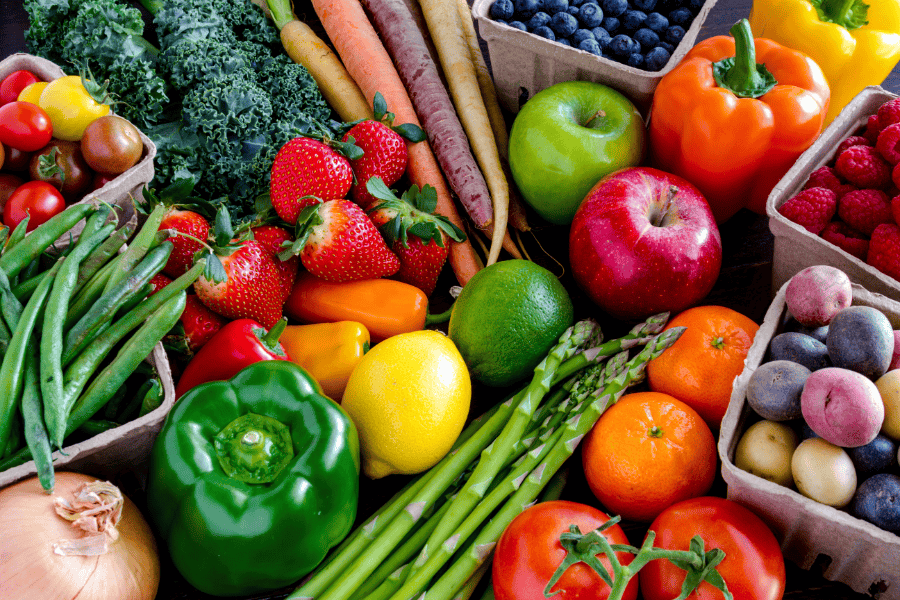
3. Antioxidant-rich fruits & vegetables
Colourful produce contains antioxidants that fight inflammation and protect cells from damage. These are truly foods that fight liver cancer at the cellular level.
Top choices:
•Cruciferous vegetables
Broccoli, cauliflower, cabbage, contain compounds that support liver detoxification.
•Leafy greens
Spinach, methi, and amaranth are rich in vitamins and minerals.
•Berries
If available, berries are antioxidant powerhouses. Locally, papaya, pomegranate, and guava work excellently.
•Citrus fruits
Oranges, mosambi, provide vitamin C for immunity.
•Tomatoes
Rich in lycopene, especially when cooked.
•Carrots and beets
Support liver function naturally.
Aim for 5-7 servings of fruits and vegetables daily. Mix colours for diverse nutrients.
4. Healthy fats* for liver function*
Not all fats are equal. Your liver needs healthy fats for hormone production and nutrient absorption, but unhealthy fats burden it.
like salmon or mackerel (omega-3 rich), if you eat fish
Avoid:
Deep-fried foods, reused cooking oils, excessive saturated fats, and trans fats in packaged snacks.
5. Hydration & herbaloptions
Adequate hydration helps your liver flush toxins and supports all body functions.
Best choices:
•Plain water
8-10 glasses daily
•Coconut water
Natural electrolytes
•Herbal teas
Ginger tea (helps nausea), tulsi tea, chamomile
•Fresh vegetable juices
Carrot-beetroot, bottle gourd juice
•Buttermilk (chaas)
Light and cooling
Avoid:
Sugary sodas, packaged fruit juices, excessive tea/coffee. Some sources mention alkalinewaterandcancer , but plain filtered water is sufficient for hydration.
this is the best diet for metastatic liver cancer and early-stage disease alike, the principles remain similar. For diet for liver cancer stage 4, focus may shift more to comfort and maintaining quality of life while following these guidelines.
For personalised nutrition plans tailored to your specific condition, consult with oncology dietitians who understand liver cancer and can address your individual needs. They work alongside diet for cancer patients principles to create sustainable plans.
FAQ's
Low-fat milk and dairy products are generally safe and provide protein and calcium. However, full-fat dairy should be limited. If lactose-intolerant, choose alternatives like almond or coconut milk fortified with protein.
Both vegetarian and non-vegetarian diets can be healthy for liver cancer patients if well-planned. Vegetarians should ensure adequate protein from dal, paneer, tofu, and eggs. Non-vegetarians can include lean chicken and fish while avoiding red and processed meats.
Yes, unsalted, fresh nuts and dry fruits are excellent sources of healthy fats, protein, and nutrients. However, avoid mouldy or rancid nuts (especially peanuts stored improperly) as they may contain aflatoxins, which are harmful to the liver. Eat in moderation; a small handful daily is ideal.