
Protein Sources for Cancer Patients - Nutrition Tips

Written by Dr. Manjari Chandra, Consulting Clinical & Functional Nutritionist
5 min read
On this page
Recovering from cancer places a significant nutritional demand on the body, and protein often becomes one of the first nutrients specialists pay attention to.
Many patients tell us they lose their appetite, feel weaker than usual, or find their muscles shrinking during treatment.
If you have felt the same, you are not alone.
Protein plays a quiet but powerful role in keeping your strength intact. This article explores the best protein for cancer patients, backed by scientific understanding and clinical practice, so you can make confident choices about your diet.
Role of protein in cancer recovery
Protein plays a steady, behind-the-scenes role in helping the body cope with the demands of illness and cancer treatment.
Here’s how protein supports recovery:
- Helps rebuild damaged tissues and supports post-surgery healing
- Preserves muscle mass during periods of low appetite or treatment-related weakness
- Strengthens immune function by supporting antibody and immune-cell production
- Stabilises energy levels through steady nutrient release
- Helps counter muscle breakdown that occurs during prolonged treatment phases
- Supports healthy blood sugar patterns, especially when appetite fluctuates
- Plays a central part in maintaining overall resilience, as shown in research on protein cancer
Even modest improvements in protein intake can make daily tasks feel more manageable.
By choosing the best protein for cancer patients, individuals often notice better strength, steadier energy, and improved tolerance to ongoing therapies.
Protein also helps the body stay prepared during phases of reduced immunity, offering a consistent source of cellular repair and metabolic support
Best protein for cancer patients are available at the Everhope store — reviewed for use during cancer care.
How much protein do cancer patients need?
Protein needs differ from person to person, and several medical and physical factors determine the right amount.
Key factors influencing requirements:
- Age and existing muscle mass
- Treatment phase, especially during chemotherapy
- Weight changes or unintentional weight loss
- Activity level and overall strength
- Type and stage of illness across different types of cancer
Most clinical guidelines recommend 1.0 to 1.5 grams of protein per kilogram of body weight per day for adults recovering from cancer. Some may require higher amounts after major surgery, rapid muscle loss, or severe appetite reduction.
Individual tolerance also matters. Changes in taste, swallowing difficulty, nausea, or digestive discomfort can affect how much feels manageable. A specialist in oncology nutrition can guide you in adjusting portions, textures, and timings safely.
This tailored approach ensures that protein for cancer patients is used effectively.
Best high-protein foods for cancer patients
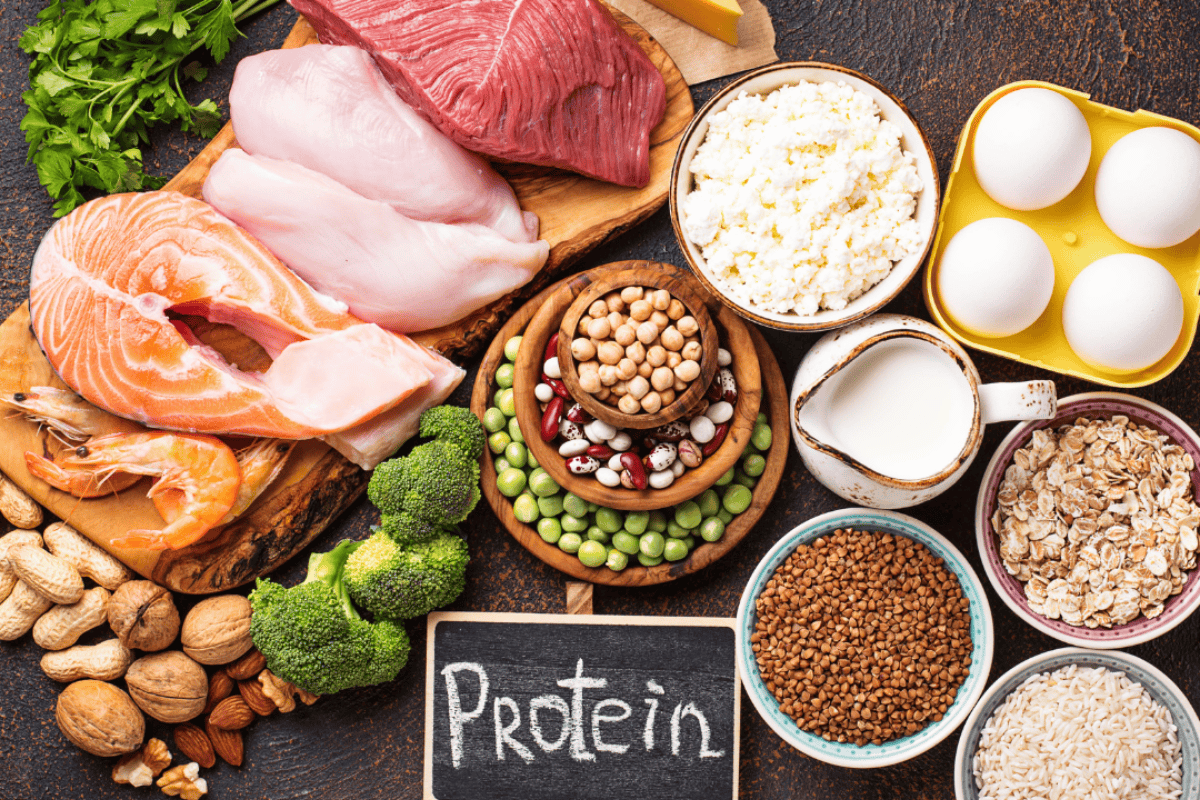
Choosing the best protein for cancer patients is about selecting foods the body can comfortably digest and absorb, especially on days when appetite feels unpredictable.
Poultry (chicken, turkey)
Chicken and turkey offer lean, easy-to-digest protein.
Benefit: They provide essential amino acids that support healing and muscle maintenance.
Their mild flavour is often tolerable even during sensitive phases of treatment.
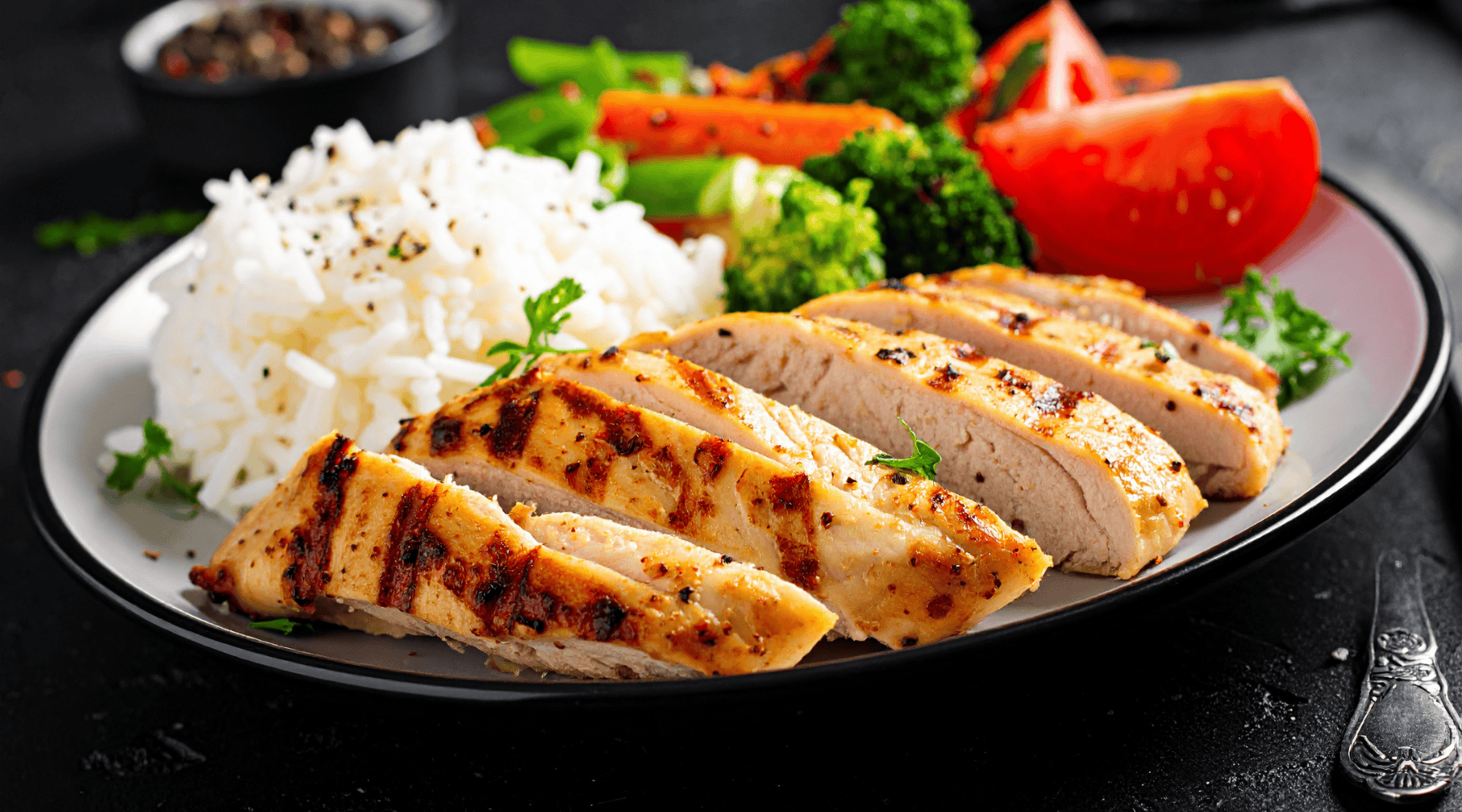
This category is frequently recommended in diets addressing protein cancer and related recovery concerns.
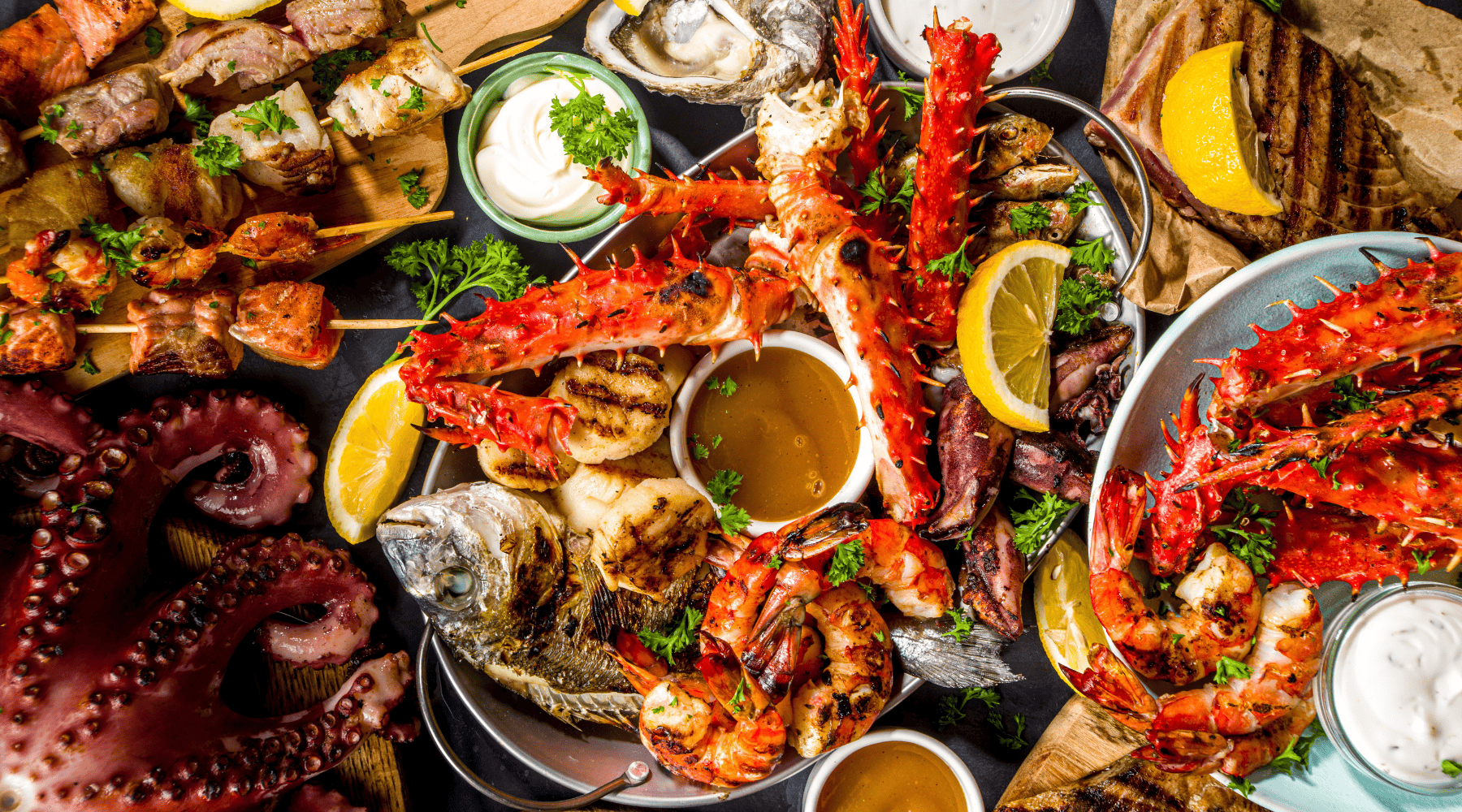
Fish and seafood
Fish provides high-quality protein along with beneficial fats.
Benefit: Fatty fish offer omega-3 fatty acids, which have been studied for their role in supporting overall health during radiation therapy . White fish such as cod or haddock may feel gentler during days of nausea.
Eggs
Eggs are versatile and nutrient rich.
Benefit: A single egg contains a balanced amino acid profile, supporting muscle repair.

They are recommended when discussing protein for cancer patients, especially for those who need soft, easy-to-swallow options.
Dairy and Greek yoghurt
Greek yoghurt, cottage cheese, and milk offer protein along with calcium.
Benefit: Greek yoghurt, in particular, provides a concentrated protein source that feels cooling and soothing for many patients.
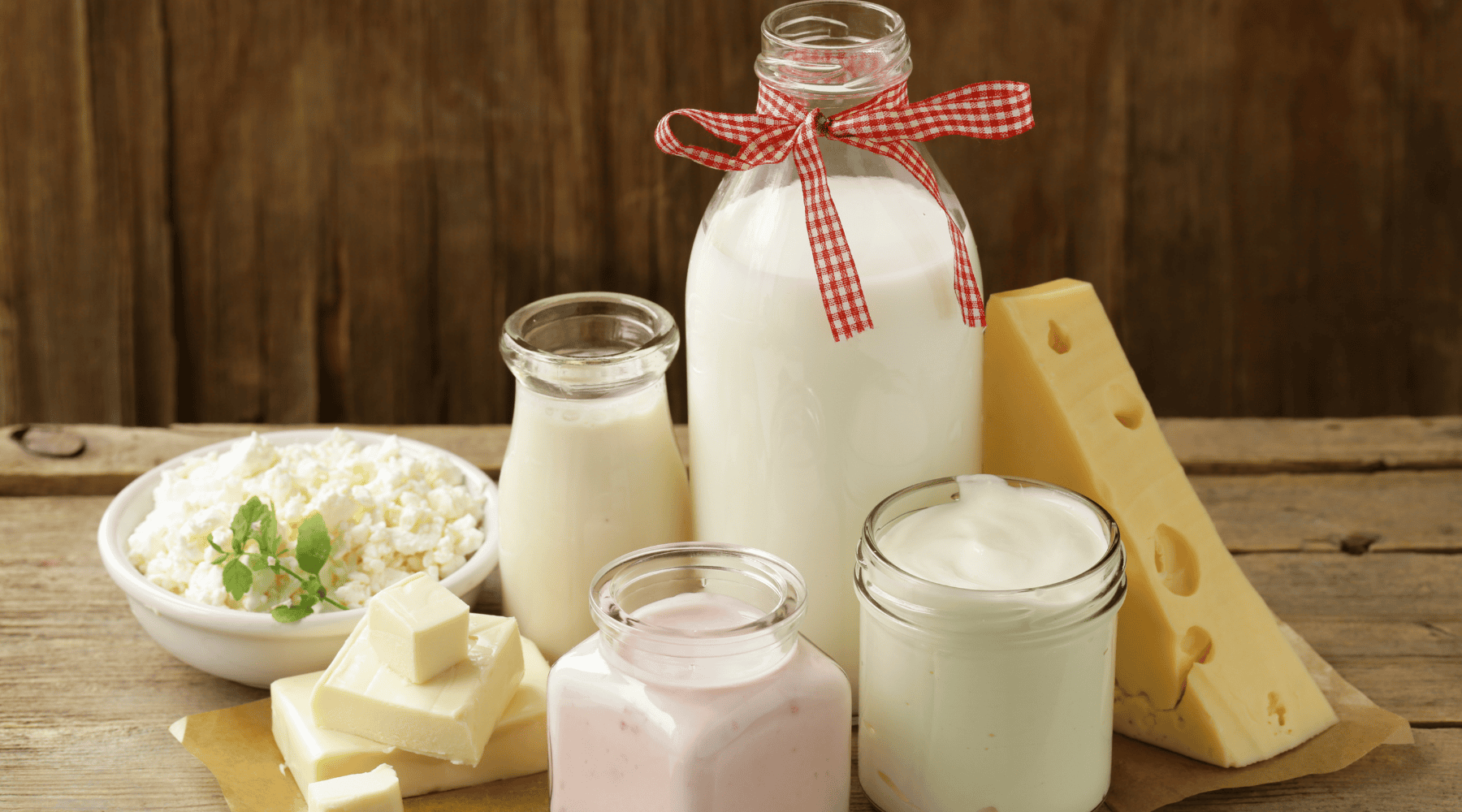
This group fits comfortably within a high protein diet for cancer patients, especially for people who struggle with large meals.
Legumes and lentils
For those preferring plant-forward diets, these foods provide a substantial nutritional base.
Benefit: Plant-based options such as beans and lentils are rich in protein, fibre, and minerals. They also support digestive health.
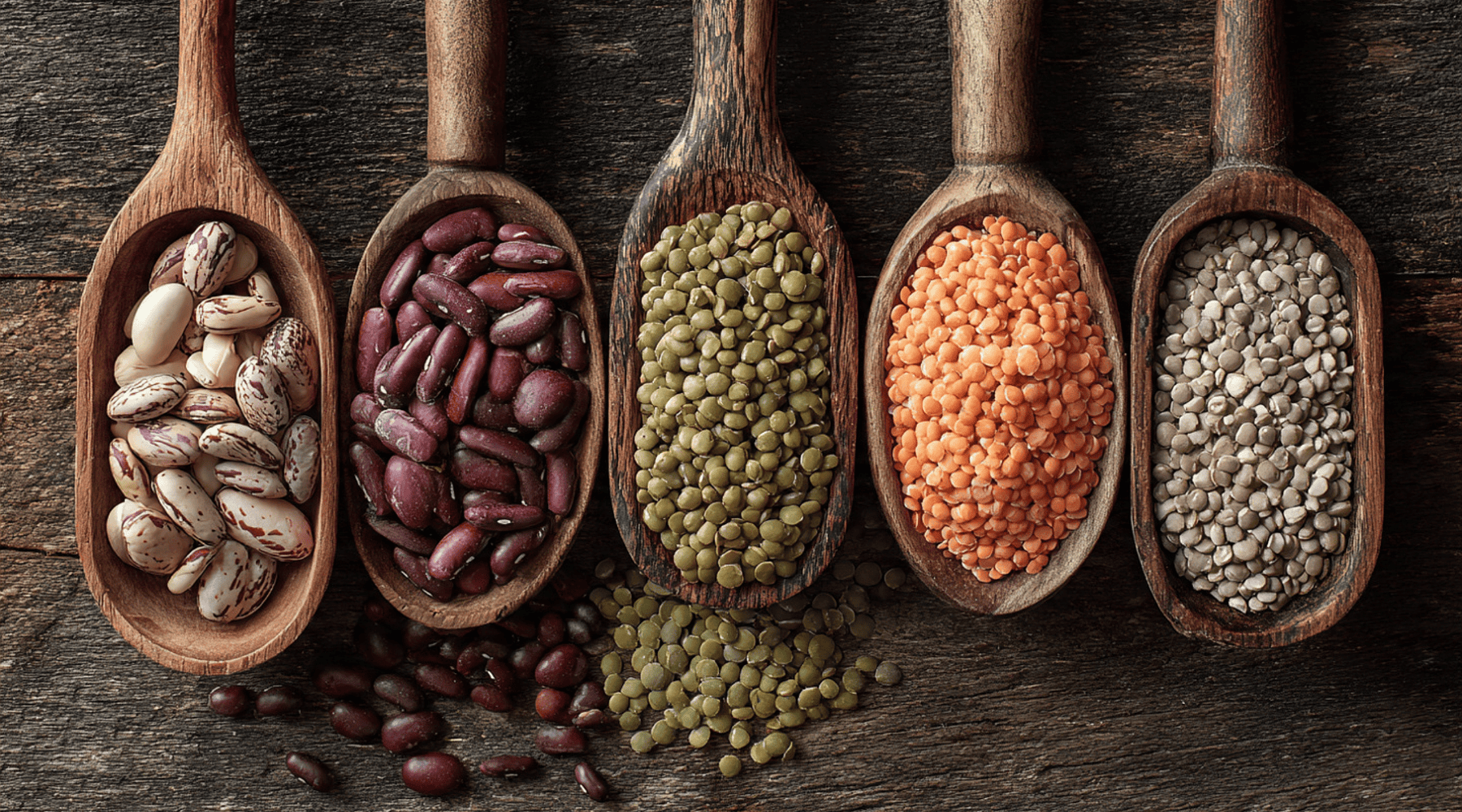
This area often appears in research exploring plant protein and cancer, showing how diverse dietary patterns can support recovery.
Nuts, seeds and nut butters
Nuts and seeds provide healthy fats and protein
Benefit: Nut butters are particularly helpful when appetite is low, as small portions supply significant calories and protein.
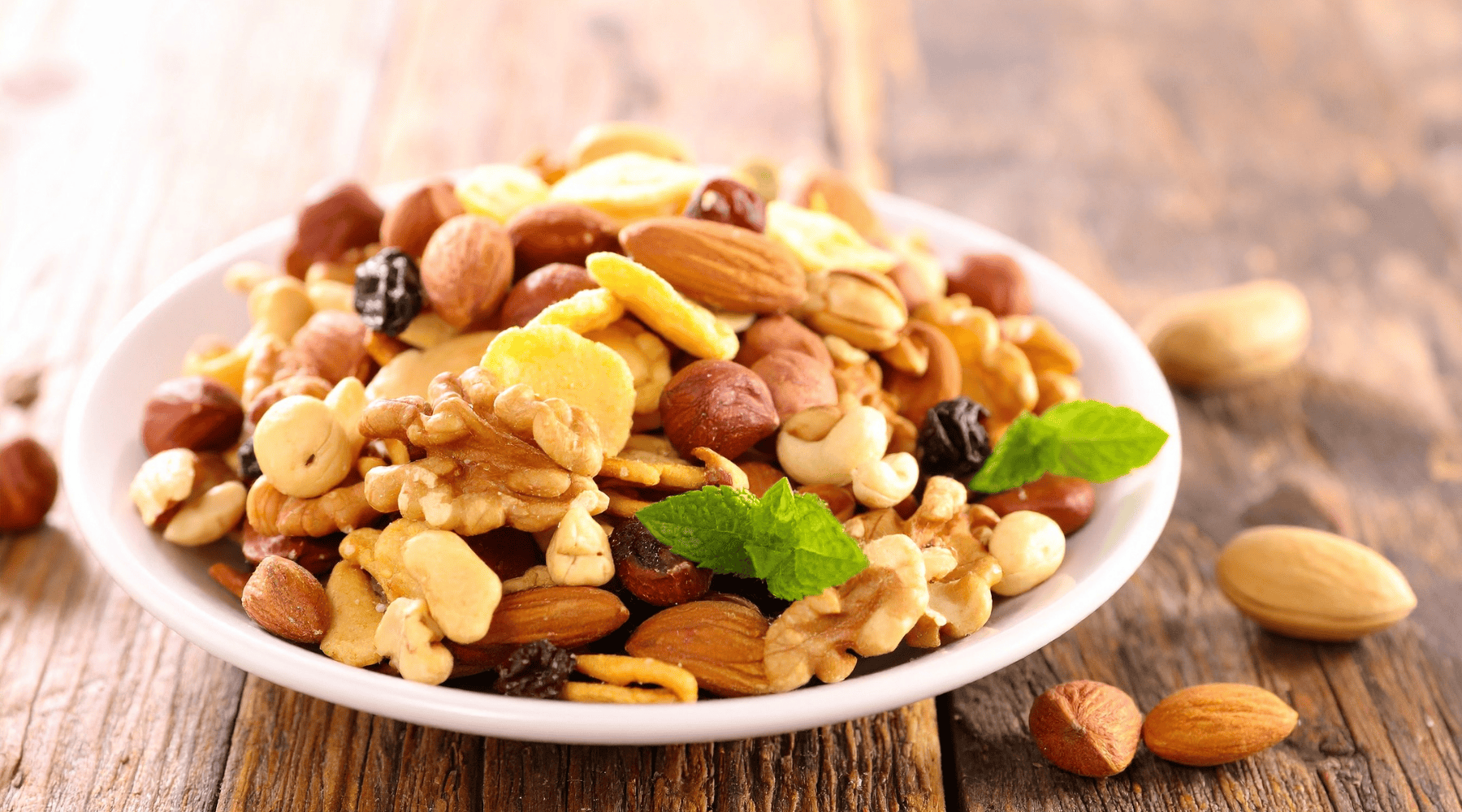
They work well in snacks and smoothies, helping meet the needs described in protein rich food for cancer patients discussions.
Protein shakes and smoothies
When appetite drops sharply, liquid options can be easier.
Benefit: Medical-grade nutrition shakes, homemade smoothies, or high-protein drinks offer concentrated nutrients.

These can support individuals following a high protein liquid diet for cancer patients, helping fill the gap between nutrition and cancer on difficult days.
By selecting from these categories, you can include the best protein for cancer patients in varied and manageable ways.
High-protein diet and cancer: what research says
Research consistently shows that adequate protein helps maintain body weight, preserve lean mass, and support recovery. Evidence also clarifies its role in treatment tolerance, debunks concerns about cancer growth, and identifies safe protein sources therapy care.
Let’s look in detail.
1.) Scientific evidence linking protein intake and cancer recovery
A 2023 study observed that women with ovarian cancer who met their protein needs had better recovery patterns and improved survival markers .
Clinical trials reviewed by Ford (2024) further support that patients receiving sufficient protein maintained lean body mass more effectively during active therapy .
Scientific literature on high protein and cancer highlights the importance of meeting appropriate needs without excessive restriction.
2.) Myths around high-protein diets and cancer growth
Concerns that protein “feeds” cancer are not supported by clinical evidence.
Kühn’s 2024 umbrella review analysed multiple systematic reviews and reported no consistent association between total protein intake and increased cancer progression across major cancers.
The confusion stems from studies on processed meats or overall dietary patterns, not protein itself. Current evidence shows that meeting protein needs is essential for preventing muscle loss, especially during treatment.
3.) Safe protein sources during chemotherapy and radiation
During periods of low immunity, safety matters as much as quantity.
Dingemans et al. (2023) demonstrated that high-protein oral nutrition supplements were safe and helped patients maintain weight and strength during treatment. These findings support the use of well-cooked poultry, fish, eggs, dairy, legumes, and medically supervised nutrition drinks during therapy.
Ford’s 2024 trial also showed that structured high-protein support was well tolerated, reinforcing the importance of safe, hygienic, fully cooked protein sources throughout therapy.
Understanding this context helps you choose the best protein for cancer patients without unnecessary fear or confusion.

FM Nutrition Hydrolysed Plant Protein (300 gm)
Hydrolysed plant protein with BCAAs and MCT
₹825₹889
A practical high-protein eating plan
Your body absorbs and uses protein more efficiently when distributed throughout the day. Spreading protein across meals supports stable energy and better muscle maintenance.
For example, including a protein source at breakfast, lunch, dinner, and snacks is more supportive than consuming large amounts in one sitting.
This approach aligns with general dietary recommendations for foods that prevent cancer , as balanced meals often contribute to overall well-being.
Simple plan
Here is a simple one-day plan that balances carbohydrates, fats, and protein while keeping digestion in mind:
| Meal time | Options |
|---|---|
| Breakfast | 1. Scrambled eggs with soft vegetables (spinach, bell peppers) 2. Greek yogurt with soft fruits (banana, berries) 3. Protein-fortified oatmeal with chia or flaxseeds 4. Soft paneer bhurji or tofu scramble |
| Mid-morning snack | 1.Smoothie with milk/plant milk, peanut butter, and soft fruits 2. Yoghurt smoothie 3. Soft banana-peanut butter shake 4. A glass of lassi/chaas |
| Lunch | 1. Grilled chicken or fish with steamed rice and cooked veggies 2. Soft dal khichdi with ghee 3.Steamed fish with mashed potatoes 4. Paneer stir-fry with well-cooked vegetables |
| Evening snack | 1. A handful of nuts 2. Cheese cubes or paneer bites 3. Hummus with soft breads |
| Dinner | 1. Dal with wholegrain bread 2. Soft curry with paneer, or egg 3. Moong dal chilla with paneer filling 4. Chicken soup with cooked vegetables 5. Quinoa khichdi |
When to avoid or limit certain proteins
Some situations call for extra caution with protein choices, especially when tolerance, immunity, or digestion is affected during treatment.
Proteins to limit or avoid:
- Highly processed meats or very high-fat cuts that feel heavy or difficult to digest
- Raw or undercooked meat, eggs, or seafood during periods of low immunity
- Foods that worsen nausea, reflux, or taste changes
- Excess protein intake in individuals with kidney conditions or specific intolerances
These considerations often arise when discussing- ‘is protein good for cancer’, or ‘is protein good for cancer patients’.
Nutrition guide to protein and cancer
Protein plays a central role in healing, immunity, and day-to-day strength, making it an essential part of recovery.
The best protein for cancer patients is the one that feels digestible throughout treatment. Options such as poultry, fish, eggs, dairy, legumes, nuts, seeds, and shakes provide dependable support, especially when appetite varies.
Spreading protein across meals helps maintain energy and steady recovery, but needs differ widely from person to person. For guidance that fits your specific symptoms and treatment plan, consulting oncology doctors ensures your choices remain safe.
FAQs on best protein for cancer patients
1. Which protein diet for cancer patients is better: plant-based or animal-based?
Both can be suitable. The choice depends on tolerance, taste, and any medical restrictions. Well-cooked animal proteins and plant-based options such as legumes both support recovery.
2. How much protein is safe per day for cancer patients?
Most individuals require around 1.0 to 1.5 grams per kilogram of body weight per day. Needs vary, so expert guidance is important when exploring high protein cancer or high protein diet cancer questions.
3. Does protein help during chemotherapy?
Yes, adequate protein supports muscle maintenance and immune function, helping the body tolerate treatment better. Including reliable options contributes to protein foods for cancer patients recommendations.