Nutrition5 min read
Creatine and Glutamine: A Clear Guide for Cancer Nutrition and Recovery
Dr. Vrundali Kannoth

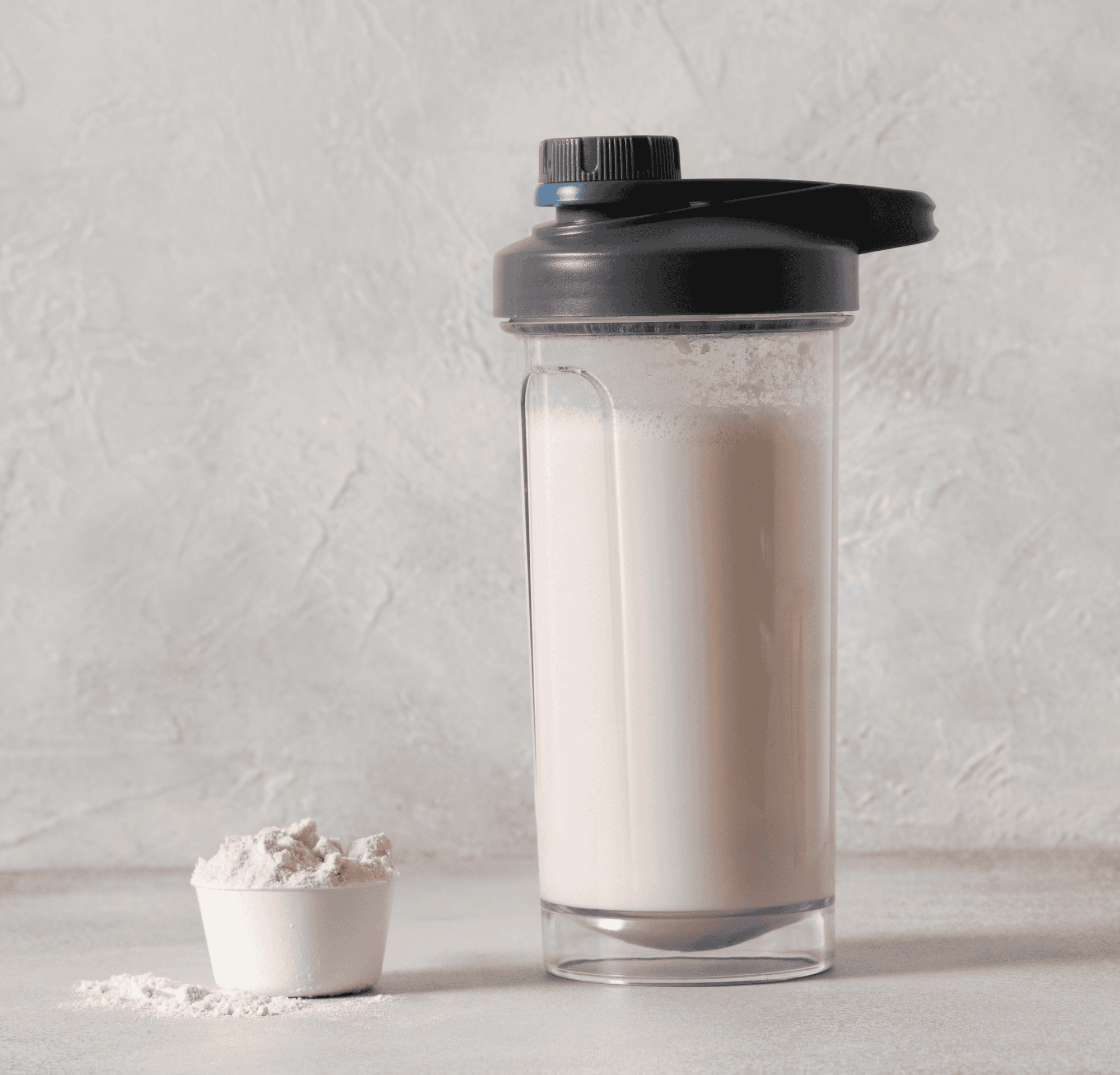
For anyone going through cancer treatment, protein is a building block for recovery, immune function, and keeping muscle loss at bay.
Understanding isolate protein vs concentrate protein is thus a meaningful step. Protein isolate is more refined and higher in protein content, while protein concentrate retains more of its natural nutrients.
Cereda et. al. (2019) noted that whey protein isolate supplementation improves body composition, muscle strength, and treatment tolerance in malnourished advanced cancer patients undergoing chemotherapy.
This article walks through what isolate and concentrate protein is, how they compare for cancer care, and which may be the right fit for different needs.
Isolate protein vs concentrate protein are available at the Everhope store — reviewed for use during cancer care.
Both protein isolate and concentrate are derived from the same sources, like whey, soy, or peas. However, they go through different levels of processing.
The difference between concentrate and isolate protein is based on their protein content, digestibility, and overall nutrient profile.
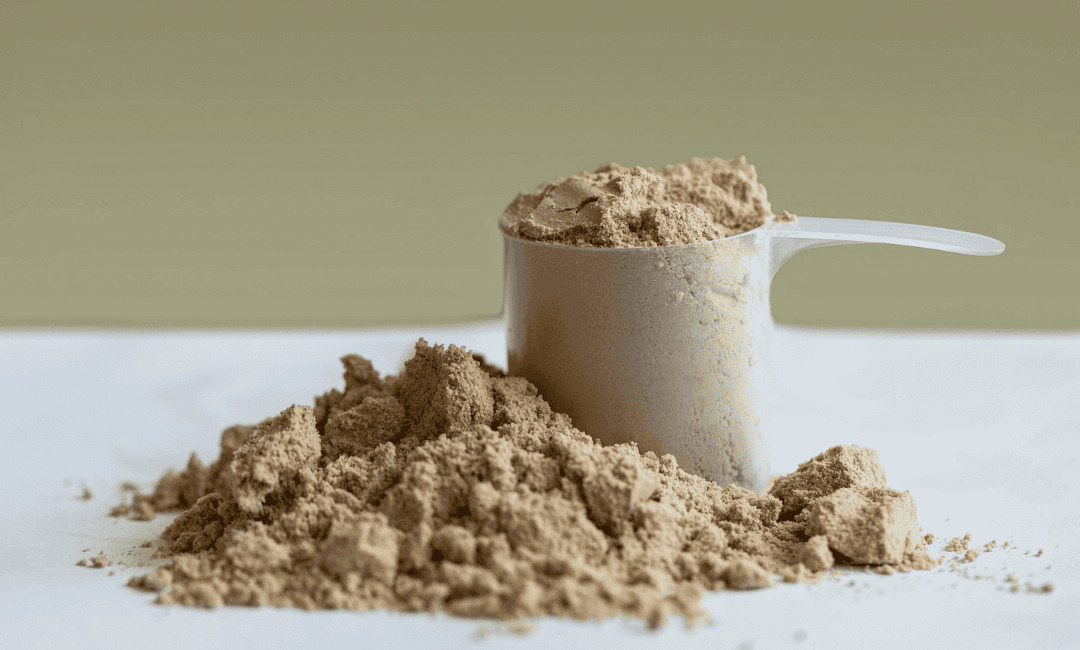
Understanding the difference between concentrate and isolate protein helps patients and caregivers make a more informed choice when looking at types of protein supplements available in the market.
Whey protein isolate is the more processed form. After the initial extraction of whey from milk, it is put through additional filtration to remove most of the fat, carbohydrates, and lactose. What remains is a very pure protein product. Here are some details:
Whey protein concentrate undergoes less processing. It is filtered once but retains a larger portion of its naturally occurring nutrients, including small amounts of fat, carbohydrates, and beneficial bioactive compounds.
Here is what you should know:
Cancer treatment changes the body in ways that make protein needs both higher and harder to meet.
The comparison of isolate protein vs concentrate protein here becomes more about what the body can actually tolerate, absorb, and benefit from during a difficult period.
Here are some considerations to take into account when comparing isolate protein vs concentrate protein:
During chemotherapy and other treatments, the body's protein requirements rise significantly. According to the ESPEN practical guideline, cancer patients may need 1.0-1.5g of protein per kilogram of body weight per day, more than the average person.

Whey protein isolate vs concentrate presents a clear distinction:
| Type | Best for | Benefits |
|---|---|---|
| Whey isolate | Patients with low appetite or lactose sensitivity | Helps meet elevated protein targets without excessive supplementation; reduced lactose content makes it easier to digest for those with lactose intolerance |
| Whey concentrate | Patients who tolerate lactose well and want broader nutritional support | Contains naturally occurring bioactive compounds like lactoferrin that offer immune support; a nutritionally rounded supplement to go with a diet for cancer patients |
Digestive side effects like nausea, bloating, and cramping are among the most common challenges during cancer treatment.
This makes digestive tolerance a key factor when comparing protein powder isolate vs concentrate:
For patients experiencing nutrition and cancer-related digestive challenges, isolate is often the gentler starting point.
That said, not every patient experiences issues with concentrate since individual tolerance varies, and some find it perfectly manageable when taken in small amounts with food.
Muscle wasting, clinically known as cachexia, is one of the most serious concerns in oncology nutrition. Protein plays a direct role in slowing this process.
Both isolate and concentrate protein contain leucine, the amino acid most responsible for triggering muscle protein synthesis.
However, because isolate delivers a higher concentration of protein per gram, it may offer a slight advantage when building or preserving muscle is the primary goal.
For patients exploring protein powder for cancer patients, both isolate protein vs concentrate protein can contribute positively to a structured oncology nutrition plan, provided they are used consistently and with professional guidance.
The question of whey protein isolate or concentrate, which is better, depends entirely on what you are trying to achieve and how your body is responding to treatment.

The table below offers a direct, goal-by-goal comparison of isolate protein vs concentrate protein to help guide that decision:
| Goal | Whey protein isolate | Whey protein concentrate |
|---|---|---|
| Muscle preservation | Preferred; higher protein per serving supports anti-catabolic signalling | Effective, though lower protein density means higher volume needed |
| Digestive comfort | Better suited; minimal lactose, low fat, easy on the gut | May cause discomfort for those with lactose sensitivity |
| Immune support | Limited; most bioactive compounds are removed during processing | More beneficial; retains lactoferrin and immunoglobulins |
| Weight management | Better option; fewer calories and carbohydrates per serving | Slightly higher caloric content, though still moderate |
| Meeting protein targets | More efficient; higher protein concentration means faster target achievement | Requires slightly larger servings to reach the same protein goal |
| Budget | Higher cost due to more intensive processing | More affordable and widely accessible |
| Plant-based preference | Both are available in plant-based forms, look for plant protein benefits, and pea protein | Both are available in plant-based forms as an alternative to whey |

FM Nutrition Hydrolysed Plant Protein (300 gm)
Hydrolysed plant protein with BCAAs and MCT
₹825₹889
Both isolate protein vs concentrate protein come with considerations that are worth knowing about for someone managing the demands of treatment.
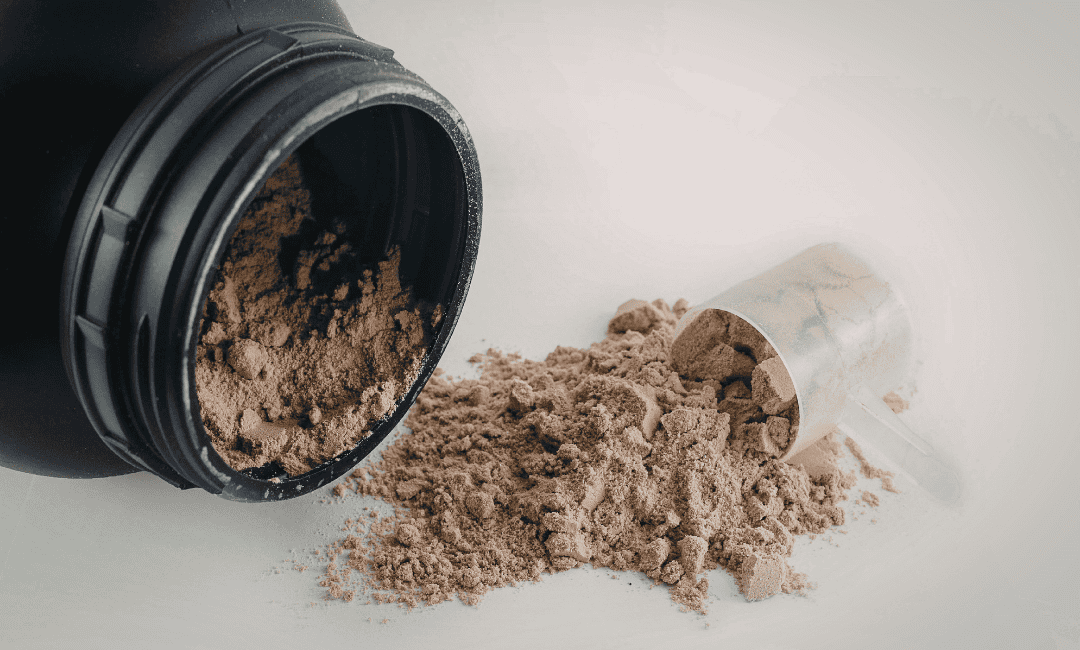
The good news is that most concerns are manageable with the right guidance. Here are some considerations:
For patients with lactose intolerance, the protein isolate and concentrate difference is especially relevant. Whey protein concentrate contains a moderate amount of lactose, which can trigger bloating, gas, and cramping in sensitive individuals.
Whey protein isolate contains negligible lactose and is generally well-tolerated even by those with mild to moderate lactose sensitivity.
If you are unsure how your body will respond, beginning with isolate and monitoring symptoms over a few days is a practical approach.
Both whey protein isolate vs concentrate are derived from dairy, which means they are unsuitable for anyone with a confirmed milk protein allergy. In such cases, plant-based alternatives such as pea or rice protein may be more appropriate.
It is important to read supplement labels carefully when choosing between isolate protein vs concentrate protein.
Some isolate protein or concentrate protein powders include added sweeteners, flavours, or fillers that may not sit well during treatment. A plain, unflavoured protein with a short ingredient list is often the safest option.
Not all protein supplements are manufactured to the same standard. In India, the supplement industry is regulated but not as stringently as pharmaceuticals. This makes quality verification important.
When selecting a concentrate protein vs isolate protein product, look for third-party testing certifications, clear labelling of protein content per serving, and brands with verifiable manufacturing standards.
Your oncologist can help guide you towards trusted options that align with your treatment plan.
Small, informed choices, like understanding isolate protein vs concentrate protein during cancer treatment, can allow meaningful support for your body.
The whey protein isolate vs whey protein concentrate debate is not the only dimension to explore. The broader world of isolate and concentrate protein spans plant-based options that may be better suited for some folks.
Your oncology care team can review your current protein intake, identify any gaps, and help select the form of isolate protein or concentrate that complements your treatment.
At Everhope Oncology, our oncologists and nutrition specialists work with patients to build personalised plans for isolate and concentrate protein supplementation.
Our goal is to make recovery feel more manageable, one step at a time.