Nutrition5 min read
Creatine and Glutamine: A Clear Guide for Cancer Nutrition and Recovery
Dr. Vrundali Kannoth

Fighting cancer places a profound strain on the body. While medical treatments work to eliminate the disease, your body pushes relentlessly to repair, defend, and rebuild.
Understanding the link between nutrition and cancer is the first step toward reclaiming your health during treatment.
Often, the stress of treatment causes inflammation that breaks down your muscles, leading to cancer weight loss, making you feel weak and tired. To fight back, you need proteins, the building blocks of life.
However, eating enough can be hard when you feel nauseous or have no appetite. In those times, yeast protein can be a great substitute.
Using yeast protein provides a high-quality, gentle way to protect your muscles. It’s also easily digestible and has a Protein Digestibility Corrected Amino Acid Score (PDCAAS) of 1.0, competing with even some of the animal protein sources.
In this article, we’ll explore the uses of protein powder and how this simple supplement helps you regain your strength and resilience during the most difficult times.
Yeast protein are available at the Everhope store — reviewed for use during cancer care.
Yeast protein is a concentrated form of protein taken from tiny, single-celled organisms called Saccharomyces cerevisiae. You know this better as baker's or brewer's yeast.
While we’ve used yeast for thousands of years to make bread and drinks, we’re just now finding that the protein inside these tiny cells is also incredible during cancer care.
When planning a diet for cancer patients, yeast is emerging as a powerful ally alongside traditional whole foods that prevent cancer.
These cells share significant homologs with us, humans. Therefore, our bodies recognise and use their nutrients very effectively.
In nature, yeast grows on fruit or tree bark. In a lab setting, these cells can double their population every 90 minutes. This enables a steady, reliable supply of high-quality protein.
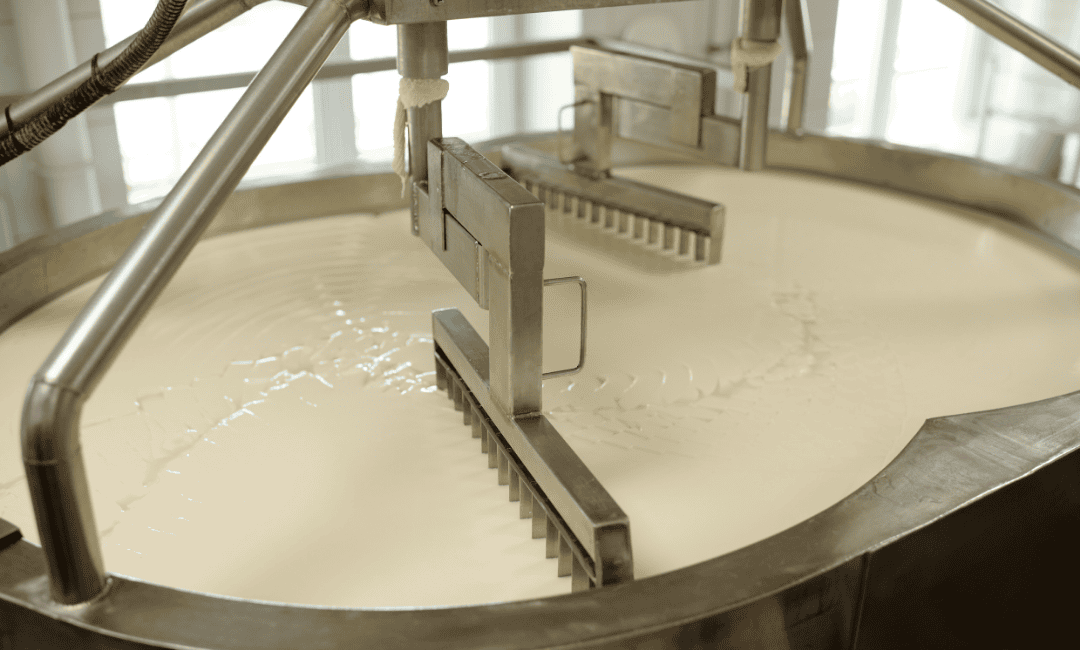
It is important to know the difference between standard nutritional yeast protein flakes and a protein supplement.
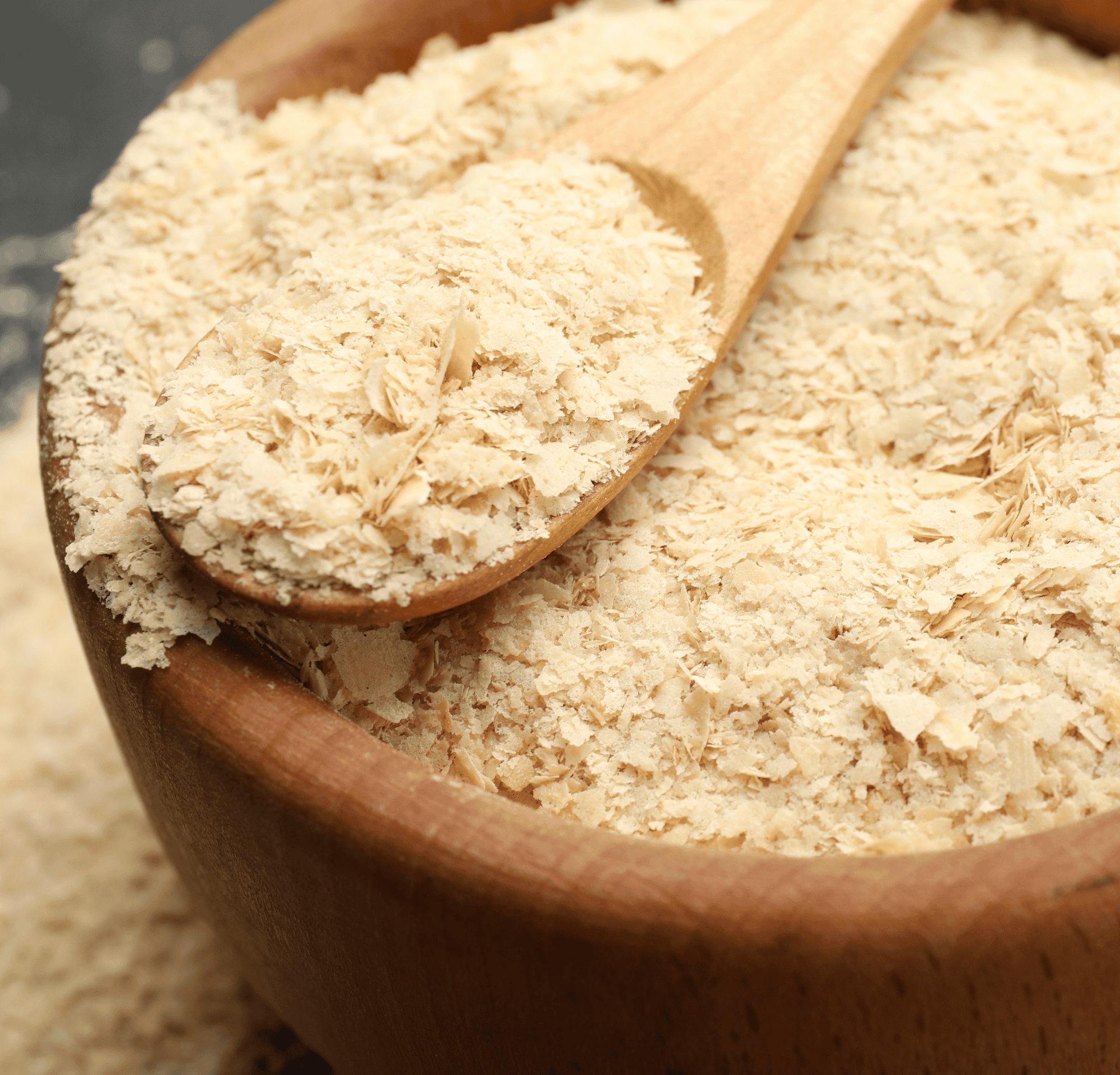
Nutritional yeast protein in flake form is great for flavour, but it is the whole cell, meaning it has more fibre and less protein.
A protein supplement uses yeast protein extraction to remove those outer walls, making the protein much easier for a sensitive stomach to absorb.
When you are fighting cancer, you need the best protein for cancer patients. In that sense, yeast protein is a complete protein, which is a rare and critical find among non-animal foods.
We use a scale called PDCAAS to measure how good a protein is for humans. This scale looks at whether a protein has the right amino acids and how well our bodies can actually digest it.
Yeast protein scores a perfect 1.0, putting it on the same level as whey, eggs, and milk.
This is one of the major advantages of yeast protein over other plant sources like pea or rice, which often score much lower and are harder for the body to fully use.
| Protein source | PDCAAS score | Quality category |
|---|---|---|
| Yeast protein | 1.0 | High Quality (Complete) |
| Whey protein | 1.0 | High Quality (Complete) |
| Soy protein | 0.9–1.0 | High Quality (Complete) |
| Pea protein | 0.7–0.8 | Intermediate Quality |
| Rice protein | 0.4–0.5 | Lower Quality |
Amino acids are the building blocks that repair your skin, organs, and muscles. Your body cannot make nine of these on its own; you must get them from your food. Yeast protein contains all nine.
Choosing the right protein supplement is about how satiating it feels. Many cancer victims find that the advantages of yeast protein make it much easier to stick to a nutrition plan compared to dairy or soy options.
You may find that whey protein causes bloating or gas, often because of lactose. Others may find soy or pea protein feels heavy or causes indigestion.
Because of the way yeast protein extraction works, the final product is free from lactose, gluten, and soy, which is critical for your stomach when you are already dealing with nausea.
Some proteins, like whey, digest very quickly. This can cause a fast spike in your blood sugar followed by a crash. Yeast protein digests at a more moderate, steady pace.
This gives you a slow, constant stream of amino acids to repair your muscles and keeps you feeling full and satisfied for longer.
While focusing on intake, it is equally important to be aware of cancer foods to avoid that might cause further inflammation.
We also cannot ignore the environmental yeast protein benefits. Traditional farming takes a massive toll on our earth.
Producing yeast protein uses 98% less land than meat and significantly less water than soy. Choosing yeast is a way to nourish yourself while protecting the world for future generations.
| Environmental metric | Yeast protein | Bovine (milk) protein | Soy protein |
|---|---|---|---|
| Land use (m^2/kg) | 4.1 - 4.9 | 273 | 36 - 45 |
| Water usage (L) | 74 | 5,620 | Moderate |
| CO2 emissions | Low | Very high | Moderate |
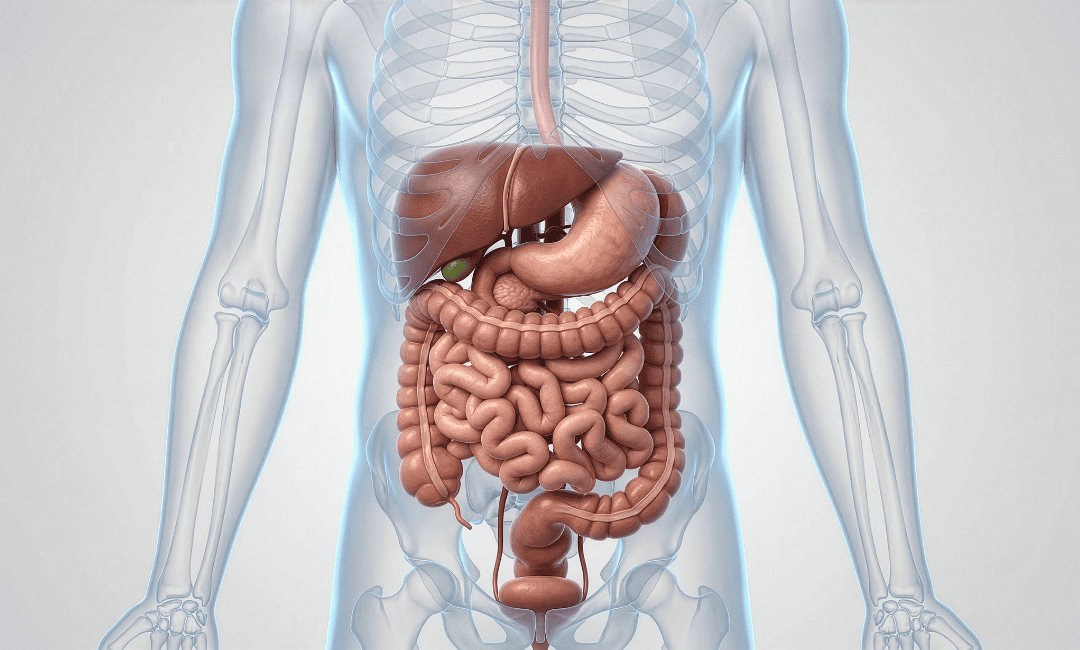
For a cancer patient, protein is considered an integral part of treatment. One of the biggest challenges in oncology is a condition called cachexia, or severe muscle wasting.
This happens when the body starts to digest its own muscle to keep going. Yeast protein for cancer patients offers a specific defence against this process.
Cancer creates inflammation in the body that melts muscle and fat. To stop this, you need a high dose of the amino acid Leucine.
As we mentioned earlier, yeast is packed with Leucine. It sends a strong signal to your body to stop breaking down muscle and start building it back up.
This helps you stay strong enough to go through your treatments with more strength.
Maintaining consistent cancer and food habits can significantly improve your quality of life during long-term therapy.
The beta-glucans found in yeast wake up your immune cells. Research shows that certain immune cells, like Natural Killer (NK) cells, become much more aggressive against threats when they are primed by yeast compounds.
Yeast might even help chemotherapy work better. In laboratory tests, yeast helped make certain cancer cells more sensitive to drugs like Paclitaxel. This means the medicine could do its job more effectively.
At the same time, the nutrients in yeast help your healthy cells stay strong, potentially reducing the harsh side effects of the treatment.

Protevyx Albumin Protein Powder — Vanilla (400gm)
Egg-albumin protein, formulated for cancer care
₹1,440₹1,799
Adding a new supplement to your routine should be done with care, especially during cancer treatment. These guidelines help you get the most from your nutrition while staying comfortable and safe.
| Focus area | What to do with yeast protein | Why it helps |
|---|---|---|
| Protein needs | Aim for 1.0–1.5 g/kg body weight; add 24 g per scoop of yeast protein | Supports muscle repair and helps meet higher protein demands during treatment |
| Eating strategy | Choose 6–8 small meals; sip yeast protein double milk | Makes nutrition easier when appetite is low |
| Boost without bulk | Stir yeast protein into soups, mashed potatoes, eggs, and sauces | Adds protein without increasing portion size or altering taste |
| Taste support | Use plastic/bamboo utensils | Helps reduce metallic taste and improve palatability |
| Easy options | Blend yeast protein into smoothies or stir into warm lattes/drinks | Offers simple, comforting ways to increase intake |
Even though it is a natural and healthy option, there are a few yeast protein side effects and safety concerns you should be aware of:
Yeast protein is a high-quality way to maintain your strength during treatment. It provides the building blocks for muscles and helps your immune system stay strong. Since it is easy to digest and full of yeast protein benefits, it is a great choice for many cancer patients.
Navigating these choices is easier with the right help. Everhope offers oncology nutrition plans to manage your health during recovery. Our team provides expert guidance on nutrition and specialised care to help you feel your best every day.