
Explore Cancer Side Effects on Physical and Mental Health

On this page
When you or a loved one receives a cancer diagnosis, the focus naturally shifts to treatment.
But as you navigate this journey, you might start noticing changes in how your body feels and how your mind responds. Fatigue that doesn't lift after rest. Hair that starts thinning. Emotions that feel harder to manage than before.
These are the side effects of cancer and its treatment, experiences that millions face but few truly understand until they're living through them.
Whether you're preparing for treatment, currently undergoing it, or supporting someone who is, knowing what to expect helps you feel less alone and more in control.
This guide walks you through both the physical and emotional impacts of cancer, explains why they happen, and shares practical ways to manage them.
Eating well through treatment is hard. Get a personalised onco-nutrition plan from Everhope's dietitians.
Understanding the side effects of cancer
The term side effects of cancer actually refers to two connected experiences: effects from the cancer itself and effects from the treatments used to fight it.
Cancer cells don't just sit quietly in one place. As they grow, they compete with healthy cells for nutrients and energy.
They can press against organs, disrupt normal body functions, and trigger inflammation. This is why even before treatment begins, people may notice unexplained weight loss, persistent pain, or overwhelming tiredness.
Then there's treatment. Chemotherapy, radiation, surgery, and immunotherapy each work powerfully to target cancer cells, but they can also affect healthy cells in the process. This is where many of the cancer treatment side effects come from.
7 physical side effects of cancer
Physical symptoms can range from mild inconveniences to challenges that significantly impact daily life. Here's what research and patient experiences tell us about the most common side effects of cancer treatment.
1. Fatigue and weakness
This isn't the tired feeling you get after a busy day. Cancer fatigue is a bone-deep exhaustion that rest doesn't fully fix. It's one of the most reported side effects of cancer treatment across all cancer types.
Why it happens: Your body is working overtime to repair treatment damage, fight infection, and manage inflammation. Anaemia (low red blood cells), poor nutrition, pain, stress, and sleep problems all contribute.
What helps: Short walks when energy permits, prioritising sleep, eating small nutrient-rich meals, and accepting help with daily tasks. Some patients benefit from gentle yoga or energy conservation techniques taught by physiotherapists.
2. Hair loss (Alopecia)
Hair loss from chemo is one of the most visible common side effects of cancer treatment, particularly with chemotherapy. It typically begins 2-3 weeks after treatment starts and can affect hair on your scalp, eyebrows, eyelashes, and body.

What helps: Many find comfort in preparing ahead with wigs, scarves, or hats.
Some oncology centres offer "cold cap" therapy that may reduce hair loss. Remember: hair usually grows back 3-6 months after treatment ends.
3. Nausea, vomiting, and appetite loss
Feeling queasy, unable to eat, or experiencing actual vomiting are among the most dreaded cancer treatment and side effects that patients face. This can lead to weight loss and nutritional deficiencies that slow recovery.
What helps: Anti-nausea medications (prescribed before and after treatment), eating small frequent meals, choosing bland foods, staying hydrated with small sips, ginger tea, and avoiding strong smells. Cold foods are often easier to tolerate than hot ones.
4. Pain and peripheral neuropathy
Pain can stem from the tumour itself pressing on nerves or organs, from surgery, or from treatment.
Peripheral neuropathy, characterised by tingling, numbness, or burning sensations in the hands and feet, is a specific concern associated with certain chemotherapy drugs.
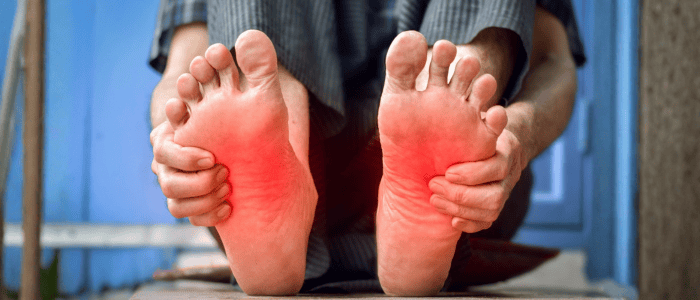
What helps: Pain management plans tailored to your situation (medications, nerve blocks, physical therapy), protecting sensitive areas, and wearing comfortable shoes.
5. Organ and system-related effects
Different treatments affect different body systems:
- Heart and lungs: Some chemotherapy drugs and chest radiation can affect heart function or lung capacity, causing shortness of breath or fatigue.
- Kidneys and liver:These organs filter treatment drugs and can become strained, requiring monitoring through blood tests.
- Skin changes:Radiation can cause redness, peeling, or darkening in treated areas. Some chemotherapy causes rashes or increased sun sensitivity.
6. Blood & bone health issues
Chemotherapy affects bone marrow, where blood cells are made. This leads to:
- Anaemia (low red blood cells): causes fatigue and breathlessness
- Neutropenia (low white blood cells): increases infection risk
- Thrombocytopenia (low platelets): causes easy bruising and bleeding
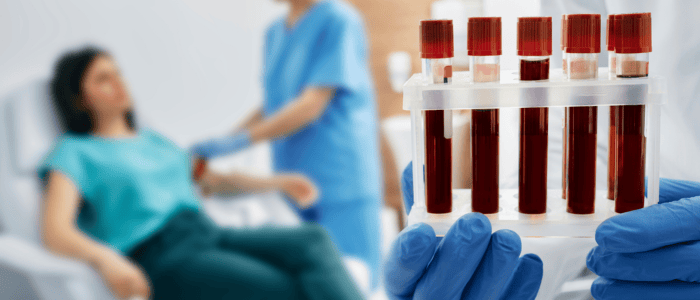
Regular blood tests help your care team monitor these levels and adjust treatment timing or add supportive medications when needed.
7. Gastrointestinal & urinary effects
Constipation, diarrhoea, and urinary changes are common after cancer treatment side effects that patients may not expect:
- Pain medications often cause constipation
- Some chemotherapy and radiation cause diarrhoea
- Pelvic radiation or surgery can affect bladder control
- Dehydration worsens all of these
Staying hydrated, adjusting fibre intake, and reporting persistent problems to your doctor all help manage these cancer symptoms .
3 emotional and mental side effects of cancer
The physical cancer treatment side effects are visible and measurable. But the emotional side effects of cancer deserve equal attention.
1. Anxiety and depression
Worry about the future, fear of treatment, grief over life changes, and uncertainty about outcomes - these aren't signs of weakness. They're normal responses to a life-altering situation.
Studies show that up to 25% of cancer patients experience clinical anxiety or depression at some point during their journey.
Don't hesitate to discuss these feelings with your oncology doctors , they're as important to address as physical symptoms.
2. Cognitive effects (chemo brain)
"Chemo brain" refers to memory problems, difficulty concentrating, trouble finding words, or feeling mentally foggy during or after treatment. It's frustrating and very real, though often temporary.
What helps: Using organisers and reminders, breaking tasks into smaller steps, getting adequate sleep, staying mentally active with puzzles or reading, and being patient with yourself.
3. Sleep disturbances
Trouble falling asleep, staying asleep, or getting restful sleep compounds every other side effect you're dealing with. Poor sleep worsens fatigue, pain, mood, and immune function.
What helps: Maintaining a consistent bedtime routine, limiting screens before bed, creating a comfortable sleep environment, gentle exercise earlier in the day, and discussing persistent sleep problems with your doctor.
What are the side effects of cancer treatment?
What happens after your last chemo session or final radiation appointment? Many people assume side effects stop when treatment ends. Unfortunately, that’s not the case, and these are called late or long term side effects of cancer treatment.
Late cancer treatment side effects from chemotherapy
Some chemotherapy drugs can affect your heart years after treatment. Others may increase your risk of developing secondary cancers decades later. Fertility problems, early menopause, and bone density loss are also possible long term side effects of cancer treatment.
Nerve damage (peripheral neuropathy) sometimes improves after treatment but can also persist.
If you're still experiencing numbness or tingling six months after treatment, tell your doctor.
Radiation therapy's delayed impact
Radiation can cause tissue changes that appear years later. Skin in treated areas may remain more sensitive to sun. Heart or lung function might gradually decline if those organs were near the treatment field.
Scar tissue formation (fibrosis) in treated areas is another concern. This can affect movement or organ function depending on where you received radiation.
Surgery-related long term side effects of cancer treatment
Lymph node removal can lead to chronic swelling (lymphedema) in arms or legs. This might not show up until months after surgery. Organ removal obviously creates permanent changes to how your body functions.
Scar tissue from surgery can cause ongoing pain or restricted movement. Physical therapy helps, but some changes become part of your new normal.
How to manage side effects of cancer treatment
So, how do you actually cope with all these signs of cancer side effects? Managing side effects of cancer treatment is now considered as important as the treatment itself.
- Start with your care team: Modern oncology has excellent supportive care options. Anti-nausea drugs have improved dramatically. Pain management protocols are more sophisticated.
- Nutritional support makes a real difference: What you eat (or can't eat) directly impacts how you feel. A dietitian who understands cancer symptoms and treatment can help you.
- Movement helps: Gentle movement, even just 10-minute walks, can reduce fatigue over time, improve sleep quality, boost mood and reduce anxiety, and speed recovery after surgery.
Manage the side effects of cancer with experts
Living through cancer treatment side effects isn't easy. Some days are harder than others. You might feel fine one day and terrible the next.
Understanding what are the side effects of cancer treatment helps you prepare, cope, and know when to ask for help. It removes the element of surprise and gives you back some sense of control.
Talk openly with your care team about what you're experiencing. Seek support when you need it. Be patient with your body as it does incredibly hard work. And remember that getting through treatment, including its side effects, is moving you toward recovery.
If you're concerned about symptoms or need guidance on how to prevent cancer oncology doctors at Everhope who understand both the physical and emotional journey you're on.
FAQs on side effects of cancer
How long do side effects last after cancer treatment?
Most acute side effects resolve within weeks to a few months after treatment ends, although some, such as fatigue and nerve damage, may persist for 6-12 months or longer.
Are all cancer side effects reversible?
No, some effects like organ removal, fertility loss, or certain nerve damage may be permanent, while others improve significantly with time and supportive care.
Can lifestyle changes actually reduce cancer side effects?
Yes, proper nutrition, gentle exercise, adequate rest, and stress management techniques can significantly reduce the severity and duration of many treatment side effects.
Products readers use for these side effects
Matched to this article's topics — not bestsellers

Fatigue Fighter Essentials for fatigue, weakness & muscle loss - CoQ10, Assimilate Vegan Protein Vitamin D3+K2-7
Addresses fatigue, weakness and muscle loss
₹2,150
View product
Chemo Gut Relief Pack for nausea, bloating, diarrhea & poor digestion - Digest All Care, S. Boulardii Probiotic Care
Eases nausea and digestive side effects
₹2,409
View product
Recovery Essentials - Omega-3, Vitamin D3, CoQ10
Supports overall recovery during treatment
₹2,277.50
View product
← swipe for more →
Available at the Everhope store · always consult your care team before starting any supplement