
Call Us
Adenoid Cystic Carcinoma: Causes, Growth Pattern and Overview

Adenoid Cystic Carcinoma: Causes, Growth Pattern and Overview

title image

Dr. Vrundali Kannoth5 minutes24 Dec 2025

Understanding Adenoid Cystic Carcinoma and How It Develops

Finding a small lump near your mouth, especially if it doesn't hurt and just sits there, can feel unsettling. Most of us assume serious health issues come with clear warning signs, especially pain, but some conditions develop quietly over months or even years.

Adenoid cystic carcinoma(ACC) is one such cancer that often hides in plain sight, starting in the glands that produce saliva and other fluids. While it's rare, affecting only about 1% of head and neck cancers , understanding it matters because early detection makes a major difference in treatment outcomes.

Let’s look into adenoid cystic carcinoma definition, how it develops, the symptoms to watch for, and what treatments are available.

What is adenoid cystic carcinoma?

ACC cancer starts in glandular tissue that makes saliva, mucus, or other fluids. It’s most likely to develop in your salivary glands, but it can also show up in glands in your windpipe, breast, or skin.
image

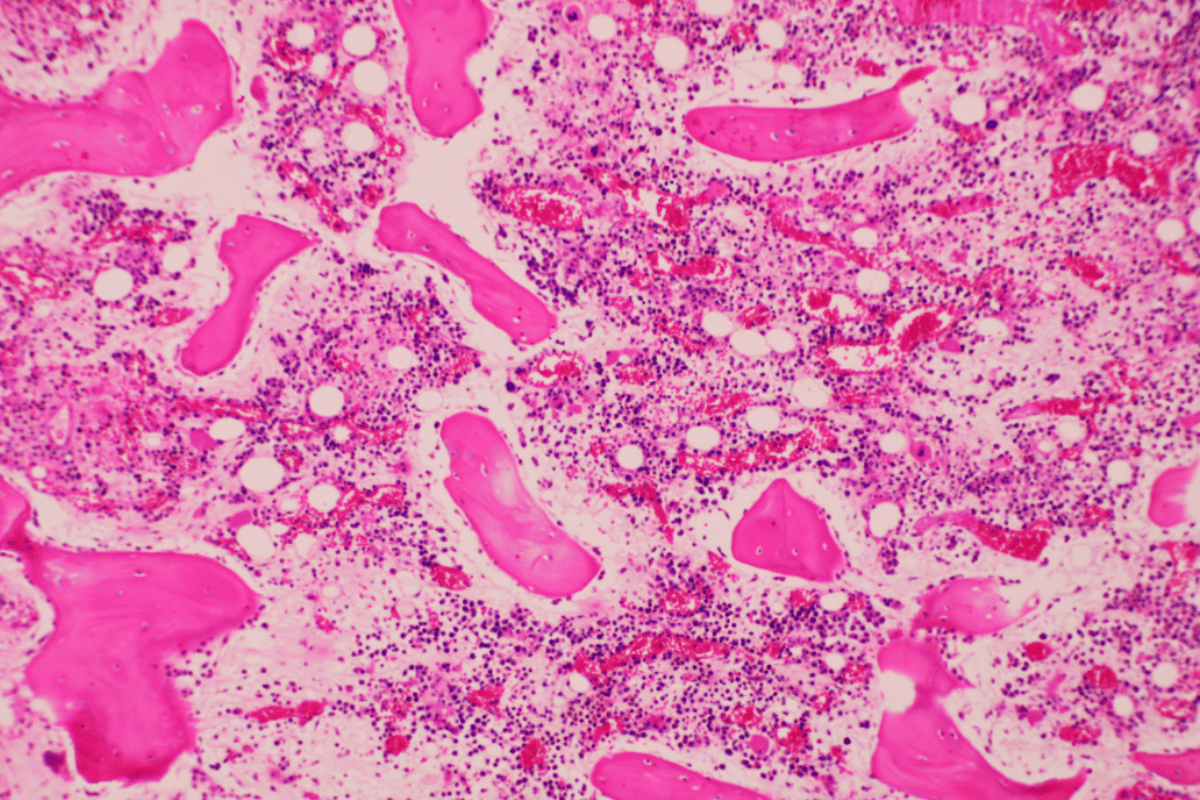
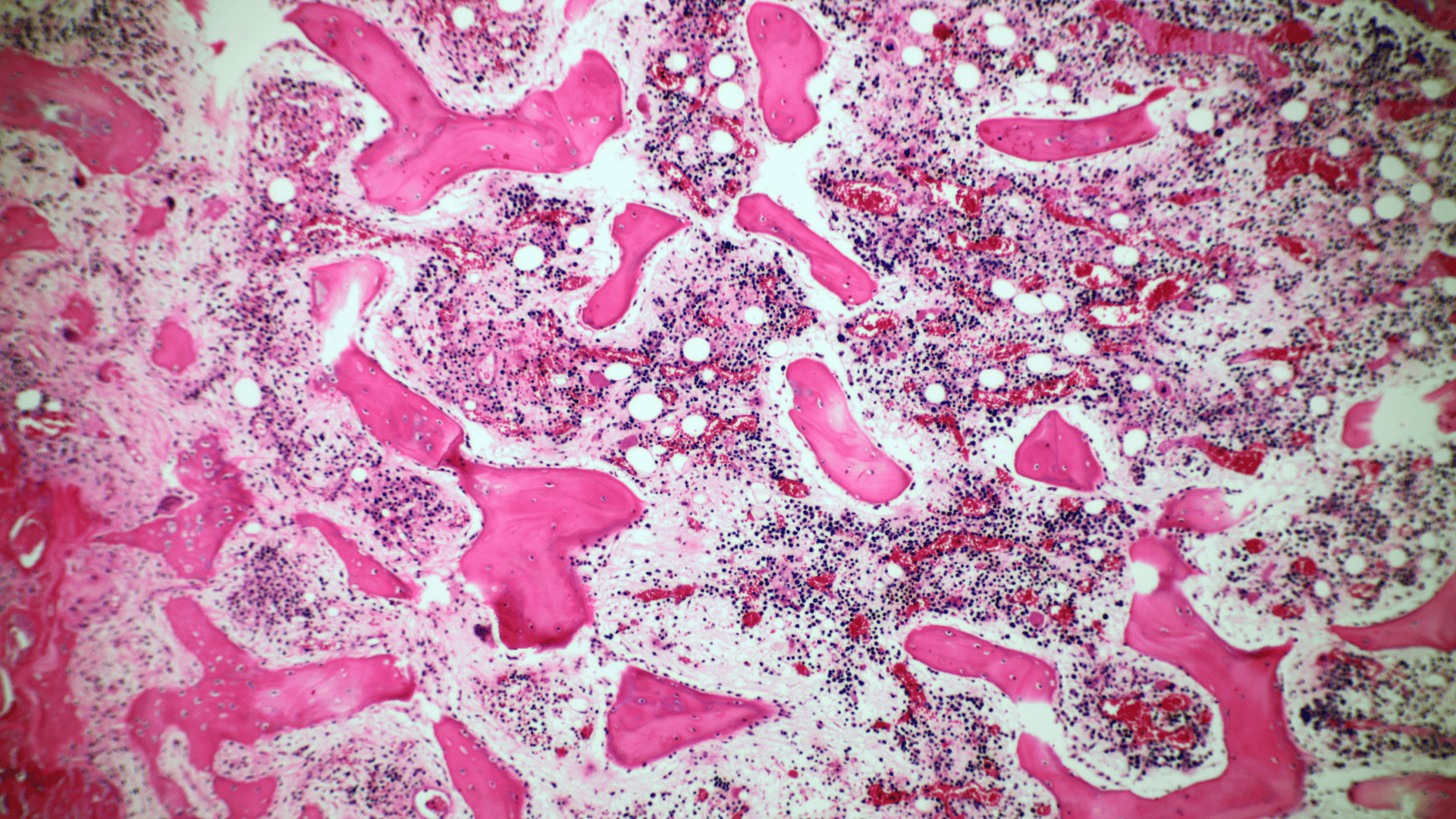
Under a microscope, these cancer cells appear as small, round structures with holes between them, creating a pattern that resembles tiny Swiss cheese or a honeycomb. That's where the name comes from: adenoid (gland-like) and cystic (with spaces).

Also, it usually spreads along nerves and can return even after treatment, which is why adenoid cystic carcinoma recurrence remains a concern.

How common is adenoid cystic carcinoma?

It's a rare condition that falls under head and neck cancer cases. ACC can affect anyone, but it's most common among people aged 40 to 60. Also, women are slightly more likely than men to develop it.

Types of adenoid cystic carcinoma

There are three different types of adenoid cystic carcinoma classified based on their cell patterns:

  • Cribriform
    The most common type, where cells form clusters with small holes, but it has a better outlook.
  • Tubular
    Cells arrange themselves into tube-like structures, and it's also less aggressive.
  • Solid adenoid cystic carcinoma
    The least common but most aggressive form. Cells grow in dense sheets without much structure. High grade adenoid cystic carcinoma often falls into this category.

These patterns help your care team to understand adenoid cystic carcinoma grading and decide your treatment plan.

How does adenoid cystic carcinoma develop?

ACC begins when cells in secretory glands start changing. While there is no specific evidence on what leads to these changes, it is suggested that genetic mutations cancer events play a role.

These mutations cause cells to multiply when they shouldn't and ignore the signals that tell damaged cells to die.

What makes this cancer particularly challenging is that it spreads along nerves slowly but persistently, which is also referred to as perineural invasion. Cancer cells use nerve pathways like highways to travel beyond the original tumour site.

This explains the pain, numbness, or tingling people experience. It also makes surgery more difficult, since cancer cells may extend along nerves into areas not visible on scans.

In certain cases, it also spreads to distant areas such as lungs, bones, and lymph nodes and this condition is called metastatic adenoid cystic carcinoma.

The first sign is usually a painless lump or swelling in your mouth, face, jaw, or neck. However, these cancer symptoms occur when your salivary glands are affected.

Usually, you experience pain in later ACC stages when it has affected the nerves. It's typically a dull, persistent ache that doesn't respond to regular pain relievers.

image

Some other symptoms of this type of carcinoma include, depending on the tumour location: 

  • Nose or sinuses
    Nosebleeds, blocked nasal passages, facial swelling or numbness.
  • Windpipe:
    Persistent cough, wheezing, difficulty breathing, and coughing up blood.
  • Breast or skin:
    A firm lump that doesn't move easily, sometimes with skin changes above it.

Adenoid cystic carcinoma causes and risk factors

The exact cause of this kind of carcinoma is unclear. Unlike other types of cancer, such as lung or throat, this one isn't tied to smoking, alcohol, or environmental exposures.

What researchers do know is that

specific genetic changes appear in many cases. These mutations affect how cells grow and divide, but we don't yet understand what triggers these changes.

In addition, there's no strong evidence linking this cancer to inherited genetic conditions. Most cases appear randomly without a family history.

Environmental factors also don't seem to play a major role. There's no clear connection to workplace exposures, diet, or lifestyle habits.

Factors that increase risk

Since causes are unclear, identifying adenoid cystic carcinoma risk factors is challenging. Age (40-60) and being female slightly increase the likelihood, but these aren't strong predictors.

Some found radiation therapy to the head or neck for other conditions is also one of the cancer risk factors , though this is also uncommon.

Diagnosis of adenoid cystic carcinoma

WhatsApp Cancer Care
Get Your Free Cancer Diet Plan & Report Analysis Now on WhatsApp

Talk to experts. Understand your reports. Get a personalized diet plan — all free to start.

Get My Free Plan on WhatsApp
India's First Cancer Care Management Platform
Free to startSecure & privateNo app download needed

Doctors check for ACC by looking for lumps, swelling, or nerve-related symptoms. They'll examine the mouth, throat, neck, and any other areas where you're experiencing symptoms.

After that, based on their observation, they recommend the following tests:

Imaging tests

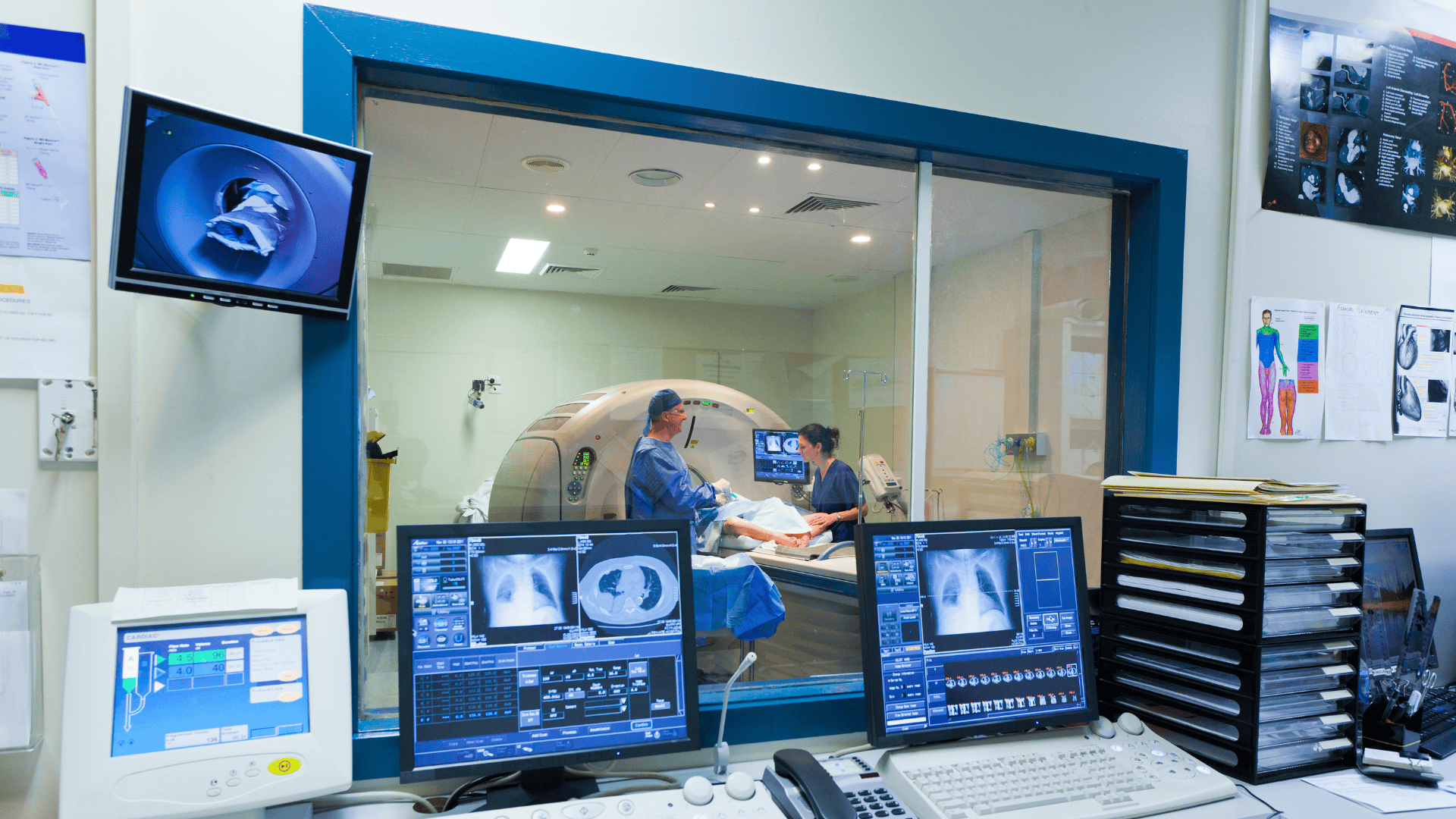
Scans give a complete picture of the tumour's size, exact location, and whether it has spread.
image

Common imaging tests include:

  • CT or MRI scans
    Create detailed 3D images that show the tumour's boundaries and highlight if it's affecting nerves or nearby structures.
  • PET scan
    Detects cancer activity throughout your body by highlighting areas where cells are dividing rapidly to help catch any spread to distant organs early.
  • Chest X-ray or CT
    Checks specifically your lungs since adenoid cystic carcinoma cancer often spreads there first.

Biopsy and lab analysis

If the imaging test raises concerns, the next step is a biopsy, in which a small tissue sample is taken. It helps to identify the cell pattern (cribriform, tubular, or solid) and checks for perineural invasion.

image

The lab may also test for specific genetic changes that could affect adenoid cystic carcinoma treatment options.

Staging and grading explained

Once the test results are out, adenoid cystic carcinoma staging helps determine how far the cancer has spread:

  • Stage I:
    Small tumour, no spread
  • Stage II:
    Larger tumour, still localised
  • Stage III:
    Spread to nearby lymph nodes
  • Stage IV:
    Spread to distant organs

Grading looks at cell appearance. Low-grade tumours (cribriform, tubular) grow more slowly, while high-grade tumours (solid) are more aggressive.

Treatment options for adenoid cystic carcinoma

Early intervention and the right combination of treatments can raise cancer survival rates.

1. Surgery

Surgery is the primary adenoid cystic carcinoma treatment, where the entire tumour with clear margins is removed.

Since this cancer can extend along nerves because of perineural spread, surgeons take a bit more tissue than the tumour size suggests. However, there is nothing to worry about, as it gives you the best chance of removing all the cancer in one go.

2. Radiation therapy

Even after surgery, microscopic cancer cells may linger along nerve pathways that imaging can't detect.

image

Radiation therapy targets these areas where hidden cells might remain and significantly reduces the adenoid cystic carcinoma recurrence risk.

3. Chemotherapy and targeted therapy

Chemotherapy doesn't work well for this cancer. The slow-growing nature of ACC makes it resistant to drugs designed to kill rapidly dividing cells. As such, doctors use targeted therapy to attack specific genetic changes found in tumour cells.

4. Advanced and emerging treatments

Research on ACC is ongoing. Some studies focus on how immunotherapy drugs can boost your immune system's ability to recognise and attack cancer cells. A few clinical trials are testing combinations of targeted drugs and other new approaches to block the pathways used to grow.

The path forward: Stay aware, Stay safe

The adenoid cystic carcinoma survival rate is around 80 to 85% at five years . However, these rates drop over 10 and 20 years because late recurrences occur. So, it's essential to pay attention to early signs such as persistent lumps, unexplained pain, or numbness.

Get it checked with your doctor promptly. It does not necessarily mean you've cancer, but it helps catch any problems early when treatment works best.

With ACC, a person's outlook depends on their stage, tumour, grade, and overall health. The good news is that treatment has come a long way, and specialised care helps to improve outcomes.

At Everhope

, you'll find complete care for your cancer journey. Our specialised oncologists don't just help with the best treatment plan but also offer emotional and nutritional guidance to go through these tough times with peace of mind. You get care that helps you live as normally as possible through treatment and beyond.

FAQs on adenoid cystic carcinoma

Yes, it is the most common site, and most cases start in major or minor salivary glands.

Yes, cancer cells travel along nerve pathways, which causes pain and makes complete removal challenging.

One can experience pain when the tumour presses on or invades nerves. However, early tumours are often painless, which delays diagnosis.

Early-stage carcinoma treated with surgery and radiation can lead to long-term remission. Advanced cases are harder to cure, but treatment can control the disease for years.


Related Blogs

View More