Nutrition5 min read
Spirulina Biotic Powder: Benefits, Nutrition Facts and Its Role in Cancer Nutrition
Dr. Vrundali Kannoth
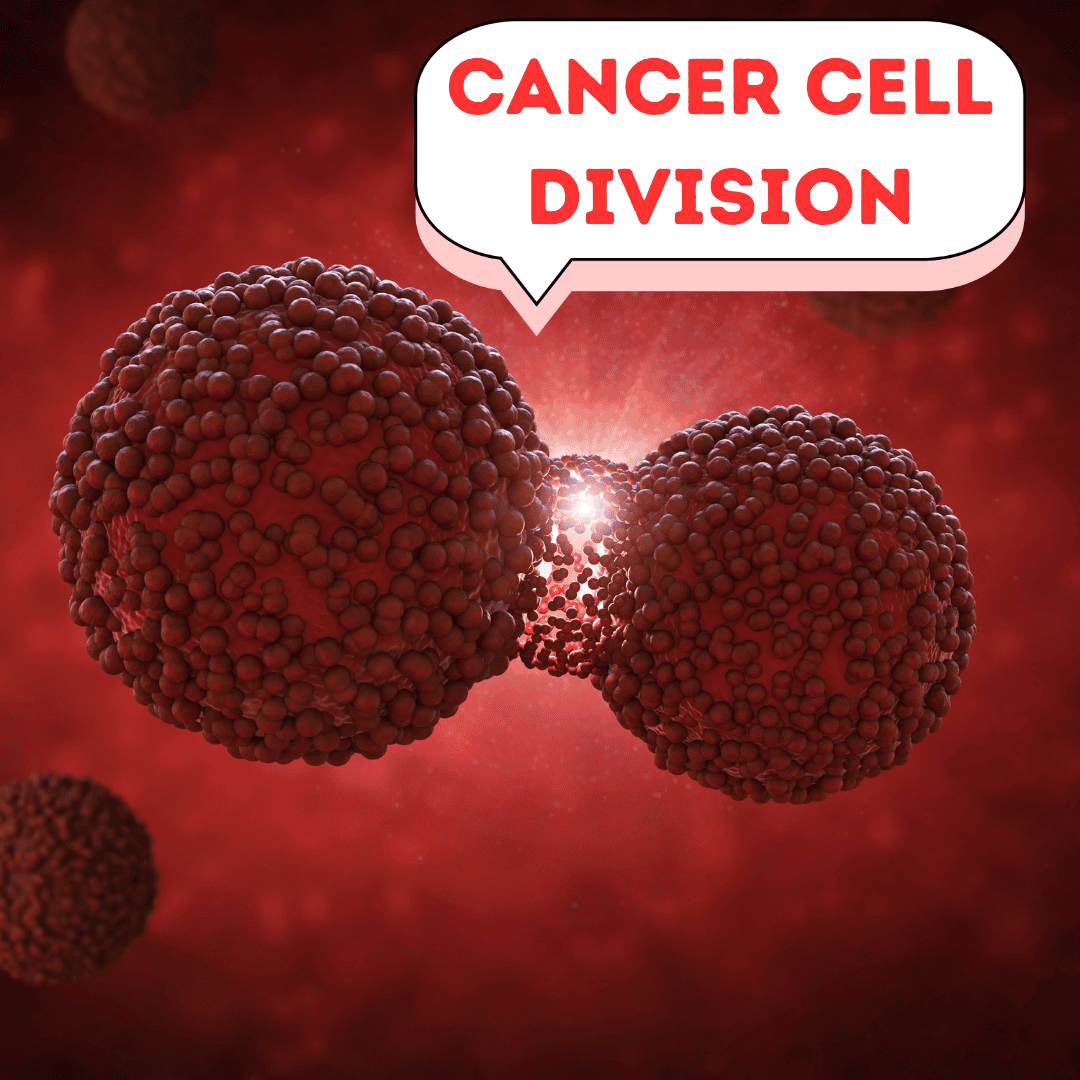
Your body runs a remarkable operation - millions of cells dividing, replacing, and renewing themselves every single day. It's how wounds heal, how you grow, and how your body keeps itself going.
Cell division, in that sense, is one of life's most essential processes. But occasionally, the instructions that govern this process get corrupted, and a single rogue cell begins to multiply in ways it shouldn't.
That's where cancer cell division begins, and that's where the story of cancer truly starts. In this blog, we'll walk you through how cell division and cancer are connected, what derails the process, and what modern medicine can do about it.
Every cell in your body knows when to divide and when to stop; it's a finely tuned process that keeps your tissues healthy and functioning.
What is cancer cell division? It's when that control breaks down.
Certain cells accumulate mutations in the DNA sequences that regulate growth, causing them to divide continuously without a pause. Unlike normal cells, they don't respond to the chemical signals that would ordinarily slow or halt division.
Over time, these cells accumulate, forming masses that invade surrounding tissue and disrupt the body's function. These masses can turn cancerous if left unchecked.
Every healthy cell passes through a series of tightly controlled stages, collectively called the cell cycle. Cancer disrupts this cycle at multiple points. Here's how the cancer cell division process unfolds:
The difference between normal cell and cancer cell division might seem like a subtle distinction, but the difference in behaviour is enormous.
Healthy cells follow a strict, step-by-step process - dividing only when needed and stopping when the job is done. Cancer cells follow no such rules.
Normal cell division, known as mitosis, is a remarkably orderly process:
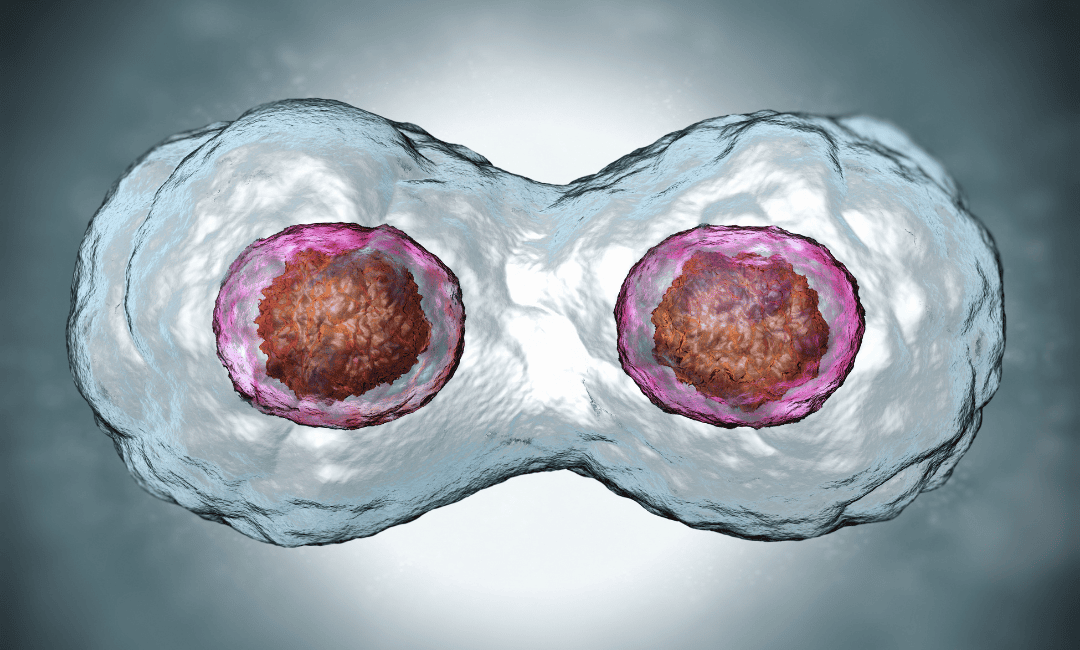
Cell division in cancer cells takes a very different path. Here's where things go wrong:
At its core, cancer is a disease of the cell cycle. All stages of cancer trace back to mutations that disrupt the normal rules of cell division. When the proteins responsible for regulating the cell cycle are altered, the entire system breaks down.
| What goes wrong | What it means |
|---|---|
| Regulatory protein malfunction | The cell cycle loses structure - cells divide without any proper signal to do so. |
| Proto-oncogenes become oncogenes | A stuck accelerator continuously drives cell growth, whether needed or not. |
| Tumour suppressor proteins are lost | The p53 safety net disappears, and DNA damage no longer halts division. |
| Errors accumulate over divisions | Each cycle introduces new mutations, pushing cells progressively toward malignancy. |
| DNA repair genes are mutated | Copying mistakes go unnoticed and unrepaired, accelerating cancer cell division. |
The type of cell division in cancer is actually a corruption of the same mechanism healthy cells use. Knowing about which type of cell division occurs in cancer cells helps clarify why it's so difficult to control.
Here's what makes normal cell division vs cancer cell division different in practice:
| Feature | Normal mitosis | Cancer cell mitosis |
|---|---|---|
| Division trigger | Chemical signals from the body | Mutations causing constant self-signalling |
| Checkpoint response | Pauses and repairs errors | Bypasses checkpoints entirely |
| Number of divisions | Limited and controlled | Unlimited |
| Chromosome accuracy | Carefully maintained | Frequently abnormal - extra or missing chromosomes |
| Apoptosis | Triggered when damage is detected | Switched off |
| Outcome | Two healthy, identical cells | Increasingly abnormal, dysfunctional cells |
It is worth noting that in rare cases, cancer cell division can exhibit asymmetric division - producing daughter cells with differing properties, some of which may be more aggressive or treatment-resistant than others. This variation is partly what makes certain cancers harder to treat as they progress.
Yes, this is where modern medicine has made remarkable strides.
Whether cancer cell division can be stopped depends on many factors, but well-established treatments do exist that directly target it.
Additionally, cancer screening test and cancer diagnostics help catch abnormal cell division early.
Here's how the main treatment approaches tackle the problem:
The distinction between benign and malignant tumours also shapes treatment decisions significantly. Benign tumours rarely require aggressive intervention, whereas malignant ones often demand a combination of the above approaches, tailored carefully to the individual.
Normal cells divide in a controlled fashion - they grow, they stop, and they follow the body's instructions. Cancer cells don't. They divide without pause, ignore every signal to stop, and accumulate into masses that affect the body's normal functioning.
That's the fundamental difference.

However, when caught early, cancer cell division can be interrupted, managed, and in many cases, stopped altogether through treatments like chemotherapy, targeted therapy, and immunotherapy.
If you have concerns or simply want a professional opinion, consult an oncology doctor today. Early answers make all the difference.
Yes, every cancer involves abnormal cell division at its core. The cancer cell division rate varies between cancer types, which is why some grow faster than others.
Through chemical signals, cell cycle checkpoints, and apoptosis. The body ensures cells only divide when needed and self-destruct when damaged.
Yes, unrepaired DNA damage leaves mutations that disrupt the genes regulating cell division, setting the stage for uncontrolled growth.