Symptoms5 min read
Folic Acid Supplement: Importance, Benefits and Deficiency Symptoms
Dr. Vrundali Kannoth

Hearing about a tumour, whether it's for you or someone close to you, immediately puts you in an alarming and anxious situation. But not all tumours are the same.
Some grow silently, stay in one place, and never spread. These are called benign tumours and often don't even require treatment. Others behave quite differently, developing aggressively and causing harm. These are called malignant tumours.
So, it's important to know the difference between benign and malignant tumours. Once you know that, the next steps can feel a lot less overwhelming, and you can navigate your health journey with confidence.
Let's explore how they are different, plus any similarities benign and malignant tumours share.
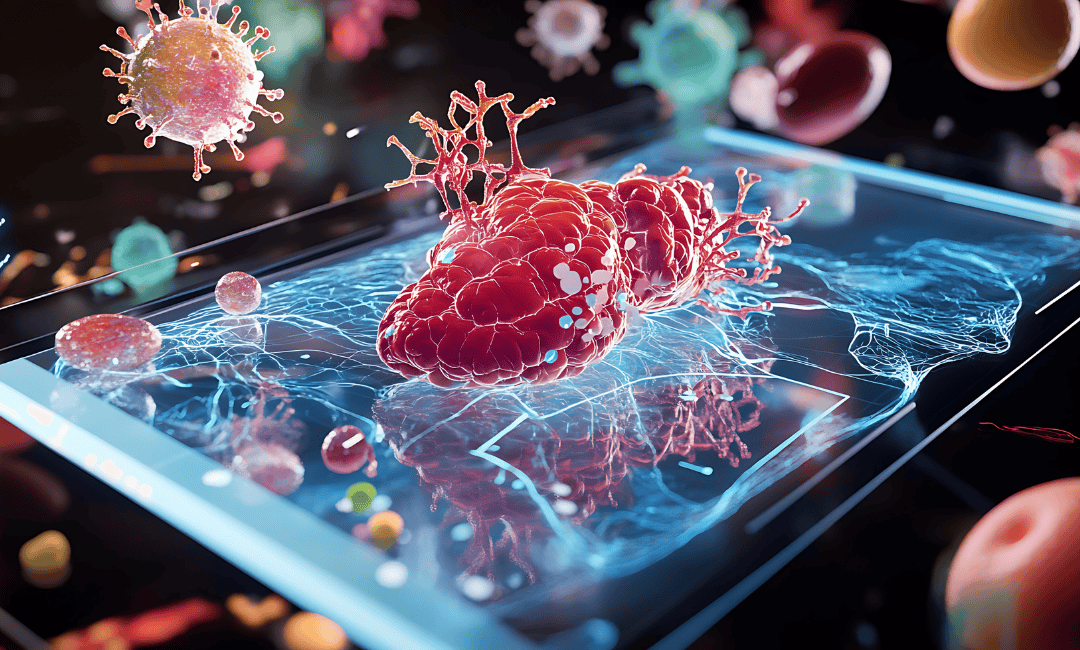
A tumour is simply a mass of cells that grow abnormally in the body. There are two types of tumours benign and malignant, that behave differently and carry different cancer risk factors.
A benign tumour is a non-cancerous lump or mass that forms when cells multiply more than they should. It has a clear boundary, doesn't invade nearby tissue, and doesn't travel to other organs. Some common types of benign tumours include:
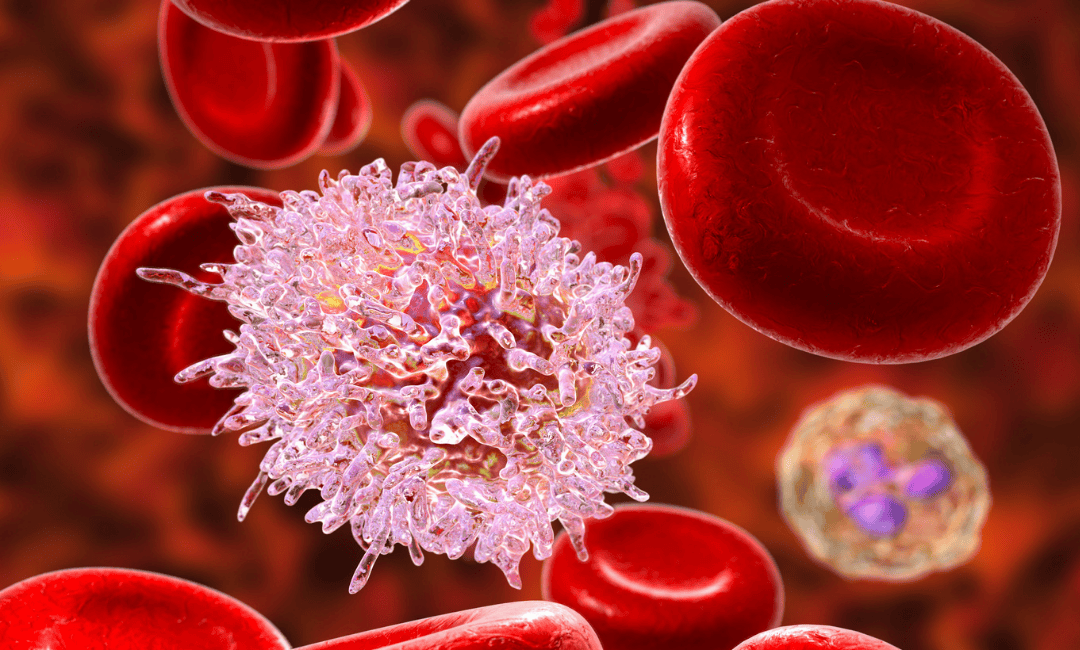
A malignant tumour is cancerous that grows into surrounding tissue and, in some cases, spreads to other parts of the body through the blood or lymph system. This process is called metastasis.
But with advances in cancer diagnostics and treatment, many malignant tumours are highly treatable, especially when found in the earlier stages.
There are several types of cancer based on where the malignant cells originate:
When doctors compare benign and malignant tumours, they look at a few important aspects such as their growth rate, recurrence, impact, and more.
Let's take a look at these key characteristics of benign and malignant tumours:
Benign tumours usually grow slowly, sometimes over months or even years. They expand evenly and stay well-shaped. Malignant tumours, on the other hand, tend to grow faster and in irregular patterns. Their edges are often uneven, which makes them harder to separate from healthy tissue around them.
One of the biggest differences between benign and malignant tumours is that the former do not metastasise, but the latter does. Malignant tumours can spread. In later stages of cancer, they travel from the original site to nearby lymph nodes or distant organs like the lungs, liver, or bones.
That's why understanding the difference between benign and malignant tumours early on helps doctors plan the right course of action and prevent this growth.
A benign tumour grows by pushing against nearby tissue, but it doesn't break into it. It has a clear outer wall that holds it in place.
A malignant tumour doesn't stay within those limits. It can invade and damage the tissue around it, making it difficult to remove it and requiring a wider surgical margin.
Once a benign tumour is fully removed, it rarely comes back. In some cases, a small one may not even need to be taken out and require regular monitoring.
Malignant tumours carry a higher chance of recurrence, even after cancer treatment. But there's nothing to worry about as your care team plans follow-up visits, scans, and additional therapy as part of your long-term plan to prevent or manage the recurrence.
Most benign tumours don't affect overall health unless they grow large enough to press on other parts, while malignant tumours have a more direct impact on the body.
They can drain energy, weaken immunity, and affect organ function. But outcomes depend heavily on the type, stage, and how early the tumour was caught. Many patients with early-stage malignant tumours go on to live full, healthy lives with the right care.
Tumours don't always show up clearly. Some stay in your body quietly without causing any noise, others might appear early on based on their size, location, and whether they're benign or malignant.
Because benign tumours grow slowly and stay localised, they go unnoticed for a long time. When symptoms do appear, they're usually tied to the tumour pressing on something nearby.

Some common signs include:
In many cases, benign tumours are found by chance during a routine scan or check-up, not because of a specific issue.
Malignant tumours tend to cause symptoms that are harder to ignore, but only as they grow or spread. The signs depend on where the cancer starts, but some are common across many benign vs malignant tumour situations:

If you or a loved one notices any of these signs, don't wait it out. Early evaluation by oncology doctors can make a major difference in outcomes. These symptoms don't always mean cancer, but they do mean it's worth checking.
So, how to know if tumour is benign or malignant? The symptoms alone won't give you an answer. Proper diagnosis is the only way to find out whether the growth is a benign or malignant tumour.

Based on your symptoms, your doctor usually recommends some tests. They start with blood tests and imaging like ultrasound, CT scan, MRI, or PET scan, depending on your tumour location and size.
But they use biopsy mainly to confirm the presence of cancer. It's the most reliable way to decide the difference between tumour and cancer.
Not all benign tumours need treatment. If the tumour is small, not growing, and not causing harm, doctors may simply recommend regular check-ins through follow-up scans.
When treatment is needed, surgery is the most common approach. Because benign tumours have clear boundaries, surgery is usually simple with a strong success rate.
On the other hand, malignant tumours need a more comprehensive treatment plan, often combining multiple approaches depending on the type and stage. These include:
Your care team will build a plan based on the tumour type, its stage, and your overall health. Every case is different, and treatment is personalised in nature, ensuring that you don't have to put a stop to your life and can live normally.

While tumours are of different kinds, there are also similarities between benign and malignant tumours. Both develop because of abnormal cell growth and can form visible or detectable masses in the body. Also, benign and malignant tumours need imaging and biopsy to confirm whether they are cancerous or not.
In addition, they have some similar symptoms, such as both can cause a lump or swelling, pain or discomfort, and unusual bleeding.
However, you can never be sure of benign and malignant tumours until you get them properly evaluated.
In all cases, the healthcare provider first determines whether you've a benign or malignant tumour. If you know the difference, you can ask the right questions for yourself or your loved ones.
No matter the kind of tumour you've, don't get too worried. With timely evaluation, right medical treatment, and proper support, benign and malignant tumours can be managed effectively.
The only thing you need to do is when you notice anything unusual in your or your loved one's health, don't ignore it. Seek medical attention promptly because early detection can change everything.
At Everhope, you will find specialists to help find the clarity you deserve. We're with you every step of the way, from diagnosis to treatment, offering dedicated and prompt support to make your journey less scary and more peaceful.