

Nutrition5 min read
Spirulina Biotic Powder: Benefits, Nutrition Facts and Its Role in Cancer Nutrition
Dr. Vrundali Kannoth
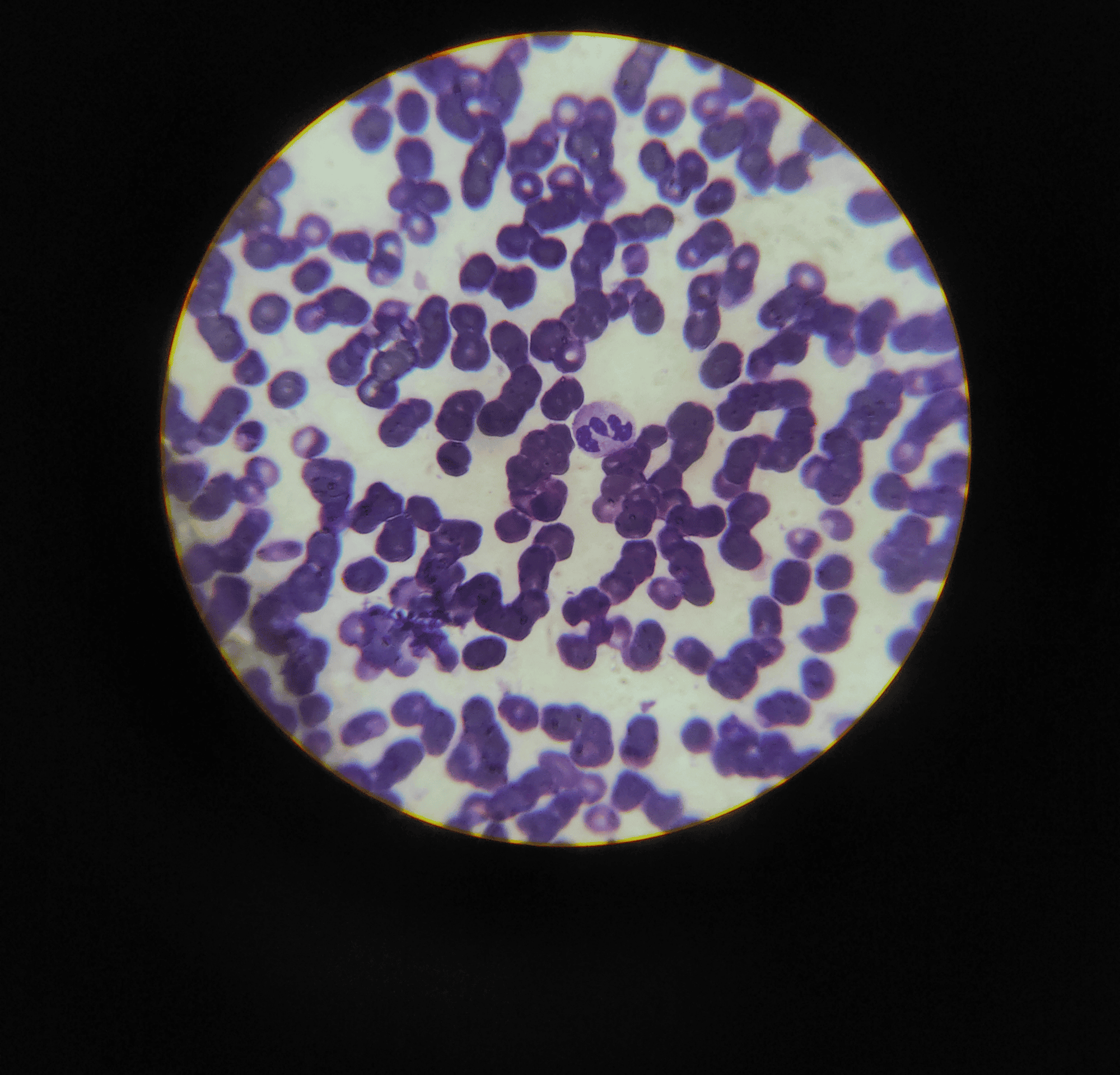
Health tests can sometimes sound intimidating, particularly when they are connected to serious illnesses. It is common for patients and families to feel uneasy while waiting for answers.
Understanding how a test works and what it looks for can help make the process feel more manageable.
In cytology anatomy of cells is examined to detect early changes linked to disease. These observations can help identify abnormalities that may need further evaluation.
Let’s take a closer look at how the test is carried out and what its results may indicate during diagnosis.
You might be curious about cytology meaning, it is the study of cells and how they change in response to disease. In simple terms, it involves examining individual cells to understand whether they are healthy or showing signs of abnormal activity.
Because many diseases begin with small cellular changes, studying cells can provide important early clues about a person’s health.
Specialists analyse cells collected from body fluids, tissues, or surfaces of organs. During this process, the structure of each cell is carefully observed, including its shape, size, and internal components.
These details help identify patterns that may point to infection, inflammation, or cancer. Unlike tests that examine larger pieces of tissue, cytology focuses on individual cells.
This makes it a useful method for early evaluation in many medical situations. A basic cytology examination usually looks for:
Remember that not every abnormal cell indicates cancer. Often, the findings simply guide further evaluation.
Oncologists may recommend the test when cells need to be examined more closely for signs of disease. It may be used to help:
Cytology screening is also used in certain situations to identify abnormal cells before symptoms become severe. In some situations, questions such as can CT detect cancer may also come up, as imaging tests are sometimes used alongside cytology to provide a clearer overall picture.
The test procedure focuses on carefully collecting cells and examining them in a laboratory. The following steps are taken:
The first stage of the cytology procedure involves collecting a small number of cells from the area being investigated. Different cytological techniques may be used depending on the location of the symptoms or abnormal findings.
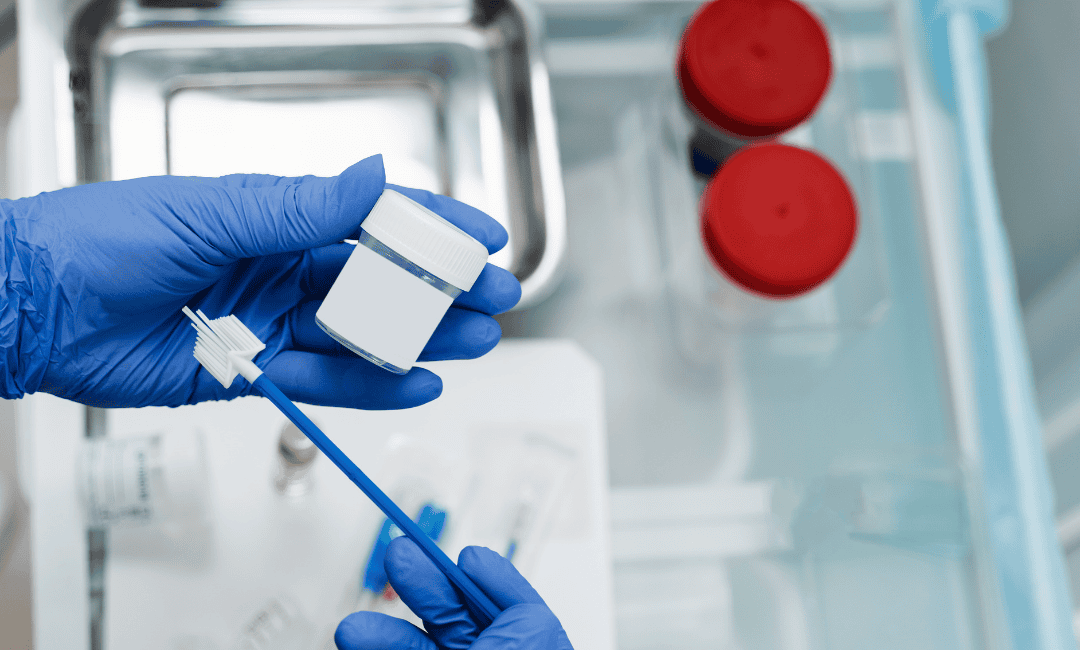
Common methods include:
These approaches allow specialists to obtain cells without requiring major procedures.
Once collected, the samples are prepared and examined in a laboratory.
This detailed examination helps identify abnormal cell patterns. It is sometimes informally referred to as a cytology scan, although it involves analysing cells rather than imaging the body.
Cytology is widely used as an initial tool for evaluating abnormal cells, but its accuracy can vary depending on the type of test and the area being examined.
In many clinical studies, fine-needle aspiration cytology has shown high diagnostic reliability. For example, one study reported 97.4% sensitivity and an overall diagnostic accuracy of about 94.8% when identifying malignant lesions.
Other research also shows strong performance in detecting abnormalities in certain conditions, with diagnostic accuracy around 95% for many head and neck lesions.
Several factors influence how reliable the results are:
Because the test focuses only on cells, oncologists may sometimes recommend follow-up investigations if results are unclear. These may include further laboratory evaluation, a cancer screening test, or imaging tests when questions arise about whether cancer can be detected in CT scan findings.
Cytology is commonly used during cancer evaluation because it provides useful information with minimal disruption to the patient.
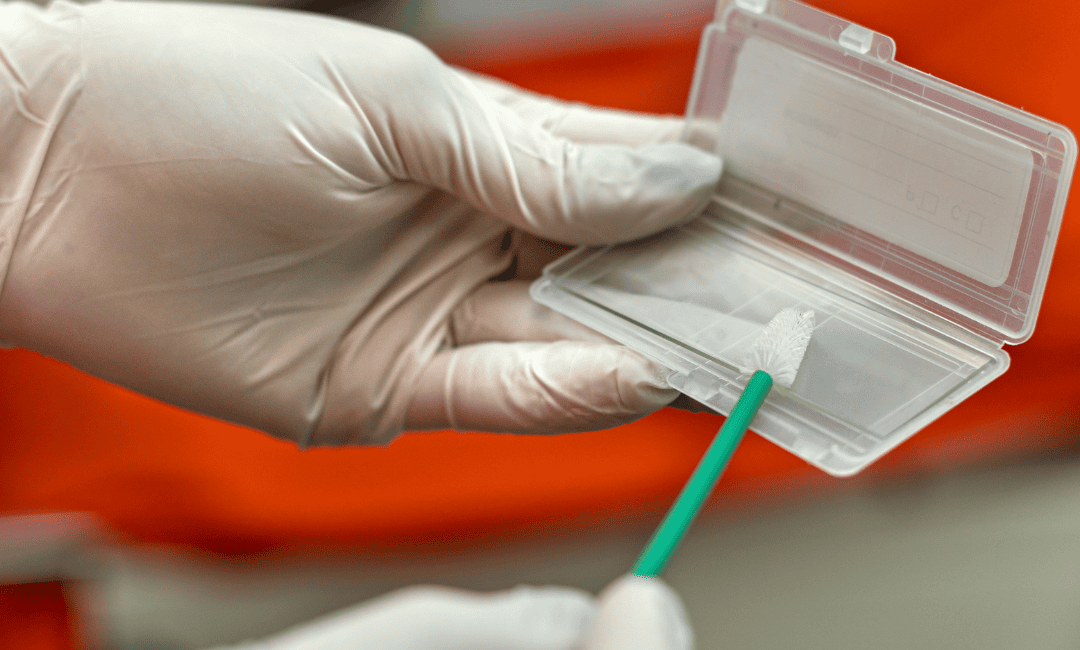
The test usually requires only a small sample of cells. In many cases, the sample can be collected using gentle scraping, brushing, or a thin needle rather than a surgical procedure.
Because the test focuses on individual cells, laboratory analysis can often be completed quickly. This allows oncologists to review findings and decide on the next steps sooner.
It is generally less expensive than many surgical diagnostic procedures, making it a practical option during early evaluation.
Studying cellular changes may help identify abnormalities at an early stage, which guide timely treatment decisions.
In many situations, it can be done without hospital admission. If further confirmation is needed, oncologists may recommend additional testing, such as a biopsy test for cancer.
After laboratory examination, the findings are recorded in a cytology pathology report. The results describe how the cells appear under a microscope and whether any unusual changes are present.
Oncologists consider the patient’s symptoms, medical history, and other tests before concluding.
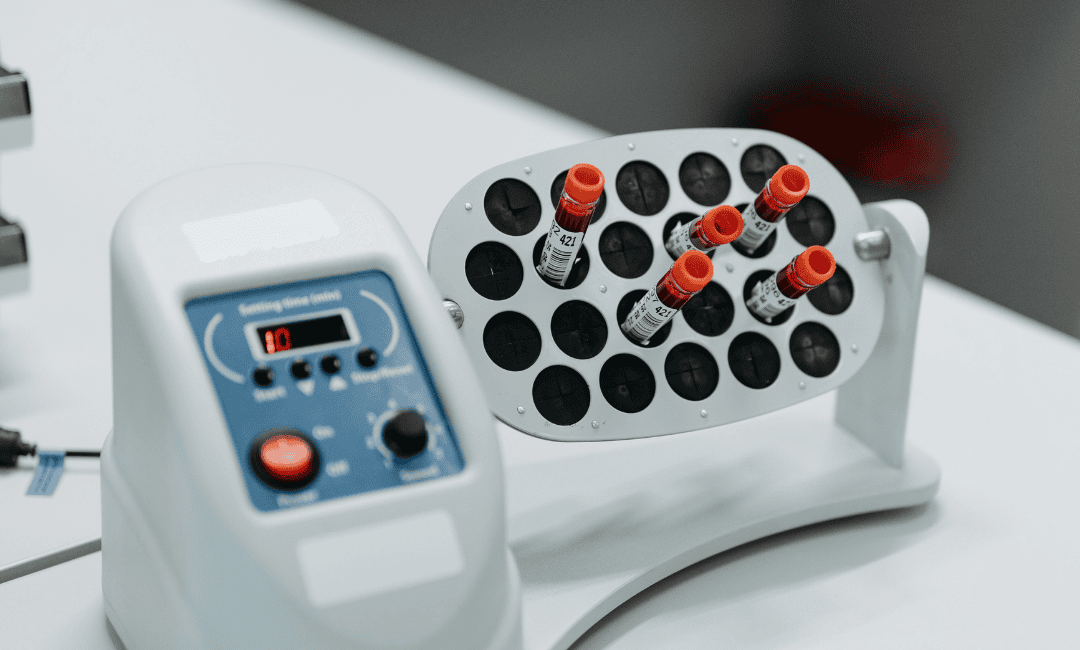
When results fall within the normal range, the cells fall within the expected, typical range and show no abnormal structural changes. This means the sample did not reveal suspicious findings.
In many cases, this suggests there are no immediate concerns, although further evaluation may still be advised if symptoms or other signs of cancer need attention.
A positive result means that abnormal or potentially cancerous cells were detected in the sample. This finding does not always confirm cancer, but it signals that the cells need closer examination.
Oncologists may recommend additional tests to understand the condition better and determine possible stages of cancer if required.
A negative result means no malignant cells were identified in the examined sample. This can be reassuring, but it does not always rule out every condition. In some situations, monitoring or further evaluation may still be suggested to guide appropriate cancer treatment if needed.
Common situations where testing may be advised include:
In some cases, cytology findings may guide decisions about further imaging, such as a PET scan cancer evaluation, to better understand how far a condition may have progressed.
Different types of cytology may be used depending on the body area being examined. This classification of cytology helps oncologists choose the most appropriate method from the broader list of cytology tests.
Several factors may influence the final cost, including the hospital or cytology diagnostic centre chosen, laboratory facilities, and regional pricing differences between cities. In general, these tests are considered relatively affordable compared with more invasive diagnostic procedures.
Typical price ranges for different branches of cytology include:
Some hospitals may also include consultation or additional laboratory analysis within the overall testing cost.
Understanding cell cytology can help make cancer diagnostics feel less uncertain. A cytology test allows oncologists to examine cells closely and identify early changes that may signal infection, inflammation, or cancer.
While the test alone does not always provide a complete diagnosis, it often plays an important role in early detection and helps guide further testing and treatment decisions.
If your results need further evaluation or you are seeking cancer treatment guidance, speaking with a specialist is the next step. Book a consultation with oncology doctors and take the first step toward clarity and care.
In most cases, fasting is not required before a test. However, preparation can vary depending on the type of sample being collected, so the oncology team may provide specific instructions if needed.
Yes, tests are generally considered safe and minimally invasive. They usually involve collecting a small number of cells, which means complications are uncommon and recovery time is minimal.
No, these are two completely different diagnostic methods. The former examines individual cells, while a biopsy test for cancer studies a larger piece of tissue to provide more detailed information about the condition.