Waiting for a cancer-related test can quietly mess with your head. Even before the appointment, your mind jumps to worst-case thoughts.
If your doctor has suggested an FNAC test, take a breath. This test is often advised to understand a lump or swelling early, without surgery or long procedures. The process itself is quick, minimally invasive, and done to gather helpful information.
To ease your concerns
this blog covers what the test entails, how it is conducted, its accuracy, and what you should know about cost and safety before undergoing it.
What is FNAC test?
The full form of FNAC test is Fine Needle Aspiration Cytology, a simple diagnostic test used to examine lumps or swellings in the body. It is also sometimes referred to as a type of needle biopsy, as it uses a fine needle to collect cells for examination.
This test is suggested when something feels unusual and needs clarity, without jumping straight to surgery or major procedures. The process is quick, usually done in a clinic, and most people describe it as mildly uncomfortable at worst.
It also helps doctors determine whether a lump is harmless or requires further testing and whether additional tests or cancer treatment planning may be necessary.
Purpose of FNACTest
The purpose of an FNAC is mainly to answer a very specific question early on: Does this lump need attention now, or can it be safely observed?
Doctors employ this test to:
•Differentiate between harmless and concerning lumps
•Narrow down possible causes before ordering advanced scans or biopsies
•Avoid unnecessary surgery when results are reassuring
•Choose the right direction for treatment, follow-up, or monitoring
In many cases, it also acts as a focused cancer screening test before more invasive investigations are considered. By providing early insight, the needle aspiration test facilitates timely decision-making and helps determine the most appropriate next step in care.
How the test is done
Knowing the FNAC test procedure in advance can make the experience feel far less intimidating. You walk in feeling prepared rather than anxious, which often helps calm nerves before the test.
Below is a simple, step-by-step breakdown of the process:
•Before the test
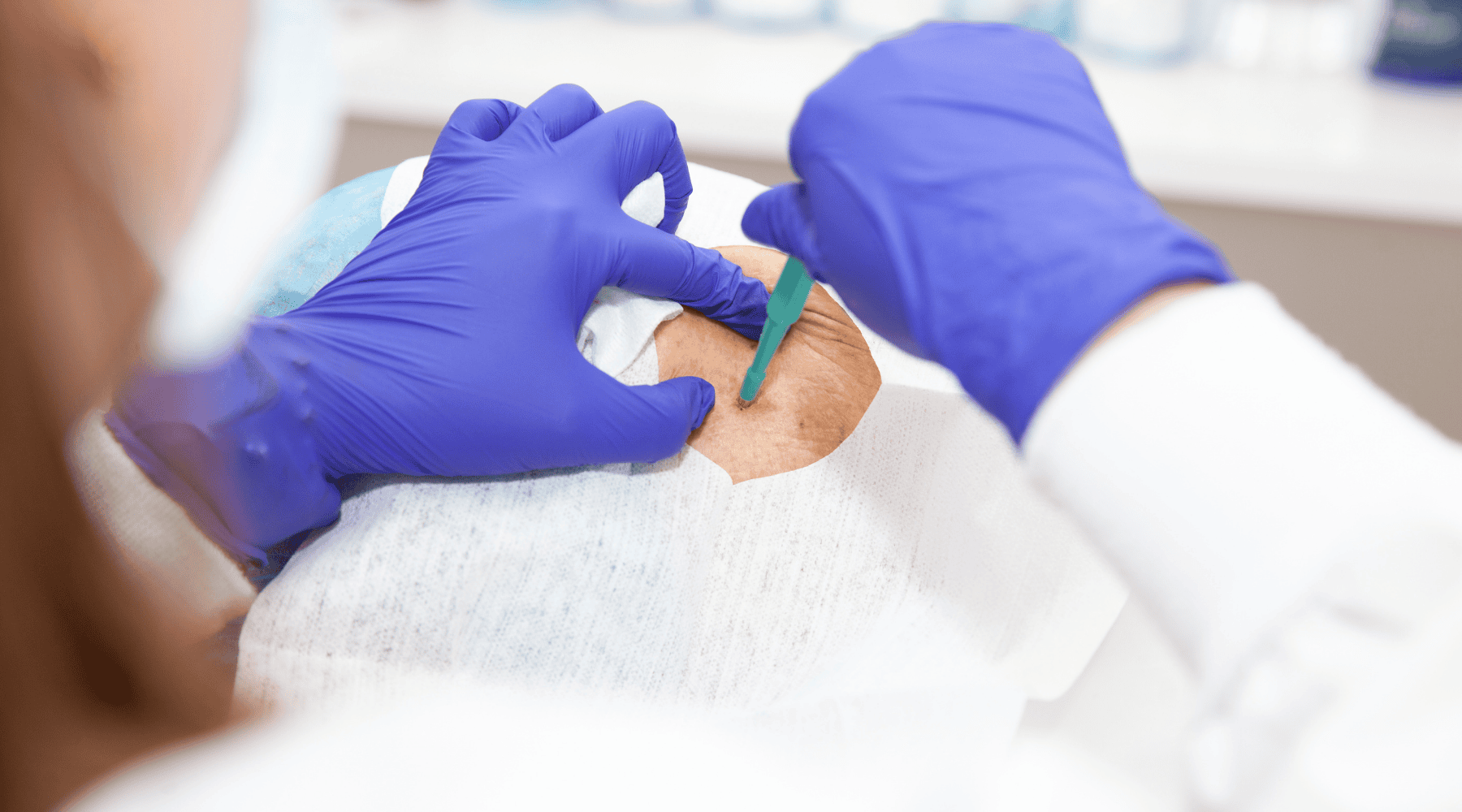
The doctor first examines the lump and identifies the exact area for sampling. The skin is then cleaned properly to ensure safety and accuracy during the FNAC test.
•During the test
A thin needle is gently inserted into the lump to collect a small number of cells. Patients often ask, “is FNAC test painful?” but most experience only mild pressure or brief discomfort.
•After the test
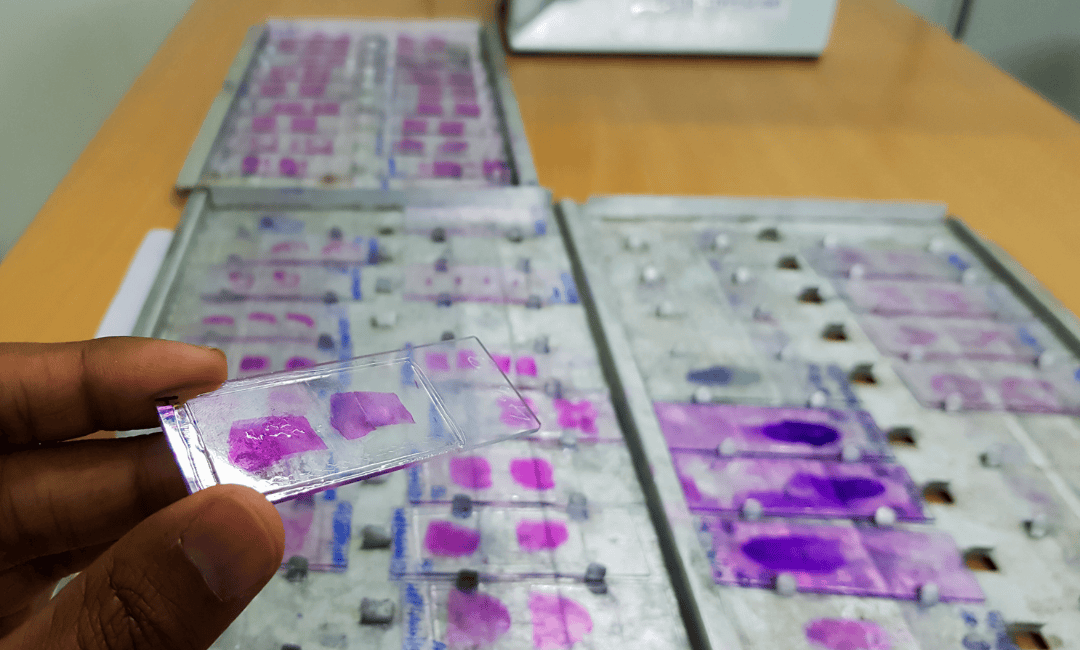
The collected sample is sent to the lab to understand what FNAC test means for the diagnosis. The entire procedure typically takes only a few minutes and requires no recovery time.
How accurate is the FNAC test?
Accuracy is often the biggest concern when an FNAC is suggested. The FNAC medical test is considered a reliable first-line tool because it provides meaningful results without invasive surgery.
Clinical studies show accuracy ranging from 85–95% , depending on the organ tested, sample quality, and lab expertise, especially when processed as an FNAC lab test.
Many patients also ask, “Is FNAC test safe?” - don't worry! It is widely regarded as low-risk. While FNAC may not always replace a biopsy, it often provides enough clarity to guide next steps responsibly.
Understanding FNAC test results
Once the test is done, the next concern is usually the FNAC test result time and how to read the report. Understanding what the FNAC test shows helps you interpret the findings without jumping to conclusions.
Below are the results you’ll see in your report and what they mean:
What “ FNACtestresultsnormalrange ” means
In FNAC, there is no numerical “normal range” like a blood test.
A normal result means the cells collected look healthy, organised, and typical for that tissue. Pathologists describe this as benign, non-neoplastic, or no evidence of malignancy, which is reassuring.
What “positive” means
A positive result indicates that abnormal or suspicious cells were detected. This does not automatically mean cancer, but it tells doctors that the area needs closer evaluation or confirmation with further tests.
What “negative” means
A negative FNAC result means no abnormal or cancer-related cell changes were detected. In most cases, this allows doctors to monitor the lump instead of rushing into invasive procedures.
The test results are usually available within a few days, depending on the lab.
•A previously known lump changes in size or texture
•Imaging suggests the need for cell-level evaluation
In these situations, FNAC helps guide the next step without unnecessary procedures.
FNAC test price and cost in India
If you're searching for an FNAC test near me, one of the first questions is usually about cost and safety.
•On average, the FNAC test cost in India ranges from around ₹300 to ₹5,000 in many labs and diagnostic centres across cities
•In smaller cities or basic clinics, prices may start closer to the lower end, while in bigger metros or private centres, it can be mid-range
•If a guided FNAC (with ultrasound/CT assistance) is needed, costs are usually higher due to imaging support
Most patients tolerate this procedure well, and FNAC test side effects are rare and minor, such as slight bruising or mild soreness at the needle site.
Always check with the lab or hospital directly for precise quotes near you.
Benefits of FNACtest for cancer diagnosis
When cancer is a concern, oncologists want answers that are clear but not aggressive. FNAC plays a crucial role in cancer diagnostics because it enables the direct examination of cells from a lump, rather than relying solely on imaging findings.
This is often the quickest way to determine whether a situation requires urgent attention or can be monitored.
Key benefits include:
•Detects abnormal or suspicious cells at an early stage
•Helps distinguish between benign and malignant growths
•Reduces the need for surgical biopsies in many cases
•Minimises physical stress while providing diagnostic clarity
For many patients, FNAC offers reassurance early on and provides oncology doctors with a clearer path for making careful, informed decisions.
FNAC test: A simple step toward clear answers
Facing uncertainty around your health can be emotionally exhausting. Questions pile up quickly, and waiting for clarity often feels harder than the test itself.
What helps most is understanding that early evaluation is meant to protect you, not alarm you. Tests like FNAC are often used to decide whether a full biopsy test for cancer is necessary, helping rule things out, narrow possibilities, and focus only on what truly needs attention.
Many findings turn out to be manageable or harmless, and even when they are not, catching them early makes a real difference.
If results feel confusing or overwhelming, speaking directly with specialists can bring clarity and calm. Reaching out to a trusted oncology centre ensures your concerns are reviewed with experience, care, and perspective.
FAQs
Most people experience only mild pressure or a brief pinch, rather than real pain.
Minor soreness or slight bruising may occur, but it usually settles quickly.
The entire process is typically completed within a few minutes.