

Symptoms5 min read
Folic Acid Supplement: Importance, Benefits and Deficiency Symptoms
Dr. Vrundali Kannoth

Many people leave a doctor's appointment with the word dysplasia on their mind and very little explanation to go with it.
Looking it up on the internet only adds to the worry. Words like "precancerous" and "abnormal cells" can make it sound far more frightening than it often is.
Dysplasia means that certain cells in your body have changed their size, shape, or structure.
It is not cancer, but in some cases, it can develop into cancer over time if left unmonitored. However, when dysplastic cells are caught early, doctors have effective ways to track and treat them.
Understanding your diagnosis is the first step toward managing it confidently. This guide breaks down exactly what the condition is, why it happens, and what your options are.
To understand the condition, it helps to start with how healthy tissue normally behaves. Cells grow, divide, and mature in an organised pattern - each type performing a specific role, with damaged cells being repaired or replaced as needed.
In dysplastic conditions, this orderly process breaks down. Cells begin developing abnormally, appearing irregular in shape or arranging themselves in disorganised layers. This is what doctors mean by cellular dysplasia, and it can affect tissues in the cervix, stomach lining, skin, or bone.
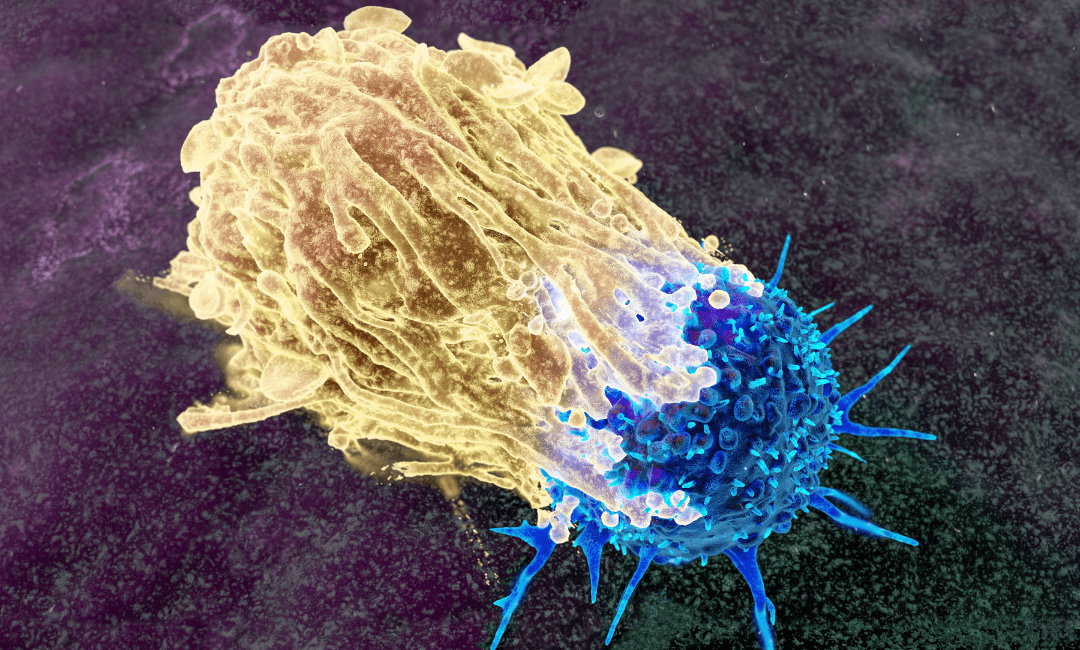
The dysplasia meaning in medical terms, refers to these structural changes within cells. It is classified as precancerous because the cells haven't turned cancerous yet, but carry features that could progress toward malignancy if left unmonitored.
The relationship between dysplasia and cancer is real, but not inevitable. Many cases remain stable, and some reverse entirely once the underlying cause is treated.
Dysplastic cells are abnormal, but they have not yet invaded surrounding tissue. That’s what separates them from true cancer cells.
However, if these changes continue unchecked, dysplastic cells can gradually evolve into cancer cells, making early detection critical.
Factors that trigger it:
However, doctors can identify early cancer symptoms and signs of cancer before they become harder to treat.
Across all types of cancer, early intervention consistently leads to better outcomes, and the same holds when dysplastic cells are caught and managed at the right time.
There are several types, each defined by the tissue or organ it affects.
Among the most recognised dysplasia examples, cervical dysplastic cells are abnormal cell changes in the lining of the cervix.

It is strongly associated with persistent HPV infection, cervical cancer and is often preceded by squamous metaplasia - a transitional cell change that can sometimes progress toward dysplastic growth.
When caught early, it is highly manageable.
This type affects the stomach lining and often develops as a result of long-term inflammation, H. pylori infection, or repeated irritation.
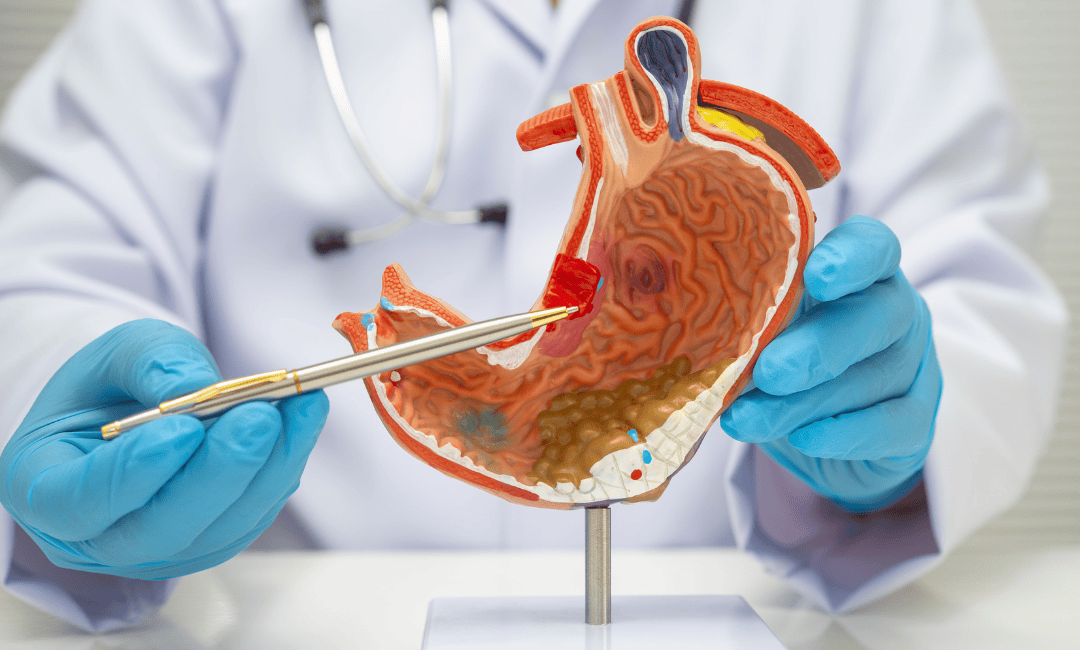
It is considered a significant risk factor for stomach cancer, which is why regular endoscopic monitoring is recommended for affected patients.
It is a bone condition where healthy bone tissue is gradually replaced by fibrous, scar-like tissue.
This weakens the bone structure and can lead to pain, deformity, or an increased risk of fractures - particularly in the legs, skull, or ribs.
This form develops in the tissues that line organs and body surfaces, including the skin, oral cavity, and respiratory tract.
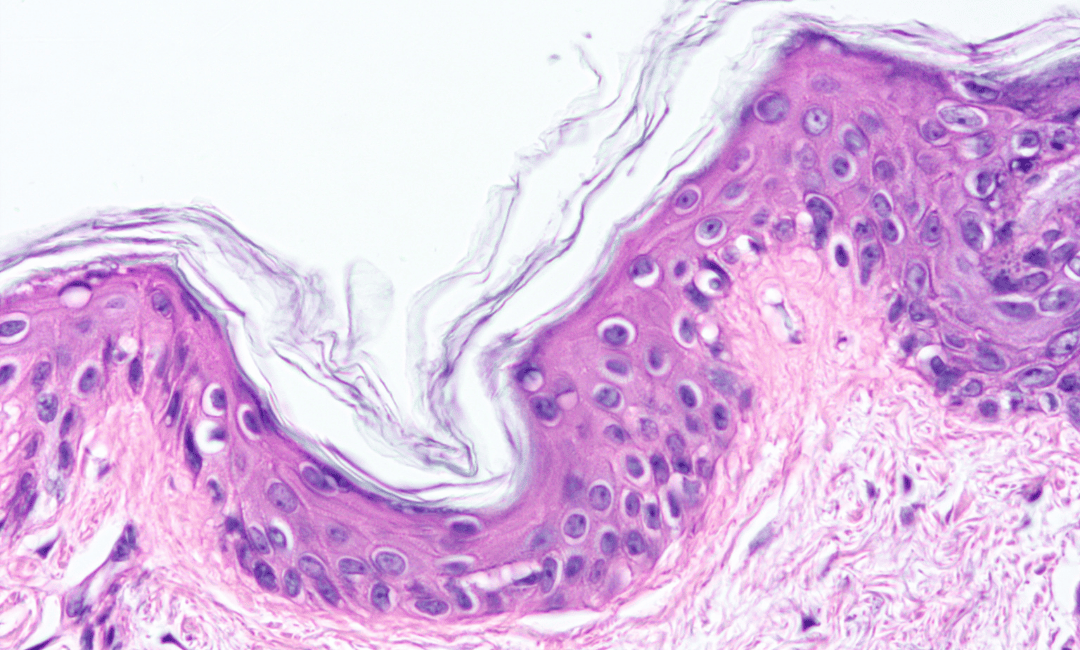
Oral epithelial dysplasia, for instance, can appear as white or red patches inside the mouth and warrants close follow-up.
Doctors also rely on the classification of dysplasia to guide clinical decisions. They grade abnormal cells from mild to severe based on how far the changes have spread through the tissue.
Changes that appear suddenly may be described as acute dysplasia, while persistent, long-standing abnormalities are referred to as chronic dysplasia.
Dysplasia doesn't always make itself known, which is precisely what makes routine screening so important.
Here's what to look out for, and what typically drives these cellular changes in the first place.
When symptoms appear, they vary depending on which organ or tissue is affected:
Doctors evaluate these signs of dysplasia alongside test results and patient history. In many cases, dysplasia signs and symptoms only become apparent during routine examinations, reinforcing why regular check-ups matter.
The causes of dysplasia generally trace back to damage in cellular DNA, disrupting the normal cycle of cell growth, repair, and replacement. This dysplasia disease process can be triggered by a range of factors, including:
Once abnormal cells are identified, doctors assess the grades based on how irregular the cells appear microscopically. Understanding the stages of dysplasia then helps determine the most appropriate next step, whether that's monitoring, treatment, or surgical intervention.
Detecting dysplastic cells typically involves a combination of screening tools, tissue analysis, and imaging - depending on the organ involved.
These fall under the broader umbrella of cancer diagnostics, aimed at confirming whether abnormal cells represent precancerous dysplasia or another condition entirely.
| Test | What it involves | When it’s used |
|---|---|---|
| Pap smear | Collects cervical cells for examination | Routine cervical screening |
| Biopsy | Removes a small tissue sample for lab analysis | Primary method for dysplastic diagnosis |
| Endoscopy | Uses a camera to examine the stomach or oesophagus lining | Suspected gastric or oesophageal dysplastic cells |
| Colposcopy | Magnified examination of the cervix | Following an abnormal Pap smear result |
| Imaging scans | CT or MRI to visualise affected tissues | Deeper organ involvement |
| Blood tests | Checks for infection markers or genetic indicators | Supporting overall diagnosis |
A biopsy remains the most definitive tool. Once tissue is examined under a microscope, pathologists can grade the severity and guide the next steps in care.
The right dysplasia treatment depends on where the abnormal cells are located, how severe the changes are, and what's driving them.
In advanced cases, dysplastic procedures may form part of a broader cancer treatment plan - particularly where malignancy is a concern.
Most people who receive a dysplasia diagnosis do just fine - because they caught it early and acted on it. It describes abnormal cell changes that, in many cases, never progress to cancer. The grades of dysplasia identified during testing help doctors decide whether monitoring or treatment is needed.
Regular screening and timely follow-ups are what keep a concerning finding from becoming a serious one. The earlier it's caught, the simpler it is to manage.
If your results have shown abnormal cell changes, speaking with a specialist is the most important next step.
Book a consultation with oncology doctors today, and take the first step toward clarity and care.
No, it indicates abnormal cell changes, but does not necessarily mean cancer is present. However, some cases may progress to cancer if the abnormal cells continue to grow or spread.
High-grade dysplasia refers to more severe abnormalities in cell structure. These cells appear very different from normal tissue and carry a higher risk of progressing toward cancer if not treated.
In most cases, it does not cause pain. Many people only discover the condition during routine screening tests. When symptoms do occur, they usually depend on the organ affected.
No, dysplastic cells refer to abnormal cells that show early precancerous changes. They are not true cancer cells and typically do not invade surrounding tissue or spread like cancer.