
Nutrition5 min read
Spirulina Biotic Powder: Benefits, Nutrition Facts and Its Role in Cancer Nutrition
Dr. Vrundali Kannoth
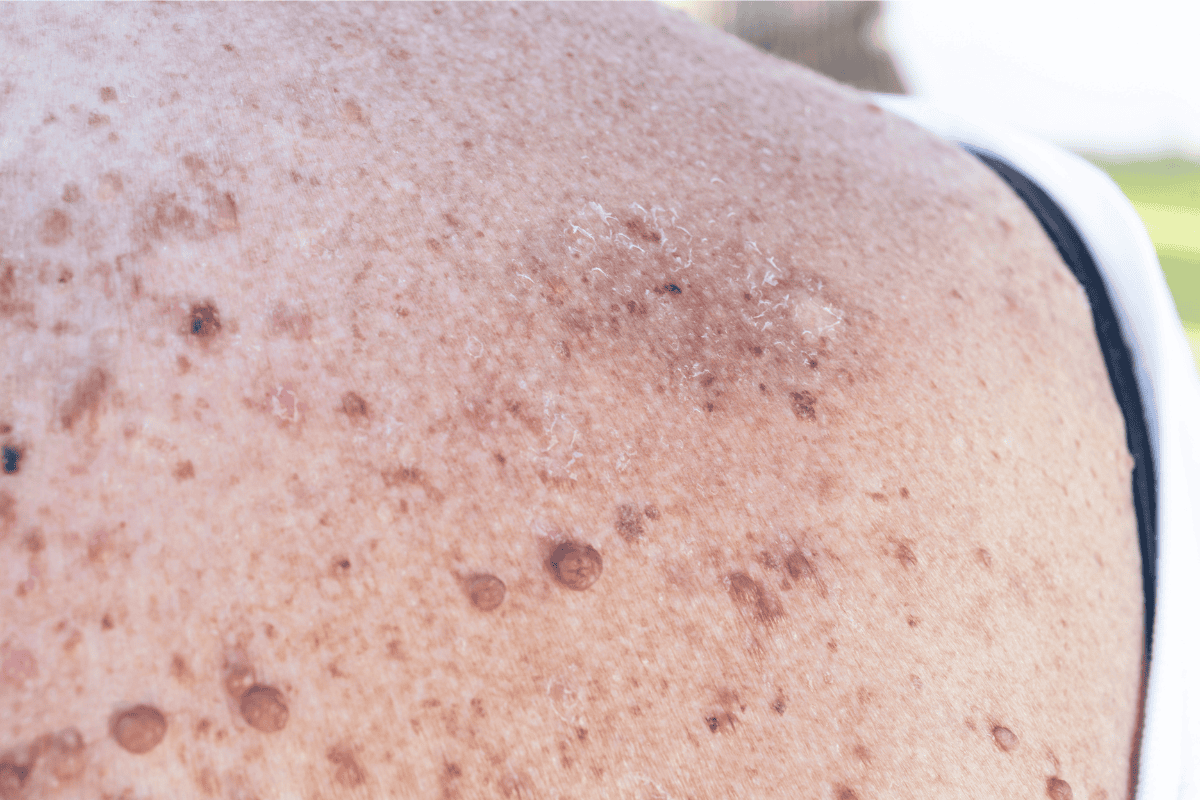
Those coffee-coloured spots on your kid’s torso have been there since they were a toddler. The GP called them café-au-lait spots and said they were probably just birthmarks. But recently, you noticed small bumps appearing on the skin, and they’ve been struggling more at school.
When the geneticist uses the term neurofibromatosis type 1, you've never heard it before. The doctor explains it's a genetic condition affecting how cells grow throughout the body. It's not curable, but it's manageable with proper monitoring.
Neurofibromatosis type 1 affects approximately one in 3,000 people worldwide. The condition causes tumour growths called neurofibromas to develop along nerves throughout the body, though these are typically benign rather than cancerous.
The neurofibroma growths develop from cells supporting nerve tissue. They can appear on the skin's surface or develop deeper within the body along internal nerves. Most neurofibromas in NF1 remain benign throughout life, never transforming into cancer.
Many children are diagnosed in early childhood when café-au-lait spots and other skin changes become obvious.
Neurofibromatosis type 1 causes trace back to changes in a single gene regulating cell growth throughout the body.
Neurofibromatosis type 1 gene produces neurofibromin protein, which functions as a tumour suppressor controlling how rapidly cells divide.
When this gene carries mutations, the lack of functional neurofibromin removes normal cellular brakes, allowing cells to divide more freely. This increases genetic mutation cancer risk alongside benign tumour development.
Scientists have identified thousands of different mutations that can cause NF1, which partly explains why the condition manifests differently in each individual.
NF1 inheritance follows an autosomal dominant pattern, having just one copy of the mutated gene causes the condition.
If a parent carries an NF1 mutation, each child has a 50% chance of inheriting it. This means the condition often appears across multiple generations, though manifestations vary dramatically even amongst closely related individuals.
Neurofibromatosis type 1 symptoms develop gradually over time, with different features appearing at different ages.
The most recognisable features involve café-au-lait spots, which are flat, coffee-coloured birthmarks darker than the surrounding skin.
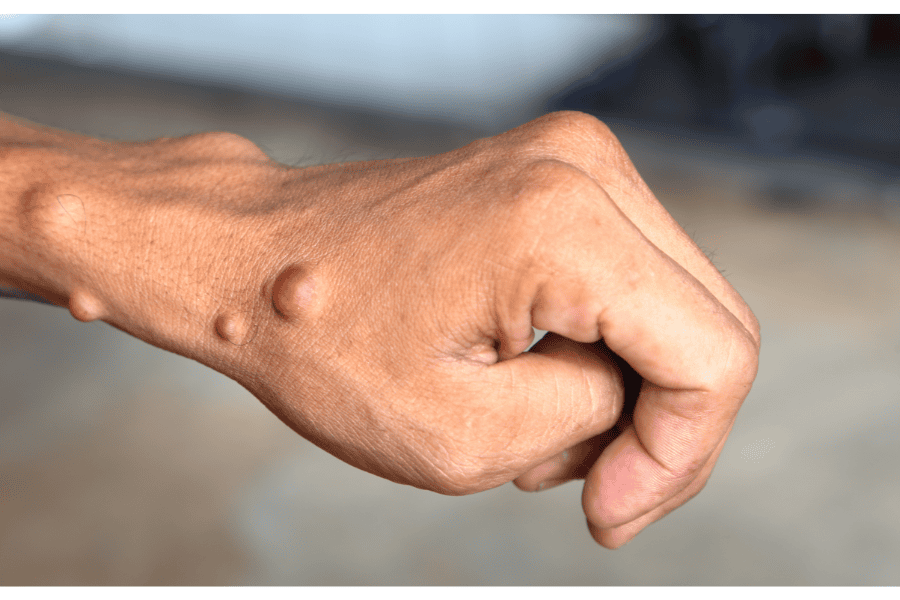
Neurofibromas typically don't appear until adolescence or later. These soft bumps can develop anywhere on or under the skin, ranging from tiny dots to larger growths that become cosmetically concerning.
Lisch nodules, tiny harmless growths on the coloured part of the eye, appear in most adults with NF1 and serve as a useful diagnostic marker.
Learning difficulties occur in approximately half of children with the condition, commonly involving challenges with reading, mathematics, and attention. These don't reflect overall intelligence as many people with NF1 have average or above-average IQs, but rather specific processing challenges benefiting from educational support.
Beyond café-au-lait spots and neurofibromas, NF1 affects skin in other ways. The skin may develop areas of increased or decreased pigmentation, and texture changes can occur where small neurofibromas cluster together.
Neurofibromatosis type 1 tumours extend beyond characteristic neurofibromas to include other growths requiring careful monitoring.
Unlike cutaneous types, plexiform neurofibromas carry a small risk of transforming into malignant peripheral nerve sheath tumours requiring aggressive chemotherapy and surgical treatment.
Neurofibromatosis type 1 criteria provide a standardised framework that doctors use when evaluating whether someone has the condition.
Doctors can diagnose NF1 without genetic testing if someone meets at least two of the seven specific neurofibromatosis type 1 criteria:
Meeting these clinical criteria allows a confident diagnosis in most cases.
Genetic testing for mutations in the neurofibromatosis type 1 gene can confirm diagnosis in people who don't quite meet clinical criteria or when early diagnosis in infancy is important.
Diagnosing NF1 typically begins with thorough physical examination documenting café-au-lait spots, neurofibromas, freckling, and Lisch nodules detected through special eye equipment.
Family history helps identify inherited cases, while reviewing developmental milestones provides information about cognitive effects. Brain imaging may be performed if there's concern about optic pathway tumours or neurological symptoms.
Neurofibromatosis type 1 treatment focuses on monitoring for complications and addressing specific problems as they arise, since no cure currently exists for the underlying genetic condition.
Regular surveillance forms the foundation of neurofibromatosis type 1 management, with annual examinations tracking blood pressure, vision, growth, development, and new symptoms indicating emerging complications.
Surgical removal becomes necessary when neurofibromas cause pain, affect function, or raise concern for malignant transformation. However, surgery isn't recommended for purely cosmetic reasons unless tumours significantly impact quality of life. Plexiform neurofibromas present particular surgical challenges due to their extensive infiltration of surrounding tissues.
Plexiform neurofibromas present particular surgical challenges due to their extensive infiltration of surrounding tissues.
Recent advances in medication have introduced targeted therapies that can shrink certain NF1-related tumors, particularly plexiform neurofibromas that aren't surgically removable.
Neurofibromatosis type 1 life expectancy remains near normal for most people, particularly those without major complications. Life expectancy studies show only a modest reduction compared to the general population.
Common questions and answers about NF1
NF1 affects approximately one in 3,000 people worldwide, making it one of the most common genetic conditions despite low public awareness.
Most people with NF1 have near-normal life expectancy, though complications like malignant tumours or cardiovascular problems can occasionally shorten life.
Yes, optic pathway tumours can affect vision in about 15% of cases, whilst acoustic neuromas affecting hearing occur less commonly than in NF2.