Nutrition5 min read
Creatine and Glutamine: A Clear Guide for Cancer Nutrition and Recovery
Dr. Vrundali Kannoth

Learning that you need surgery involving your reproductive organs can feel overwhelming. Questions flood your mind about what this means for your health, your body, and your future.
If your doctor has mentioned oophorectomy, you're likely searching for answers. What exactly does this surgery involve? Why is it needed? How will it affect you?
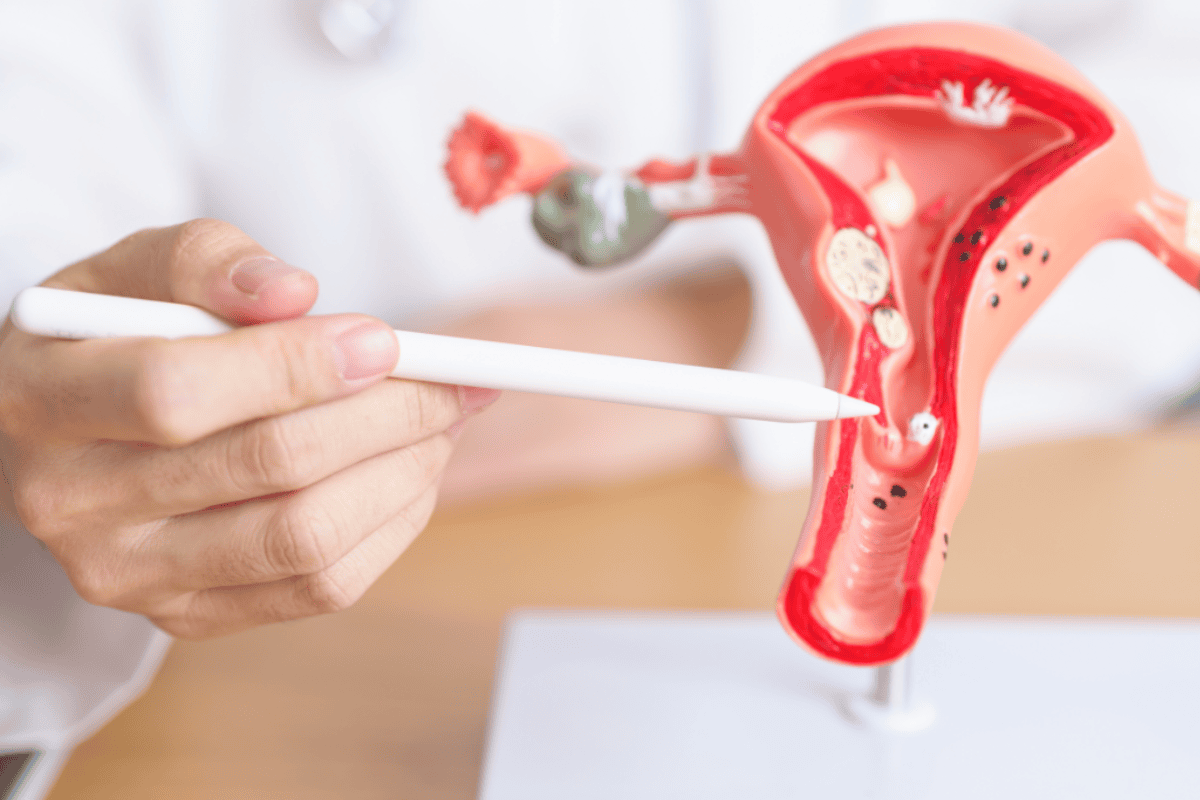
Oophorectomy meaning refers to the surgical removal of one or both ovaries. These almond-sized organs on either side of your uterus produce eggs and hormones like oestrogen and progesterone.
Oophorectomy is amongst the most common gynaecological surgeries performed in India. The procedure has evolved significantly, with minimally invasive options now available at most major hospitals.
How it differs from other gynaecological surgeries:
Several medical conditions may lead your doctor to recommend this surgery. Understanding the reasons helps you feel more confident about your decision.
Ovarian cancer represents the most serious indication for medical oophorectomy. When cancer develops in ovarian tissue, removing affected ovaries is often essential for treatment.
Ovarian cancer screening through imaging and blood tests guides surgical planning. During surgery, surgeons examine pelvic organs thoroughly, take tissue samples, and stage the cancer to determine if additional ovarian cancer therapy like chemotherapy is needed.
Endometriosis, tissue similar to the uterine lining growing outside the uterus, can cause severe pelvic pain, especially when it affects the ovaries. When medical treatments fail and symptoms severely impact quality of life, oophorectomy may provide relief.
Most gynaecologists in India try conservative approaches first. Oophorectomy for benign conditions is typically considered only when other treatments haven't helped.
If you have strong family history of breast or ovarian cancer, discuss genetic counselling with your doctor.
Other reasons for oophorectomy include severe infection (rare), ovarian torsion (twisting cutting off blood supply), or hormone-sensitive cancers elsewhere in the body where removing the ovaries eliminates oestrogen production.
Types of oophorectomy vary based on how much tissue is removed and which surgical approach is used.

Left oophorectomy removes only the left ovary, whilst right oophorectomy removes only the right. This preserves fertility and hormone production from the remaining ovary.
Total oophorectomy removes both ovaries, immediately stopping all ovarian hormone production. This induces surgical menopause regardless of your age.
Open oophorectomy involves a larger incision (10-20 cm) through your lower abdomen, similar to laparotomy. The surgeon directly visualises and removes the ovaries through this opening.
This approach is necessary for large masses, suspected cancer requiring extensive examination, or when minimally invasive surgery isn't technically feasible. Recovery takes longer, but the approach allows thorough cancer staging if needed.
Laparoscopic or "keyhole" surgery uses several tiny incisions (0.5-1 cm). A camera and specialised instruments remove the ovaries through these small openings.
Robotic oophorectomy uses computer-assisted surgical systems providing enhanced visualisation and precision. The surgeon controls robotic arms from a console, performing delicate manoeuvres through small incisions.
Before oophorectomy surgery, you'll undergo blood tests, possibly imaging like an ultrasound, and a cardiac evaluation if needed. Your surgeon reviews your medical history and medications.
Fasting begins 6-8 hours before surgery. You'll receive antibiotics to prevent infection.
General anesthesia ensures you're completely asleep and pain-free throughout surgery. An anaesthetist monitors you continuously.
For laparoscopic surgery, several small incisions are made. Carbon dioxide gas inflates your abdomen, creating space to work. For open surgery, one larger incision provides direct access.
The surgeon carefully separates the ovaries from the surrounding tissues. Blood vessels supplying the ovaries are identified, sealed, and cut using specialised instruments or energy devices.
Affected ovary or ovaries are detached from the ligaments holding them in place. In laparoscopic surgery, the removed tissue is placed in a bag and extracted through small incisions.
The surgeon examines the surgical site, ensuring no bleeding. If cancer is suspected, nearby lymph nodes may be sampled. Instruments are removed, gas released, and incisions closed with sutures or staples.
Oophorectomy recovery progresses through predictable stages. Understanding what to expect helps you plan appropriately and recognise normal healing versus complications.
Expect discomfort for several days, manageable with prescribed pain medications. Laparoscopic surgery causes less pain than open approaches
Most women return to desk jobs within 2-3 weeks after laparoscopic surgery, 4-6 weeks after open surgery.
Most women return to desk jobs within 2-3 weeks after laparoscopic surgery, 4-6 weeks after open surgery.
Keep incisions clean and dry. Showering is usually permitted after 24-48 hours. Watch for signs of infection, such as increased redness, swelling, discharge, or fever above 38°C.
If both ovaries were removed and you weren't menopausal yet, sudden hormone loss causes menopausal symptoms, such as hot flushes, night sweats, mood changes, vaginal dryness.
Hormone replacement therapy (HRT) is available and often recommended for younger women. Discuss benefits and risks with your gynaecologist.
Emotional adjustment: Surgery involving reproductive organs can trigger complex emotions. Grief, loss, relief, or anxiety are all normal reactions. Don't hesitate seeking support from counsellors or support groups.
Every surgery carries risks. Understanding oophorectomy risks and oophorectomy side effects helps you make informed decisions and recognise complications early.
Oophorectomy is the surgical removal of one or both ovaries, performed for various medical reasons including cancer treatment, severe endometriosis, persistent cysts, or cancer prevention in high-risk women.
Common questions about this topic