
Education5 min read
Vitamin B1 Thiamine Supplements: Nerve Function & Cancer Recovery Support
Dr. Vrundali Kannoth

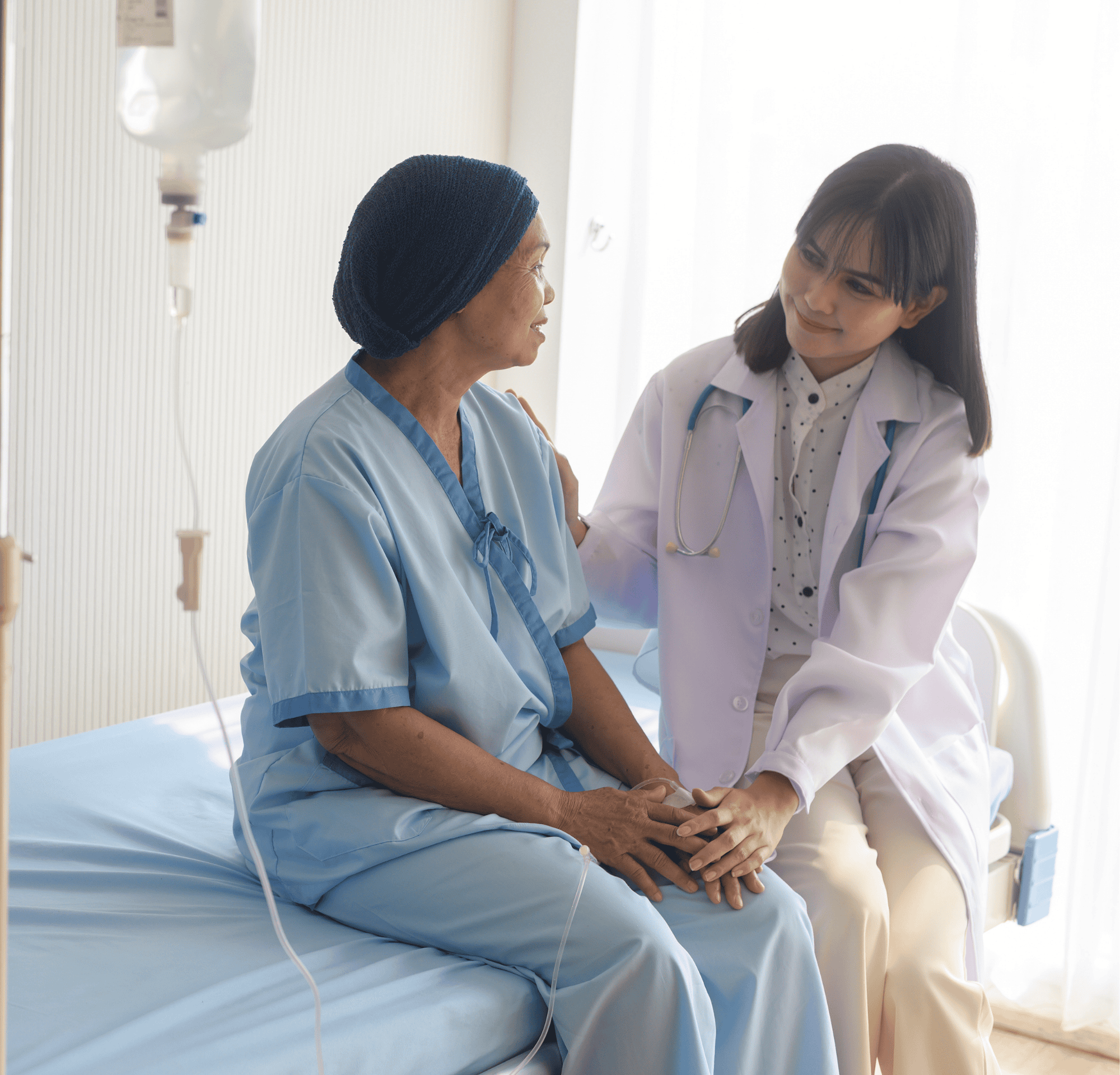
When treatment no longer brings the results it once did, the direction of care begins to change. This transition can feel uncertain, especially when the focus moves away from cure and toward comfort. It raises questions about what this stage means and how to prepare for what lies ahead.
Terminal cancer refers to a stage where the illness has advanced and cannot be cured. While this may feel difficult to process, it also means that care is centred on helping patients feel as comfortable and supported as possible.
In this blog, we’ll explain what terminal cancer is and discuss when cancer becomes terminal. We’ll also look at symptoms and care options, so patients and families can move forward with clarity and support.
You might be wondering about terminal cancer meaning, it is when a cancer no longer responds to treatment and continues to progress despite ongoing care. At this stage, oncologists may recognise that the focus needs to shift away from cure and towards comfort and support.
Terminal cancer is usually identified through a combination of factors:
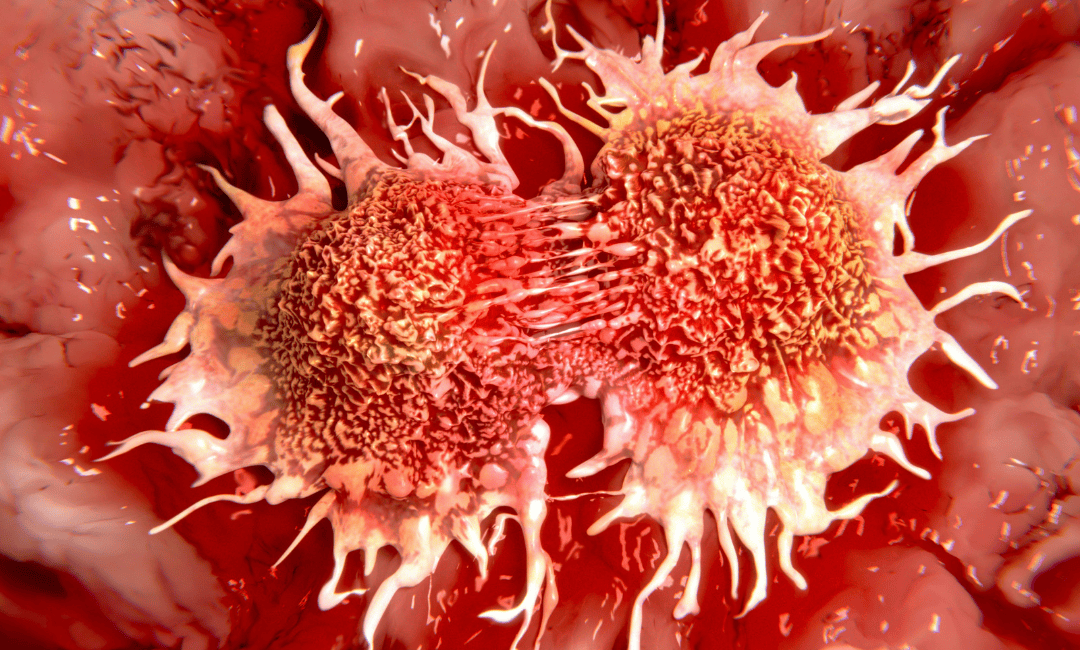
In many cases, this stage is linked to metastatic cancer, where the disease has spread to distant parts of the body.
Patients and families also ask, “What stage is terminal cancer?” This is often associated with stage IV, but not all advanced cancers are immediately terminal. The key difference lies in whether the disease can still be controlled or slowed.
There are no fixed categories or terminal cancer types, as almost any cancer can reach a terminal stage if it progresses and no longer responds to treatment.
The way different types of cancer behave can vary, but the end stage is defined more by how the disease progresses rather than where it began.
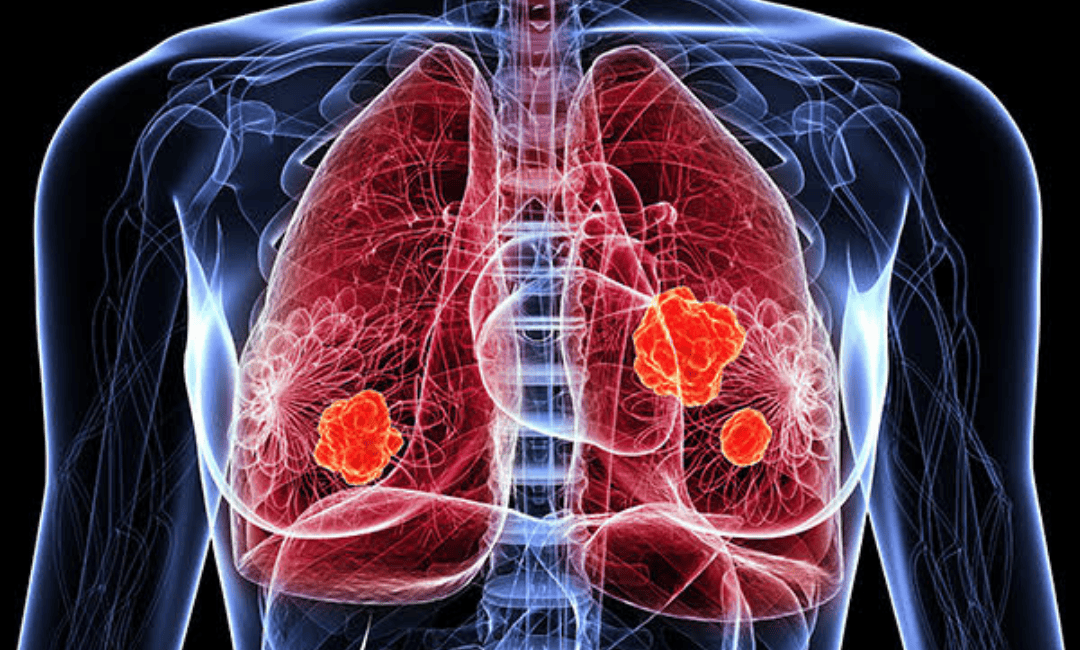
For example, some types of terminal cancer are more commonly seen due to how aggressive they are or how late they are often diagnosed. Based on that, a simple list of terminal cancers may include:
These examples show how different cancers can reach a similar stage over time. However, having one of these cancers does not necessarily mean it will become terminal. Many cases can still be managed or treated depending on individual factors and response to care.
As cancer progresses to an advanced stage, changes in the body may become more noticeable and affect daily comfort. These changes often show how the illness is advancing:
Symptoms of terminal cancer can vary depending on where the disease has spread. However, some patterns are commonly seen:
Other cancer symptoms, such as confusion or difficulty concentrating, may also appear as the condition progresses.
Terminal cancer signs often show that the disease is advancing and the body is becoming more affected:
In some cases, earlier signs of cancer may become more frequent or more intense.

Also, terminal cancer pain may become more persistent as the disease advances, but it can often be managed with care to improve comfort and quality of life.
Causes of terminal cancer are often linked to how the disease develops and progresses over time. In many cases, cancer becomes terminal when it is diagnosed at a later stage or continues to grow despite treatment.
Some of the most common causes include:
Certain cancer risk factors may also influence how the disease progresses:
While these factors can affect outcomes, each case is different, and not all cancers follow the same path.
Diagnosis for terminal cancer is usually made by looking at how the disease is progressing over time and how it is responding to treatment. It is not based on a single test, but on a combination of findings:
Cancer diagnostics help oncologists understand how far the disease has advanced and whether it is still responding to care.
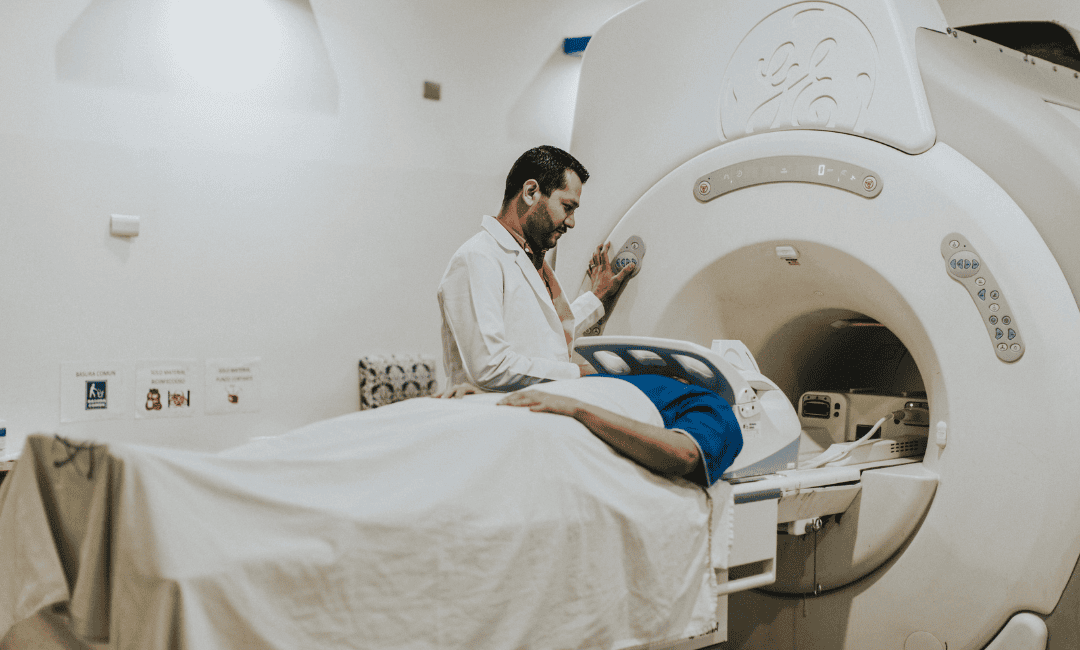
This includes:
Along with imaging, oncologists also consider the overall condition and progression:
When these factors come together, they may indicate that the cancer has reached a terminal stage.
Life expectancy for terminal cancer can vary widely, which is why oncologists describe prognosis as an estimate rather than a fixed timeline. Per the National Cancer Institute, outcomes differ based on:
Because each situation is different, survival rates are best understood as general indicators that help guide care, rather than exact measures of what to expect.
Terminal cancer cannot be cured, as it refers to a stage where the disease no longer responds to treatment aimed at stopping or reversing it. This can be difficult to process, but it also marks a shift in how care is approached.

When a cancer becomes terminal, care shifts towards comfort, dignity, and quality of life, with a focus on helping patients feel as supported as possible:
Facing this stage can bring uncertainty, but it can also be a time to focus on what matters most to each person. Clear communication with an oncologist and a supportive care team can help guide decisions in a way that feels right for the patient and their family.
With the right support in place, it is still possible to find comfort, connection, and reassurance. Care at this stage is centred on helping each day feel more manageable, with dignity and understanding at its core.
If you have been diagnosed with terminal cancer, having the right guidance can make each step clearer. Speaking with oncology doctors can help you understand care options and what to expect.
At Everhope, care teams support patients and families with clear information and steady, compassionate care, helping you navigate this phase with clarity and reassurance.