
Education5 min read
Vitamin B1 Thiamine Supplements: Nerve Function & Cancer Recovery Support
Dr. Vrundali Kannoth


Sometimes, the hardest part isn’t the diagnosis itself; it’s everything that follows. The waiting. The questions. The quiet fear that shows up when no one else is around. If you or someone you love has been told they have metastatic cancer, it’s okay to pause here for a moment. You’re allowed to feel overwhelmed, and you’re not expected to have all the answers. Metastatic cancer means cancer has spread from its original site to other parts of the body. While the word sounds heavy, it does not mean that care stops or hope disappears. Treatments, pain control, and support systems today help many people live meaningful, supported lives. What follows explains metastatic cancer meaning, types, symptoms, treatment options, and what prognosis can look like today.
It is cancer that has spread from where it first started to other parts of the body. This happens when metastatic cancer cells break away from the original tumour and travel through the blood or lymph node system, forming new tumours elsewhere. Even after it spreads, it’s still treated as the original cancer type.
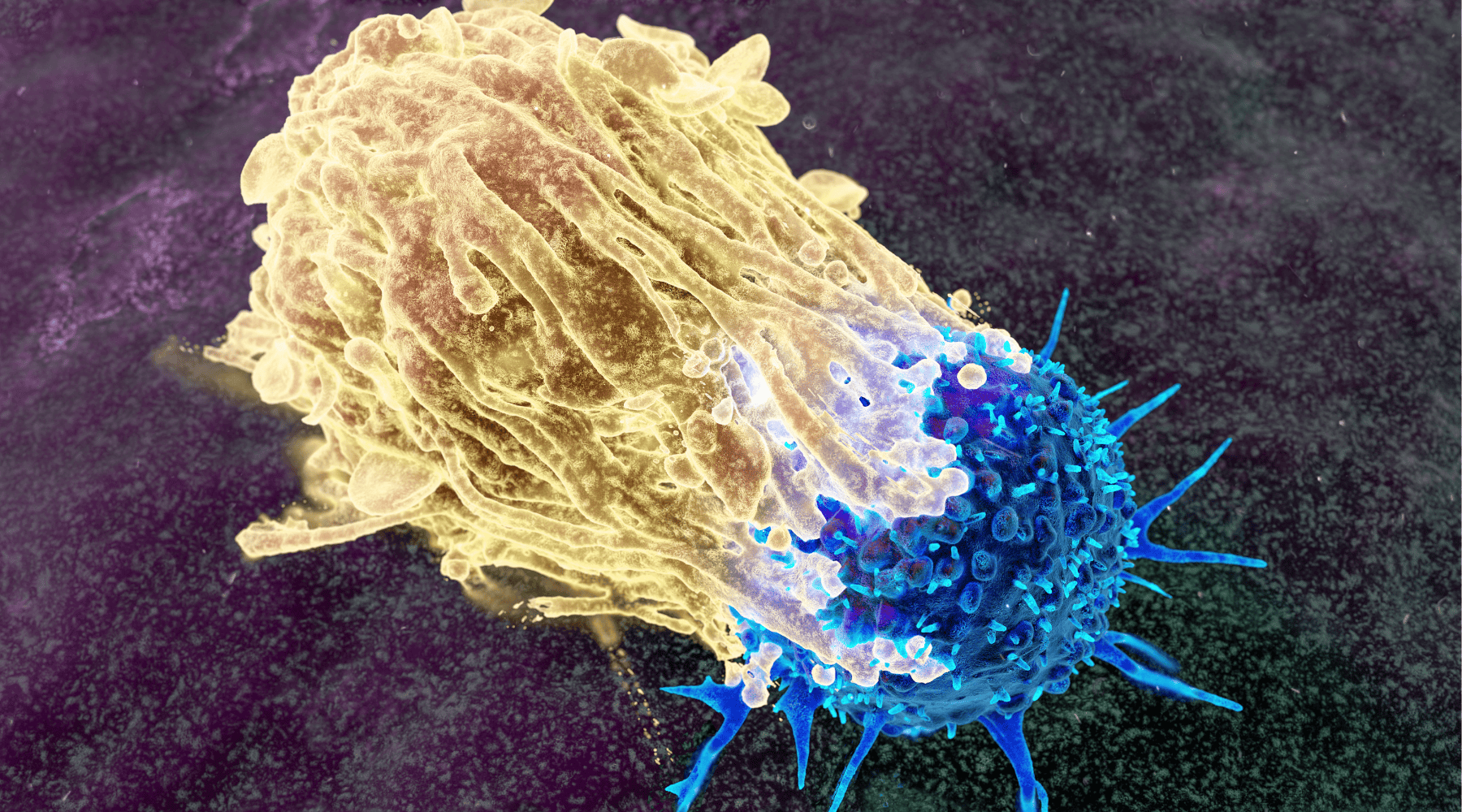
Some cancers grow and spread faster than others. When oncologists describe a case as high-grade metastatic cancer, it means the cells are more aggressive and may need more intensive treatment.
In India, an estimated 1.56 million new cancer cases were reported in 2024, highlighting the growing importance of early detection and accurate diagnosis to catch cancer before it spreads.
This cancer is usually classified as Stage IV because it means the disease is no longer confined to one area of the body. This stage can sound frightening, but it’s a medical label used to guide care, not a measure of hope or how someone will live.
Being Stage IV helps oncologists choose cancer treatments that focus on slowing the cancer, managing symptoms, and supporting quality of life. Many people live for years with this type of cancer, and care at this stage is often ongoing, adaptive, and deeply personalised.
These distinctions matter because they influence how the disease is monitored, whether a cancer screening test could have detected it earlier, and which specialists may be involved in care going forward.
Cancer symptoms can vary depending on where it has spread. One common experience is metastatic cancer pain, which may be persistent, new, or different from usual aches.
Other signs of metastatic cancer to watch for include:
Not every symptom means cancer is progressing, but noticing these early and reporting them can help oncologists manage the disease and improve comfort.
Cancer can spread for reasons beyond anyone’s control; it’s not about fault or choices. Figuring out if your cancer is metastatic usually involves careful observation and accurate cancer diagnostics, which help oncologists plan the right care and support.
Some common metastatic cancer reasons include:
Even when cancer spreads, treatment and support can help manage symptoms, reduce discomfort, and maintain quality of life.
It’s natural to wonder about metastatic cancer life expectancy after a diagnosis. The five-year survival rate varies depending on the type of cancer and where it has spread. While these statistics can feel daunting, these are population averages - many people live longer with treatment, symptom management, and supportive care:
| Cancer Type | 5-Year Survival Rate |
|---|---|
| Breast (advanced stage) | 31.9% |
| Lung (advanced stage) | 8.9% |
| Prostate (advanced stage) | 36.6% |
| Colorectal (advanced stage) | 15.7% |
| Pancreatic (advanced stage) | 3.1% |
In India, outcomes tend to be lower, with metastatic breast cancer showing a five-year survival of around 18%–22%, largely due to later diagnosis and limited access to treatment
Oncologists usually figure out how to know if cancer is metastatic through a combination of careful observation and tests.

Below are the tests they usually take:
Imaging tests such as CT scans, MRI, PET scans, and X-rays help doctors see where cancer has spread. These scans are painless and provide crucial details for planning treatment.
Surgical oncology teams often use these images to decide if removing a tumour could improve comfort or slow progression.
A biopsy involves taking a small tissue sample from a suspicious area. Examining this tissue under a microscope confirms whether cancer cells are present and can reveal how aggressive the cancer is, which guides the treatment plan.
Blood tests can detect markers that indicate cancer activity, monitor organ function, and help track how well treatments are working. Regular blood work helps oncologists manage symptoms and adjust care before complications arise.
Depending on the type of cancer and symptoms, doctors may use bone scans, lumbar punctures, or genetic tests. These tests give additional insights to tailor treatment, relieve cancer pain, and provide a more accurate metastatic cancer prognosis.
When cancer has spread, it’s natural to ask, “Can metastatic cancer be cured?” or worry about the metastatic cancer treatment cost. While a cure may not always be possible, treatments focus on controlling the disease, reducing symptoms, and helping you maintain quality of life. Knowing your options can help you make informed choices that feel right for you and your loved ones.
These include chemotherapy, targeted therapy, and immunotherapy, which work throughout the body to slow cancer growth. They help manage symptoms and can sometimes shrink tumours, improving comfort and daily function.
Surgery may be considered to remove tumours that are causing pain or complications. Oncologists carefully weigh the benefits and risks to improve comfort and support other treatments.
Radiation targets specific areas affected by cancer, helping relieve pain and reduce visible signs of cancer, such as swelling or obstruction caused by tumours. It is often used alongside systemic therapies to manage symptoms effectively.
Even when the cancer cannot be fully cured, palliative cancer care focuses on managing cancer pain and providing emotional and practical support. It works alongside other treatments to help you live more comfortably.
Living with this cancer can feel like uncharted territory, but you don’t have to navigate it alone. While a full cure of metastatic cancer isn’t always possible, treatments can help manage symptoms, slow the disease, and improve day-to-day life.
Certain cancers, like lymphoma, often respond well even after spreading, giving hope and time to focus on what matters most.
For guidance, support, and personalised treatment plans, reach out to a trusted oncology centre; they’re there to help.