Symptoms5 min read
Folic Acid Supplement: Importance, Benefits and Deficiency Symptoms
Dr. Vrundali Kannoth

Sometimes, it begins with a small change that does not seem urgent. A symptom may come and go, easy to ignore at first.
Then a term like urothelial carcinoma appears, and with it, uncertainty. Feeling unsettled at this stage is natural. Taking time to understand what it means can help ease some of that burden.
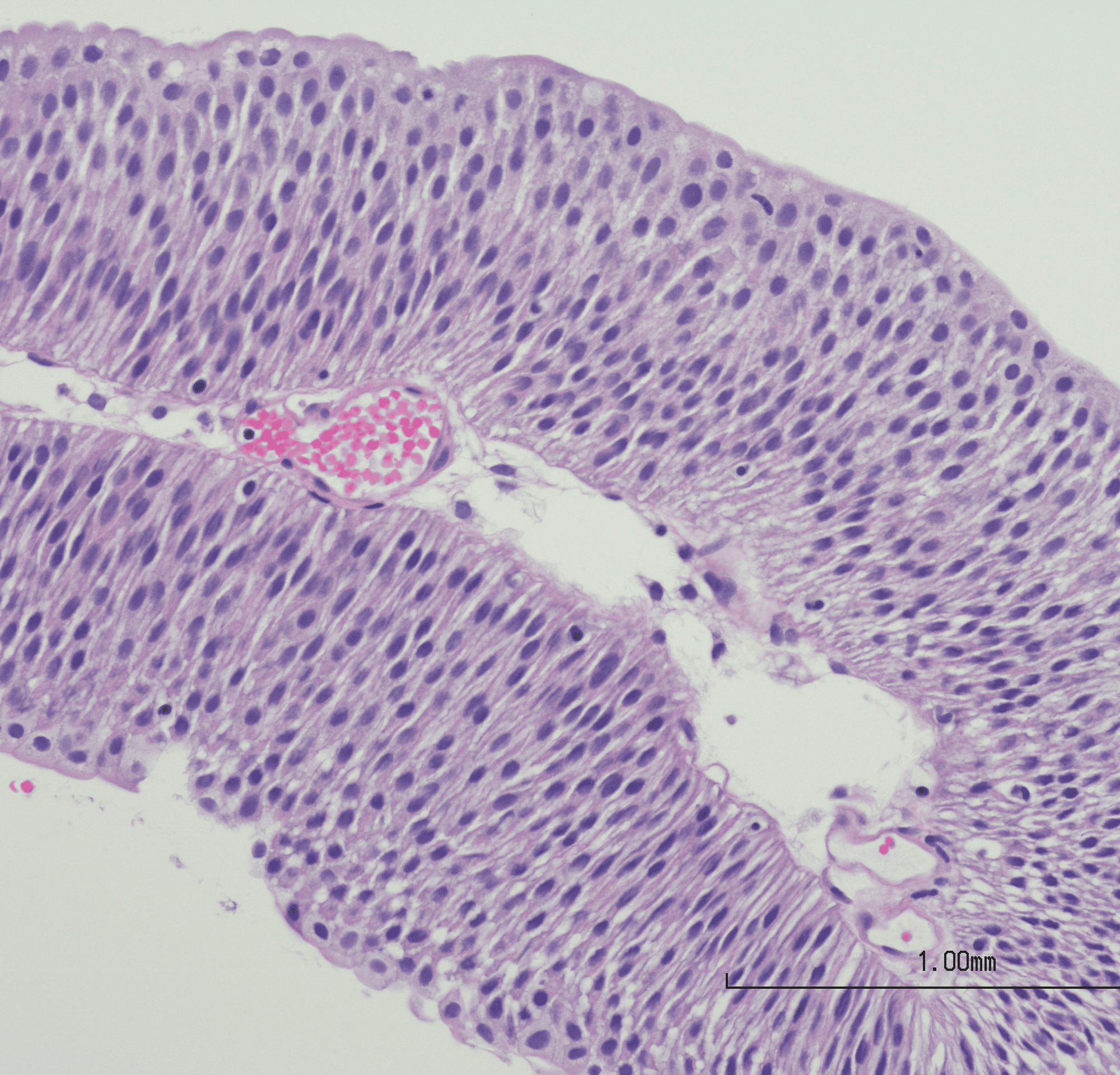
Urothelial carcinoma is a cancer that affects the lining of the urinary system, most often the bladder. It can develop gradually, and with timely care, many cases can be managed effectively.
In this blog, we’ll explain what urothelial carcinoma means, its symptoms, causes, and treatment options, so you and your family can move forward with clarity and care.
If you have been wondering about urothelial carcinoma meaning, it refers to abnormal cell growth in this specialised lining that normally helps store and transport urine. It is one of the types of cancer that begins in the urothelial cells lining the urinary system.

It most commonly affects:
In most cases, it develops when DNA mutations cause these cells to grow and divide in an uncontrolled manner. Over time, this can lead to tumour formation within the lining.
Urothelial carcinoma is the most common type of bladder cancer, though it can also occur in other parts of the urinary tract.
Types are defined by how deeply the tumour grows and how abnormal the cancer cells appear.
This system, known as the urothelial carcinoma classification, helps guide treatment and understand how the disease may behave.
In simple terms, classification is based on:
Non-invasive tumours remain limited to the inner lining and do not grow into deeper layers.
These include:
They are often associated with low-grade urothelial carcinoma, where cells appear less aggressive and tend to grow slowly. The immediate risk of spread is lower, though ongoing monitoring is still important.
Invasive tumours grow deeper into the bladder wall and may reach nearby tissues. They are more likely to progress and spread.
High-grade urothelial carcinoma is common in this group, with cells appearing more abnormal and behaving more aggressively.
Important note: Grade describes how the cells behave, while stage reflects how far the cancer has spread in the body.
One of the most common signs is painless blood in urine, which may appear pink, red, or tea-coloured. It can come and go, which is why it is sometimes overlooked.

Other symptoms may include:
These changes can feel concerning, but they do not always point to cancer. Many of these signs can also be linked to infections or other urinary conditions, unlike symptoms such as blood in stool, which are usually related to a different part of the body.
In the early stages, the symptoms can be subtle and easy to miss. Noticing persistent changes and discussing them with an oncologist can help ensure the right steps are taken, even if the cause turns out to be something less serious.
Urothelial carcinoma causes are linked to changes in the DNA of urothelial cells that line the urinary tract. These mutations affect how cells grow and divide, leading to abnormal growth over time.
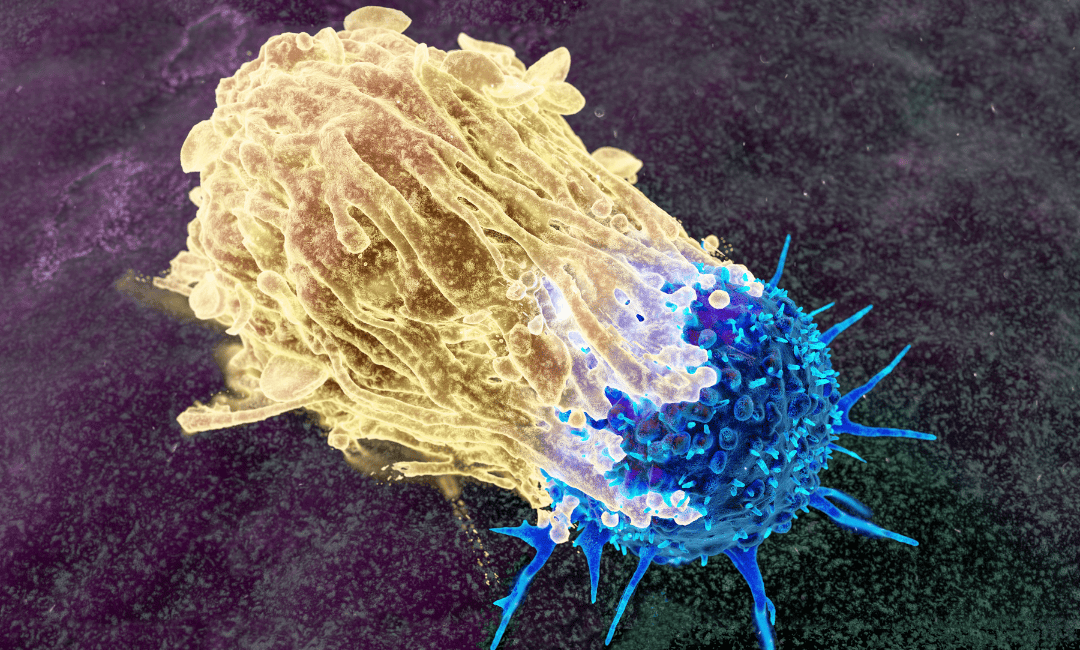
While considering these, it's also important that there is no single cause. Most cases develop over time, and multiple factors may act together. In many situations, there is no clear or direct cause.
Risk factors are linked to long-term exposure to certain conditions and substances that affect the urinary tract.

These factors can increase the likelihood over time. Common risk factors include:
These are part of a broader set of cancer risk factors that influence how cells respond to long-term damage. Even when one or more risk factors are present, many people do not develop cancer, and regular monitoring can help detect changes early.
Staging describes how far the cancer has grown and spread within the body. In simple terms, staging reflects the extent of spread and helps guide treatment decisions.
Doctors often use the TNM system:
The staging is usually grouped into stages 0 to IV:
Stages III and IV are often referred to as advanced urothelial carcinoma. When the disease spreads to distant organs, it is known as metastatic urothelial carcinoma. This system aligns with broader stages of cancer used across many cancer types.
Diagnosis follows a structured process, with each step helping confirm the condition and understand how far it has developed.

The evaluation often begins with:
The next step is:
To confirm the diagnosis:
Imaging helps assess spread and staging:
Together, these tests confirm both the type and stage, guiding the next steps in care.’
Treatment for urothelial carcinoma depends on the stage of the cancer and its grade, which reflects how aggressive the cells appear. Treatment is planned carefully to manage the condition while supporting overall well-being.
For early-stage tumours, treatment focuses on removing growths and preventing recurrence.
When the cancer grows deeper, treatment becomes more extensive.
In advanced stages, treatment aims to control the disease throughout the body.
Treatment for urothelial carcinoma often combines these approaches as part of broader cancer treatment strategies tailored to each situation.
Early detection plays an important role in managing this condition. Symptoms such as blood in urine, even when painless, should be evaluated without delay, as urothelial carcinoma prognosis often improves with timely care.
It is natural to feel overwhelmed while noticing new symptoms. On the bright side, urothelial carcinoma survival rates are generally better when diagnosed early, and support is available at every step.
If you need help understanding your diagnosis or planning next steps, speaking with a specialist can provide clarity. Oncology doctors at Everhope can guide you through your options and support your care journey.