Finding the right balance in daily eating can feel challenging when you are navigating treatment. Yet, food remains one of the few aspects patients can gently adjust to support themselves.
A thoughtful approach to meals can provide comfort, steady energy, and a sense of control at a time when the body is working harder than usual.
This guide brings together clear insights you can rely on, shaped around how nutrition can serve as a steady companion through therapy and recovery, and how a blood cancer patient diet can be built with care.
Importance of a blood cancer patient diet
A supportive blood cancer patient diet aims to strengthen the body during therapy, replenish nutrients lost through treatment, and reduce the impact of common side effects. Eating well does not cure blood cancer , but the right choices can help maintain muscle, stabilise energy, and keep the immune system as resilient as possible as care progresses. Why diet matters during blood cancer treatment
A well-planned eating pattern contributes meaningfully to daily strength and helps patients cope with therapy demands.
Treatments can lower white blood cell levels, which makes it harder for the body to fight infections. Eating balanced, nourishing meals offers steady support to your natural defences, without relying on unproven foodsh prevent cancer claims. Helps manage side effects like fatigue, nausea, weight loss
Changes in appetite, altered taste, and nausea can make eating difficult. Choosing softer textures, mild flavours, and regular small meals often eases these challenges.
Provides essential energy and strength
Carbohydrates, proteins, and fats work together to sustain energy, especially on days when therapy requires more from the body.
Improves overall treatment response
While diet cannot replace medical care, consistent nourishment remains an important part of cancer and food habits that keep the body steady through therapy cycles.
Including a range of nutrient-dense foods in a blood cancer patient diet helps maintain weight, protect muscle, and support recovery throughout treatment. These choices also contribute positively to nutrition and cancer guidance followed across oncology care.
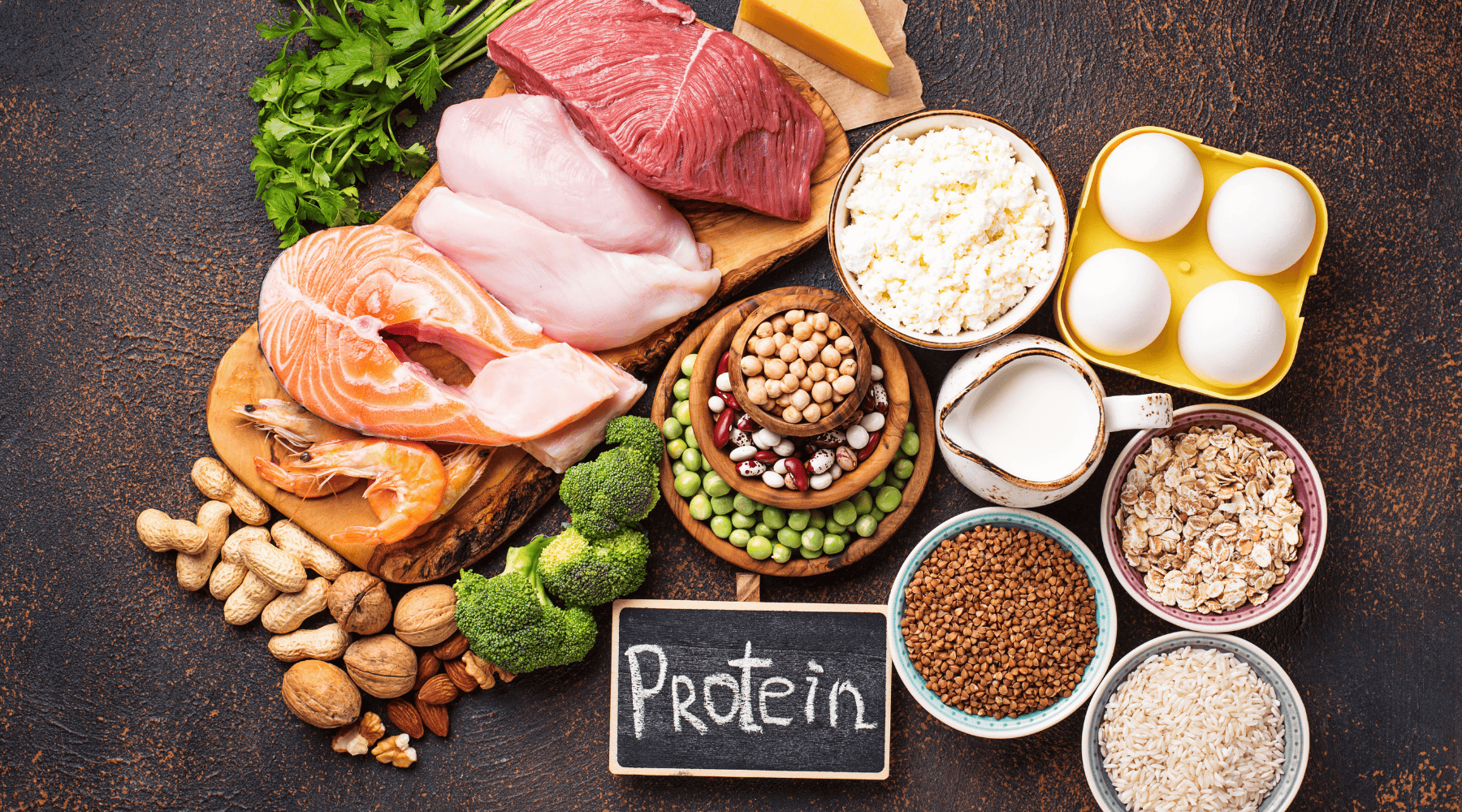
High-protein foods
Helps in:
Supporting tissue repair, strengthening immunity, maintaining muscle mass, and improving overall treatment tolerance. Protein also helps stabilise energy levels on days when appetite drops.
Get a Personalised Nutrition Consultation!
Start your recovery with our cancer experts.

27Y+ Exp
Dr. Manjari Chandra
Nutrition Medicine Specialist
Honorary Doctorate (Food & Nutrition), DHA (Hospital Administration), MSc (Nutrition & Dietetics)
Food options:
Lean poultry, fish, eggs, paneer, curd, lentils, tofu, and well-cooked beans. Soft-textured choices such as smooth yoghurt, blended lentil soups, or mashed dals work well for patients with swallowing difficulties.
These options remain the best food for blood cancer patient groups for building a practical and gentle diet for cancer patients pattern. Immunity-boosting fruits and vegetables
Helps in:
Replenishing essential vitamins, protecting cells from oxidative stress, and supporting immune function weakened by treatment. Cooked fruits and vegetables also reduce infection risk.
Food options:
Well-cooked vegetables like carrots, pumpkin, bottle gourd, spinach, and beans; and fruits such as papaya, oranges, pears, and bananas.
While none are proven anti-cancer fruits , they offer steady micronutrient support and make reliable additions to daily food for blood cancer patient choices. Whole grains for steady energy
Helps in:
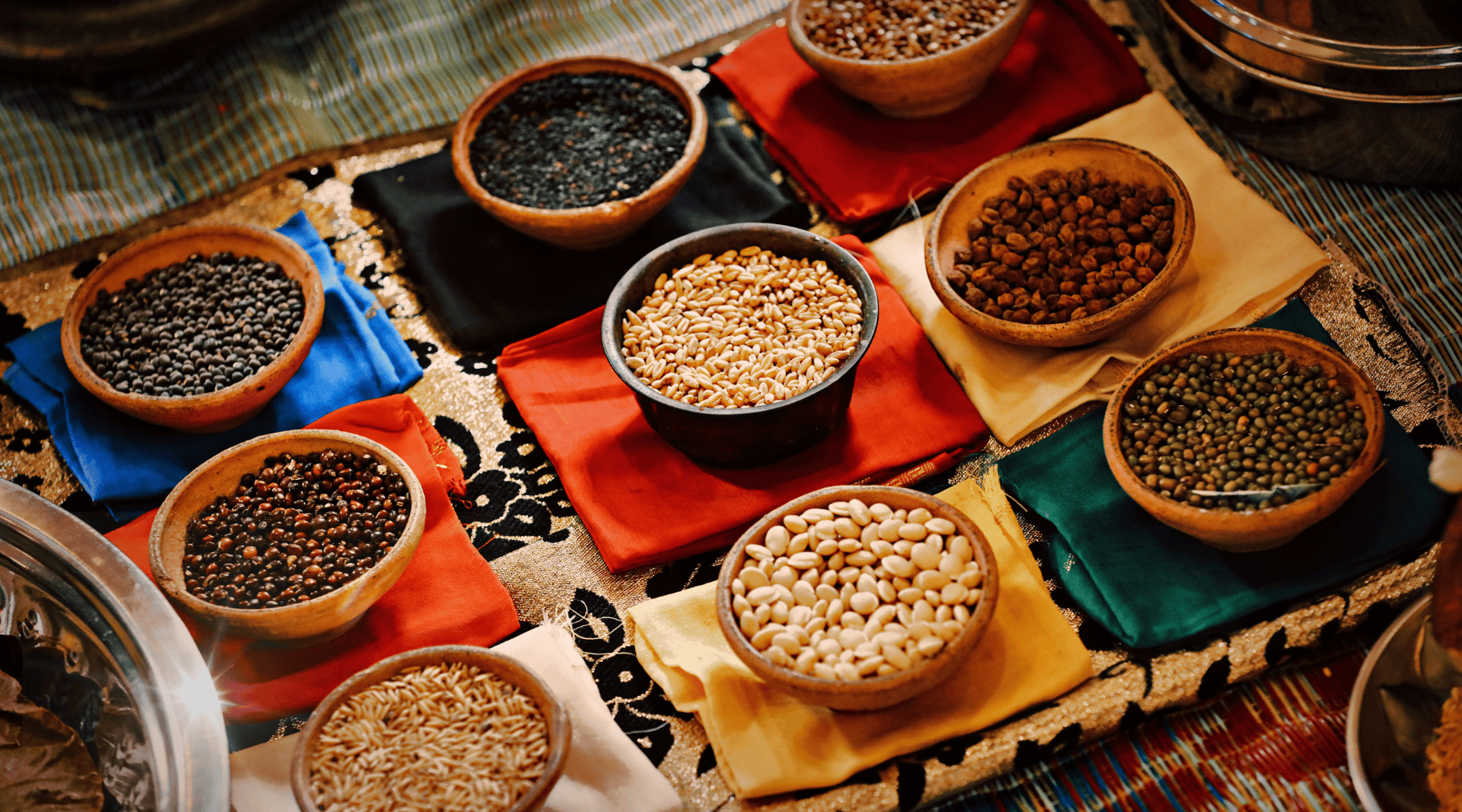
Providing long-lasting energy, supporting digestion with fibre, and helping patients cope with fatigue. Whole grains also contribute to maintaining stable blood sugar levels during treatment.
These slow-release carbohydrates align well with the best diet for blood cancer patients recommendation
Importance of a blood cancer patient diet
A supportive blood cancer patient diet aims to strengthen the body during therapy, replenish nutrients lost through treatment, and reduce the impact of common side effects. Eating well does not cure blood cancer, but the right choices can help maintain muscle, stabilise energy, and keep the immune system as resilient as possible as care progresses.
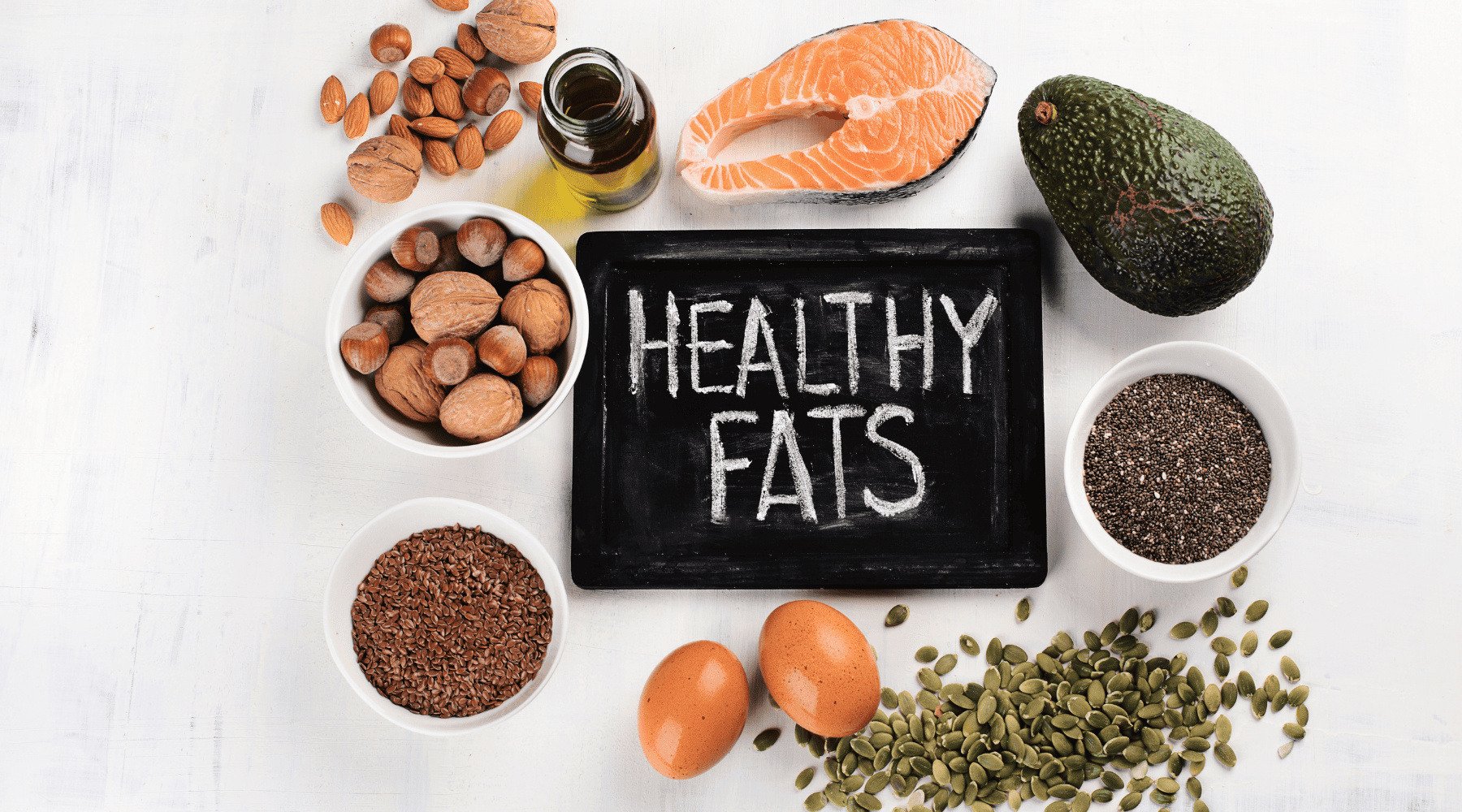
Healthy fats for strength and cell repair
Helps in:.
Offering calorie-dense nourishment for patients experiencing weight loss, supporting hormone balance, and aiding cell repair. Healthy fats also make meals more satisfying without causing heaviness
Food options:
Olive oil, nut pastes, seeds, avocados, and small portions of almonds or walnuts if tolerated.
These blend smoothly into meals or snacks and complement a balanced blood cancer diet plan.
Hydrating foods and fluids
Helps in:
Preventing dehydration, supporting kidney function, easing digestion, and improving comfort during treatment - especially when nausea or reduced appetite is present.
Food options:
Clear broths, coconut water, soups, homemade lemon water, cucumber-infused water, and fruits with high moisture content such as watermelon or muskmelon.
Blood cancer diet chart
A sample plan offers a structured view of how meals may be spaced out. Individual needs vary, so this serves as a broad example aligned with the principles of blood cancer patient diet guidance and general anti-cancer fruits disclaimers, acknowledging that no single food can treat the disease.
Morning diet chart
A gentle morning plan helps stabilise energy early in the day and prepares the body for treatment or routine activities.
| Time | Meal | Options |
|---|
| 07:30 a.m. | Light start | Warm lemon water or mild herbal tea |
| 08:00 a.m. | Breakfast | Oats porridge with fruits, vegetable poha, or handful of nuts |
| 10:30 a.m. | Mid-morning | Yogurt or soft fruit like banana |
Afternoon diet chart
Midday meals focus on balanced nourishment that supports stamina and prevents dips in strength as treatment effects build through the day.
| Meal | Meal | Options |
|---|
| 12:30 p.m. | Lunch | Dal, soft rice or chapati, cooked vegetables, curd |
| 03:30 p.m. | Mid-meal | Smooth soup or protein-rich drink recommended by a clinician
|
Evening diet chart
Evening choices aim to provide light, calming nutrition that supports digestion and helps the body wind down comfortably.
| Time | Meal | Options |
|---|
| 06:30 p.m. | Early dinner
| Khichdi/daliya, chicken stew, or soft paneer sabzi |
| 08:30 p.m. | Later snack | Later snack |
Nourishing snack options through the day
In a blood cancer food diet, small and nourishing snacks throughout the day help maintain steady energy and make it easier to meet nutrition needs when appetite varies.
•Steamed sprouts (if tolerated and medically permitted)
•Soft fruit bowls
•Nut butters on wholegrain toast
•Blended lentil soups
•Soft cheese cubes
•Hydrating vegetable broth
•Smoothies prepared under safe hygiene conditions
These choices can be adapted as part of a diet chart for blood cancer patient needs and matched with tolerances across treatment days.
Foods to avoid for blood cancer patients
Some items can increase infection risk or trigger discomfort during treatment, so choosing safer alternatives helps refine daily eating and supports overall tolerance.
Here’s a list of food you should avoid for blood cancer diet:
•Unwashed or raw produce, raw or undercooked meat, and unpasteurised dairy should be avoided due to contamination risks.
•Reheated street foods, deep-fried snacks, and dishes high in salt may worsen digestive discomfort and are best limited.
•Spicy, oily, or very rich foods may trigger reflux or nausea, especially during intensive therapy.
•Carbonated drinks can contribute to bloating and may reduce appetite.
•Moderating sugary foods and alcohol supports stability without implying absolute food to avoid for blood cancer rules, keeping the focus on balance and safety.
While patients often ask for blood cancer food to eat lists, the safest approach prioritises clean, thoroughly cooked, nutrient-dense meals. No foods qualify as anti blood cancer foods, so choices should rely on safety and tolerance rather than unsupported claims.
These principles help streamline blood cancer food decisions and maintain flexibility as needs change. Clinicians may adjust restrictions over time to ensure the blood cancer food diet complements treatment stages.
What this means for your daily eating
A well-planned blood cancer patient diet keeps the body better prepared for the demands of treatment.
Patterns that support immunity, maintain strength, and stabilise energy often make daily therapy more manageable. Hydration, hygiene, balanced meals, and steady protein intake remain central pillars.
Patterns that support immunity, maintain strength, and stabilise energy often make daily therapy more manageable. Hydration, hygiene, balanced meals, and steady protein intake remain central pillars.
Adjustments can always be tailored, but the overall idea stays the same: gentle, consistent nourishment that respects what the body is experiencing. If needed, patients can also discuss personalised guidance with oncology nutrition doctors to fine-tune the approach. Questions
FAQs on blood cancer patient diet
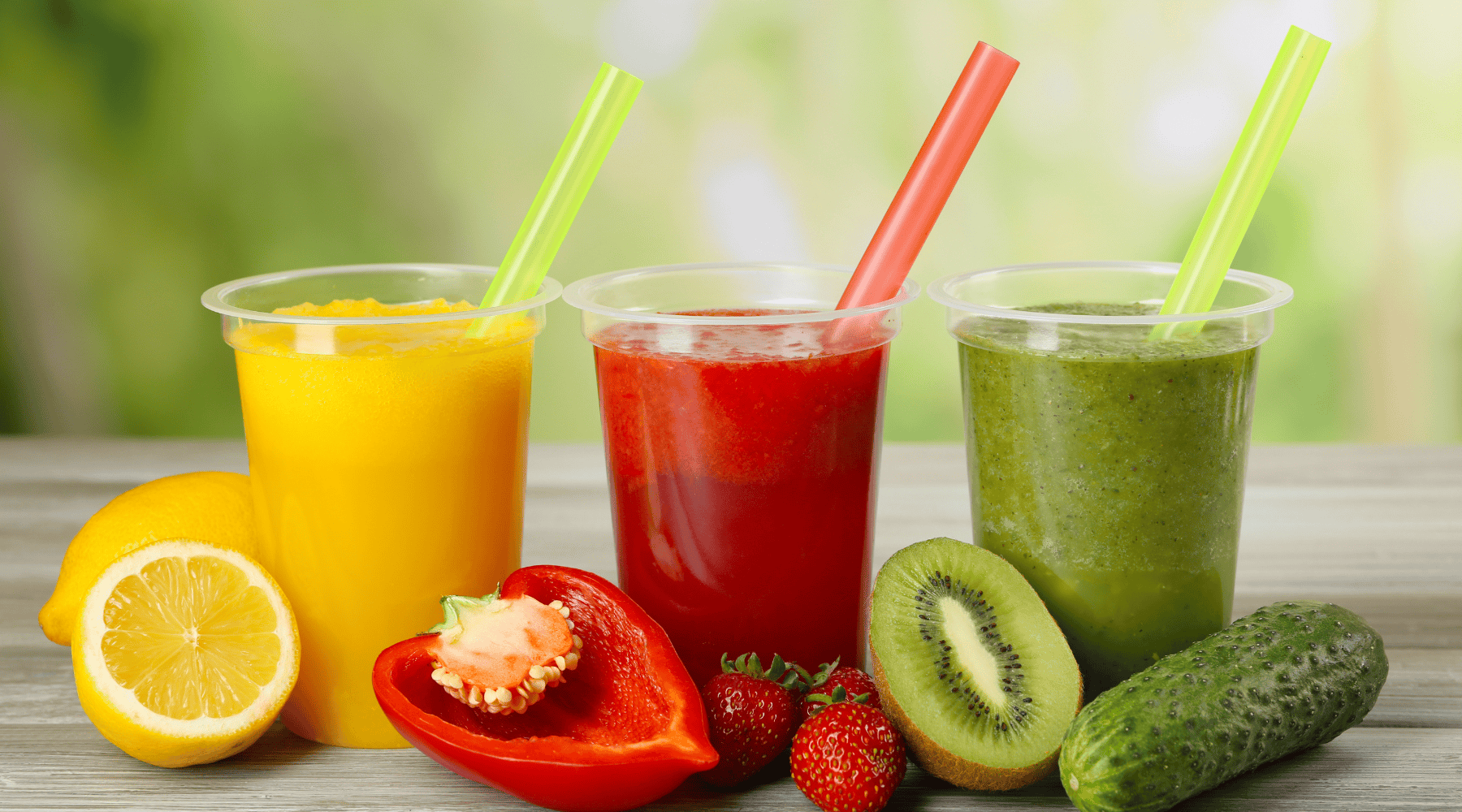
1. Is it safe for blood cancer patients to drink fresh fruit juices?+
Yes, if prepared hygienically and consumed immediately. Fresh juices can be part of a blood cancer patient diet, but pasteurised options may be suggested for patients with low immunity.
2. Is sugar a harmful food for blood cancer patient?+
Sugar does not cause or worsen cancer directly, but too much added sugar can displace nutrient-dense foods and affect weight balance within a blood cancer diet approach.
3. Can poor appetite be managed through small, frequent meals?+
Yes, many patients find this helpful. Smaller portions spaced through the day often feel easier and maintain overall intake, supporting ongoing nutrition for blood cancer patients care.