Call Us

Does Hair Dye Cause Cancer? Understanding Myths & Facts

Does Hair Dye Cause Cancer? Modern Research on Cancer Risks
Dr. Vrundali Kannoth|5 min read|

Most of us love a new, fresh look. A new hair colour can feel like morning coffee or a favourite outfit.

It is a part of our regular self-care. But then, an online headline pops up, making you wonder: Does hair dye cause cancer?

When cancer is attached to the thought, it’s natural to feel a bit worried about the simple routine that suddenly does not feel as certain. Since nearly 50% of the adult population use these products, scientists have spent decades studying the hair dye and cancer link. And we have answers. 

This guide will walk you through the types of dyes, what causes cancer among them, the side effects of dying your hair, and tips to reduce the risk.

Types of hair dyes and cancer risk

To understand the risks, we first have to look at what is actually inside those bottles. We usually put them into four groups based on how they work and how long they stay in your hair.

  • Temporary dyes:
    These just coat the very outside of your hair and aren’t really the cause of concern behind “does hair dye cause cancer.” They use large molecules that cannot get inside the hair shaft, which is why they wash out in one shampoo. Because they do not stay on or sink in, they are generally seen as having no link to cancer.
  • Semi-permanent dyes:
    These use smaller molecules that can slip just under the surface of the hair. They usually last for about five to ten washes. While they go a bit deeper, they do not use the strong chemicals found in permanent versions.
  • Permanent dyes:
    This is where most of the scientific focus is. These dyes use a chemical reaction to create colour deep inside your hair. Because they stay there until your hair grows out, they have the strongest chemicals. When people ask whether hair dye causes cancer, they are almost always talking about these permanent products.

There is also a growing interest in natural options like henna. Pure henna is very safe, but be careful with products labelled as "black henna," as those often contain harsher chemicals that complicate the hair dye and cancer conversation.

Common chemicals in hair dye

To understand if chemicals in hair dye cause cancer, we need to look at what they actually do to your hair. This is where ammonia in hair dye and cancer concerns often start.

Think of your hair like a pinecone. To change the colour inside, the scales (the cuticle) need to be lifted up. This is where ammonia in hair dye and cancer concerns often start.

Ammonia is a gas that opens those scales so the colour can get in. While it has a very strong smell, it is not a cancer-causing agent. However, it can cause scalp inflammation and irritate your lungs.

Many brands now use ammonia-free alternatives, which are gentler on the nose but still work in a similar way.

Once the hair is open, we need two other main ingredients to make the colour stay:
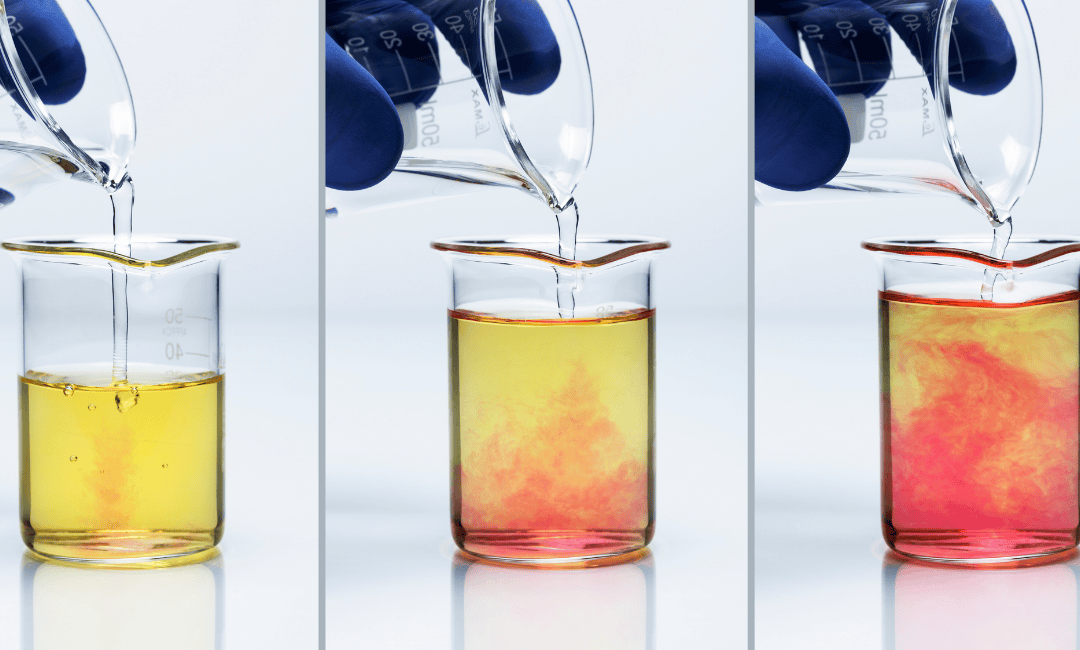
  • Hydrogen peroxide:
    This acts as a "developer." It clears out your natural colour to make room for the new one. While it can make hair brittle if used too much, it is not considered a carcinogen.
  • Aromatic amines (like PPD):
    PPD helps create those deep, natural-looking colours that don’t wash away. Most hair dye side effects cancer discussions centre on these amines because they are very reactive.
  • Resorcinol:
    This helps "tune" the colour. It potentially affects the thyroid gland, but usually, the amount that gets into your body during a normal hair appointment is very small and leaves your system quickly.
image

Does hair dye cause cancer?

When we ask, "Does hair dye cause cancer?" we have to realise that the answer has changed over the years.

If you were dyeing your hair in the 1970s, the answer might have been more concerning. Back then, many dyes were made from coal tar and contained chemicals that were later found to cause cancer in lab tests.

However, in 1980, the companies voluntarily moved away from using the cancerous chemicals to safer alternatives.

Today, the consensus from groups like the American Cancer Society regarding hair dye and cancer is much more reassuring:

Cancer nutrition supplements
Nutritional supplements curated by oncologists
A platform for cancer nutrition.
Clinically guided. Built for care.

  • For the average person: Using modern hair dye at home or in a salon is generally considered safe. Most large studies of thousands of people have not found a clear, consistent link to most types of cancer.
  • For the professionals: This is a bit different for hairdressers and barbers. Because they breathe in these fumes and touch the chemicals every single day for years, they are at a higher hair dye and cancer risk, particularly for bladder cancer. 

So, your answer to “Will hair dye cause cancer?” is: No, if you’re not directly exposed to the ammonia in hair dye and cancer for a long duration.

Potential hair dye side effects cancer

While we’re fixated on whether hair dye causes cancer, we often run into much more immediate health issues.

Side effectBrief description
Allergic contact dermatitisItchy scalp, rash, or swelling due to PPD; often a delayed reaction
Anaphylaxis (rare)Severe allergic reaction causing breathing difficulty; medical emergency
Chemical burnsScalp irritation or burns from strong dye or prolonged exposure
Respiratory issuesFumes may trigger coughing or breathing problems, especially in asthma
Hair damageHair becomes dry, brittle, and prone to breakage

A reaction to dye often causes an itchy scalp, but this is different from cancer itching, which is usually more persistent and unrelated to a specific product.
image

Who may be at higher risk?

Health risk is rarely the same for everyone. When scientists look at cancer risk factors, they consider your job, your genes, and the specific products you choose.

For example, the "Sister Study" found that Black women using permanent dye frequently had a significantly higher risk of breast cancer than White women. Researchers believe this may be because dyes marketed for darker, coarser hair often contain higher levels of reactive chemicals. This impacts the overall hair dye and cancer risk data.

Others who should exercise more caution include:
  • Hairdressers and barbers:
    These professionals are around fumes and chemicals every day. This constant exposure is why their risk level is higher than that of someone who dyes their hair occasionally at home.
  • People with skin conditions:
    If you have active psoriasis or eczema, your scalp’s protective barrier is broken. This makes it easier for chemicals to enter your bloodstream and increase hair dye and cancer risk.
  • Pregnant women:
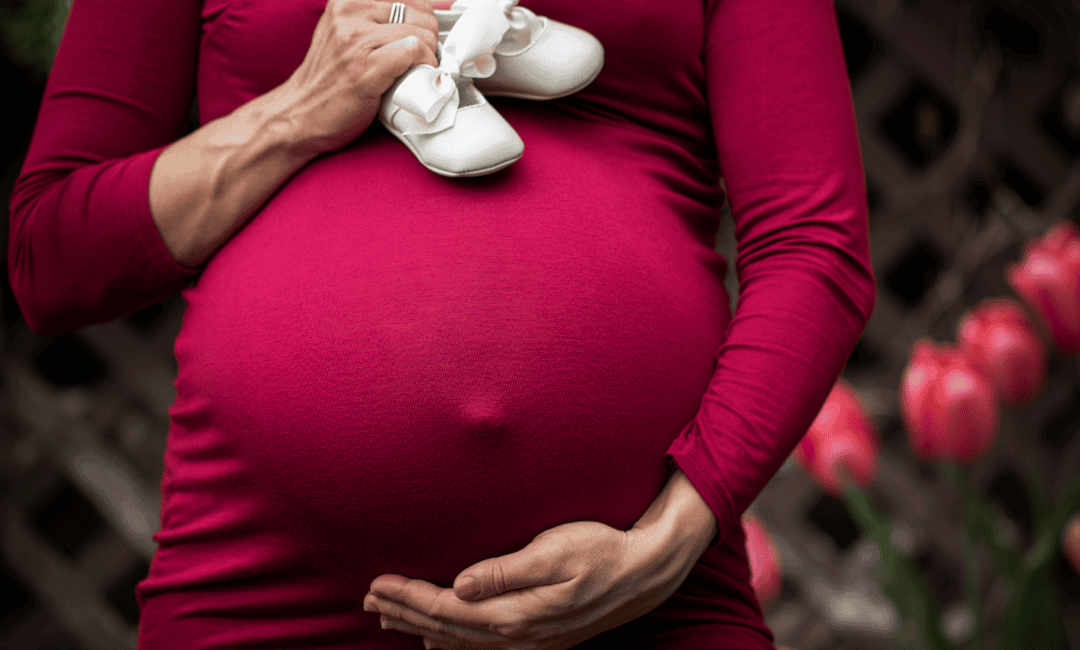
    While systemic absorption is low, many doctors suggest waiting until the second trimester as a simple safety measure while the baby's organs are forming.
  • Cancer survivors:
    It is common to ask about hair dye for cancer patients returning to a routine. Because post-treatment hair and skin are often very delicate, it is best to wait for your oncologist’s approval.
  • Genetic factors:
    Some people naturally process toxins more slowly due to a specific enzyme called NAT2. In these cases, the body holds onto chemicals longer, which may increase risk over many years.
image

Tips to reduce hair dye risks

If you enjoy dying your hair but want to stay as safe as possible, there are several practical steps you can take.

  • Change your haircare routine:
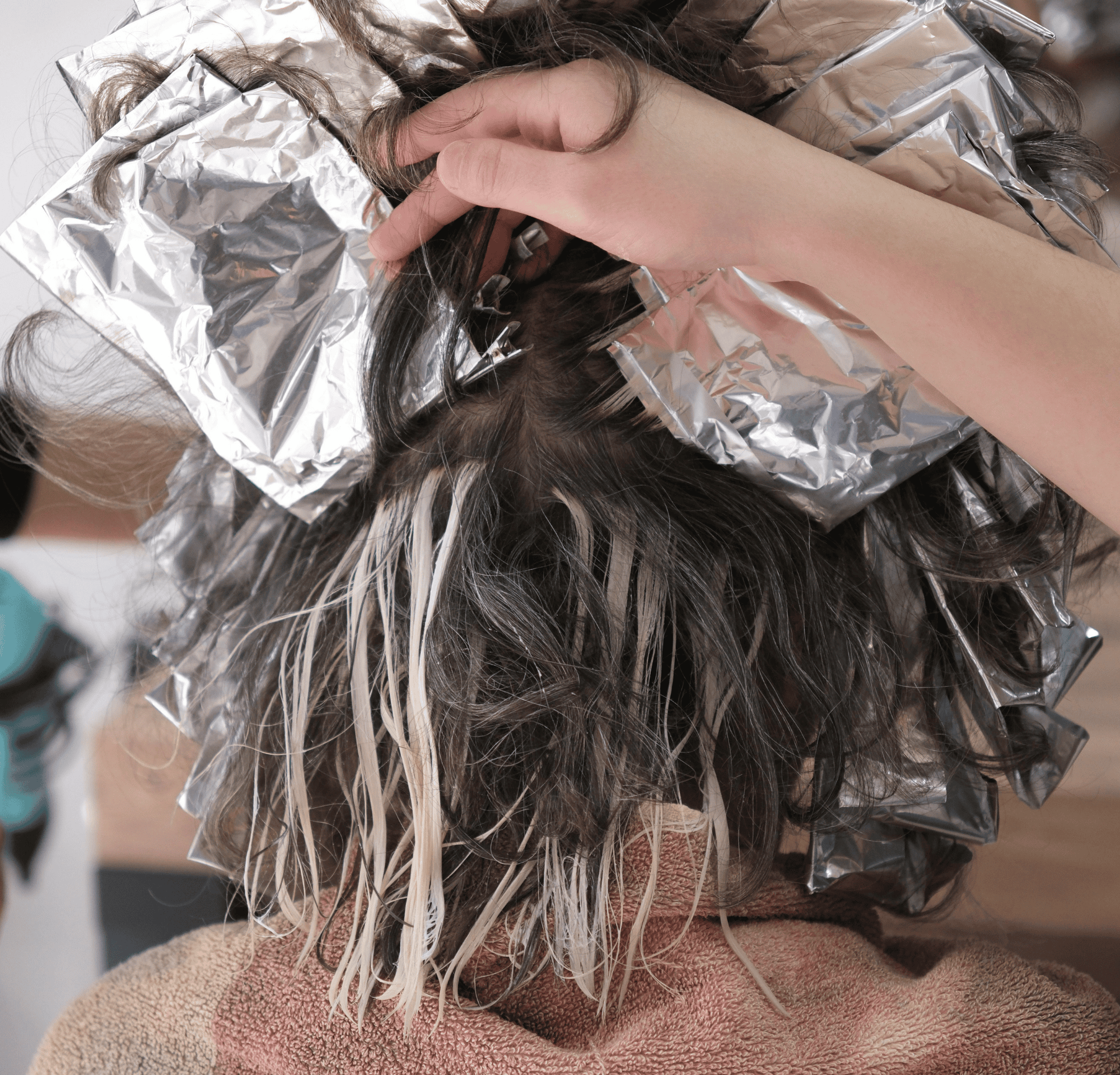
    Instead of a full head of permanent colour every few weeks, you might try "foil highlights" or "balayage." This significantly lowers the chance that any chemicals in hair dye cause cancer concerns.
  • The 48-hour test:
    Always do a patch test on your skin before dyeing. This is the best way to avoid severe hair dye side effects cancer. It is important to tell the difference between a simple allergy and more serious signs of cancer.
  • Watch the clock:
    Never leave dye on longer than the box says. Once the time is up, rinse your scalp thoroughly with plenty of water.
  • Choose gentler dyes:
    Look for semi-permanent or temporary options. If you must use permanent dye, search for "PPD-free" or "resorcinol-free" labels.
  • Protect your skin:
    Wear gloves and apply a little petroleum jelly around your hairline and ears to keep the chemicals off your skin.
  • Space it out:
    Try to wait longer between sessions. Reducing how many times a year you dye your hair lowers your overall lifetime exposure.

Moving forward with confidence

Understanding how hair dye affects our bodies doesn't have to be scary. While older formulas had risks, modern science shows that for most people, the risk is low when used mindfully. Choosing gentler products helps you balance self-expression with long-term health.

Everhope Oncology provides specialised support if you ever need further guidance with cancer symptoms. Our oncology doctors focus on compassionate, personalised wellness, ensuring you have a dedicated team by your side so you never have to face hair dye and cancer uncertainties alone.

FAQs

Most research shows no clear link between using hair dye and developing skin cancer. Your main concerns for the skin are usually temporary issues like redness, itching, or allergic reactions.

Related Blogs