Nutrition5 min read
Spirulina Biotic Powder: Benefits, Nutrition Facts and Its Role in Cancer Nutrition
Dr. Vrundali Kannoth
Managing nutritional deficiencies during cancer care and complex health challenges is a critical part of recovery.
The physiological stress of treatments, combined with the energy required for tissue repair, greatly increases the need for essential vitamins.
Folic acid, a well-known B-group vitamin, serves as a critical metabolic link to keep cells healthy and functioning during illness. However, its daily impact goes beyond a single health crisis.
In this guide, we’ll cover everything you need to know about folic acid, including its benefits, safe usage, and clinical applications.
Folate, or vitamin B9, is an essential water-soluble vitamin. Folic acid, the synthetic variation, consists of 3 connected parts:
Natural dietary folate is highly unstable and easily breaks down during storage or cooking. Moreover, since folate contains a complex chain, specific intestinal enzymes must first break it down before your body can absorb it.
Synthetic folic acid is a stable, single-unit version that resists heat damage. It bypasses this digestive breakdown step entirely, allowing the body to absorb it quickly and efficiently from folic acid tablets uses or fortified foods.
Folic acid are available at the Everhope store — reviewed for use during cancer care.
Your body uses folic acid for an extensive process called one-carbon metabolism, which acts like an assembly line to move carbon pieces to build DNA and repair cells.
The primary folic acid function is building nucleic acids to form DNA. When you have a folic acid deficiency, it can cause replication errors and fragile genetic strands.
This directly harms fast-growing tissues like skin, hair, and blood cells that require constant cell division.
Bone marrow relies on rapid cell division to make red blood cells, making it highly sensitive to shortages.
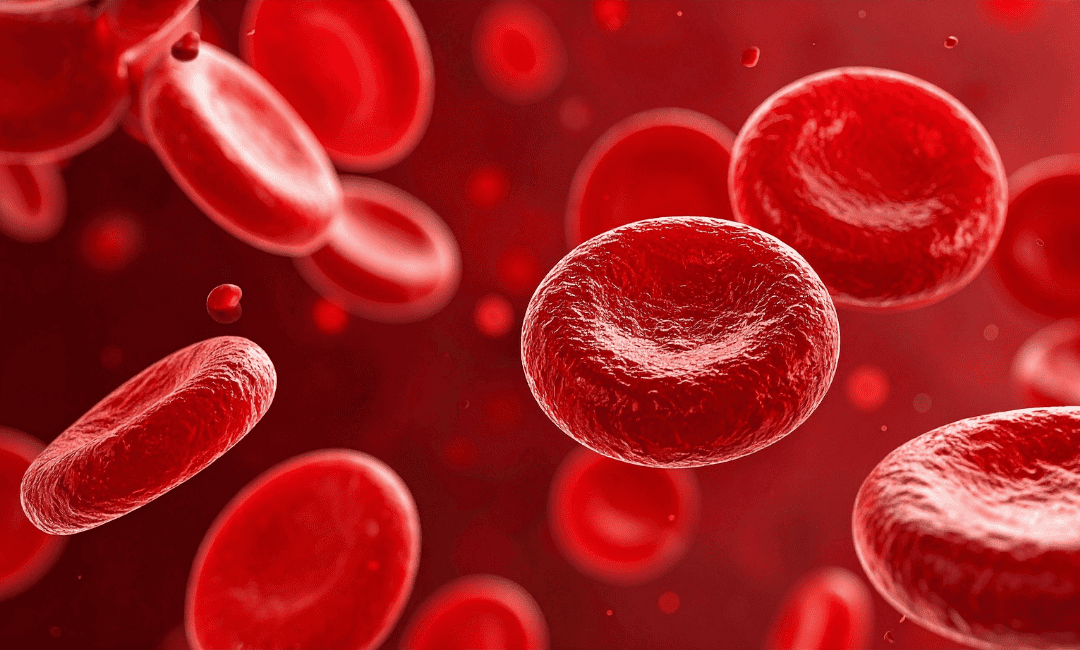
Folic acid helps these cells mature normally. Without it, cells grow abnormally large and fragile, failing to carry oxygen effectively.
Maintaining optimal vitamin levels provides systemic benefits across multiple bodily functions. Here are the top 3 benefits of folic acid:
Folic acid plays a vital role in maintaining daily energy and physical stamina, similar to the support provided by Coenzyme Q10.
These cells carry oxygen efficiently throughout the body, keeping your muscles energised and preserving natural alertness.
This vitamin actively protects your nervous system and helps keep your mind sharp. It works by keeping blood vessels clear and healthy.
This improves circulation to the brain, while supporting the immune system and cancer response.
In the FACIT trial, adults taking 0.8 mg of folic acid daily showed notable improvements in memory and mental processing speed.
Folic acid supplementation lowers fasting insulin and reduces insulin resistance.
While it does not alter immediate blood glucose, it helps protect pancreatic cells and supports long-term metabolic stability.

Targeted folic acid supplementation across several specific health stages and medical conditions can help manage folic acid indication of deficiencies:
Folic acid supplements significantly help prevent pregnancy-related defects like spina bifida, which affect your baby's early brain and spine development.
Since the neural tube closes within the first 28 days of pregnancy, women of childbearing potential are advised to consume 400 mcg daily.
Several common medications interfere with how the body processes folate, making a targeted supplement necessary:
Conditions that damage your small intestine, such as celiac disease, Crohn's disease, or gastric bypass surgery, severely disrupt nutrient absorption.
In these cases, high-quality folic acid supplements, often used alongside magnesium glycinate, bypass the damaged intestinal pathways through passive absorption to keep blood counts steady.
Beyond these everyday health scenarios, managing and balancing folate levels becomes equally critical during cancer care, where treatments often alter your body's nutritional balance.

The relationship between folate and tumour cells is delicate. It’s like managing antioxidant supplements, as it depends on when it is taken and whether abnormal cells are already present.
In healthy tissues, maintaining good vitamin levels assists in folic acid cancer prevention. By keeping DNA stable, it helps stop normal cells from mutating, lowering the risk of colon, breast, and lung cancers.
However, if cancer cells are already present, high doses of folic acid composition can help those cells divide rapidly.
This is why taking high-dose supplements without an oncologist's guidance during treatment is discouraged.
Folic acid deficiencies often occur during cancer care due to poor appetite, diet for cancer patients, and treatment side effects. Shortages happen frequently across different stages of care:
Chemotherapy and targeted therapies can cause painful mouth sores and gut irritation, known as mucositis.
This happens due to treatments affecting your fast-dividing cells, accidentally damaging the healthy lining of the mouth.
Targeted folic acid cancer treatment support, sometimes used in conjunction with a vitamin c supplement, can ease this discomfort. Taking a small dosage of 1.0 to 5.0 mg daily lowered pain and tissue damage.

Folate is essential, but it’s challenging to administer in high doses during cancer care. Therefore, oncologists use a specialised form of this vitamin called leucovorin, or folinic acid, for two main reasons:
Since our body cannot make this vitamin naturally, you must get it from diet, fortified foods, or supplements.
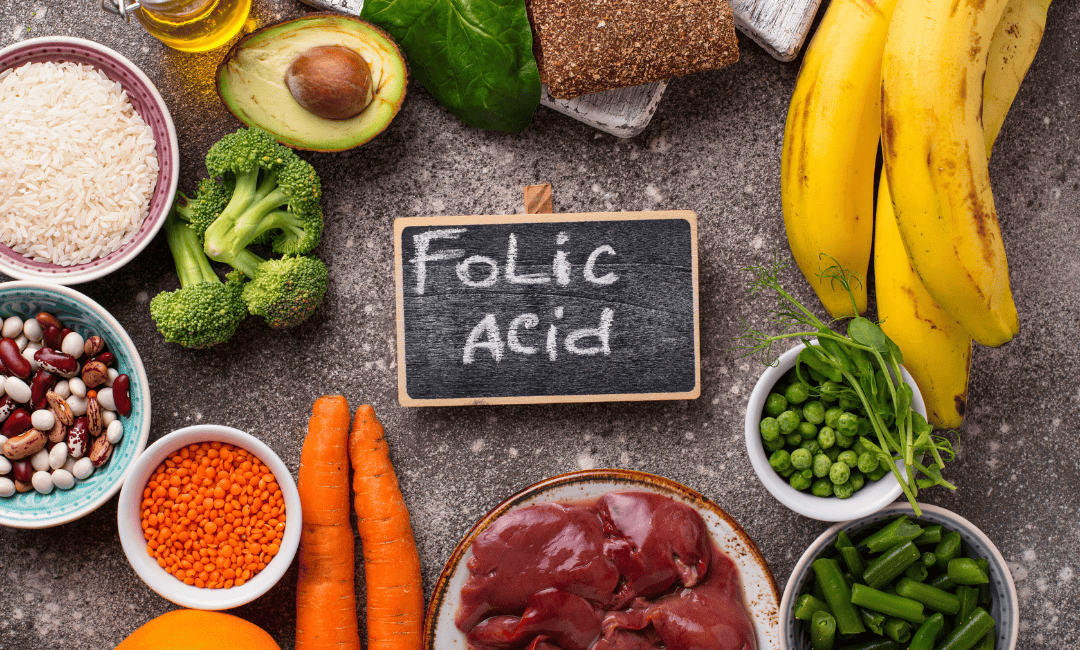
A balanced diet provides a steady supply of natural folates. Rich options include:
Many grain products are fortified with synthetic vitamins to prevent deficiencies. For instance, mandatory folate fortifications dropped severe deficiency rates from 30% to under 1% almost immediately, preventing thousands of birth defects.

PeachX FerricGlow (Iron Pyrophosphate 30 mg + Vitamin C 65 mg + Folic Acid + B Complex) 30 Sachets
Liposomal iron with vitamin C and B complex
₹849₹999
Since synthetic versions absorb much better than natural food folate (up to 100% versus 50% bioavailability), total intake of folic acid is measured in Dietary Folate Equivalents (DFEs).
The required folic acid dosage changes based on your age, life stage, and individual health goals:
| Life Stage | Recommended Dietary Allowance (RDA) | Tolerable Upper Limit (UL) |
|---|---|---|
| Children (1–13 years) | 150 – 300 mcg DFE | 300 – 600 mcg per day |
| Adults (19+ years) | 400 mcg DFE | 1,000 mcg per day |
| Pregnancy / Lactation | 500 – 600 mcg DFE | 1,000 mcg per day |
The tolerable upper limit, however, applies strictly to synthetic supplements and fortified foods, not to natural folates consumed from whole food sources.
The best time to take folic acid is in the morning on an empty stomach with water, which allows blood levels to peak within one to two hours. Taking it with heavy meals can slightly slow this process down.
Avoid taking single doses above 400 mcg unless directed by a healthcare professional. Large doses can overwhelm the liver's activation enzymes, causing unmetabolized vitamins to enter the bloodstream.

While standard folic acid doses are incredibly safe, taking excessive amounts above 1,000 mcg daily without medical supervision carries risks.
High folic acid intake can hide an underlying vitamin B12 deficiency. Both shortages cause the same type of anaemia.
Excess folic acid fixes blood counts, making standard tests look normal, but leaves the B12 shortage uncorrected.
Since B12 protects nerves, this masking allows nerve damage to progress silently, causing numbness and balance loss.
Supplements can alter how high-alert medications work:
At high doses, minor folic acid side effects include mild nausea, bloating, or an unusual taste.
Folic acid supports cellular repair, blood health, and cancer care. Since high doses can mask nerve damage or interact with cancer medications, supplementation needs careful management through medical history evaluation.
Managing nutrition and cancer can feel overwhelming. Everhope offers expert-led oncology care to help you make clear, informed decisions. Our multidisciplinary team is here to support you with consultations, second opinions, oncology nutrition, and personalised care guidance.
Natural folate is found in whole foods. Rich sources include dark green leafy vegetables like spinach, legumes like lentils and chickpeas, citrus fruits, and liver.
Folate is the natural, unstable form of vitamin B9 in food that requires digestive breakdown. Folic acid is the stable, synthetic version used in supplements that absorbs quickly without breakdown.
Daily amounts up to 400 mcg are safe long-term. However, doses above 1,000 mcg without medical supervision can mask a vitamin B12 deficiency or alter how medications work. Always consult your physician for long-term use.